The Python development team has officially released Python 3.15.0b4, marking the final planned beta preview for the upcoming major iteration of the widely-used programming language. This release, available for download from python.org, signifies a critical juncture in the development cycle, bringing the project closer to its feature freeze and subsequent release candidate phases. The 3.15.0b4 build incorporates approximately 298 bug fixes, build system enhancements, and documentation updates since its predecessor, 3.15.0b3, underscoring a concerted effort to refine stability and usability.
Beta releases serve a crucial role in the software development lifecycle, offering the broader community an opportunity to thoroughly test new functionalities and bug resolutions. This early access is designed to empower developers and organizations to identify potential issues and adapt their existing projects to ensure seamless compatibility with the upcoming stable release. The Python core development team is strongly urging maintainers of third-party Python projects to engage actively with this final beta, testing their applications and libraries against Python 3.15.0b4. Prompt reporting of any discovered bugs or incompatibilities to the official Python bug tracker on GitHub is paramount.
The development team has articulated a clear objective: to achieve no Application Binary Interface (ABI) changes after this final beta and to minimize code modifications once the release candidate phase commences on August 4, 2026. This commitment to stability in the later stages of development is vital for ecosystem health, allowing developers to confidently invest in upgrading their projects. The success of this endeavor hinges on comprehensive testing during the beta period. Creating and distributing pre-release wheels for 3.15 is highly recommended, as it facilitates broader testing efforts across the vast Python ecosystem. However, developers are advised to defer their regular production releases until the first official release candidate, 3.15.0rc1, to mitigate the risk of encountering disruptive ABI breaks. It is crucial to reiterate that this beta release is intended for testing and evaluation purposes only and is not recommended for deployment in production environments.
The Python 3.15 series promises a range of significant enhancements and refinements over its predecessor, Python 3.14. While the specific details of all new features are extensively documented in the official "What’s New in Python 3.15" guide, key areas of focus often include performance optimizations, new language constructs, improvements to standard library modules, and enhanced developer tooling. These iterative improvements are a hallmark of Python’s development philosophy, ensuring the language remains competitive, efficient, and developer-friendly. The release schedule indicates that the next significant milestone will be the release of Python 3.15.0rc1 on August 4, 2026, followed by subsequent release candidates until the final stable release.
The Python ecosystem is a complex and dynamic entity, with millions of projects built upon its foundation. The transition to a new major version of Python, even with a strong emphasis on backward compatibility, invariably presents challenges. Third-party libraries, frameworks, and applications must be tested and potentially updated to leverage new features or address any subtle behavioral changes. The proactive engagement of the developer community during the beta phase is therefore not merely a recommendation but a critical collaborative effort that directly influences the quality and stability of the final release.
A Look Back: The Evolution of Python Releases
The release of Python 3.15.0b4 continues a long-standing tradition of meticulous development and community engagement. Python’s journey from its inception in the late 1980s to its current status as a dominant force in programming has been characterized by a commitment to backward compatibility where feasible, alongside bold steps forward with major version transitions. The move from Python 2 to Python 3, a significant undertaking that spanned many years, highlighted the importance of clear communication and robust testing to manage such large-scale ecosystem shifts. The current beta release for 3.15 represents a more incremental, yet equally vital, step in this ongoing evolution.
The development cycle for a major Python release is typically structured, beginning with alpha releases that introduce new features, followed by beta releases for extensive testing and bug fixing, and culminating in release candidates that are progressively stabilized before the final release. This phased approach allows developers to integrate new functionalities and for the community to provide feedback, ensuring that the final product is as robust and well-received as possible. The introduction of approximately 298 fixes in this latest beta release is a testament to the diligent work of the core developers and contributors, addressing a wide array of issues ranging from minor glitches to more substantial performance bottlenecks.
Community Engagement: A Cornerstone of Python Development
The emphasis on community testing for Python 3.15.0b4 is not a new phenomenon but rather a reinforcement of a core principle that has guided Python’s success. The open-source nature of Python fosters a collaborative environment where developers worldwide contribute to its improvement. This includes not only core developers who implement new features and fix bugs but also a vast network of users who provide invaluable feedback through bug reports, feature requests, and community forums.
The call for third-party project maintainers to test their code with 3.15.0b4 is particularly significant. These projects form the backbone of many applications and services, and their smooth transition to the new Python version is critical for the health of the entire ecosystem. By providing pre-release wheels, the Python team facilitates this process, allowing for easier installation and testing of the beta version within existing project environments. This proactive approach helps to prevent a cascade of compatibility issues that could arise if widespread problems were only discovered after the stable release.
The Significance of ABI Stability
The explicit goal of achieving ABI stability after beta 4 is a crucial technical detail with far-reaching implications. The Application Binary Interface (ABI) defines how compiled code interacts at the binary level. When the ABI changes, it can break compatibility between different versions of libraries and the Python interpreter itself, often requiring recompilation of code and potential rework of dependencies. For large, complex projects or organizations with extensive Python codebases, ABI breaks can be a significant impediment to upgrading. By aiming for ABI freeze early in the release candidate cycle, the Python team is prioritizing a smoother transition for the broader community, minimizing the disruptive impact of the new release. This focus on stability in the later stages is a hallmark of mature software development practices.
Navigating the Release Cycle: Key Dates and Milestones
The timeline provided by the release team is instrumental for developers and organizations planning their upgrade strategies. The release of 3.15.0b4 marks the end of significant feature development for this cycle. The next major milestone, 3.15.0rc1, scheduled for August 4, 2026, will signify the beginning of the release candidate phase. During this phase, the focus shifts entirely to stabilization, with any changes being limited to critical bug fixes. Subsequent release candidates (e.g., 3.15.0rc2, 3.15.0rc3) will be issued as needed until the core development team is confident that the release is stable enough for general availability. This structured approach ensures that potential issues are thoroughly vetted before the final public release, which is typically anticipated several weeks or months after the first release candidate, depending on the number of release candidates required.
Anticipated Enhancements in the 3.15 Series
While the provided text omits the specific list of major new features, it’s reasonable to infer that Python 3.15 will build upon the ongoing trends in Python development. These often include:
- Performance Improvements: Python’s core developers continuously strive to enhance the interpreter’s speed and efficiency. This can involve optimizations in areas like garbage collection, bytecode execution, and memory management. For instance, recent Python versions have seen significant gains in startup times and overall execution speed for certain workloads.
- New Language Features: Python often introduces new syntax or semantic features that simplify common programming patterns, improve readability, or enhance expressiveness. Examples from previous releases include the introduction of assignment expressions (the walrus operator) and structural pattern matching.
- Standard Library Enhancements: The extensive standard library is a key strength of Python. New modules or significant updates to existing ones can streamline development for various tasks, from web development and data science to concurrency and system administration.
- Typing Enhancements: With the increasing adoption of static typing in Python, future releases are likely to include further improvements to the type hinting system, offering more flexibility and expressiveness for static analysis tools.
- Deprecations and Removals: As Python evolves, certain older features or APIs may become deprecated and eventually removed to streamline the language and remove technical debt. This process is typically managed with advance notice to allow developers to migrate away from these features.
The "What’s new in Python 3.15" document, once fully populated and accessible, will provide the definitive source for these details. Its comprehensive nature is essential for developers to understand the full scope of changes and plan their adoption strategies effectively.
The Broader Impact of Python’s Evolution
Python’s pervasive influence across various industries, from web development and data science to artificial intelligence and scientific computing, makes each new release a significant event. The language’s accessibility, extensive libraries, and strong community support have cemented its position as a go-to choice for a wide range of applications. Consequently, the stability and feature set of new Python versions have a direct impact on the development of countless technologies and services that underpin our digital world. The careful stewardship of the Python development process, exemplified by the structured release cycle and emphasis on community feedback, is vital for maintaining this trust and ensuring Python’s continued relevance and growth.
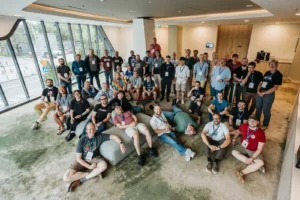
The release team, composed of Hugo van Kemenade, Savannah Ostrowski, Ned Deily, Steve Dower, and Łukasz Langa, has once again orchestrated a critical phase in Python’s development. Their dedication, alongside the countless volunteers who contribute to the project, underscores the power of open-source collaboration. The mention of EuroPython sprints in Kraków adds a human element, highlighting the real-world collaboration and community spirit that drives Python’s advancement. The gratitude expressed towards volunteers and the encouragement for further support of the Python Software Foundation (PSF) are vital reminders of the organizational and financial underpinnings that enable such ambitious open-source endeavors.
The journey from a nascent programming language to a global standard is a testament to continuous improvement and adaptation. Python 3.15, through its iterative development and community-driven testing, is poised to continue this legacy, offering developers powerful new tools and an ever-more robust platform for innovation. The final beta release is a clear signal that the core development is largely complete, and the focus is now on ensuring a smooth and stable transition for the global Python community. The coming months, leading up to the final release, will be crucial for widespread testing and feedback, ensuring that Python 3.15 lives up to the high standards set by its predecessors.
Related posts: