Python Language Summit: Recent Developments and Future Trajectories for the CPython Ecosystem

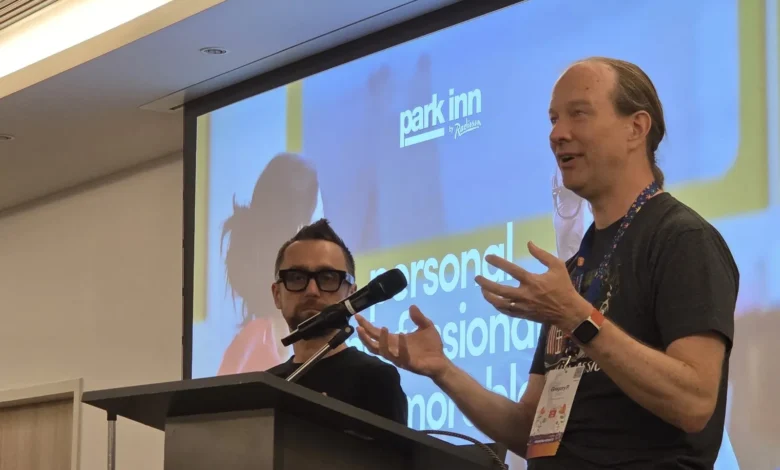
The Python Language Summit remains the preeminent venue for core developers to deliberate on the technical evolution of the CPython interpreter, serving as the crucible where the language’s future is forged. This year, the summit addressed a series of critical architectural hurdles, ranging from low-level memory management and the intricacies of the Stable ABI to the broader societal impacts of artificial intelligence on open-source contributions. The discussions reflected a maturing ecosystem, one increasingly focused on balancing historical compatibility with the aggressive performance optimizations required for the next generation of computing.
Memory Optimization and the Evolution of the Stable ABI
One of the most technically dense sessions centered on the limitations of the current Stable ABI—the Application Binary Interface that allows C-level extensions to remain compatible across different versions of Python. Mark Shannon, a key contributor to CPython’s performance, highlighted a persistent bottleneck: the inability to utilize 32 spare bits within the PyObject header.
In the current implementation, the structure of a Python object is defined by its reference count (ob_refcnt) and its type pointer (ob_type). While PEP 683, introduced in Python 3.12, effectively treated the reference count as a 32-bit integer, the remaining bits in the structure remain locked to prevent breaking existing extensions. Shannon argued that reclaiming these bits would allow for significant advancements in garbage collection efficiency and object allocation speeds.
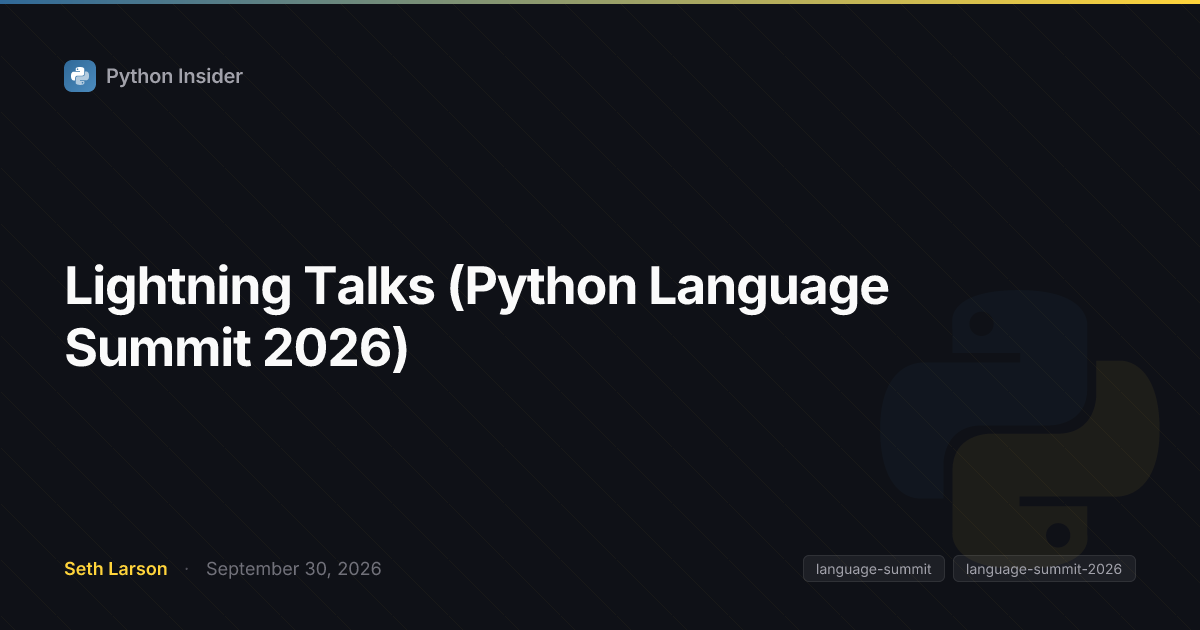
However, the path to such a change is fraught with difficulty. Breaking the Stable ABI would necessitate that third-party library maintainers port, recompile, and manage multiple versions of their binary distributions. Historically, the Python core team has been exceptionally conservative regarding ABI changes to avoid "breaking the world." Yet, the industry-wide shift toward free-threaded Python—which facilitates true parallel execution—may inadvertently provide the solution. Because free-threaded Python does not guarantee Stable ABI compatibility for its object layout in the same way its predecessor did, it creates a clean slate. The consensus emerging from the summit is that the industry will eventually transition to a new, singular stable interface, dubbed "abi3t," effectively deprecating the current constraints and allowing for the performance optimizations Shannon seeks.
Structured Concurrency and the Challenge of Interrupts
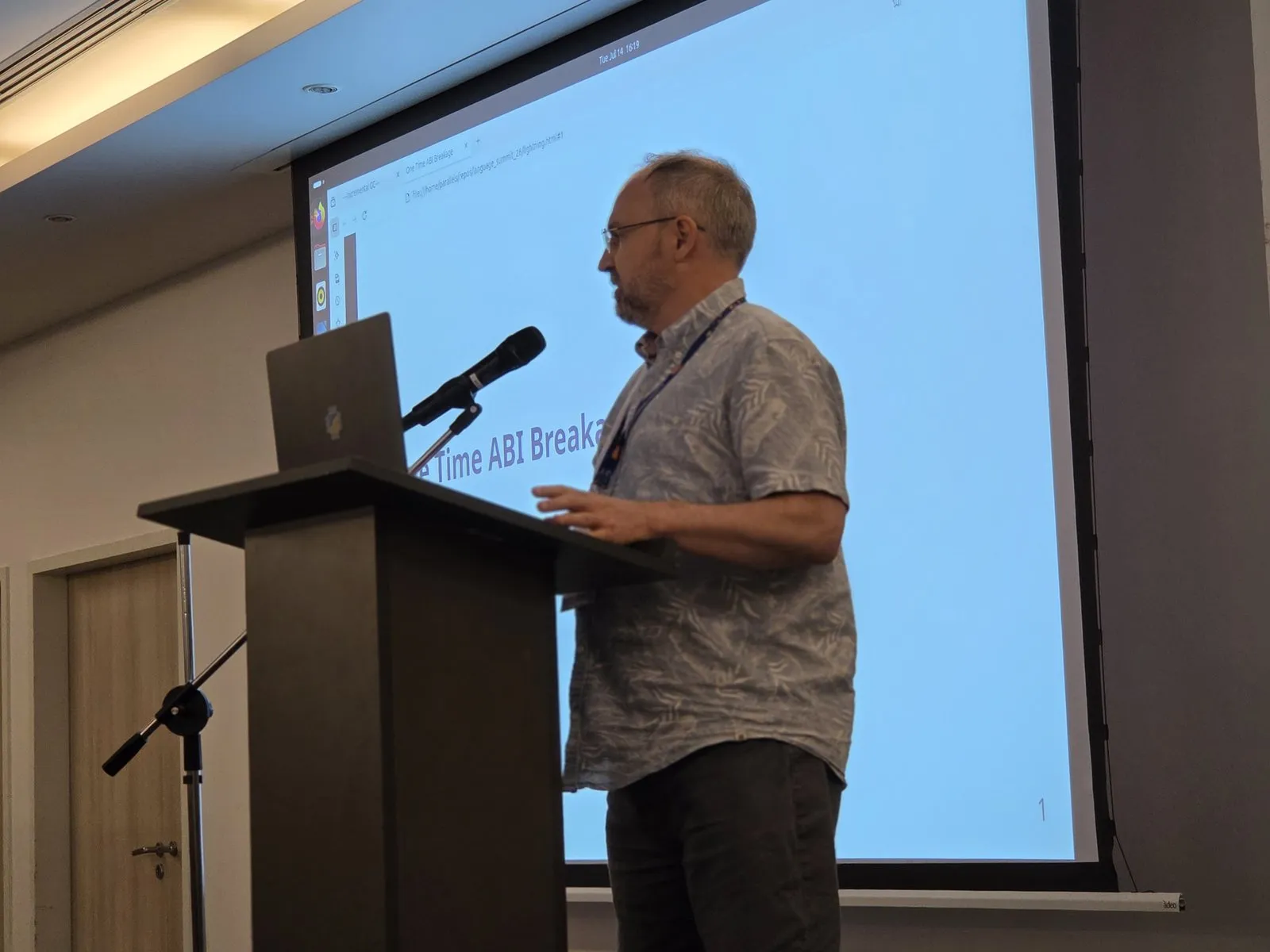
Daniele Parmeggiani addressed the operational gaps in Python’s current approach to concurrency, specifically the lack of safe, standardized mechanisms for interrupting tasks. As modern web applications increasingly rely on parallel I/O-bound operations, the inability to cleanly cancel secondary tasks when a primary task fails creates a significant resource drain.
Currently, if a web request triggers two parallel database queries and one fails, the application must wait for the second query to finish—even though its result is redundant—before it can propagate the exception. While the underlying CPython machinery for task cancellation exists, it is currently hidden from the Python-level API to prevent "footguns"—unintended side effects caused by improper use.
Parmeggiani proposed a move toward "uninterruptible scopes," a mechanism that would shield critical context manager methods from being interrupted. By ensuring that __enter__ and __exit__ blocks complete their execution regardless of external signals, developers could maintain the integrity of their cleanup processes. While this approach introduces minor overhead in terms of bytecode, it offers a robust alternative to the current, largely discouraged practice of manipulating signal handlers directly. Parmeggiani’s proposal is currently in the conceptual phase, with an open invitation for collaborative implementation.
Bridging the Gap: EktuPy and the Next Generation of Developers
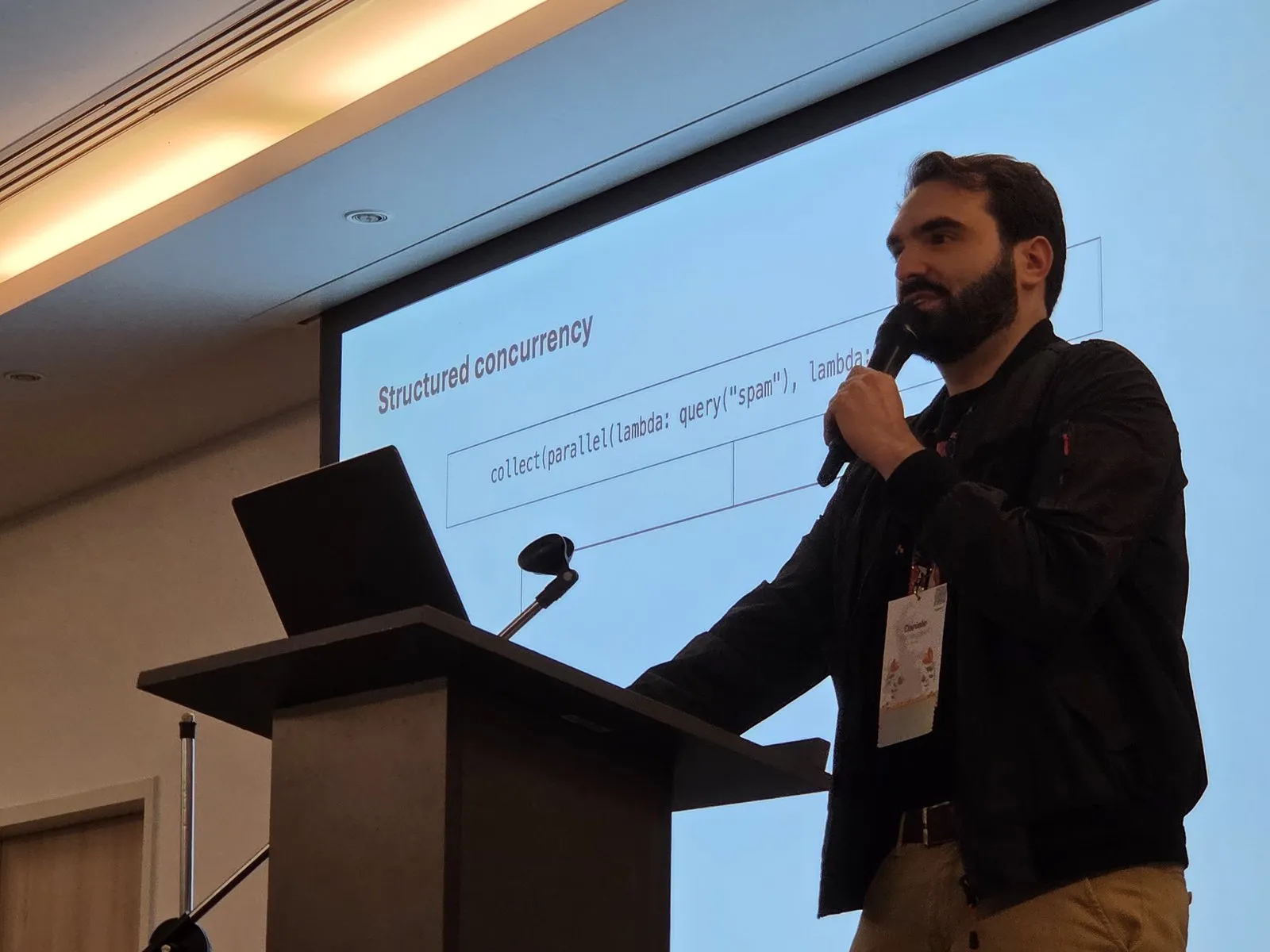
While the summit focused heavily on C-level architecture, it also addressed the educational pipeline. Kushal Das introduced EktuPy, a project designed to act as a bridge between block-based programming environments—such as MIT’s Scratch—and the professional text-based syntax of Python.
The project acknowledges a pedagogical shift in computer science education, where millions of students are introduced to logic through visual blocks. EktuPy retains the "remix" philosophy of Scratch, allowing students to start with functional, interactive media-based projects rather than confronting the intimidating blank slate of a standard IDE. By lowering the barrier to entry, EktuPy aims to sustain the influx of new talent into the Python ecosystem, ensuring that the community continues to grow as the language itself becomes more complex.
AI Agents and the Governance of Open Source
A significant portion of the summit was dedicated to the changing nature of contributions, specifically the surge of pull requests generated by Large Language Model (LLM) agents. Gregory P. Smith and Łukasz Langa led a discussion on the implementation of an AGENTS.md file within the CPython repository. The goal is to provide clear, machine-readable, and human-verifiable guidance to automated tools, ensuring that incoming contributions adhere to established standards and the project’s Developer Guide.
The proposal received surprising support from the core developer community. There was a consensus that while the rise of AI-driven contributions is inevitable, it poses a risk to the quality of the codebase. The AGENTS.md file is intended to be a static, rarely-changed document that serves as a gatekeeper. By establishing a threat model and clear guidelines, the core team hopes to mitigate the influx of low-quality, automated noise.
However, the discussion also touched upon a more existential concern: the long-term sustainability of manual code review. Langa expressed a cautious, somewhat pessimistic outlook, suggesting that the volume of agent-driven contributions might eventually force the project to restrict contributions from non-human sources entirely. The Python Security Response Team echoed these sentiments, noting that while recent policy changes have helped, proving the efficacy of these measures remains a complex task in an environment where the threat landscape evolves as quickly as the tools themselves.
PEP 836 and the Path to a Native JIT Compiler
The summit concluded with a direct call to action regarding PEP 836, which outlines the path to integrating a Just-In-Time (JIT) compiler into CPython. Ken Jin emphasized that the JIT is not merely an experimental feature but a vital component for the future performance of the language.
Despite the high stakes of this proposal, engagement on the official discussion thread has been notably low, with only 33 replies at the time of the summit. Jin urged developers to move past passive observation and actively critique the proposal. For the CPython ecosystem, the JIT represents a transition into a new performance paradigm, one that requires rigorous scrutiny from the community to ensure stability and maintainability.
Implications and Future Outlook
The 2024 Language Summit underscored a critical inflection point for Python. The language is moving away from the era of "one-size-fits-all" compatibility toward a more nuanced, modular architecture. The impending transition to free-threaded Python and the potential adoption of a native JIT compiler signify that CPython is prioritizing performance and concurrency to remain competitive with languages like Go and Rust.
Simultaneously, the governance of the language is adapting to the realities of the AI era. By implementing structured guidance for agents and focusing on educational tools like EktuPy, the core team is attempting to fortify the project against both technological obsolescence and a potential deluge of low-quality automated code.
As these proposals move from the summit floor to the Python Enhancement Proposal (PEP) process, the coming year will be defined by how the community manages these trade-offs. The "one-time" ABI break, while theoretically simple, remains a significant milestone that will test the project’s ability to evolve without alienating its vast, global user base. The developments discussed in this summit suggest that while the road ahead is technically complex, the core team is prepared to make the necessary, if difficult, decisions to secure Python’s relevance for the next several decades.