Google and Industry Partners Dismantle Massive XCPE Botnet Targeting Millions of Android TV Devices

In a significant collaborative operation, Google’s Threat Intelligence Group (GTIG) has successfully dismantled a sprawling botnet known as XCPE, which had compromised over 1.3 million Android TV set-top boxes worldwide. The investigation revealed that these devices were shipped from the factory with embedded malicious software, effectively turning consumer entertainment hardware into tools for large-scale advertising fraud and unauthorized residential proxy services. By severing the command-and-control infrastructure used by the manufacturer, Google and its security partners have mitigated a threat that extended far beyond standard television streaming, reaching into millions of other Internet of Things (IoT) devices, including telehealth systems and digital signage.
The Anatomy of the XCPE Infection
The botnet, named after a core component of the malware, was traced back to Videostrong Technology Co., a China-based manufacturer of Android-based hardware. According to forensic analysis, the malware was pre-installed at the factory level, allowing it to execute immediately upon the device’s initial boot sequence. This "supply chain" style attack bypassed standard security protocols by embedding the malicious payload into the device’s firmware.
Once active, the XCPE malware transformed the infected Android TV boxes into "exit nodes" for residential proxy networks. These services, often used to mask the origin of web traffic, allow third parties to rent the home internet connections of unsuspecting users. This practice enables malicious actors to conduct account takeovers, engage in mass content scraping for AI training datasets, and execute sophisticated advertising fraud campaigns. By hijacking the legitimate IP addresses of residential users, attackers could bypass security filters that typically flag traffic originating from known data centers or suspicious geographic locations.
A Chronology of Discovery and Takedown
The revelation of the XCPE botnet is the culmination of months of intensive research by industry security firms and global technology providers. The timeline of this operation reflects the growing sophistication of IoT-based threats:

- Early 2026: Researchers at Synthient began tracking the rapid spread of the Kimwolf botnet, which utilized similar vulnerabilities to exploit Android TV boxes. This research highlighted how residential proxy SDKs were being weaponized to compromise local network environments.
- July 2026: Federal law enforcement, including the FBI, intervened to seize domains associated with the "Popa" botnet, which was linked to the Israeli firm Alarum Technologies (operating under the NetNut brand). This action signaled a broader industry push to crack down on the infrastructure supporting illegal residential proxy services.
- October 2026: Oxylabs and Honeygain—two major players in the proxy space—underwent corporate restructuring, forming an entity known as "Source" with significant private equity backing.
- November 2026: Google’s Threat Intelligence Group formally published its findings regarding the Videostrong-originated XCPE botnet, confirming that the manufacturer had been monetizing user devices by selling back-door access to criminal affiliates.
The Role of Manufacturer Malfeasance
The involvement of Videostrong Technology Co. represents a severe breach of consumer trust and a direct violation of Android’s security requirements. Google mandates that all device manufacturers pass rigorous compatibility and security testing before their products can ship with official Android certification. Despite these safeguards, Videostrong implemented a mechanism that loaded malicious software immediately after a user connected the device to the internet, successfully evading Google’s initial screening processes.
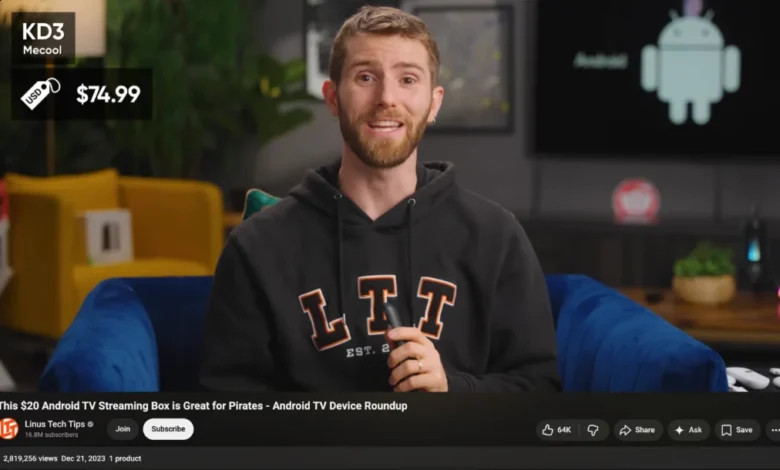
The scope of this issue is not limited to a single brand. Synthient’s investigative report identified that MECOOL-branded TV boxes, manufactured by Skyworth Technology, also contained the same malicious bundling. These devices often gained market traction through aggressive influencer marketing campaigns on platforms like TikTok and YouTube, where streamers promoted them as "all-in-one" solutions for accessing hundreds of streaming services for a single, low cost. These devices were essentially "Trojan horses" that traded access to pirated content for control over the user’s home network.
Industry Responses and Accountability
Following the disclosure of the report, several entities named in the investigation have issued statements regarding their involvement in the proxy ecosystem. Oxylabs, while denying a direct relationship with Videostrong, acknowledged that one of its suppliers had been using the "com.abc.nexus" domain to load malicious modules.
"We have been conducting regular audits of the applications provided by our partners," a spokesperson for the company stated. "However, following this incident, we will improve the application’s build fingerprinting logic to better detect cases where the SDK is running on an unapproved build of an originally authorized application." The company claimed that the offending supplier accounted for less than 1% of its IP pool and that they had suspended the relationship immediately upon discovery of the threat.
The impact of the XCPE takedown is expected to be profound. Beyond the 1.3 million confirmed infected TV boxes, experts estimate that the actual number of compromised units is substantially higher, potentially reaching 10 million or more. Because the malware was designed to load additional modules from various criminal affiliates, the removal of the XCPE control servers serves as a critical disruption to a much larger, interconnected network of cybercriminal operations.

Broader Implications for IoT Security
The XCPE incident underscores the inherent risks of "white-label" consumer electronics, where hardware is manufactured by third parties and rebranded for sale globally. Because these devices often run outdated versions of Android and lack long-term security support, they represent a permanent vulnerability for home networks.
Security analysts argue that the current model of the residential proxy industry—which relies on the mass acquisition of IP addresses—is fundamentally flawed. As long as there is a lucrative market for anonymized, residential-grade IP addresses, there will be an incentive for manufacturers to treat their customers as a commodity to be rented out.
The successful disruption of XCPE, however, demonstrates that collaboration between major technology platforms and independent security researchers is an effective defense. By cutting off the domains and servers that facilitate communication between the infected boxes and the proxy providers, Google has effectively "bricked" the botnet’s functionality without necessarily destroying the user’s hardware.
Future Mitigation Strategies
Moving forward, industry experts recommend several key steps for consumers to protect themselves from similar IoT-based threats:
- Vetting Hardware: Consumers should prioritize well-known, reputable brands for streaming devices that provide regular, verifiable firmware updates.
- Network Segmentation: Advanced users should consider placing IoT devices on a separate, isolated guest Wi-Fi network to prevent a compromised device from scanning or attacking other sensitive equipment on the primary network.
- Vigilance Against "Too-Good-To-Be-True" Hardware: Devices that promise access to premium, paid content for a one-time, low fee are often illicitly modified and pose a high risk of being part of a botnet.
The dismantling of the XCPE botnet is a significant victory, but it is likely not the end of the issue. As security teams patch these vulnerabilities, threat actors are expected to pivot toward other, less-secure IoT products. The case of Videostrong and MECOOL serves as a stark warning to both consumers and regulators: the supply chain of modern consumer electronics is increasingly becoming a front line in the battle against global cybercrime. Organizations like Google and the Motion Picture Association have made it clear that they intend to continue their scrutiny of these devices, with further legal and technical actions expected in the coming months.
Related posts: