Python 101: Third Edition Launches on Kickstarter to Cater to Evolving Programming Landscape

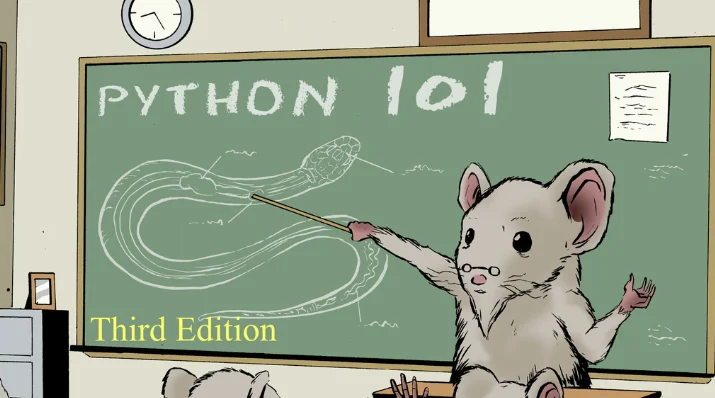
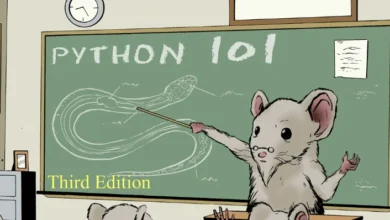
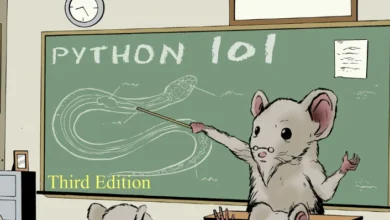
Michael Driscoll, a recognized figure in the Python community, has announced the launch of a Kickstarter campaign for the third edition of his widely acclaimed beginner’s guide, "Python 101." This initiative aims to fund the comprehensive revision and publication of the book, ensuring it reflects the latest advancements in the Python programming language and its ecosystem. The campaign seeks to provide aspiring and intermediate programmers with an updated, accessible, and practical resource for learning Python, a skill increasingly in demand across various industries.
The decision to release a third edition stems from the significant evolution of Python since the previous iteration. The language has seen new feature introductions, a refinement of best practices, and substantial growth within its extensive library and toolset. Driscoll’s objective is to not merely update the existing content but to fundamentally enhance the learning experience, making this edition the most effective and engaging version of "Python 101" to date. The Kickstarter platform has been chosen to facilitate direct community support, allowing readers to contribute to the creation of a high-quality educational resource while ensuring the author can dedicate the necessary time and focus to its development.
Background and Genesis of Python 101
"Python 101" has, for years, served as a foundational text for individuals embarking on their programming journeys. Its consistent aim has been to demystify Python, making it approachable for a diverse audience, including students, career changers, and professionals seeking to integrate Python into their work or personal projects. The book’s philosophy centers on a practical, enjoyable, and straightforward approach to learning, eschewing overly academic or theoretical complexities in favor of hands-on application.
The first edition of "Python 101" was released to address a perceived gap in beginner-friendly programming literature. At the time, while Python’s popularity was growing, resources tailored specifically for absolute novices, emphasizing clarity and practical application, were less abundant. Driscoll, leveraging his extensive experience with Python development and technical writing, developed a curriculum designed to build a strong foundation from the ground up. The book’s success in its initial releases underscored the demand for such a resource.
The second edition saw further refinements, incorporating feedback from early readers and addressing the natural progression of the Python language. However, the pace of technological advancement in software development necessitates continuous updates. Python, with its vibrant community and active development, has seen numerous updates and introduced new paradigms that benefit from dedicated coverage.
The Imperative for a Third Edition
The release of Python 3.x versions has brought about significant changes, including syntax alterations, new built-in functions, and improved performance characteristics. Beyond the core language, the Python ecosystem—comprising libraries, frameworks, and development tools—has expanded exponentially. New libraries for data science, machine learning, web development, and automation have emerged or matured, becoming indispensable for modern Python developers. Best practices in areas such as code style, testing, and dependency management have also evolved.
The third edition of "Python 101" is slated to incorporate these advancements. While specific details of the updated curriculum are still being finalized and will be revealed through project updates, it is understood that the content will cover:
- Core Python Concepts: Reinforcing fundamental programming principles with updated examples and explanations that align with current Python standards.
- Modern Python Features: Introducing and explaining newer language constructs and enhancements that improve code readability and efficiency.
- Best Practices in Python Development: Guiding readers on writing clean, maintainable, and Pythonic code, including discussions on style guides like PEP 8.
- Introduction to Key Libraries and Modules: Providing an overview of essential modules and popular third-party libraries that are critical for practical Python applications, potentially including introductory modules on data handling, web interactions, or automation.
- Effective Debugging and Problem-Solving: Equipping learners with strategies to identify and resolve common programming errors.
The overarching goal is to equip new programmers with a robust understanding of Python that is relevant to today’s technological landscape, ensuring they are well-prepared for future learning and project development.
Target Audience: Broadening Access to Programming
"Python 101" is meticulously crafted to serve a broad spectrum of individuals aiming to learn Python. The primary target demographic includes:
- Absolute Beginners: Individuals with no prior exposure to programming concepts who are seeking an accessible entry point into the world of coding.
- Students: High school and university students looking to acquire a foundational programming skill for academic projects or to supplement their computer science education.
- Professionals Transitioning to Tech: Individuals in non-technical roles who wish to pivot into technology-related careers, where Python proficiency is highly valued.
- Hobbyists and Enthusiasts: Anyone interested in learning Python for personal projects, automation, or to explore the creative possibilities of programming.
Crucially, the book requires no prerequisite programming knowledge, making it an inclusive resource. The curriculum is designed to build confidence and understanding progressively, ensuring that learners can grasp complex concepts without feeling overwhelmed.
The Role of Kickstarter in Production and Publication
The decision to utilize Kickstarter for the third edition is strategic. Crowdfunding platforms empower creators to connect directly with their audience and secure the necessary financial backing for projects that might otherwise face traditional funding hurdles. For "Python 101," Kickstarter offers several advantages:
- Direct Community Support: Backers are not just funders; they are stakeholders invested in the book’s success. This fosters a sense of community and provides valuable early feedback.
- Funding Allocation: The funds raised through the campaign will be directed towards critical stages of the book’s production, including:
- Writing and Content Development: Allowing Driscoll to dedicate substantial time to meticulously crafting and refining the updated content.
- Professional Editing and Proofreading: Ensuring the highest standards of clarity, accuracy, and grammatical correctness.
- Design and Layout: Creating a visually appealing and easy-to-navigate book format.
- Production and Printing: Covering the costs associated with manufacturing the physical copies of the book.
- Digital Distribution: Facilitating the creation and dissemination of e-book versions.
- Focus on Quality: By alleviating financial pressures, the Kickstarter campaign enables Driscoll to concentrate fully on delivering the most comprehensive and highest-quality edition of "Python 101" possible.
This model of community-supported publishing is becoming increasingly prevalent in the creation of specialized educational materials, allowing for a more responsive and audience-driven development process.
Rewards and Engagement for Backers
The Kickstarter campaign offers various reward tiers, providing incentives for different levels of support. These rewards are designed to offer tangible benefits to backers while acknowledging their contribution to the project’s realization. While specific reward details may evolve, typical offerings in such campaigns often include:
- Digital Copies: E-book versions of the third edition of "Python 101."
- Physical Copies: Signed or standard print editions of the book, often with early bird pricing for initial backers.
- Exclusive Content: Access to supplementary materials, such as code examples, cheat sheets, or bonus chapters not included in the final published version.
- Acknowledgments: Inclusion of backer names in the book’s acknowledgments section.
- Behind-the-Scenes Updates: Regular project updates shared throughout the writing, editing, and production process, allowing backers to follow the book’s journey from concept to completion.
This transparency and engagement aim to build a strong relationship between the author and the community, fostering a collaborative environment.
The Broader Impact of Accessible Python Education
The continuous growth of Python’s adoption across industries—from data science and artificial intelligence to web development and cybersecurity—underscores the increasing importance of Python literacy. Initiatives like the "Python 101" third edition directly contribute to expanding the pool of skilled Python developers.
- Economic Implications: A more accessible and up-to-date learning resource can help bridge the skills gap, potentially leading to increased employment opportunities for individuals who acquire Python proficiency. Companies benefit from a larger talent pool, driving innovation and economic growth.
- Technological Advancement: By lowering the barrier to entry for learning Python, such resources can foster greater participation in open-source projects and the development of new technologies. This democratization of programming skills accelerates the pace of innovation.
- Educational Reach: The book’s availability through crowdfunding and subsequent publication ensures it can reach a global audience, supporting educational institutions and self-taught learners alike.
Michael Driscoll’s commitment to updating "Python 101" reflects a dedication to the Python community and a recognition of the dynamic nature of technology. The Kickstarter campaign for the third edition represents an opportunity for enthusiasts and learners worldwide to actively participate in bringing a valuable educational resource to fruition, ensuring that the next generation of Python programmers has access to the most current and effective learning materials. The success of this campaign will not only benefit individual learners but will also contribute to the broader ecosystem of Python development and its continued impact on the technological landscape.
The author expresses profound gratitude to both current and potential backers, emphasizing that their support, whether through financial contributions or by spreading awareness of the project, is instrumental to its success. The collaborative spirit inherent in technical book writing, as highlighted by Driscoll, is a testament to the power of community in shaping educational resources for the future.
Related posts: