Python 101: Third Edition Seeks Crowdfunding to Modernize Foundational Programming Guide

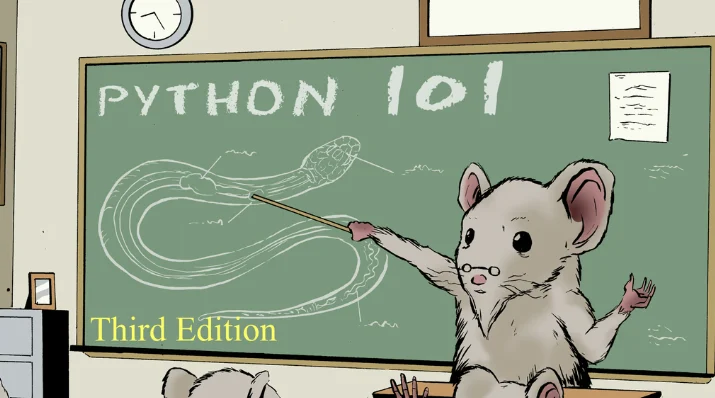
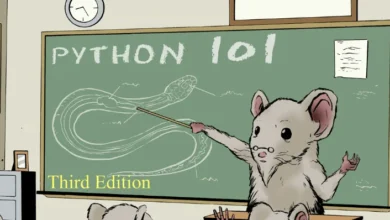
Michael Driscoll, a recognized figure in the Python community, has launched a crowdfunding campaign on Kickstarter for the third edition of his highly regarded beginner-focused programming book, "Python 101." This initiative aims to secure funding for the comprehensive revision, editing, production, and publication of the updated guide, designed to reflect Python’s significant evolution and cater to a new wave of aspiring programmers. The campaign seeks to ensure the book remains an approachable, practical, and enjoyable resource for individuals new to coding, students, and professionals looking to acquire Python skills for various applications.
The announcement marks a significant step in the ongoing development of a resource that has, for years, served as a crucial entry point into the world of programming for countless individuals. "Python 101" has established a reputation for its clarity and effectiveness in demystifying complex programming concepts. The decision to pursue a third edition stems directly from the dynamic nature of the Python programming language itself, which has seen substantial advancements, including new language features, refined best practices, and an expanding ecosystem of tools and libraries.
The Imperative for a Third Edition
Python’s trajectory over the past several years has been one of continuous innovation and widespread adoption across diverse industries. This rapid evolution necessitates a corresponding update to foundational learning materials to ensure their continued relevance and accuracy. The previous editions of "Python 101" have been instrumental in guiding beginners, but the landscape of Python development has shifted considerably. New language constructs, updated standard library modules, and a greater emphasis on modern development paradigms require a thorough overhaul of the existing content.
The forthcoming third edition is slated to incorporate these advancements, promising a comprehensive update that goes beyond mere revisions. While specific details regarding the new content are yet to be fully disclosed, the objective is to create the most effective and up-to-date beginner-focused version of "Python 101" to date. This includes addressing changes in Python syntax, recommended coding styles, and the introduction of features that have become integral to contemporary Python development. The goal is not just to patch existing material but to reimagine the learning experience for a new generation of programmers.
Target Audience and Accessibility
"Python 101" has consistently been designed with accessibility as a core principle. The third edition will continue this tradition, targeting a broad spectrum of learners. This includes:
- Complete Beginners: Individuals with no prior exposure to programming concepts will find a gentle and systematic introduction to the fundamentals of coding.
- Students: Academic learners seeking to acquire practical programming skills for coursework or future career paths will benefit from a structured and comprehensive curriculum.
- Professionals: Those looking to enhance their skill sets for career advancement or to leverage Python in their current roles will find practical applications and relevant examples.
- Hobbyists and Project Enthusiasts: Individuals interested in personal projects, automation, or exploring the creative possibilities of programming will discover a clear roadmap to getting started.
Crucially, the book is engineered to require no prerequisite programming knowledge, ensuring that anyone with an interest in learning Python can embark on their coding journey with confidence. The emphasis is on building a strong conceptual foundation and practical proficiency from the ground up.
The Role of Crowdfunding on Kickstarter
The choice of Kickstarter as a platform for funding the third edition of "Python 101" reflects a growing trend in the publishing and creative industries. Crowdfunding offers a direct avenue for creators to connect with their audience and for that audience to actively participate in and support the development of projects they believe in. For Driscoll, this approach provides several key advantages:
- Direct Community Support: Kickstarter allows readers to become stakeholders in the book’s creation, fostering a sense of ownership and engagement. This direct financial backing helps ensure the project receives the necessary resources to achieve its highest quality potential.
- Funding for Comprehensive Development: The funds raised will be instrumental in covering the multifaceted costs associated with producing a high-quality technical book. This includes:
- Writing and Content Development: Allocating dedicated time for meticulous writing, research, and the creation of new, relevant examples and exercises.
- Professional Editing: Engaging experienced technical editors to ensure accuracy, clarity, and adherence to best practices.
- Design and Production: Investing in professional layout, typesetting, and cover design to create a visually appealing and reader-friendly book.
- Publication and Distribution: Covering the costs associated with printing, digital formatting, and the logistics of making the book available to a global audience.
- Enabling Focus and Quality: By securing funding through the campaign, Driscoll can dedicate his full attention to the creative and technical aspects of writing and refining the third edition, rather than being constrained by immediate financial pressures. This allows for a greater emphasis on producing the most robust and valuable learning resource possible.
This model democratizes the creation process, allowing the community to influence the development and ensuring that the final product meets the expectations of its intended readers.
Rewards and Community Engagement
The Kickstarter campaign offers a tiered reward structure designed to acknowledge and appreciate the support of its backers. These rewards are intended to provide added value and a deeper connection to the project. While specific rewards may vary, typical offerings in such campaigns often include:
- Digital and Physical Copies: Backers can receive early access to digital versions of the book or receive signed physical copies.
- Exclusive Content: Some pledge levels might offer bonus chapters, supplementary materials, or behind-the-scenes insights into the writing process.
- Recognition: Contributors may be acknowledged in the book’s dedication or have their names listed as supporters.
- Merchandise: Limited edition merchandise related to "Python 101" or Python programming could be offered.
Throughout the campaign and the subsequent development process, project updates will be regularly shared with backers. This transparent communication ensures that supporters are kept informed about the book’s progress, milestones achieved, and any developments that may arise. This fosters a collaborative environment where the community feels invested in the project’s journey from conception to completion.
Background and Significance of "Python 101"
The "Python 101" series has played a significant role in the broader landscape of Python education. Python’s rise as one of the world’s most popular programming languages is a testament to its versatility, readability, and extensive application in fields ranging from web development and data science to artificial intelligence and scientific computing. According to the TIOBE index, a widely referenced measure of programming language popularity, Python has consistently ranked among the top programming languages for many years, often holding the number one position. This sustained popularity underscores the continuous demand for accessible and effective learning resources.
The first edition of "Python 101" emerged during a period when Python’s adoption was accelerating, and there was a clear need for resources that could effectively onboard new users. The book’s success in its initial releases indicates that it successfully addressed this need, providing a clear, step-by-step approach that resonated with beginners. The subsequent demand for a second edition further validated its effectiveness and highlighted the ongoing need for updated materials as the language evolved.
The current effort to fund a third edition is not merely an update but an acknowledgment of Python’s mature and expanding ecosystem. Key developments in recent years include the standardization of type hinting, significant improvements in asynchronous programming capabilities with asyncio, and the continued evolution of popular libraries like NumPy, Pandas, and TensorFlow, which are central to data science and machine learning. A modern beginner’s guide must now introduce these concepts and tools, albeit in an introductory fashion, to prepare learners for contemporary Python development.
Analysis of Implications and Future Impact
The successful funding and publication of the third edition of "Python 101" will have several notable implications for the Python community and aspiring programmers:
- Lowering the Barrier to Entry: By providing an up-to-date and accessible resource, the book will continue to lower the barrier to entry for individuals looking to learn programming. This is crucial for fostering a more diverse and inclusive tech landscape.
- Equipping the Next Generation of Developers: A well-crafted beginner’s guide is fundamental in shaping the skills of future developers. An updated "Python 101" will ensure that new learners are equipped with current best practices and knowledge, enabling them to contribute effectively to the tech industry.
- Supporting the Growth of Python: The continued availability of high-quality learning materials is essential for maintaining and expanding Python’s widespread adoption. As more individuals learn Python, the language’s utility and community support will continue to grow.
- Setting a Standard for Technical Education: The book’s approach to making complex topics understandable can serve as a benchmark for other technical education resources. The emphasis on practicality and enjoyment in learning programming is a valuable model.
The campaign’s success on Kickstarter would not only ensure the creation of a valuable educational tool but also demonstrate the power of community-driven support in educational publishing. It highlights a model where authors and readers collaborate to produce resources that meet evolving needs.
Conclusion
The launch of the Kickstarter campaign for "Python 101: Third Edition" represents a significant initiative to update a cornerstone resource for aspiring programmers. By leveraging crowdfunding, Michael Driscoll aims to ensure that the book remains a leading guide for learning Python, reflecting the language’s latest advancements and adhering to contemporary best practices. The project underscores the dynamic nature of programming education and the importance of continuously evolving learning materials to meet the demands of a rapidly changing technological landscape. The support from the community will be instrumental in bringing this updated edition to fruition, empowering a new generation of Python learners.
Back the Project
Readers interested in supporting the creation of "Python 101: Third Edition" are encouraged to visit the official Kickstarter page at https://www.kickstarter.com/projects/driscollis/python-101-3rd-edition to learn more about the project and contribute.
Related posts: