Python 101: Third Edition Launches Kickstarter Campaign to Modernize Beginner Programming Education

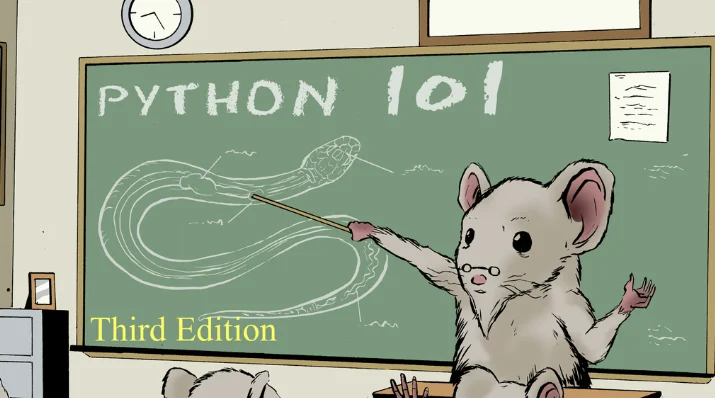
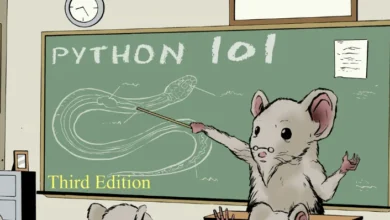
Michael Driscoll, a seasoned educator and author, has launched a Kickstarter campaign for the third edition of his highly regarded book, "Python 101." This updated iteration aims to equip a new generation of learners with the fundamental programming skills necessary to navigate the ever-evolving Python ecosystem. The campaign seeks to secure funding for the comprehensive writing, editing, production, and publication of the revised edition, building upon the success of its predecessors which have guided countless individuals into the world of coding.
The initiative underscores the dynamic nature of Python, a programming language that has seen significant advancements since the release of the second edition of "Python 101." Driscoll’s commitment to keeping his educational materials current reflects the broader trend of continuous learning required in the technology sector. The Kickstarter platform serves as a direct conduit between the author and his audience, enabling readers to actively participate in and support the creation of a high-quality, up-to-date resource.
The Evolution of Python and the Need for a New Edition
Python’s ascent as one of the world’s most popular programming languages is a testament to its versatility, readability, and extensive community support. Its applications span web development, data science, artificial intelligence, automation, and scientific computing, making it a critical skill in today’s job market. As of late 2023, the TIOBE index, a measure of programming language popularity, consistently places Python among the top three, highlighting its sustained and growing relevance.
The previous edition of "Python 101" has served as a foundational text for many, offering an accessible entry point into programming. However, the programming landscape is not static. Python itself has undergone substantial evolution with the introduction of new language features, updated syntax, and refined best practices. Furthermore, the surrounding ecosystem, including libraries, frameworks, and development tools, has seen considerable growth and change. These developments necessitate a thorough revision to ensure that "Python 101" continues to provide accurate, relevant, and practical instruction.
This third edition is not merely a minor update; it is a strategic reimagining designed to be the most effective and engaging beginner-focused Python guide to date. The goal is to consolidate recent advancements in Python and its associated technologies into a cohesive learning experience that empowers novices.
Target Audience and Learning Objectives
"Python 101" is meticulously crafted to cater to a broad spectrum of aspiring programmers. The primary audience includes:
- Complete Beginners: Individuals with no prior exposure to programming concepts or coding languages will find the book’s patient and step-by-step approach invaluable. It starts from the absolute basics, demystifying concepts that might otherwise seem daunting.
- Students: Whether pursuing computer science degrees, engaging in coding bootcamps, or seeking to supplement their academic learning, students will benefit from a resource that aligns with current educational standards and industry expectations.
- Professionals Seeking New Skills: For those looking to pivot careers, enhance their current roles with automation capabilities, or integrate Python into their existing workflows, the book offers a practical pathway to acquiring this in-demand skill.
- Hobbyists and Enthusiasts: Individuals driven by personal projects, creative endeavors, or a general curiosity about how technology works will discover a rewarding learning experience that fosters innovation and problem-solving.
A core principle of "Python 101" is its emphasis on a prerequisite of zero programming knowledge. The book is structured to build understanding progressively, assuming no prior familiarity with abstract computational thinking or syntax. This inclusive design principle aims to lower the barrier to entry for anyone interested in learning to code.
The Role of Kickstarter in Production
The decision to utilize Kickstarter for the third edition of "Python 101" is rooted in a strategic approach to resource allocation and community engagement. Crowdfunding platforms like Kickstarter have become increasingly vital for independent creators and authors, particularly in niche or educational fields, allowing them to bypass traditional publishing gatekeepers and connect directly with their intended audience.
The funding generated through this campaign will be instrumental in covering several critical aspects of the book’s development:
- Writing and Content Creation: Dedicated time and resources for the author to thoroughly research, write, and revise new content, ensuring comprehensive coverage of Python’s modern features and best practices.
- Professional Editing: Engaging experienced technical editors to refine the manuscript for clarity, accuracy, and pedagogical effectiveness. This ensures that complex concepts are explained in an understandable manner and that the text is free of errors.
- Design and Layout: Investing in professional graphic design and typesetting to create a visually appealing and easy-to-read book, enhancing the overall learning experience.
- Production and Printing: Covering the costs associated with printing, binding, and distributing the physical copies of the book.
- Digital Formats: Facilitating the creation of digital versions (e.g., e-books, audiobooks) to cater to diverse reader preferences and accessibility needs.
By securing funding through Kickstarter, Driscoll can allocate his full attention to producing the highest possible quality of "Python 101," unencumbered by the financial pressures that might otherwise compromise the project’s scope or depth. This model also fosters a sense of ownership and investment among the backers, who become integral to the book’s journey from concept to completion.
Anticipated Content and Enhancements in the Third Edition
While the specific details of every chapter are still being finalized, the third edition of "Python 101" is poised to incorporate significant updates and new content, reflecting the latest advancements in the Python language and its ecosystem. Based on industry trends and the natural progression of programming education, readers can anticipate enhancements in areas such as:
- Modern Python Syntax and Features: Coverage of new language constructs introduced in recent Python versions, such as improvements to asynchronous programming, data classes, pattern matching, and enhanced type hinting, will be a cornerstone.
- Updated Best Practices: The book will likely incorporate current industry standards for writing clean, maintainable, and efficient Python code, including principles of software design and version control.
- Expanded Library Coverage: An updated selection of essential Python libraries for common tasks in areas like data manipulation (e.g., Pandas), web development (e.g., Flask or FastAPI), and scientific computing (e.g., NumPy) may be included or expanded upon.
- Enhanced Introduction to Data Science and AI Concepts: Given Python’s dominance in these fields, the book might introduce foundational concepts and tools relevant to data analysis, machine learning, and artificial intelligence at a beginner level.
- Improved Debugging and Testing Strategies: Practical guidance on effective debugging techniques and an introduction to unit testing will equip learners with essential skills for building robust applications.
- Modern Development Environments: An overview of current Integrated Development Environments (IDEs) and code editors, along with best practices for setting up a Python development environment, will be crucial for practical application.
The overarching aim is to create a learning resource that not only teaches the syntax of Python but also cultivates a problem-solving mindset and an understanding of how to apply programming skills in real-world scenarios.
Timeline and Project Milestones
The Kickstarter campaign, which officially launched on [Insert Launch Date if available, otherwise state "recently"], is set to run for a defined period, typically 30 days, concluding on [Insert End Date if available, otherwise state "a date in the near future"]. This structured timeline allows potential backers to assess the project and make their contributions.
Following the successful conclusion of the Kickstarter campaign, the project will enter its production phase. While specific timelines can vary, a typical progression would involve:
- Post-Campaign Funding and Surveys: Immediately after the campaign ends, funds are collected, and backer surveys are sent out to gather necessary information for reward fulfillment (e.g., shipping addresses, choice of rewards).
- Writing and Editing: The author will dedicate the subsequent months to finalizing the manuscript, incorporating any final feedback and ensuring comprehensive coverage. Professional editing will commence concurrently or shortly thereafter.
- Design and Layout: Once the manuscript is near completion, the book’s interior design and cover art will be developed.
- Production and Printing: After all editorial and design work is finalized, the book will be sent to the printer. This stage includes proofreading the final proofs before mass printing.
- Shipping and Distribution: Once printed, books will be shipped to backers according to their pledged reward levels. Digital rewards will typically be delivered around the same time or slightly before physical copies.
Project updates will be regularly shared with backers throughout this entire process, offering transparency and allowing supporters to track the book’s progress from inception to delivery. This communication strategy is a hallmark of successful crowdfunding campaigns, fostering a strong connection between the creator and their community.
Rewards and Community Engagement
The Kickstarter campaign offers a tiered reward structure, designed to provide tangible benefits to backers at various contribution levels. These rewards are intended to express gratitude for the community’s support and to offer exclusive opportunities related to the book and its creation. While specific rewards may evolve, common offerings in such campaigns include:
- Digital Copies of the Book: Access to the e-book version of "Python 101," often delivered before or concurrently with physical copies.
- Physical Copies of the Book: Standard or special edition hardcover and paperback versions of the third edition.
- Early Access: Some tiers might grant early access to chapters or drafts as they are completed.
- Exclusive Content: Potential for bonus materials, such as extended tutorials, code examples, or Q&A sessions with the author.
- Personalized Recognition: Inclusion in a "special thanks" section of the book for higher-tier pledges.
- Merchandise: Branded items like t-shirts, stickers, or notebooks related to "Python 101."
Beyond tangible rewards, the campaign itself fosters a sense of community. Backers are not just consumers; they are active participants in the creation of an educational resource. Their financial support, feedback, and enthusiasm contribute directly to the project’s success. The author’s commitment to sharing project updates further strengthens this bond, creating a collaborative environment where progress is celebrated collectively.
Broader Implications for Beginner Programming Education
The success of initiatives like the "Python 101" third edition Kickstarter campaign has broader implications for the field of beginner programming education. In an era where digital literacy is increasingly crucial, accessible and high-quality learning materials are paramount. The direct-to-consumer model facilitated by crowdfunding democratizes access to education, allowing specialized content to reach its intended audience without the constraints of traditional publishing models.
Moreover, the emphasis on updating core educational texts reflects the rapid pace of technological advancement. As Python continues to expand its influence across industries, the demand for up-to-date instructional resources will only grow. Books like "Python 101" serve as vital on-ramps, enabling individuals from diverse backgrounds to acquire the skills needed to participate in the digital economy and contribute to technological innovation. The iterative nature of this process, with new editions addressing evolving languages and tools, ensures that beginner education remains relevant and effective.
Michael Driscoll’s endeavor highlights the ongoing need for well-crafted, practical, and engaging resources that can empower individuals to learn programming. By leveraging the power of community support, the third edition of "Python 101" is poised to continue its legacy as a cornerstone for aspiring Python developers.
Conclusion
The launch of the Kickstarter campaign for "Python 101" signifies a renewed commitment to providing an exceptional learning experience for new programmers. Michael Driscoll’s dedication to updating this foundational text reflects the dynamic nature of the Python language and its ever-expanding role in technology. Through community support, the third edition aims to deliver a comprehensive, practical, and enjoyable introduction to Python, empowering a new generation of coders to build their skills and pursue their ambitions in the digital world. Backers are invited to join this exciting venture and contribute to the creation of a definitive resource for Python beginners.
Related posts: