October Desktop Wallpaper Collection: A Global Artistic Tribute to Autumn and Halloween

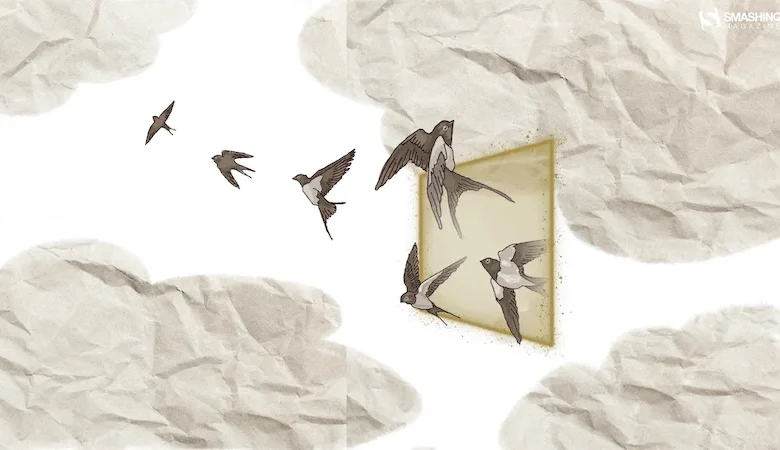
October marks a significant transition in the northern hemisphere, characterized by a sharp decline in temperatures, the vivid senescence of foliage, and the cultural anticipation of Halloween. For over fifteen years, the digital design community has observed this seasonal shift through a recurring initiative hosted by Smashing Magazine: the release of curated, artist-led desktop wallpapers. This month, the collection features contributions from international creators, offering a visual synthesis of seasonal aesthetics and technological creativity.
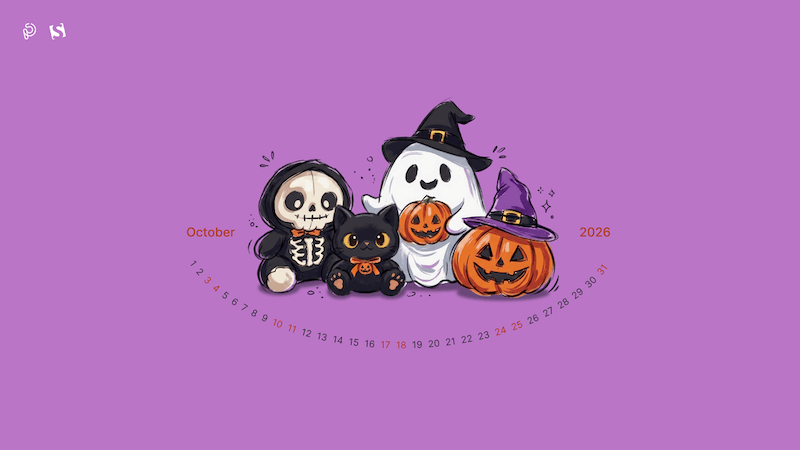
The tradition serves as more than a mere aesthetic update for computer users; it functions as a decentralized gallery that documents the evolution of digital illustration and graphic design. By inviting designers from diverse geographic regions—ranging from Serbia and Spain to Belgium and Taiwan—the project highlights how local environmental cues and cultural perceptions of autumn influence contemporary design language.
Historical Context and Evolution of the Project
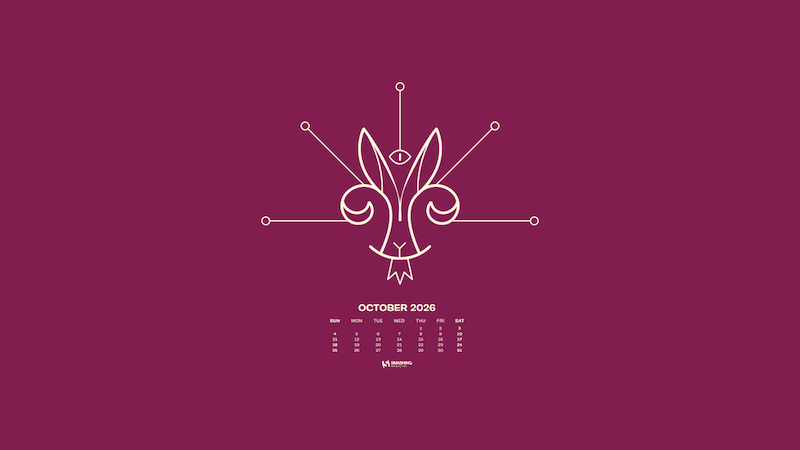
The practice of digital customization through desktop wallpapers dates back to the early 2000s, coinciding with the proliferation of high-resolution monitors and the rise of personal computing as a primary workspace. When the initiative began in 2009, the focus was primarily on functional art that could accommodate various screen aspect ratios. Over the past decade and a half, the scope has expanded to incorporate narrative-driven themes, complex vector art, and atmospheric compositions that reflect the psychological nuances of the transition into the colder months.
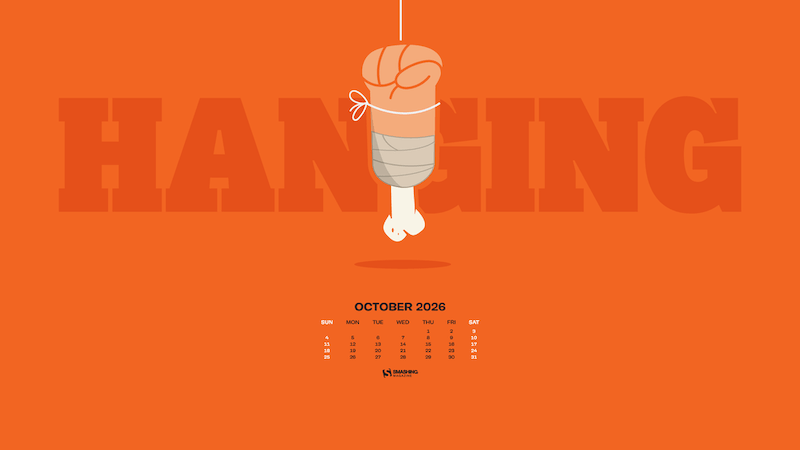
The curation process involves a monthly call for submissions, fostering a community-driven ecosystem. This model allows emerging artists to gain exposure while providing seasoned professionals a platform to experiment with seasonal motifs. According to the publication’s internal metrics, these articles consistently see high engagement, suggesting that the digital workspace remains a vital site for personal expression in an era dominated by mobile-first interfaces.
Thematic Analysis of the October Collection
The October 2026 collection displays a distinct preoccupation with the "liminal" nature of the month. Design motifs often oscillate between the vibrant, high-contrast imagery of autumn—characterized by warm ochres, deep oranges, and crimsons—and the darker, more melancholic themes associated with the approach of winter.
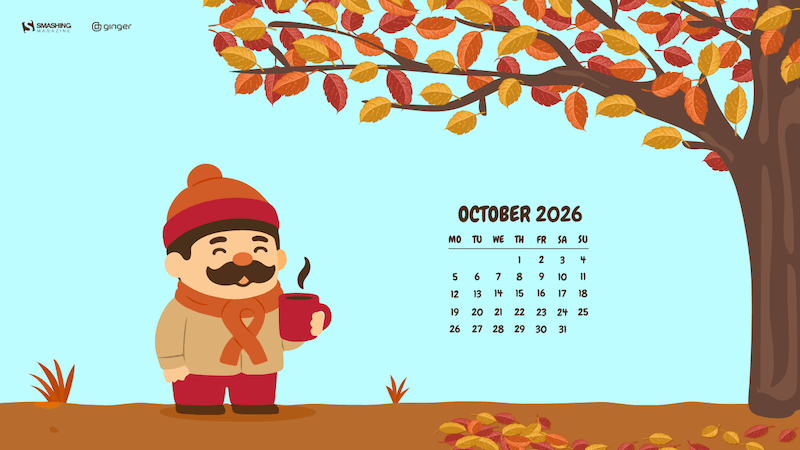
Several notable contributions illustrate this duality:

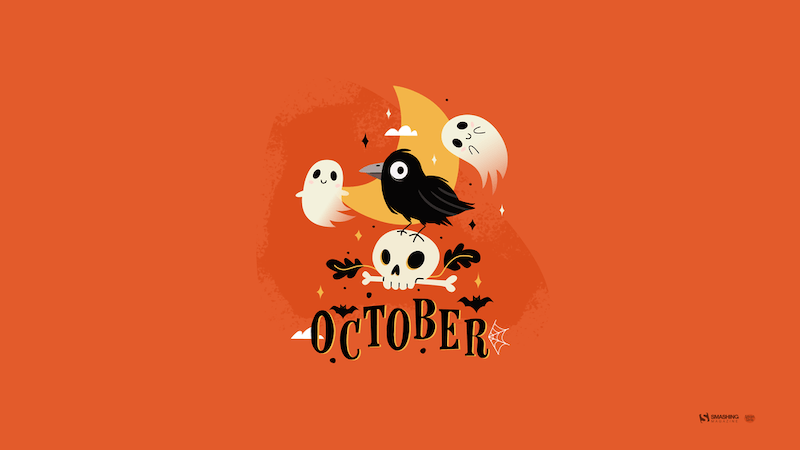
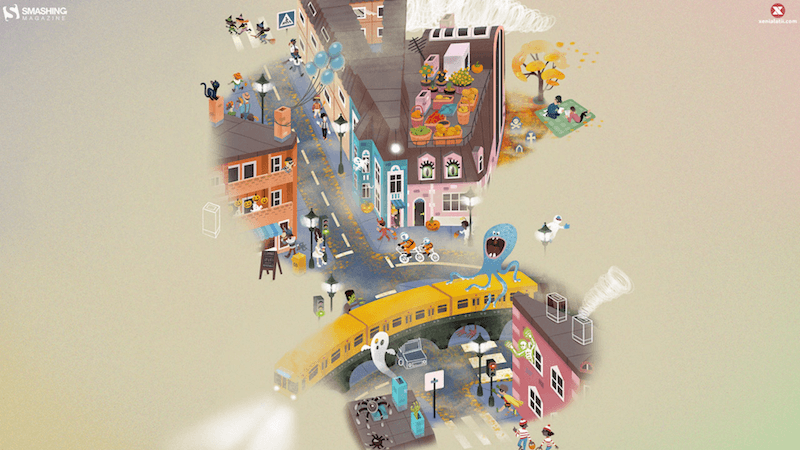
- Cultural Festivity: "A Night Of Universal Magic And Joy," designed by PopArt Studio, emphasizes the globalization of Halloween. The narrative accompanying the piece notes the shift from local traditions to a cross-continental phenomenon, serving as a social commentary on how shared rituals foster community cohesion.
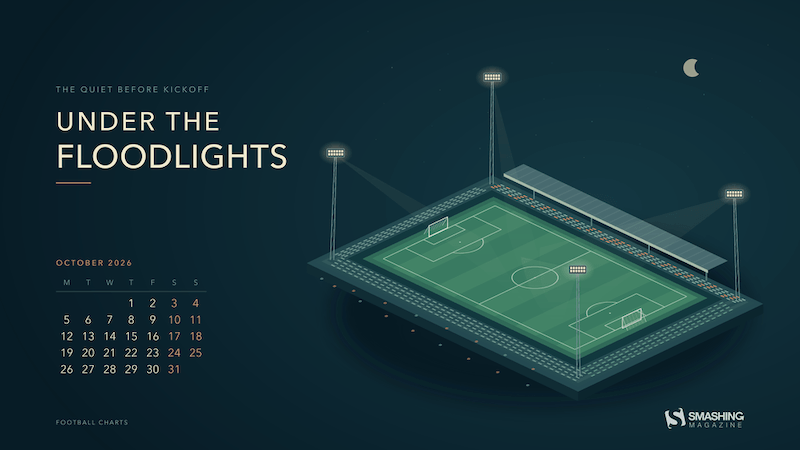
- Atmospheric Minimalism: Works such as "Under The Floodlights" by Football Charts and "Transitions" by Jelle Denturck utilize geometric abstraction to convey the quietude of the season. These pieces prioritize "negative space," a design choice that reflects the practical necessity of a clear, uncluttered desktop environment for professional tasks.
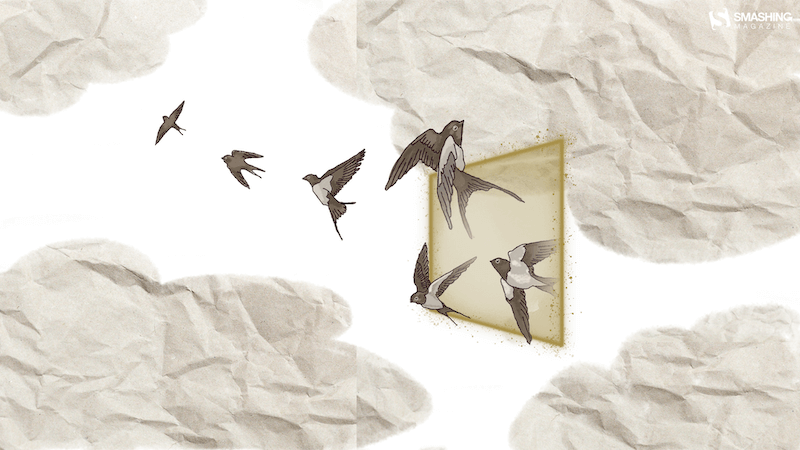
- Nostalgia and Nature: Contributions from Eline Claeys and Gwen Bogaert evoke personal memory, using the migration of birds and the coastal experience of "uitwaaien"—a Dutch term for walking in the wind to clear one’s head—as thematic anchors. These works suggest that the digital interface is being utilized as a space to anchor the user in natural, tangible experiences.
Data and Trends in Digital Workspace Customization
Psychological studies on workspace personalization indicate that individuals who exercise control over their immediate environment—both physical and digital—report higher levels of job satisfaction and creative output. By curating a digital environment with themes of comfort, nature, or intellectual stimulation, users can mitigate the stress associated with the increasing "always-on" nature of modern office work.
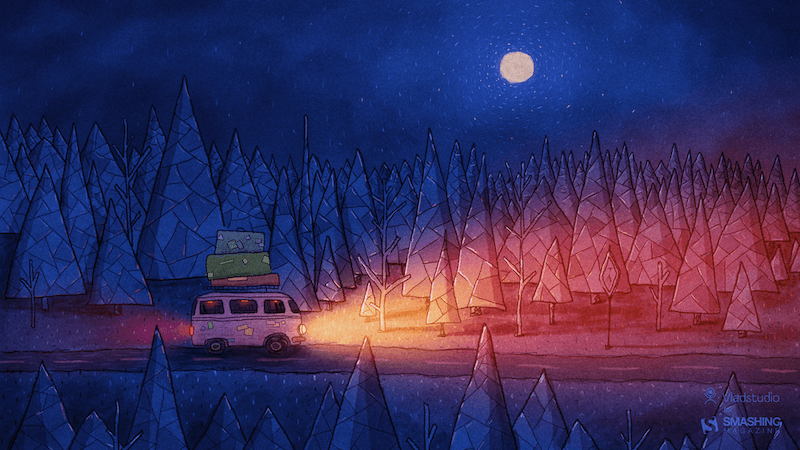
The inclusion of "cozy" themes, such as "Tea And Cookies" by Miruna Sfia, aligns with the broader "hygge" trend that has gained global popularity as a coping mechanism for the darker, colder months. Data from design trend analysts suggest that during the fourth quarter of the calendar year, there is a measurable increase in search queries related to "cozy," "minimalist," and "autumnal" aesthetic assets. The current collection directly addresses this demand by providing high-fidelity, resolution-optimized files for a wide range of devices.
The Role of Global Collaboration
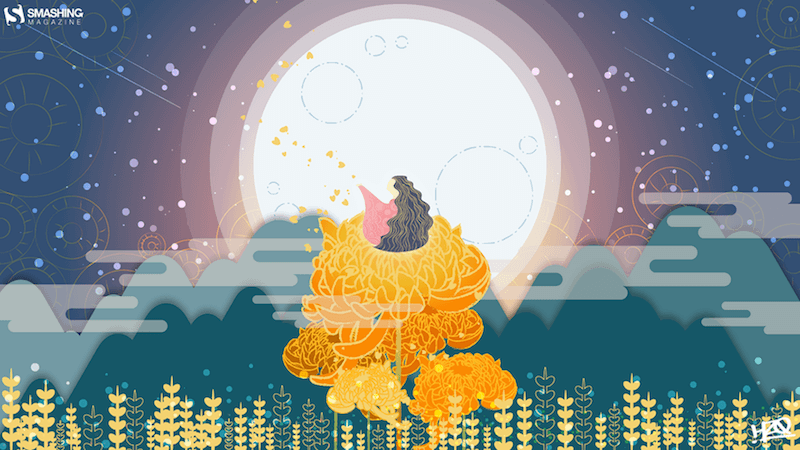
The international nature of the submissions provides an ethnographic snapshot of how different regions experience October. For instance, the design "Hanlu," contributed by Hong, ZI-Qing, introduces the concept of "Cold Dew"—a term from the traditional East Asian lunisolar calendar that marks the arrival of colder temperatures and the blooming of chrysanthemums. This inclusion broadens the scope of the project beyond Western-centric Halloween tropes, acknowledging that "autumn" is a global experience defined by varying cultural markers.
The project acts as a bridge between professional designers and the end-user. By providing these assets for free, the platform reinforces an open-source ethos that has been central to the growth of the web development and design industries. The ability for creators to be "featured" in these monthly distributions creates a cyclical incentive structure, ensuring a continuous influx of high-quality content.
Implications for Future Digital Design
The persistent popularity of these curated collections suggests that even as desktop operating systems become more streamlined and automated, the human desire for "digital nesting" remains intact. As artificial intelligence begins to play a larger role in image generation, the human-centric approach of this initiative—which emphasizes individual narrative, personal memory, and specific cultural contexts—becomes increasingly valuable.
The project coordinators have confirmed that the upcoming November edition will open for submissions on October 31. This timeline allows for a seamless transition from the harvest-focused aesthetics of October to the more contemplative, end-of-year themes that dominate the final two months of the calendar.
Summary of Contributing Artists and Regional Perspectives
The following list provides a snapshot of the creative diversity represented in the current collection:
- Serbia: Multiple contributors, including PopArt Studio, Football Charts, and Ginger IT Solutions, provided work that bridges the gap between commercial graphic design and emotional storytelling.
- Spain: Ricardo Gimenes and Verónica Valenzuela contributed a variety of styles, from pop-culture references to abstract explorations of space and the universe.
- Belgium: The region is strongly represented by artists like Eline Claeys and Gwen Bogaert, whose work focuses on the intersection of nature, childhood memory, and seasonal transition.
- Hungary, Poland, Taiwan, and the United States: This cross-section of designers ensures that the collection remains a truly international endeavor, reflecting a wide array of visual techniques ranging from vector illustration to digital photography and mixed-media collage.
Final Observations
The desktop wallpaper initiative represents a successful marriage of functionality and artistic endeavor. It provides users with a free, high-quality resource while simultaneously supporting a global network of designers. By synthesizing seasonal trends with personal narratives, the project manages to capture the fleeting, transitional beauty of October, documenting it in a format that endures long after the leaves have fallen. As the digital landscape continues to evolve, initiatives that foster community, celebrate cultural diversity, and prioritize human-centric design will remain essential to maintaining a vibrant and creative online ecosystem. The continued success of these collections over the past 15 years serves as a testament to the enduring importance of aesthetics in the digital age.
Related posts: