Neo4j Launches Hosted Model Context Protocol for Aura to Streamline AI-to-Graph Database Integration

Neo4j, the global leader in graph database technology, has officially announced the launch of Model Context Protocol (MCP) for Aura, a fully managed service designed to eliminate the operational hurdles of connecting artificial intelligence applications to graph data. This new integration, available immediately across Free, Professional, and Business Critical tiers of Neo4j Aura, represents a significant shift in how developers deploy AI agents by removing the "setup tax" typically associated with infrastructure maintenance and credential management. As the industry moves toward more sophisticated agentic workflows, the ability to provide AI models with direct, secure, and managed access to structured knowledge graphs has become a critical requirement for enterprise-grade production environments.
The Model Context Protocol, an open standard originally introduced to facilitate communication between AI applications and external data sources, has seen rapid adoption among developers using tools like Anthropic’s Claude Desktop and the Cursor code editor. However, until now, implementing MCP often required developers to host their own intermediary servers, manage local binaries, and navigate complex security protocols. By hosting the MCP server directly within the Aura environment, Neo4j has effectively internalized these responsibilities, allowing users to connect AI clients to their databases without installing additional software or seeking new security approvals for third-party infrastructure.
Addressing the Operational Challenges of AI-to-Graph Connectivity
The primary motivation behind MCP for Aura is the reduction of friction in the development lifecycle. In traditional setups, connecting an AI client to a database involves a series of repetitive administrative tasks. Developers must typically install a package or binary, manually edit JSON configuration files, generate and store sensitive credentials, and ensure the server remains online and patched. This operational weight often creates a bottleneck, particularly in large organizations where security teams must vet every new piece of infrastructure. For Neo4j customers already utilizing Aura, the data and authentication mechanisms are already in place, making the requirement for an external, self-hosted MCP server redundant.
Neo4j’s internal research and feedback from its developer community highlighted several recurring pain points that hindered the transition from AI proof-of-concepts to production-ready applications. Developers frequently questioned where to host the MCP server, how to securely manage credentials for an AI agent, and how to maintain the server’s uptime for mission-critical queries. MCP for Aura is engineered to address these concerns by providing a native, "zero-install" solution that leverages the existing security and scalability of the Aura platform.
The Evolution of MCP and Neo4j’s Strategic Roadmap
The introduction of MCP for Aura is the latest milestone in a broader chronology of Neo4j’s commitment to open standards in AI. Over the past year, the company has released several community-driven MCP servers and an official local MCP server. These tools allowed early adopters to experiment with AI-driven graph exploration by pointing local installations at their databases. However, the shift to a hosted model marks a transition from experimental tooling to enterprise-ready infrastructure.
The timeline of this development coincides with the industry’s growing interest in Graph Retrieval-Augmented Generation (GraphRAG). While standard RAG relies on vector databases to provide context to Large Language Models (LLMs), GraphRAG utilizes the structured relationships within a graph to provide deeper, more accurate context. By making the connection between the LLM and the graph database seamless through MCP, Neo4j is positioning itself at the center of the next generation of AI architecture. The company has also confirmed that support for Virtual Dedicated Cloud (VDC) environments is forthcoming, ensuring that even the most security-conscious enterprise clients can eventually utilize these features.
Technical Specifications and Tooling
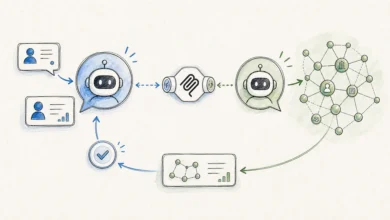
MCP for Aura functions as a bridge between the AI host—such as a desktop application or an IDE—and the Neo4j database. On the client side, the connection remains standardized, but on the server side, Neo4j manages the entire lifecycle. The authentication process is handled through the Aura Console using a human-in-the-loop OAuth redirect. This ensures that the AI client only gains access after the user has authenticated with their existing Aura credentials, maintaining a high security posture without the need for static API keys.
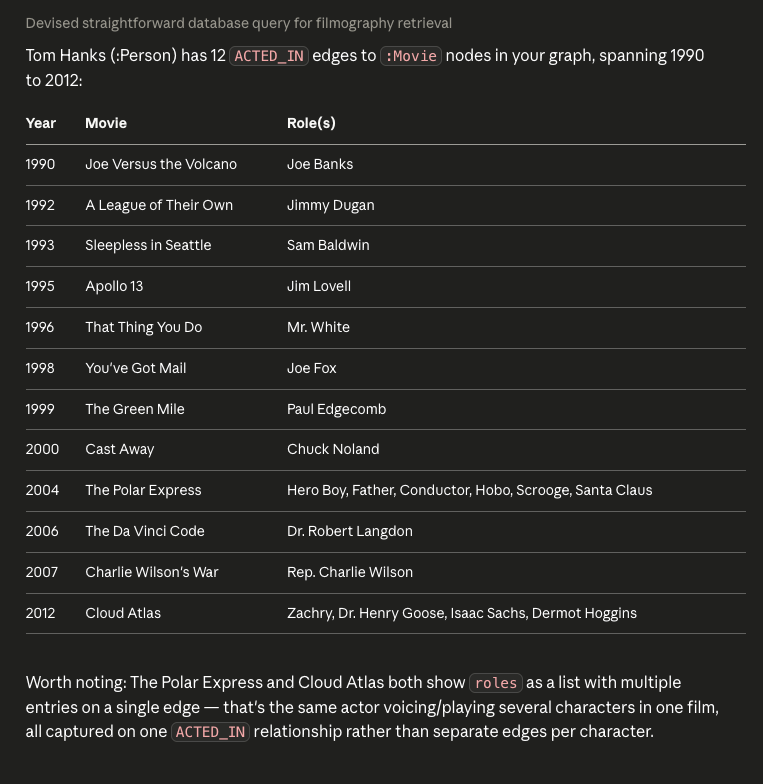
Once the connection is established, the MCP server exposes three primary tools to the AI client:
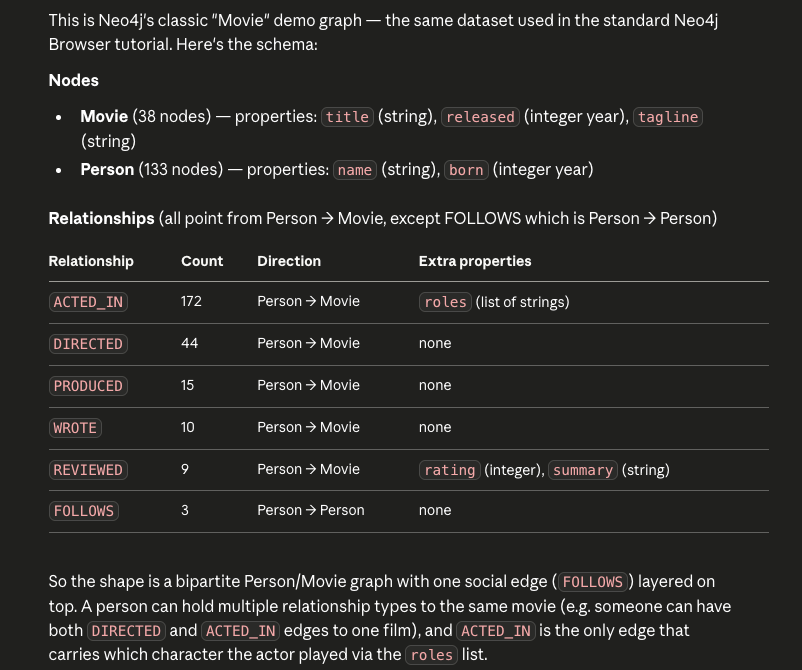
- Schema Exploration: This tool allows the AI to programmatically discover the structure of the graph, including node labels, relationship types, and properties. By understanding the schema first, the AI can generate more accurate queries without requiring the user to provide extensive background context.
- Read Queries: This tool enables the AI to execute Cypher queries—the standard query language for Neo4j—to retrieve information. The AI can use the results to answer complex questions or perform data analysis.
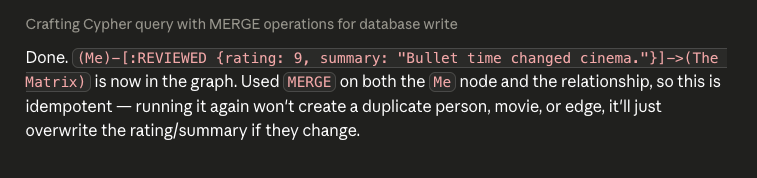
- Read-Write Access: For applications requiring data modification, this tool allows the AI to create or update nodes and relationships. To ensure safety, Neo4j has built-in mechanisms where the AI typically confirms the intended action with the user before execution.
These tools are designed to work together to ground the AI’s responses in real-time data. Rather than relying on the model’s internal training data, which may be outdated or prone to hallucinations, the AI uses the schema tool to understand the database and the read tool to fetch factual evidence.
Implementation and User Experience: The Claude Desktop Case Study
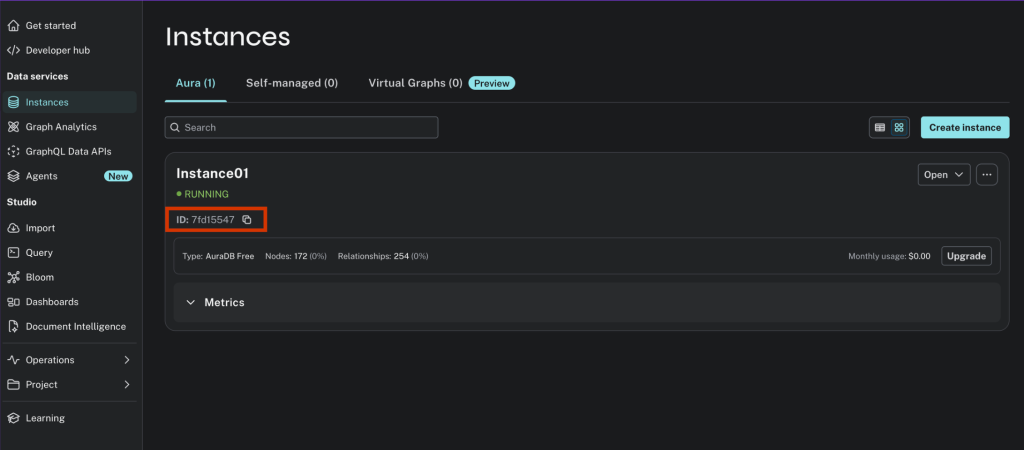
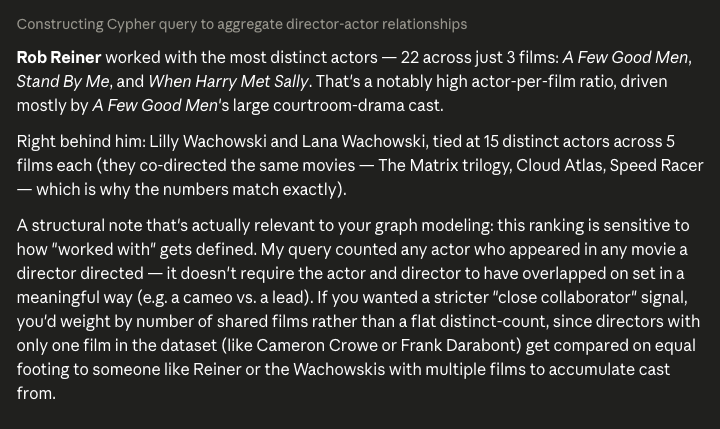
To illustrate the practical application of MCP for Aura, Neo4j has provided a workflow for connecting the service to Claude Desktop. The process involves a simple modification to the claude_desktop_config.json file, adding a server entry that points to the specific Aura instance ID. Because the server is hosted by Neo4j, the "command" field in the configuration simply invokes npx mcp-remote to establish the link.
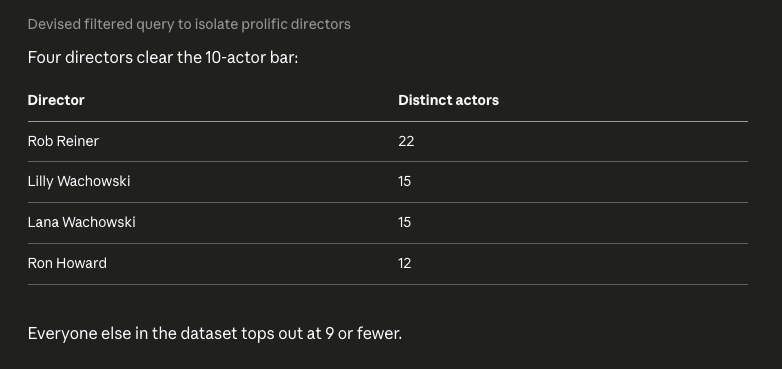
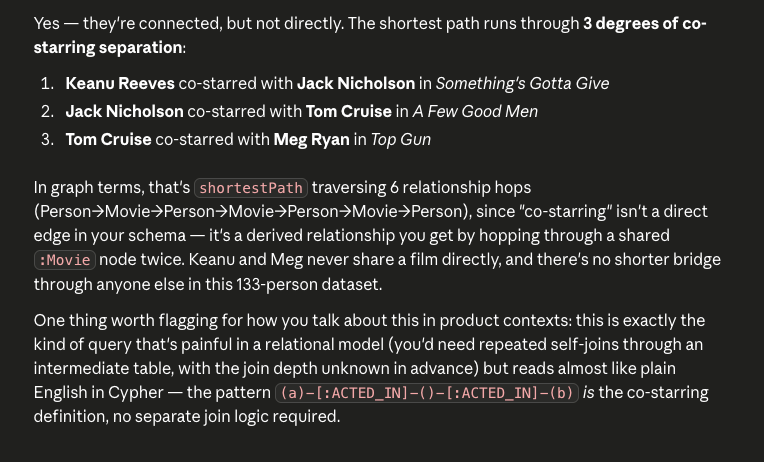
In a demonstration involving a "movie graph" dataset—a common benchmark containing actors, directors, and film relationships—the integration showcases the power of graph-based reasoning. For example, an AI agent can answer complex traversal questions such as finding the shortest path between two actors through their co-starring roles. In a traditional relational database, such a query would require multiple complex joins; in a graph database, it is a native operation. By using MCP, the AI can execute these traversals and even render the results as network diagrams, providing users with a visual understanding of data clusters and bridges that would be impossible to discern from a standard table of rows.
Security, Governance, and Future Capabilities
Security remains a paramount concern for enterprise AI deployment. Neo4j has addressed this by ensuring that MCP for Aura respects the existing roles and permissions defined within the Aura environment. The use of OAuth redirects ensures that session-based authentication is the standard, reducing the risk associated with long-lived credentials. Furthermore, Neo4j has announced plans to introduce granular tool scoping. This future update will allow administrators to choose exactly which tools are exposed to which AI clients on a graph-by-graph basis, providing a layer of governance that prevents AI agents from accessing or modifying sensitive data unintentionally.
Beyond basic query capabilities, Neo4j is working to integrate support for Graph Data Science (GDS) into the MCP server. This will allow AI agents to invoke advanced algorithms—such as PageRank, community detection, or similarity scores—directly through the MCP interface. This expansion will move the AI from being a simple data retriever to a sophisticated analytical partner capable of uncovering hidden patterns in large datasets.
Broader Impact on the AI Ecosystem
The launch of MCP for Aura is expected to have a significant impact on the broader AI ecosystem by lowering the barrier to entry for GraphRAG. As LLMs become more powerful, the limitation of their performance is often the quality and structure of the data they can access. Knowledge graphs provide a "source of truth" that can ground these models, and by making that data easily accessible through an open protocol, Neo4j is facilitating a more reliable form of AI.
Industry analysts suggest that the move toward hosted protocols reflects a maturing market where ease of use and security are becoming as important as raw performance. By eliminating the infrastructure management associated with MCP, Neo4j is allowing developers to focus on building features rather than maintaining plumbing. This is particularly relevant for small to medium-sized enterprises that may not have the DevOps resources to manage custom AI middleware but still wish to leverage their data for competitive advantage.
Conclusion and Strategic Outlook
As Neo4j continues to evolve its Aura platform, the integration of MCP represents a strategic bet on the future of agentic AI. By providing a hosted, secure, and standardized way for AI models to interact with graph data, Neo4j is addressing the most significant hurdles to production-scale AI deployment. The service not only simplifies the developer experience but also enhances the accuracy and reliability of AI outputs through grounding and real-time data access.
With Virtual Dedicated Cloud support on the horizon and the integration of Graph Data Science in development, Neo4j is positioning Aura as a foundational component of the modern AI stack. For organizations looking to move beyond simple chatbots and toward autonomous agents that can truly understand and navigate complex data relationships, MCP for Aura provides the necessary bridge to turn that vision into a functional reality. The era of the "setup tax" for AI-to-graph connectivity is effectively ending, giving way to a more streamlined, secure, and powerful era of data-driven intelligence.
Related posts: