What’s New in Neo4j Graph Intelligence for Microsoft Fabric: Bridging Graph Analytics and Enterprise Data Ecosystems

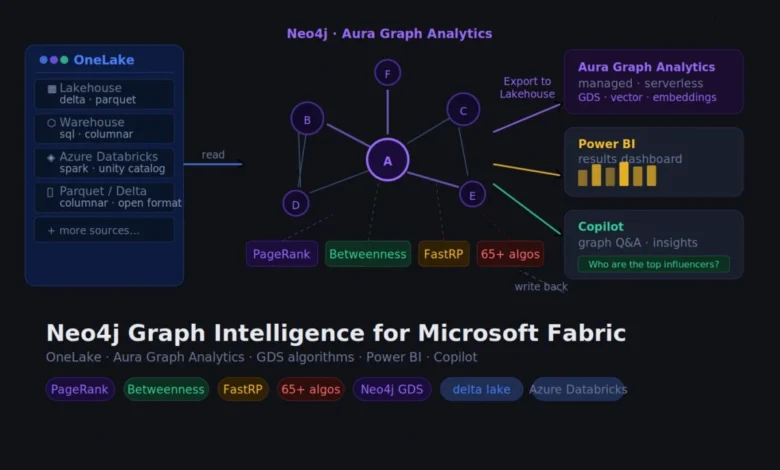
The integration of graph database technology into unified data platforms has reached a significant milestone with the latest series of updates to Neo4j Graph Intelligence for Microsoft Fabric. Since the general availability of the service was first established in October 2025, Neo4j has introduced a suite of features designed to tighten the end-to-end graph analytics workflow, ensuring that data-driven insights are more accessible to enterprise teams. These developments represent a pivotal shift in how organizations leverage relationship-based data, moving beyond siloed analysis toward a fully integrated experience within the Microsoft Fabric ecosystem. By bridging the gap between graph-based discovery and downstream applications like Power BI and Microsoft Copilot, these updates aim to democratize complex data science and enhance the accuracy of generative AI (GenAI) implementations.
The Evolution of Graph Integration in Microsoft Fabric
The partnership between Neo4j and Microsoft was founded on the necessity of managing increasingly complex and interconnected datasets. Traditional relational databases, while effective for structured, tabular data, often struggle to map the intricate webs of relationships found in supply chains, financial networks, and social interactions. Neo4j Graph Intelligence was introduced to Microsoft Fabric to provide a native graph analytics experience that allows users to explore these relationships without the need for extensive data movement or complex ETL (Extract, Transform, Load) processes.
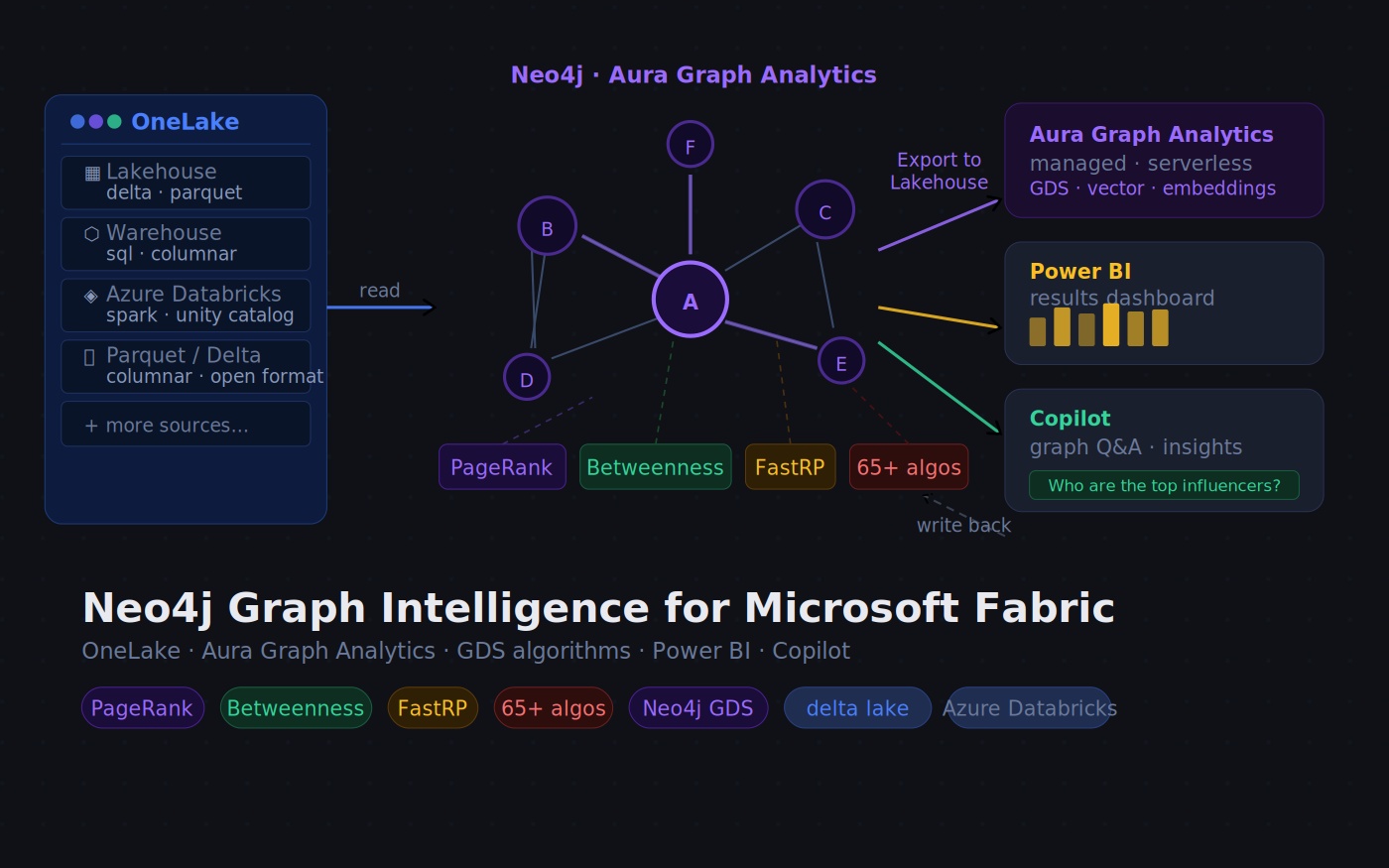
Microsoft Fabric serves as an all-in-one analytics solution for enterprises, covering everything from data movement to data science, Real-Time Analytics, and business intelligence. By embedding Neo4j’s graph capabilities directly into this environment, organizations can now perform sophisticated link analysis and pattern matching alongside their existing data warehousing and lakehouse operations. The latest updates focus on "closing the loop"—ensuring that once a graph analysis is performed, the resulting insights can be fed back into the central repository to drive immediate business value.
Export to Lakehouse: Closing the Analytical Loop
The most significant development in the recent update cycle is the introduction of the "Export to Lakehouse" feature. Previously, graph analysis often functioned as a destination; users would import data into a graph, run algorithms, and visualize the results within the Neo4j interface. While valuable, this created a hurdle for teams wanting to use those insights in other Fabric tools.
The new Export functionality allows users to sync the results of graph analysis back into OneLake tables. Whether a data scientist runs a PageRank algorithm to identify influential nodes, Betweenness Centrality to find supply chain bottlenecks, or Louvain modularity to detect fraudulent communities, these metrics can now be written back to the source tables or used to create entirely new result tables.
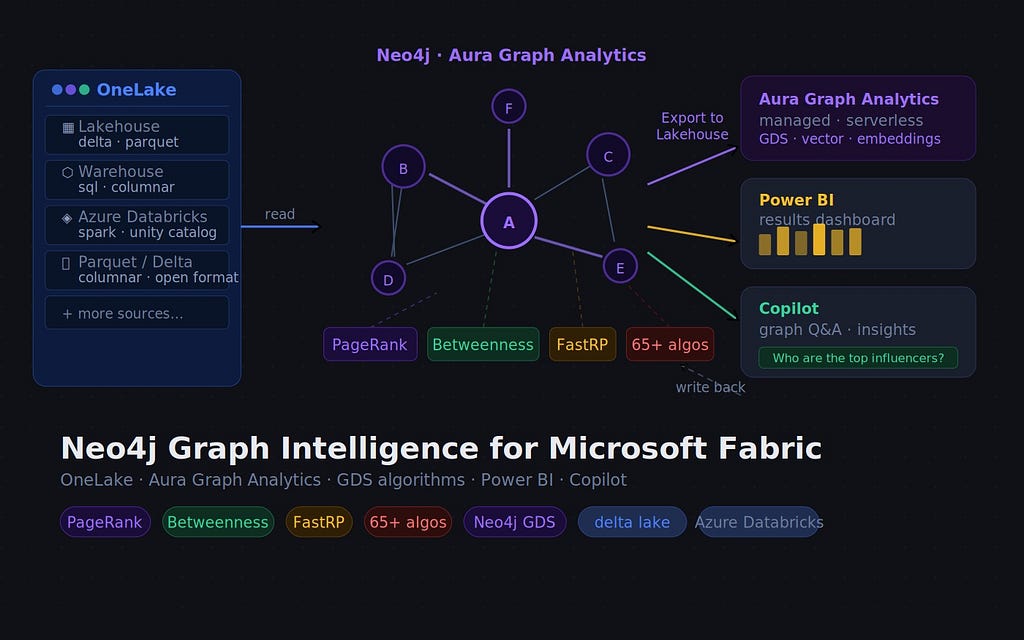
This synchronization is critical for enterprise workflows. When graph-derived properties—such as a "risk score" or a "customer influence rating"—land back in the Lakehouse, they become accessible to the entire Fabric suite. This means a business analyst can pull these scores into a Power BI dashboard to visualize risk across different regions, or a developer can use them to trigger automated workflows in real-time.
Enhancing AI with Microsoft Copilot and Data Agents
A primary beneficiary of the "Export to Lakehouse" feature is Microsoft Copilot. As organizations increasingly adopt generative AI, the quality of the AI’s output remains heavily dependent on the context it is provided. Graph data provides a unique layer of context—the "hidden" connections between data points—that traditional tables often miss.
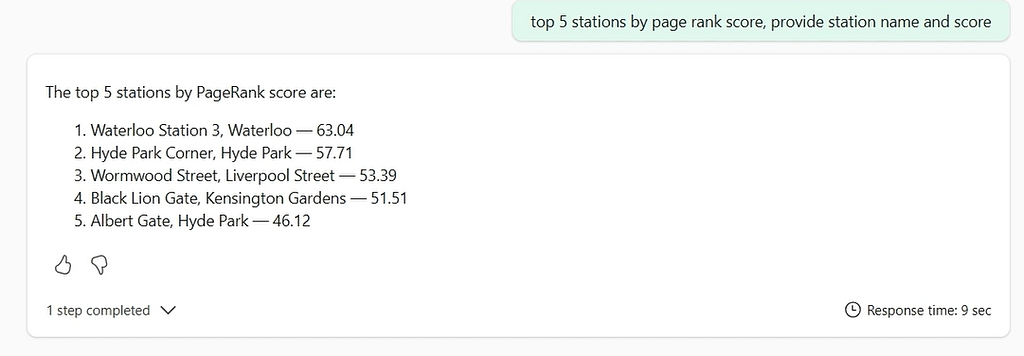
By exporting graph results back to OneLake, these insights can be queried via natural language through Microsoft Copilot and Data Agents. For example, a procurement officer could ask Copilot, "Which suppliers are most critical to our production line?" In a standard relational setup, the AI might only look at volume. However, with graph-enriched data (such as Betweenness Centrality scores exported from Neo4j), the AI can identify a supplier that, while small in volume, acts as a sole-source bridge between multiple critical components. This synergy between graph intelligence and LLMs (Large Language Models) reduces "hallucinations" and provides more grounded, fact-based answers to complex business queries.
Chronology of Development and Availability
The roadmap for Neo4j Graph Intelligence for Microsoft Fabric has moved rapidly since its inception. The following timeline outlines the key milestones in the platform’s evolution:
- Early 2024: Initial partnership announcement between Neo4j and Microsoft to bring graph capabilities to the Fabric ecosystem.
- Late 2024: Public Preview period, allowing early adopters to test basic graph exploration and Cypher query capabilities.
- October 2025: General Availability (GA) of Neo4j Graph Intelligence for Microsoft Fabric, introducing the core analytics surfaces: Explore, Query, and Notebooks.
- Late 2025 – Early 2026: Rollout of the "Export to Lakehouse" feature, Business Critical tier support, and the ability to connect existing AuraDB instances.
- Present: Implementation of user experience refinements, including Preview mode for large data loads and "Query" as the default landing view.
Enterprise Scaling: Business Critical Tier and AuraDB Connectivity
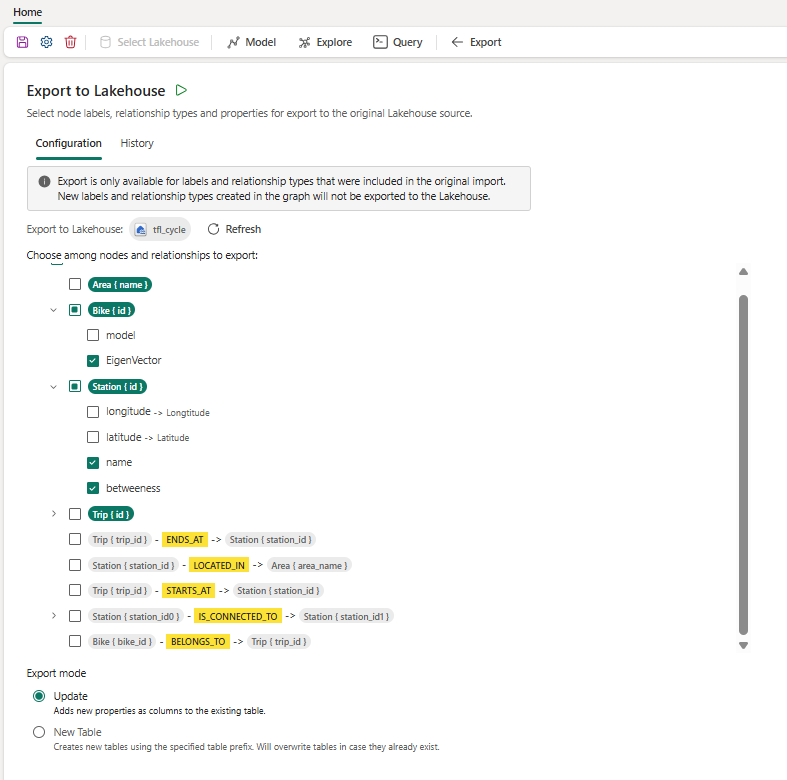
To accommodate the needs of large-scale enterprises, Neo4j has expanded the infrastructure options available within the Fabric environment. Users can now create Graph Datasets backed by the AuraDB Business Critical tier. This tier is designed for high-stakes applications, offering larger dataset support, enhanced security features, and higher Service Level Agreements (SLAs) for uptime and performance. This is particularly relevant for sectors such as banking and healthcare, where data volume and reliability are non-negotiable.
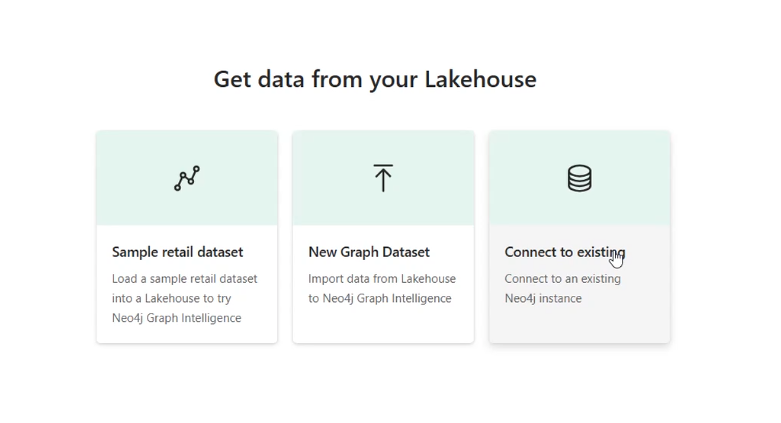
Furthermore, existing Neo4j customers who already utilize AuraDB (Neo4j’s fully managed cloud database) can now connect their Professional or Business Critical instances directly to Microsoft Fabric. This ensures that teams who have already built extensive graph models do not have to start from scratch to benefit from the Fabric integration. While the "Export to Lakehouse" feature is currently reserved for Graph Datasets created directly from Fabric tables, the connection of existing databases allows for a unified "Query and Explore" experience across the enterprise’s entire graph portfolio.
Streamlining the User Experience
Several updates have been aimed at reducing the "time-to-insight" for users. One of the most notable is the introduction of Preview Mode. Previously, users importing massive datasets from a Lakehouse into a graph had to wait for the entire Spark job to finish before they could interact with the data. With Preview Mode, users can begin querying the data with Cypher—the graph query language—while the import is still in progress. This allows for immediate verification of data models and early exploration of data patterns.
Additionally, the platform has shifted its default landing view from "Explore" to "Query." This change reflects user behavior trends; while visual exploration is helpful for initial discovery, the majority of power users spend their time writing Cypher queries and running complex algorithms. By making "Query" the default, Neo4j has optimized the interface for the iterative, code-heavy work of data science.
For new users or those in a trial phase, the Sample Dataset Flow has been significantly improved. Recognizing that many users may not have a pre-configured Lakehouse ready for testing, Neo4j now allows users to create a new Lakehouse and load sample data directly within the "New Item" workflow. This removes a significant barrier to entry, allowing teams to prove the value of graph analytics in minutes rather than hours.
Technical Analysis: Update vs. New Table Export Modes
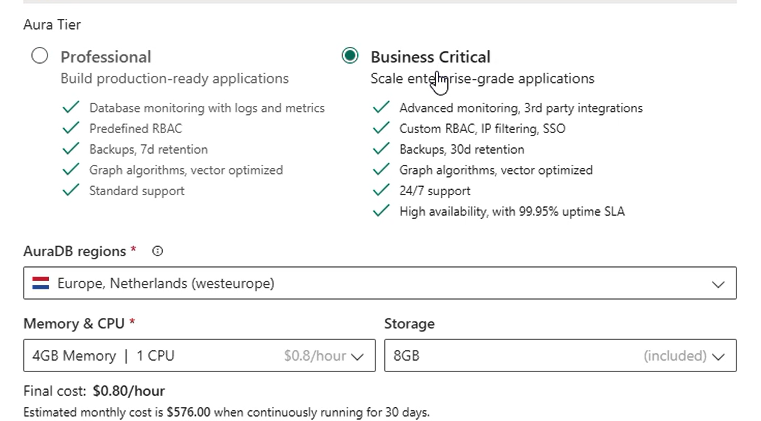
The "Export to Lakehouse" feature offers two distinct modes, each catering to different data governance requirements:
- Update Mode: This mode updates original source tables in place. It is ideal for organizations that want to enrich their existing "golden records" with graph-derived metadata. This requires a strict one-to-one mapping between the graph model and the Lakehouse tables. For instance, if a "Customer" table was used to create "Customer" nodes, Update Mode will append new graph properties (like a churn probability score) directly back to that original table.
- New Table Mode: This mode writes exported data to entirely new tables with a user-defined prefix. This is the preferred method for teams that must adhere to strict data immutability rules, where raw source tables must remain untouched. It also allows for the storage of temporary or experimental graph results without cluttering the primary data architecture.
These jobs run on the Fabric capacity’s worker queue, allowing for transparent monitoring of resource usage and job status via the Fabric History and Monitor tabs.
Broader Impact and Market Implications
The deeper integration of Neo4j into Microsoft Fabric is a response to the growing "Data Fabric" market, which seeks to unify disparate data sources into a cohesive, searchable whole. Industry analysts suggest that the ability to perform graph analytics within a general-purpose data platform is no longer a luxury but a necessity for modern business intelligence.
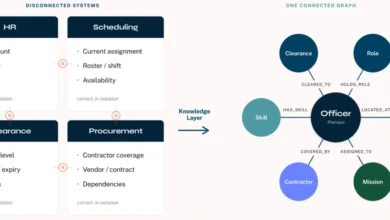
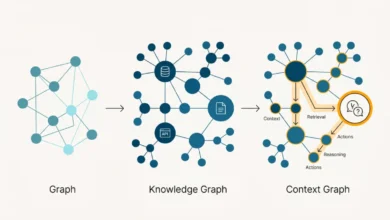
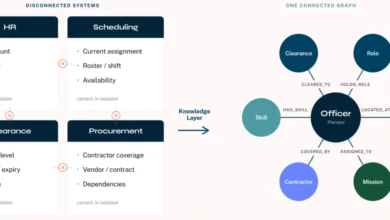
By enabling the export of graph insights back to a centralized Lakehouse, Neo4j is effectively allowing organizations to build "Knowledge Graphs" that serve as the connective tissue for their entire data estate. In the context of the modern enterprise, these Knowledge Graphs are becoming the backbone of sophisticated AI agents. When an AI can understand not just "what" the data is, but "how" it relates to every other piece of information in the company, its utility increases exponentially.
The move also signals a shift in the competitive landscape. As cloud providers race to offer the most comprehensive AI and data suites, the "stickiness" of a platform like Microsoft Fabric is enhanced by having best-in-class third-party integrations like Neo4j. For Neo4j, this partnership provides a direct pipeline into the massive install base of Azure and Microsoft 365 users, positioning graph technology as a standard tool in the enterprise architect’s toolkit.
Conclusion
The latest enhancements to Neo4j Graph Intelligence for Microsoft Fabric represent a maturation of the platform. By focusing on workflow integration, enterprise-grade scaling, and AI readiness, Neo4j and Microsoft have created a system where graph analytics is no longer an isolated discipline. As organizations continue to grapple with the complexities of interconnected data, the ability to analyze, export, and act upon graph insights within a single, unified environment will likely become a cornerstone of enterprise data strategy. The updates released since October 2025 ensure that for Fabric users, the power of the graph is now just a few clicks—and a Cypher query—away.
Related posts: