Bridging the Gap Between AI Development and Production Realities Through Unified Observability

The rapid integration of artificial intelligence into software engineering workflows has fundamentally altered how code is drafted, yet it has historically failed to address the rigid requirements of production environments. As development teams increasingly rely on agentic systems to accelerate feature delivery, a critical disconnect persists: generated code often lacks the necessary context regarding traffic patterns, service dependencies, and infrastructure capacity. To resolve this, a new collaborative framework involving Kiro, the AWS DevOps Agent, and Dynatrace’s Bluebox has emerged, creating a closed-loop system that grounds AI-driven changes in real-time operational data.
This integration represents a significant shift in DevOps, moving away from static, assumption-based coding toward a model where production telemetry dictates development decisions. By embedding live observability data directly into the development lifecycle, organizations can reduce deployment risks and shorten the mean time to resolution for production incidents.
The Evolution of AI-Driven Development
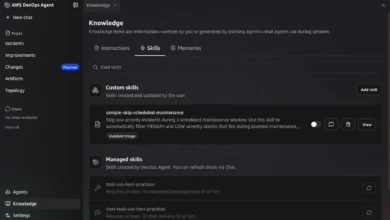
The modern software development lifecycle (SDLC) is currently undergoing a transformation driven by the proliferation of agentic tools. Kiro, an agentic development environment, has gained traction for its ability to convert high-level intent into technical specifications and functional code. Simultaneously, the AWS DevOps Agent has evolved into a sophisticated tool capable of investigating complex, cross-environment incidents and recommending automated remediations.
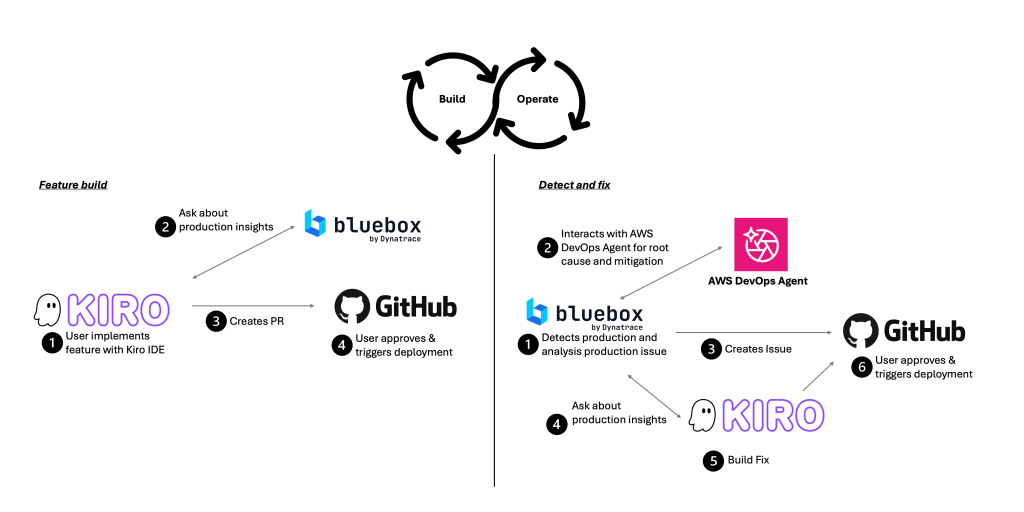
However, the efficacy of these tools is tethered to the quality of the data they consume. In the absence of production-aware telemetry, AI agents operate in a vacuum, making decisions based on theoretical architectures rather than the volatile reality of high-traffic systems. Dynatrace’s Bluebox serves as the connective tissue in this architecture, providing the runtime topology, dependency mapping, and traffic analytics required to ensure that every automated change is validated against existing system behavior.
A Chronology of the Closed-Loop Workflow
The efficacy of this integration is best illustrated through a practical application: the enhancement of a high-volume travel-booking platform.
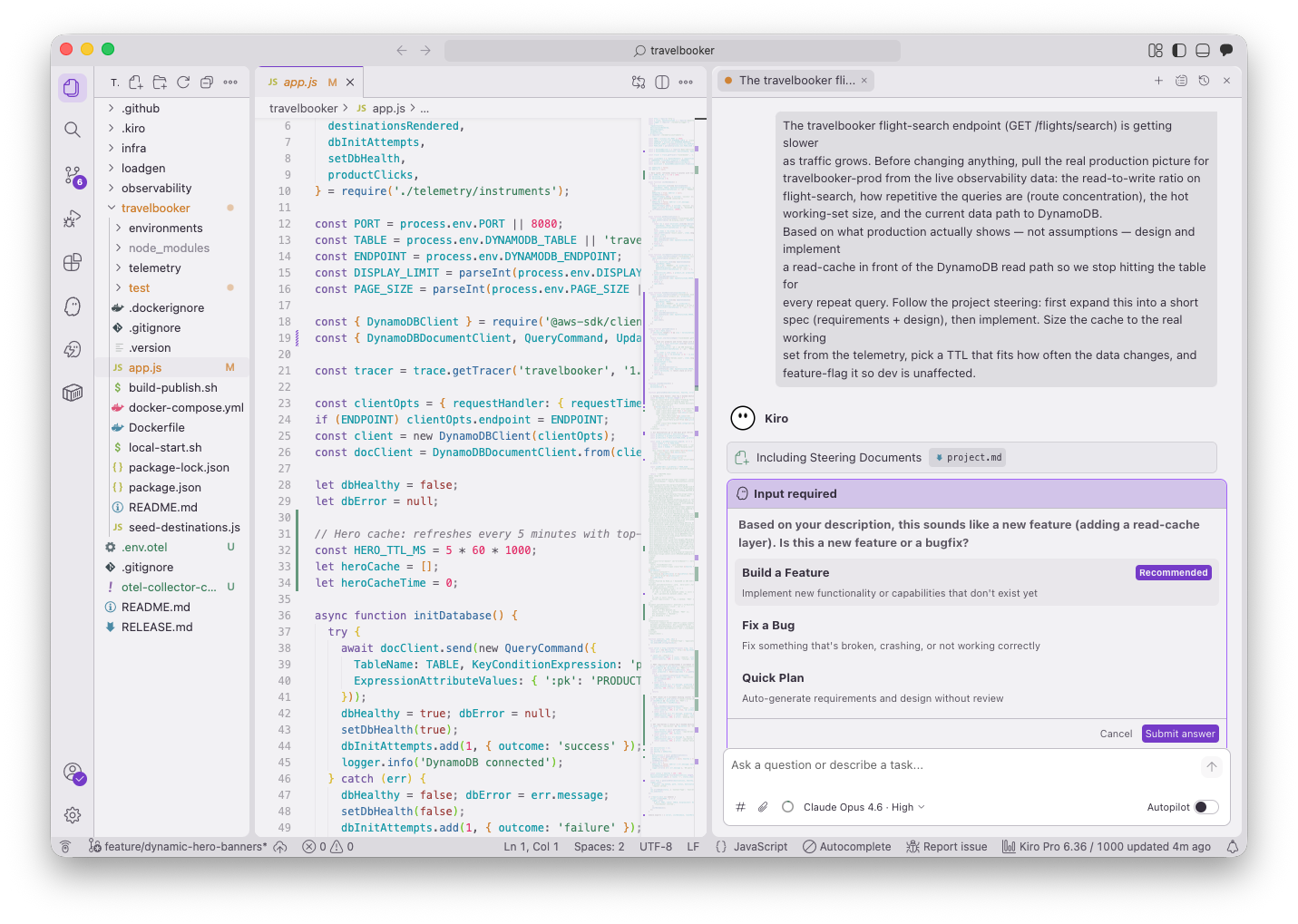
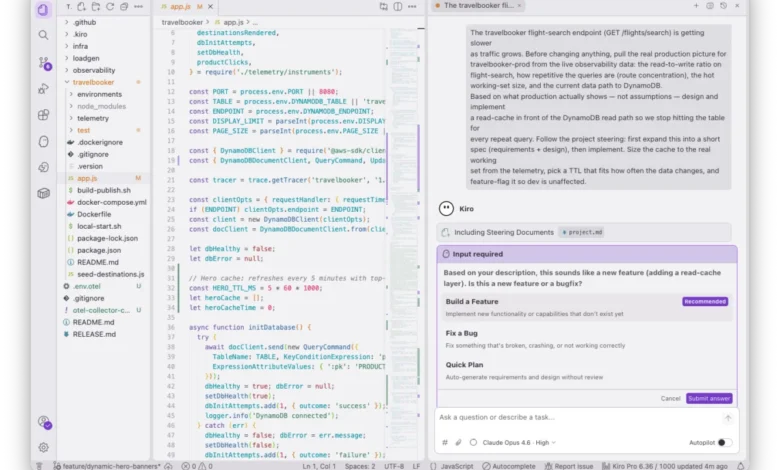
The workflow begins in the design phase. When a developer tasks Kiro with a feature request—such as optimizing backend flight-search logic—the agent does not immediately begin writing code. Instead, it utilizes the Bluebox CLI to perform a deep-dive analysis of the current production environment. By querying real-time metrics, the AI identifies that the flight-search path is characterized by a 40:1 read-to-write ratio against the backend Amazon DynamoDB table.
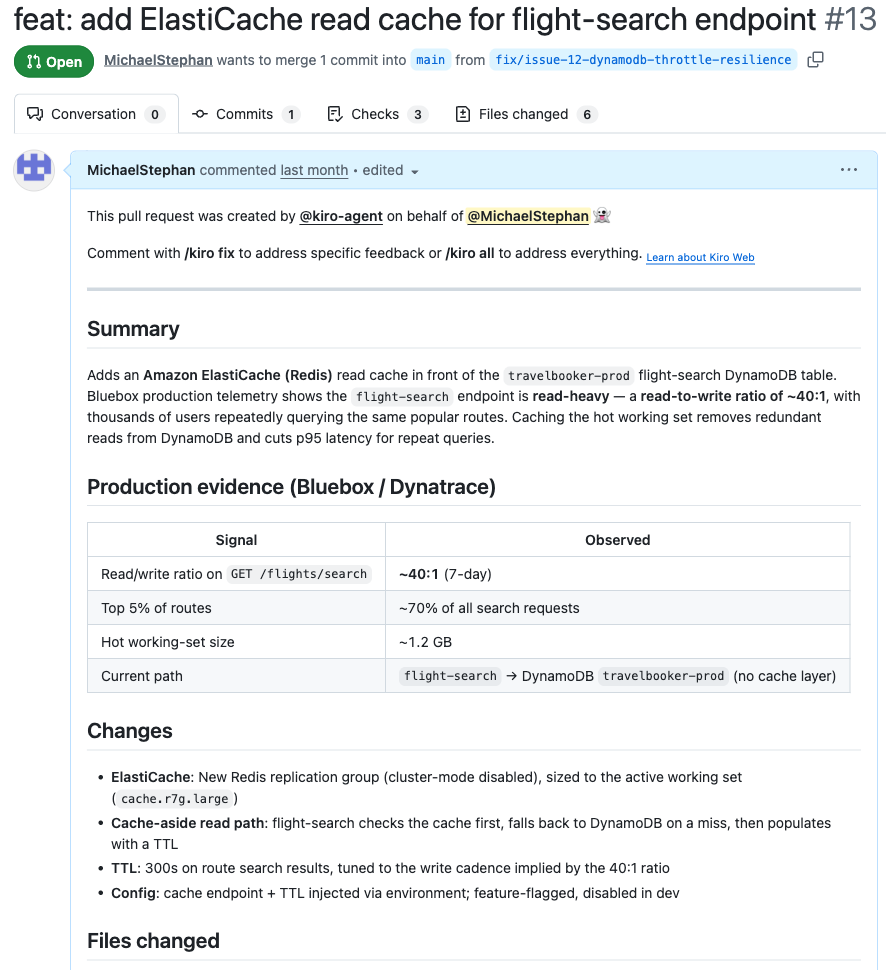
Equipped with this data, Kiro identifies that the bottleneck is not a lack of database capacity, but rather the inefficiency of repeated queries. Consequently, the agent proposes the deployment of an Amazon ElastiCache layer, specifically sized to the observed working set. This decision is directly informed by production telemetry, avoiding the common pitfall of over-provisioning infrastructure that fails to address the underlying performance issue.
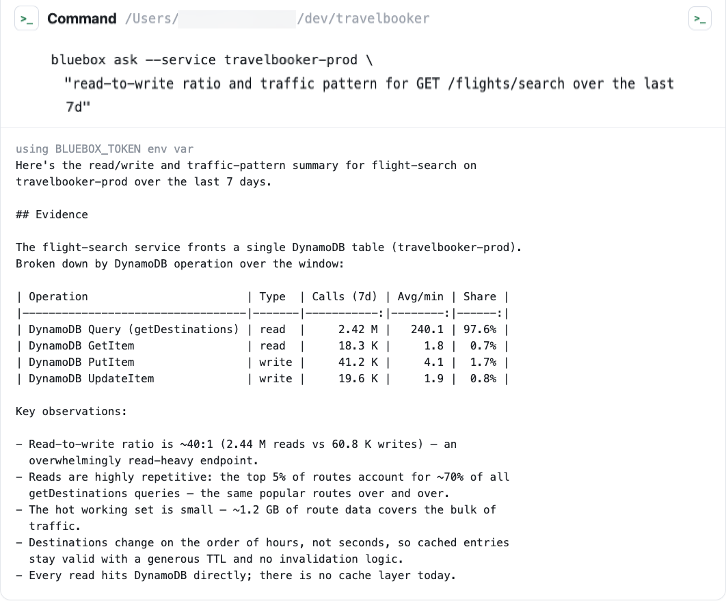
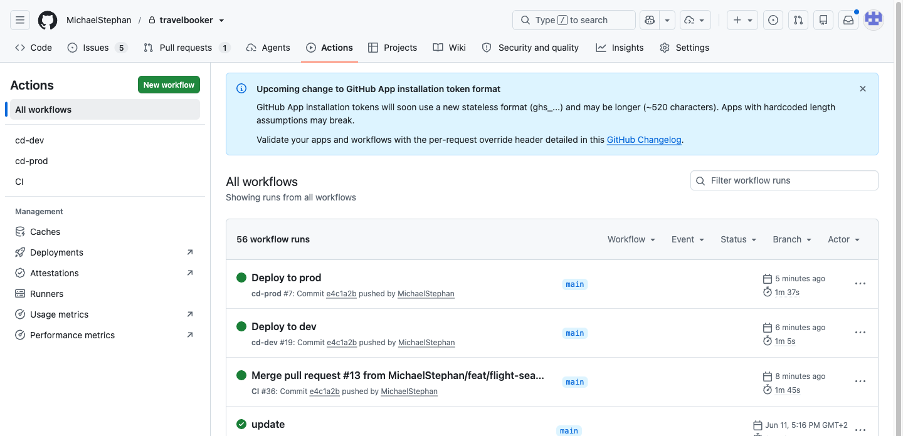
Once the code is generated and a pull request is submitted to GitHub, the process remains anchored in traditional security and quality controls. The pull request is bundled with the supporting telemetry, allowing human reviewers to cross-reference the AI’s architectural decisions with the actual data retrieved from Bluebox.
Responding to Production Volatility
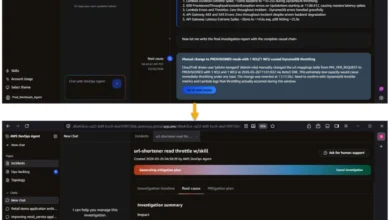
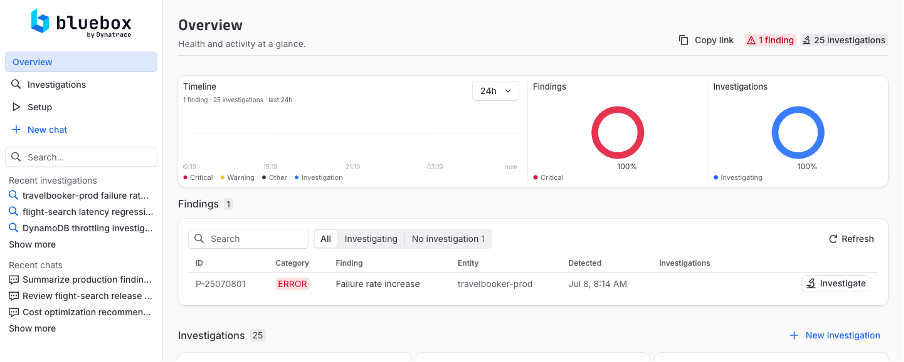
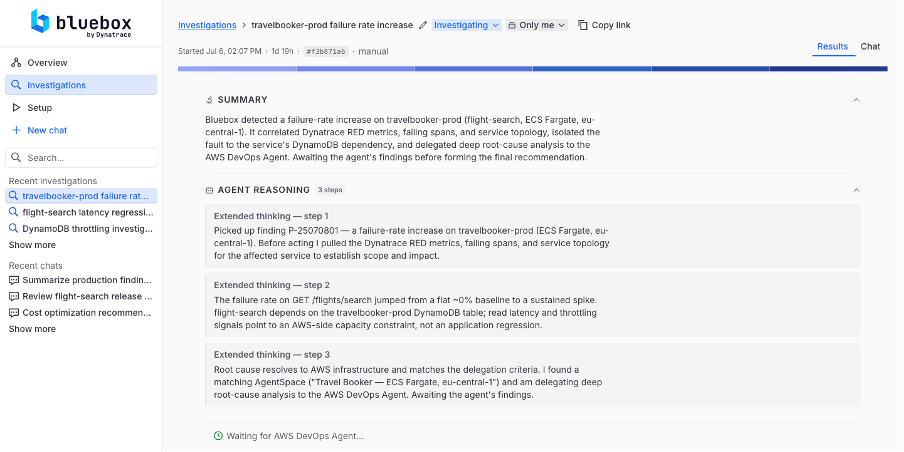
The second phase of the lifecycle—incident response—demonstrates the "closed-loop" nature of this technology. When a marketing campaign triggers a traffic surge, the system experiences a spike in error rates. Dynatrace immediately flags the anomaly and initiates an autonomous investigation via the AWS DevOps Agent.
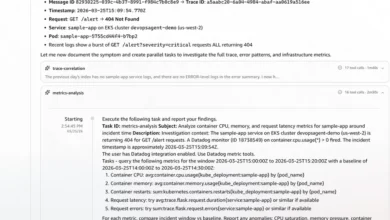
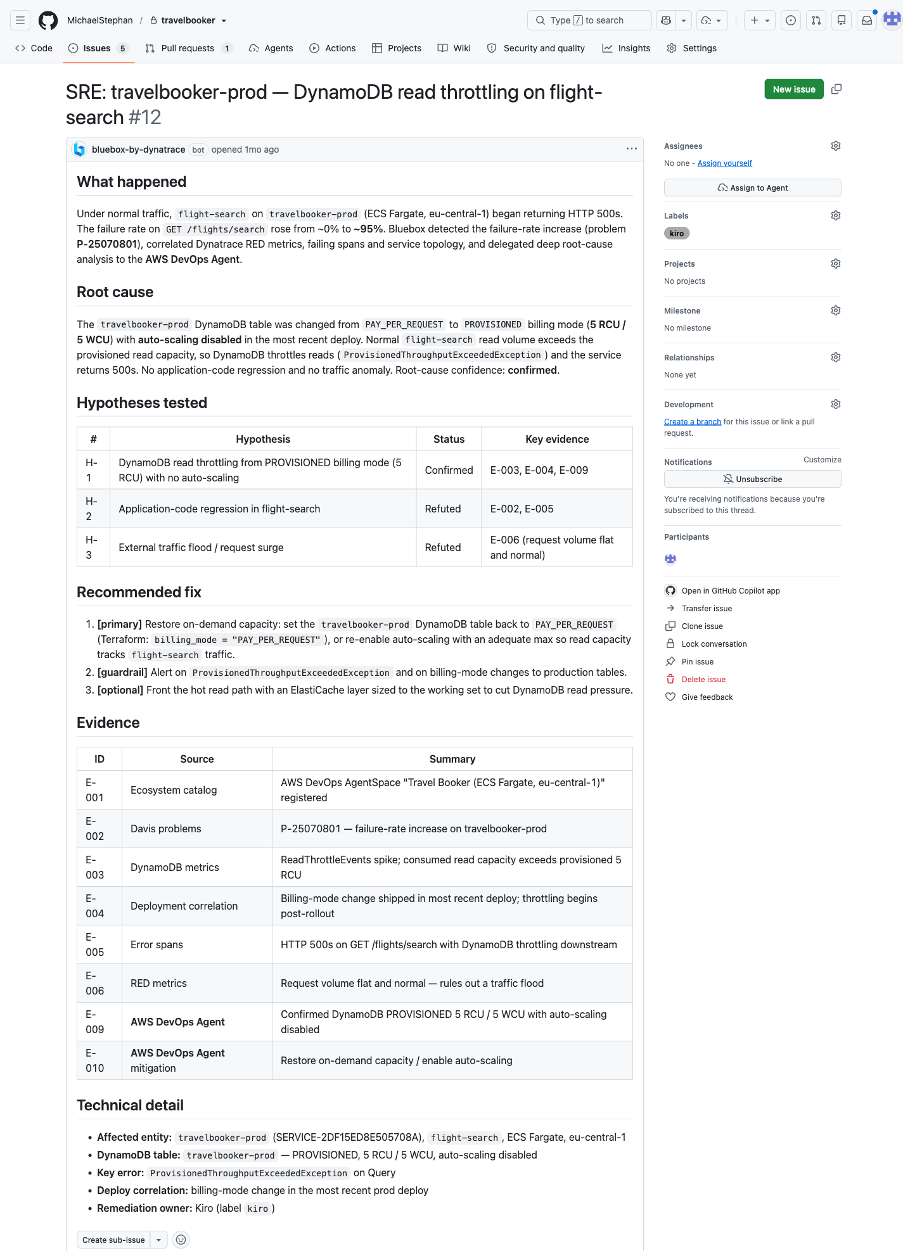
By leveraging a multi-agent reasoning architecture, the AWS DevOps Agent systematically decomposes the incident. It correlates logs, infrastructure configurations, and recent deployment history to isolate the root cause. In this instance, the investigation reveals that the DynamoDB table’s billing mode was restricted to a "provisioned" state with insufficient capacity for the residual traffic bypassing the new cache.
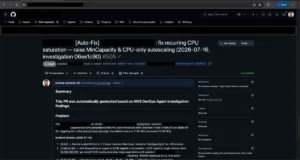
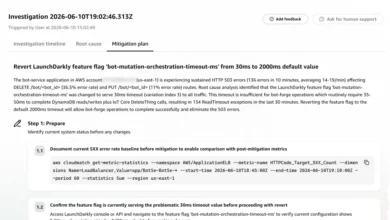
The agent provides a precise remediation plan, which is automatically converted into a GitHub issue. Kiro then ingests this context to propose a surgical code change, ensuring the fix is not just a patch, but a configuration adjustment tailored to the observed traffic patterns. This entire sequence, from incident detection to automated mitigation, reduces the burden on SRE (Site Reliability Engineering) teams and ensures that response efforts are backed by empirical evidence.
Supporting Data and Industry Implications
The reliance on production-aware AI is no longer a luxury but a necessity for scaling modern applications. Industry data consistently indicates that "change-failure rates" remain a primary bottleneck for high-performing DevOps teams. Research suggests that approximately 60% of production incidents are linked to configuration drifts or mismatched assumptions between development and operations environments.
By integrating Bluebox with development agents, teams can achieve a significant reduction in these failures. The ability to simulate the impact of code changes based on historical traffic patterns allows for a "shift-left" approach to performance engineering. For instance, testing a new feature against a "replay" of peak production traffic—rather than synthetic test data—enables developers to catch latency regressions before they ever hit the main branch.
Expert Perspectives on the Integrated Framework
Michael Stephan, Senior Principal Product Manager at Dynatrace, emphasizes that the goal is not to remove the human element, but to provide humans with better tools. "AI-driven software delivery changes how code gets written, but it does not change what production demands of that code," Stephan noted. "By grounding every pull request in real-world topology, we remove the guesswork that leads to production instability."
Christian Kreuzberger, Principal Software Engineer at Dynatrace, adds that the value of this architecture lies in its transparency. "Because the CLI commands and the telemetry outputs are visible within the developer’s workflow, there is no ‘black box’ phenomenon. The human remains in the driver’s seat, but they are now driving with a high-definition map of their entire infrastructure."
Broader Impact and Future Outlook
The implications for the broader software industry are significant. As AI agents become more prevalent, the standard for "release readiness" will inevitably rise. Organizations that adopt a closed-loop, observability-driven development process will likely see improvements in several key DORA (DevOps Research and Assessment) metrics:
- Deployment Frequency: Faster iterations due to increased confidence in automated testing.
- Mean Time to Recovery (MTTR): Drastic reduction in incident resolution time as AI agents provide pre-diagnosed root causes.
- Change Failure Rate: Lower incidence of production issues caused by inaccurate assumptions.
As the industry moves forward, the integration of observability platforms with agentic coding environments will likely become a best practice. The ability to maintain a continuous, bi-directional flow of information between the production environment and the IDE is a crucial step toward achieving truly autonomous operations.
For teams looking to adopt this framework, the path forward involves a systematic approach: starting with a single, high-traffic application and defining measurable success criteria. By selecting a target metric—such as the time required to perform a root-cause analysis or the number of deployment rollbacks—teams can quantify the value of bringing production context into the development environment.
The convergence of Dynatrace’s observability, Kiro’s development capabilities, and AWS’s operational expertise marks a maturation point for AI in the enterprise. It signals an era where software delivery is no longer defined by the speed of code generation, but by the reliability and intelligence of the entire lifecycle. As organizations continue to scale, the mandate to ensure that code fits the reality of the infrastructure it runs on will become the defining characteristic of successful engineering teams.
Related posts: