Unmasking Financial Networks: How Graph-Powered Intelligence is Transforming Anti-Money Laundering Investigations

When an anti-money laundering (AML) alert hits an investigator’s desk, it frequently arrives as an isolated fragment of a much larger, obscured puzzle. Standard transaction monitoring systems are engineered to flag financial activity that breaches specific regulatory thresholds, triggers automated rules, or is tagged as high-risk by predictive models. However, these systems rarely provide the comprehensive context required to understand the true nature of the transaction. A payment that appears entirely routine when viewed in isolation may actually represent a single node in a sprawling, multi-layered international laundering network.
Answering fundamental investigative questions—such as who is truly behind a financial transfer, whether seemingly unrelated corporate entities share hidden connections, or if identical behavioral patterns emerge across disparate accounts—traditionally requires manually stitching together data from fragmented repositories. Investigators have long been forced to cross-reference transaction histories, internal customer records, corporate registries, and external sanctions lists across separate, siloed databases. This manual reconciliation process is notoriously time-consuming and prone to human error, allowing sophisticated illicit financial networks to exploit gaps in institutional oversight.

To combat increasingly complex financial crimes, modern compliance operations are shifting away from linear, document-based reviews toward graph-powered Financial Crime Intelligence. By mapping relationships between people, companies, bank accounts, and transactions into a unified web, graph technology allows investigators to follow money trails across complex corporate structures with unprecedented speed and precision.
Anatomy of a Global Scheme: Revisiting the Azerbaijani Laundromat
To understand the limitations of traditional transaction monitoring and the power of connected intelligence, industry experts frequently look back at historical large-scale laundering operations. The Azerbaijani Laundromat, exposed by the Organized Crime and Corruption Reporting Project (OCCRP) in September 2017, remains a textbook case study in the evasion of traditional banking controls.
Between 2012 and 2014, approximately $2.9 billion was channeled through a complex web of European banks using four primary UK-registered shell companies as conduits. The scheme was designed to launder money, acquire assets, and exert covert influence abroad, utilizing intricate payment chains that obscured the ultimate origin and destination of the funds.
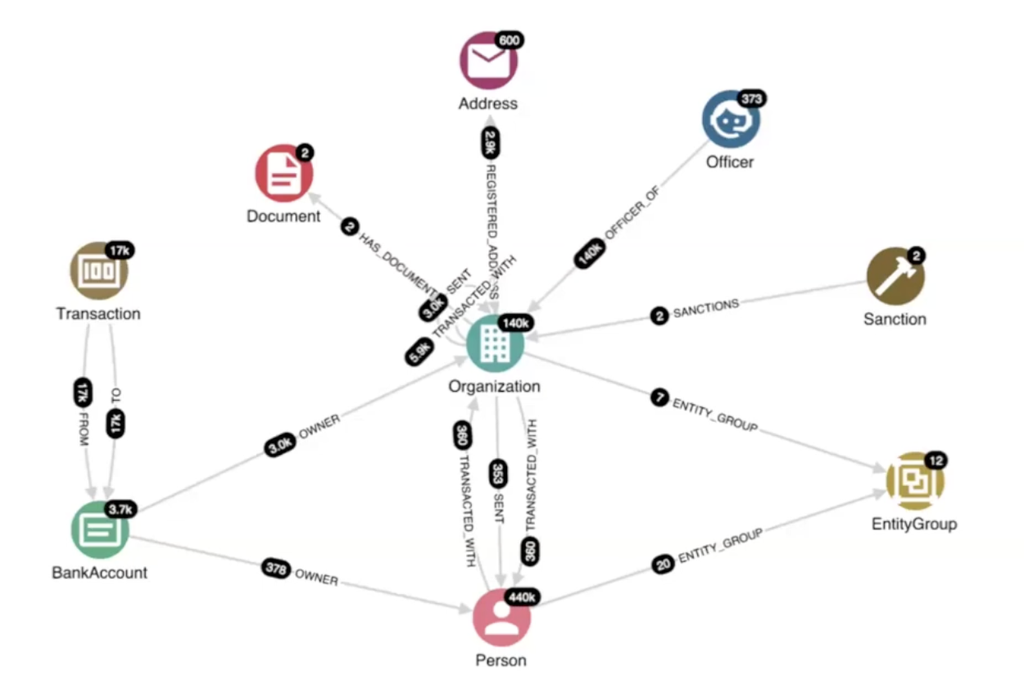
In a collaborative webinar hosted by GraphAware alongside Senzing and OpenSanctions, investigators sought to replicate how modern graph technology could have dissected the publicly available data from this historic case. Rather than relying on a localized alert generated by a single bank’s legacy monitoring system, the demonstration team treated the entire transaction ecosystem as an interconnected graph, allowing them to surface suspicious behaviors organically by following structural and transactional relationships.
Mapping the Transaction Network: The Case of LCM Alliance LLP
The investigation began by visualizing the overarching transaction network, which immediately revealed a dense cluster of financial activity. Several corporate entities stood out due to an unusually high volume of transactions with a massive array of counterparties. Among them, LCM Alliance LLP emerged as a focal point for further scrutiny.
Because LCM Alliance LLP was linked to hundreds of direct financial connections, displaying every individual relationship in a single, unstructured visualization risked creating an unreadable "hairball" of data. To navigate this complexity, the investigation utilized structural analytical tools—specifically GraphAware Hume Action Boards—to aggregate transaction values and frequencies over time, systematically isolating the company’s largest payers and primary beneficiaries.
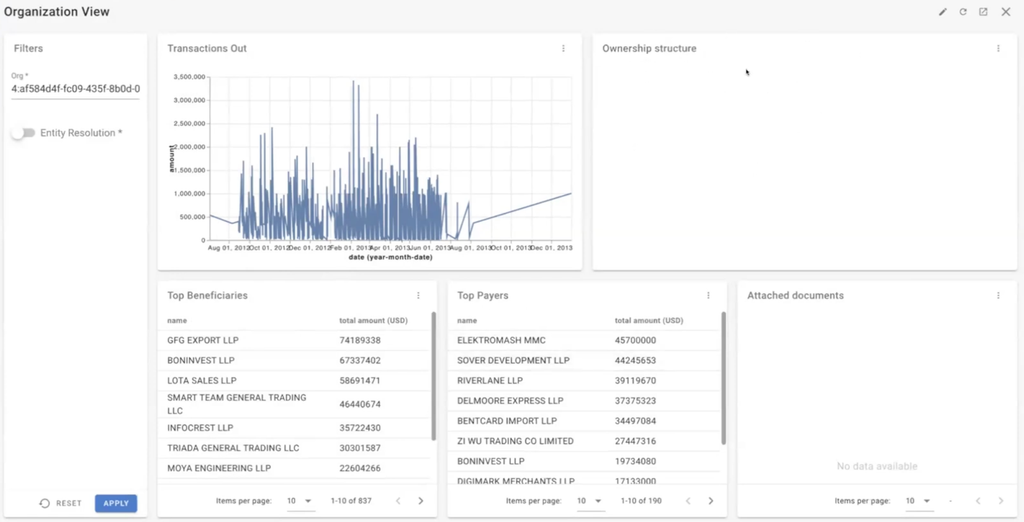
While this transactional overview clarified how capital moved through LCM Alliance LLP, it left a critical void: the transaction records alone could not establish who legally owned or exercised operational control over the entity.
Piercing the Corporate Veil: Integrating Public Registries
To uncover the ownership structure of LCM Alliance LLP, the team ingested official corporate registration data from the UK’s Companies House, resolving and connecting these external records directly to the existing transaction graph. This multi-source integration immediately surfaced a series of classic corporate red flags.
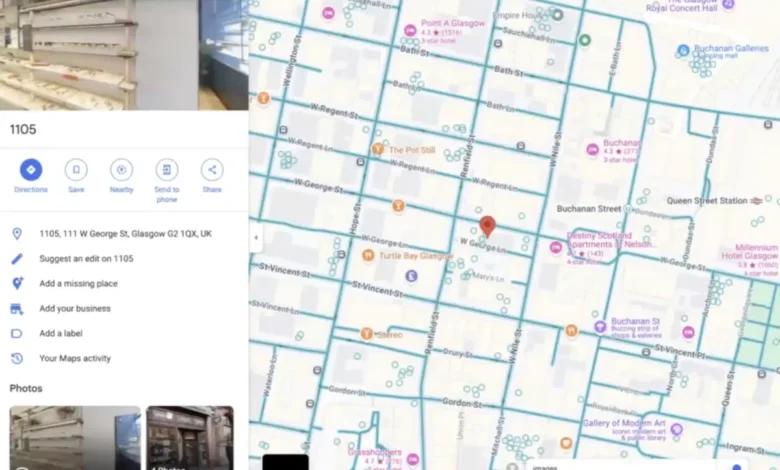
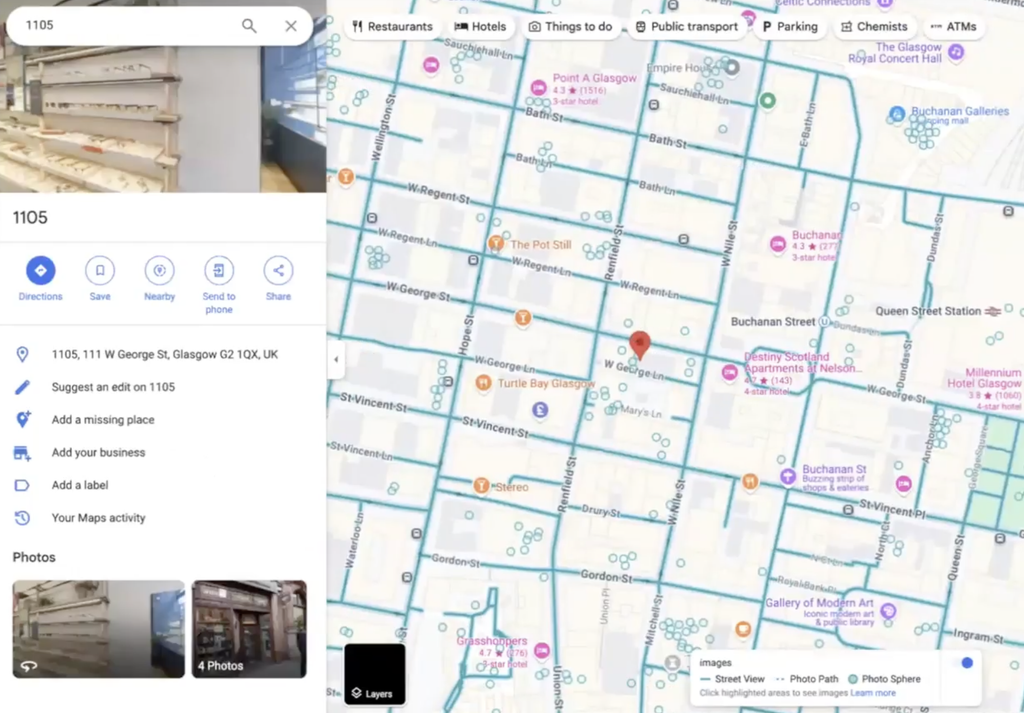
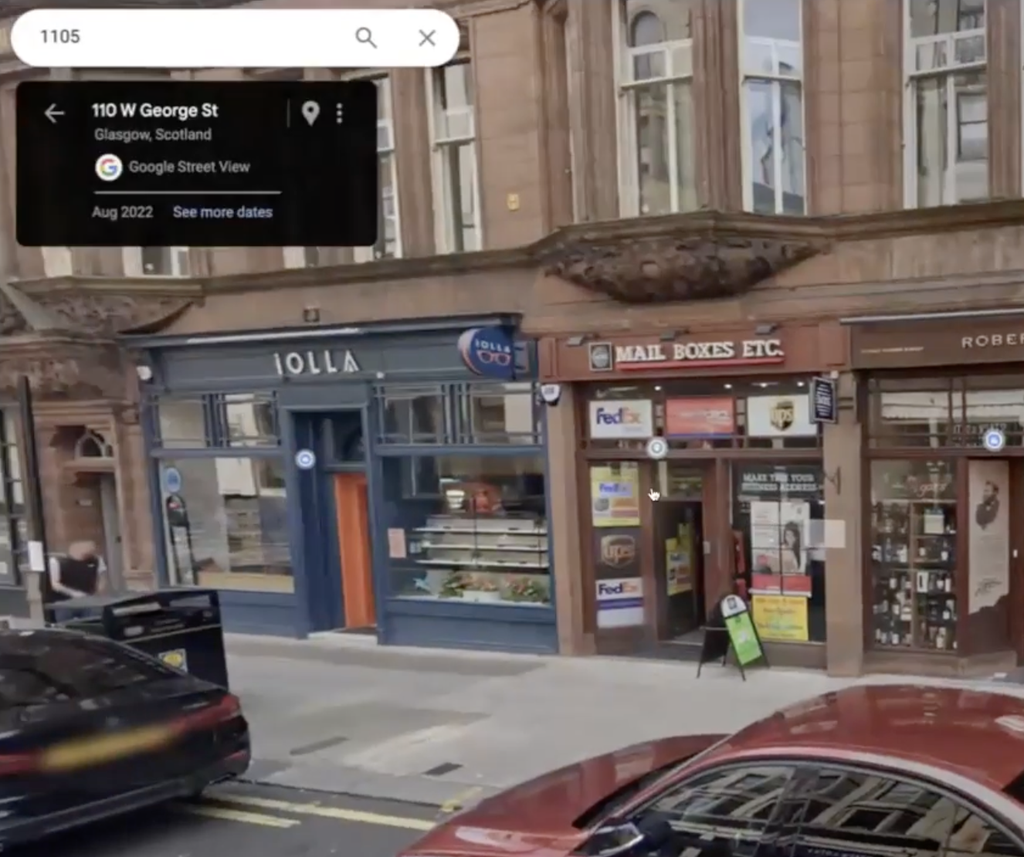
First, the Companies House records indicated that two Seychelles-registered corporate entities served as the designated officers of LCM Alliance LLP, successfully masking the identity of any natural person as the ultimate beneficial owner (UBO). Second, a cross-check of the company’s registered address using digital mapping tools like Google Street View revealed that the location was merely a virtual mailbox service rather than an operational business premise. Furthermore, expanding the graph to analyze other UK corporate registrations associated with the same Seychelles-based officers exposed a network of hundreds of additional companies sharing identical administrative traits and registration addresses.
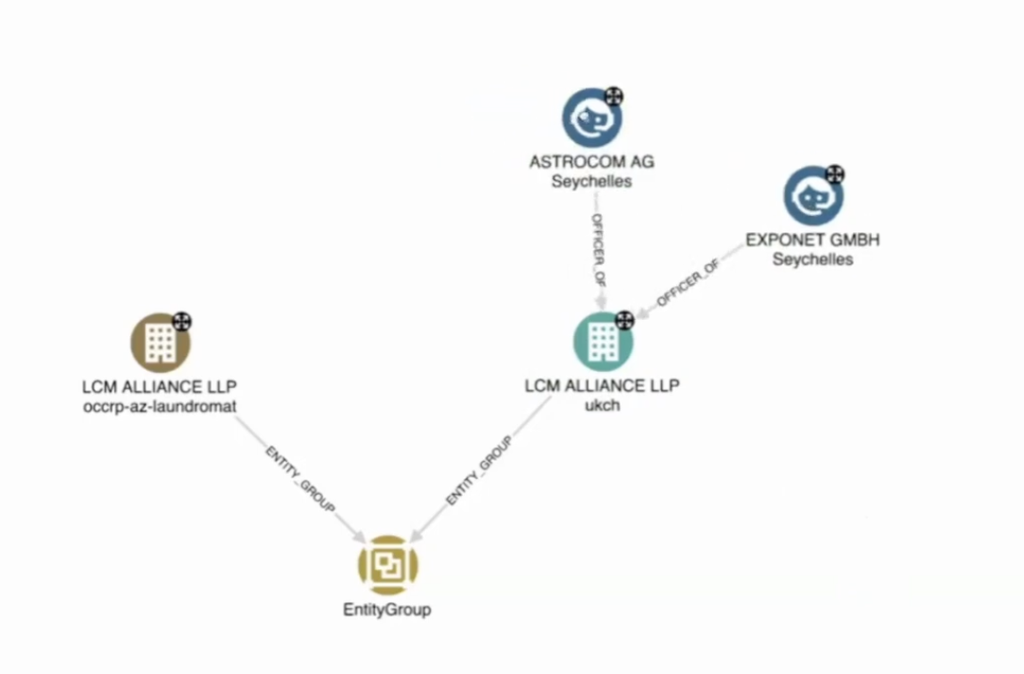
Individually, these indicators did not prove criminal intent; international corporate structures, shared addresses, and the utilization of registered agents can sometimes serve legitimate commercial purposes. However, when viewed collectively within a unified graph environment, these overlapping risk factors provided a compelling justification for deeper regulatory escalation—context that would have remained invisible within traditional, transaction-only databases.
Correlating Financial Flows with Global Risk Intelligence
With the corporate structure mapped, the investigation turned to tracking the ultimate destination of the funds passing through LCM Alliance LLP. Utilizing automated graph traversal queries, the team traced multi-hop payment paths across various intermediary organizations to identify the final beneficiaries of the transactions.
To determine whether these ultimate recipients posed compliance risks, the transaction data was cross-referenced with external watchlists via OpenSanctions, leveraging advanced entity resolution capabilities provided by Senzing. This critical integration bridged the gap between raw financial ledgers and actionable geopolitical risk data.
The automated matching process revealed that one of the individuals appearing within the transaction network was a designated Politically Exposed Person (PEP). Additional queries uncovered direct transaction pathways connecting LCM Alliance LLP to organizations explicitly cited on international sanctions lists.
While identifying a PEP or a sanctioned association does not automatically render a specific transaction illegal—as compliance teams must always investigate the legitimate business context of such relationships—it fundamentally alters the risk profile of the investigation. Armed with this holistic intelligence, compliance officers were equipped to evaluate routine-looking payments against the severe background risks of the actors involved.
Temporal Analysis: Tracking How Networks Evolve
Financial crime is rarely static; illicit networks evolve continuously as shell companies are dissolved, new counterparties are onboarded, and transaction velocities fluctuate. To capture this dynamic dimension, the investigative team employed temporal analysis tools, such as GraphAware’s time bar, to observe how the LCM Alliance LLP network transformed across different operating periods.
Chronological visualization is crucial for modern AML investigations because timing often dictates the significance of a financial relationship. A counterparty that maintained a stable, low-volume transactional history over several years warrants a vastly different assessment than a newly established business entity that suddenly experiences an exponential surge in inbound and outbound wire transfers over a matter of days. By analyzing networks across a timeline, investigators can pinpoint critical inflection points, track structural shifts, and prioritize alerts that demand immediate regulatory intervention.
Implications for Modern Compliance and Regulatory Operations
The retrospective analysis of schemes like the Azerbaijani Laundromat highlights a systemic vulnerability in traditional financial crime detection: the critical data required to dismantle illicit networks is almost never contained within the initial automated alert.
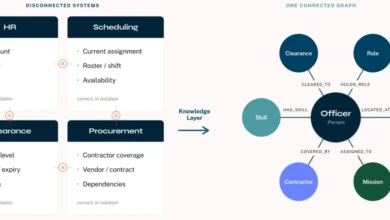
By unifying fragmented data silos—including internal transaction ledgers, public corporate registries, sanctions lists, and temporal metadata—into a shared graph intelligence layer, financial institutions can transition from reactive alert-clearing to proactive risk mitigation. This interconnected approach allows compliance professionals to assess new alerts against historical institutional knowledge and evolving external intelligence simultaneously.
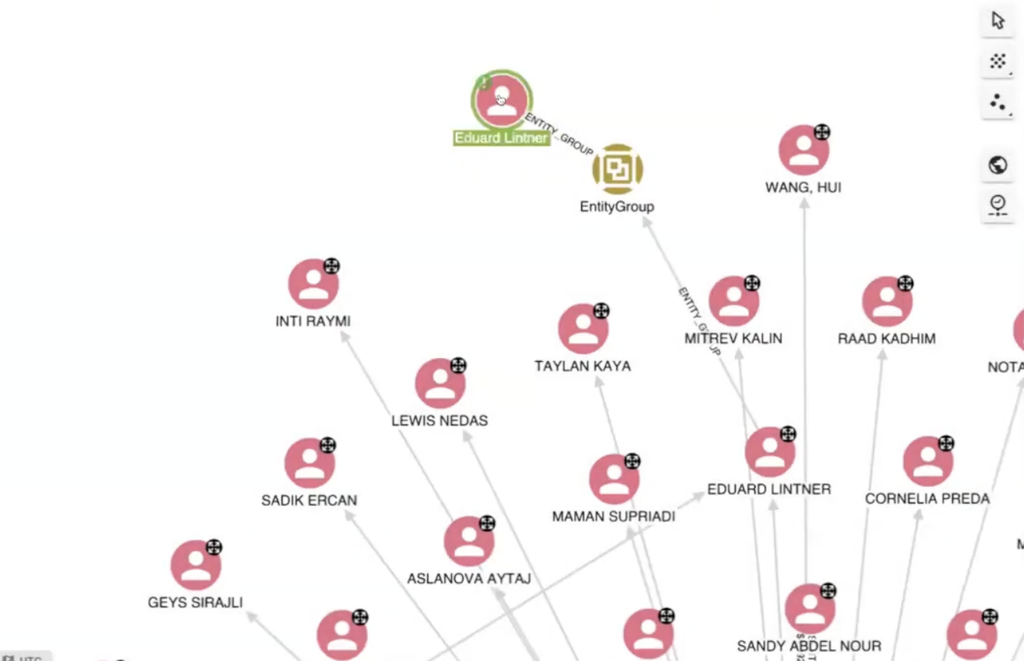
Crucially, industry experts emphasize that graph-powered intelligence is designed to augment, not replace, human analytical expertise. Automated systems and graph visualizations do not render final verdicts on legality or intent; rather, they provide the rigorous evidentiary foundation that investigators require to test assumptions, document provenance, and make defensible, auditable decisions.
As financial criminals continue to deploy increasingly sophisticated methods to launder illicit capital across global borders, the adoption of connected, graph-powered intelligence represents a vital evolution in the defense of the international financial system. By transforming isolated data points into a cohesive, navigable network of insight, compliance operations are better equipped than ever to follow the money, unmask hidden ownership, and uphold the integrity of global finance.
Related posts: