Rider 2026.3 delivers comprehensive workflow enhancements for modern game developers and .NET engineers

The release of JetBrains Rider 2026.3 marks a significant evolution in the development ecosystem for cross-platform game engines, introducing a suite of specialized tools designed to bridge the gap between IDE capabilities and engine-specific requirements. By integrating deeper support for Godot, Unreal Engine, and Unity, alongside experimental language plugins for Lua and Verse, JetBrains is positioning its flagship IDE as a unified command center for complex, multi-language game projects. This update arrives at a time when the industry is increasingly moving toward modular development workflows that combine high-performance C++ or C# backends with rapid-prototyping scripting languages.

The Expansion of Language Support: Lua and Verse
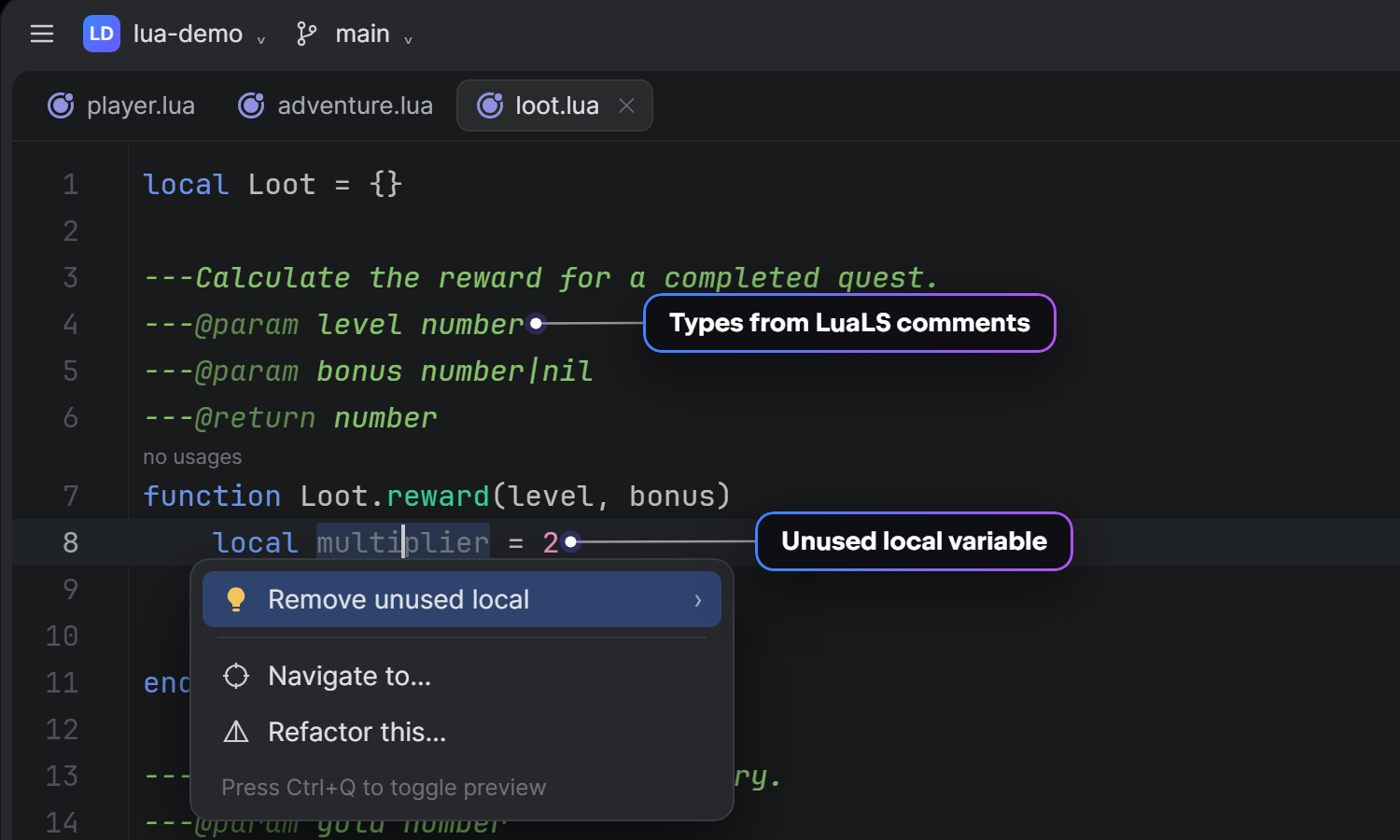
The integration of Beta-stage support for Lua and the Verse programming language represents a strategic move by JetBrains to capture the workflows of developers working in diverse game development environments. The new Lua plugin, which now provides first-class support for Lua 5.1 through 5.4, LuaJIT, and Luau, addresses a long-standing demand for a unified environment. By enabling developers to manage Lua scripts alongside C++ or C# code within a single instance of Rider, JetBrains is effectively reducing the "context switching" tax that often plagues developers working on hybrid engine architectures.
The plugin includes robust support for existing industry-standard annotations, including EmmyLua, LuaLS, and LDoc. This ensures that developers migrating their legacy projects into the Rider environment do not need to rewrite existing documentation or type metadata.

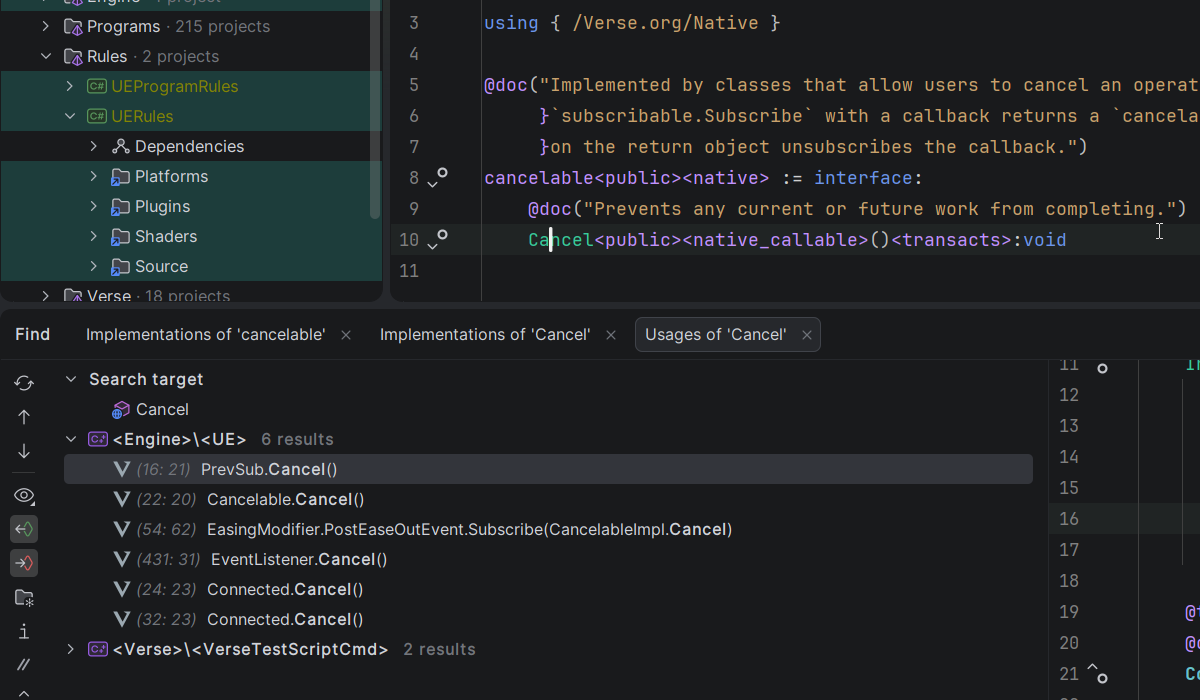
Parallel to this, the introduction of native Verse language support highlights JetBrains’ commitment to the Unreal Engine ecosystem. By utilizing Rider’s proprietary language engine rather than relying on an external language server, the plugin provides low-latency performance for syntax highlighting, navigation, and code completion. This implementation also extends functionality to AI-assisted coding through the Rider MCP (Model Context Protocol) server, allowing generative AI agents to interact with Verse codebases with the same level of precision as human developers.
Streamlining Game Launch Scenarios with Command-Line Presets
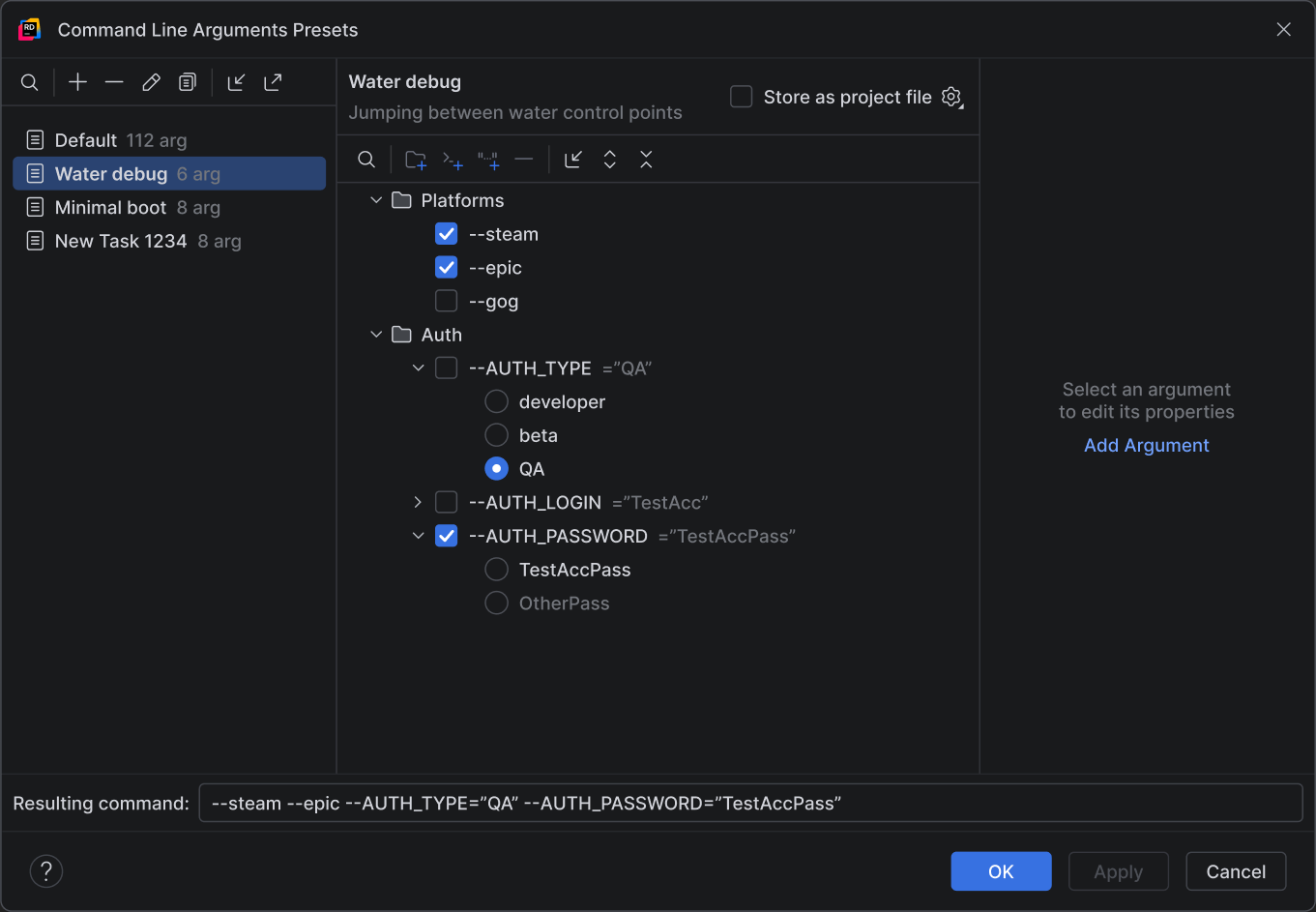
A critical point of friction for game developers is the management of varied launch configurations, particularly when testing across different target platforms or debug levels. Historically, developers relied on third-party solutions like the EzArgs plugin to manage launch arguments. Rider 2026.3 internalizes this functionality, providing a native, highly configurable presets system.
This feature allows for the creation of shared argument lists—encompassing map parameters, log verbosity settings, and testing flags—that are decoupled from specific run configurations. This decoupling is significant for large teams, as it enables the sharing of standardized launch presets via version control, ensuring that every developer on a team is testing against the exact same environment parameters. The inclusion of an import tool that parses existing command-line strings into validated arguments further facilitates the transition for teams migrating from legacy setups.
Godot Integration: Bridging the Editor and the IDE
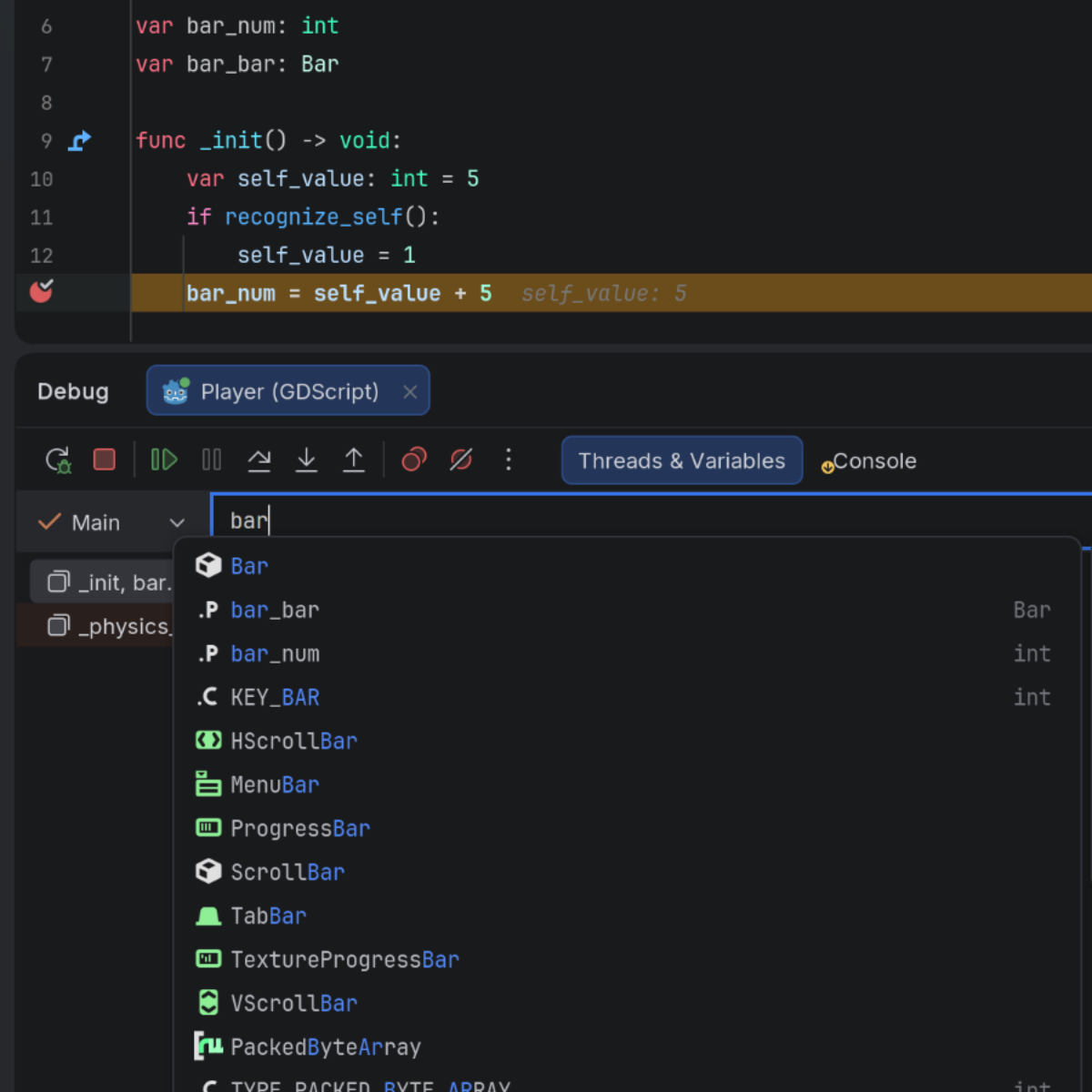
The relationship between the Godot Editor and external IDEs has historically been defined by a disconnect in the debugging experience. Rider 2026.3 bridges this divide with a new live-connection architecture. By installing the JetBrains Rider Integration add-on from the Godot Asset Store, developers can now synchronize the Godot Editor’s game window with the Rider debugger.
This integration allows for real-time manipulation of the game state, such as pausing execution or adjusting game speed, directly from the IDE while maintaining an active debugging session. Perhaps most importantly, the update introduces "Godot-aware" debugging. When a breakpoint is triggered, the IDE now displays the live scene tree, allowing developers to inspect nodes, autoloads, and hierarchical properties without leaving the code-view window. This contextual awareness represents a substantial upgrade in diagnostic capability for GDScript and C# developers alike.
Unity and CoreCLR: The Future of Runtime Performance
Unity’s transition toward the CoreCLR runtime has been a subject of significant industry interest, and Rider 2026.3 provides the necessary tooling to debug these experimental desktop players. By supporting Unity 6.7 and offering early-stage compatibility for Unity 7 Alpha, JetBrains is ensuring that developers can begin stress-testing their applications against the new, higher-performance runtime without losing access to professional-grade debugging features. This proactive support for Unity’s experimental architecture suggests a long-term strategy of maintaining parity with the fastest-moving segments of the game development market.
Unreal Engine: Advancing the C++ Debugging Experience
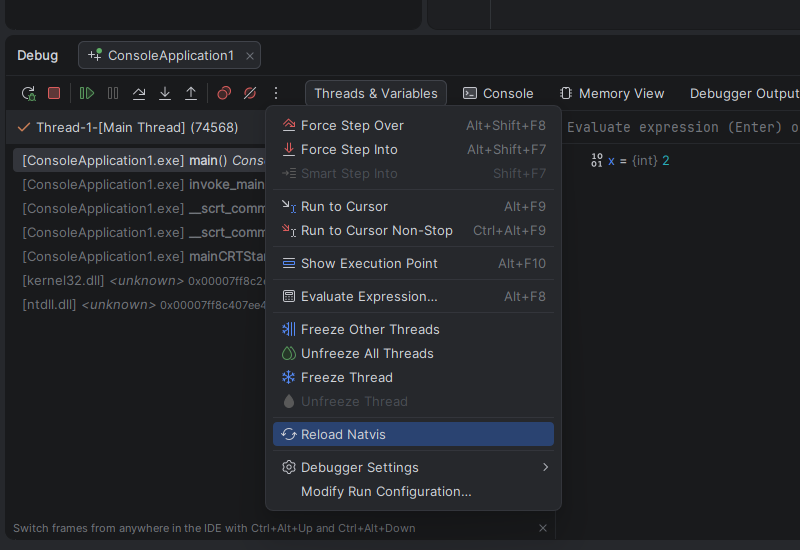
For C++ developers, particularly those utilizing Unreal Engine, the 2026.3 update focuses on reducing the "iteration cycle"—the time it takes to identify and fix a bug. The introduction of Natvis hot-reloading is a notable quality-of-life improvement. Previously, modifying a Natvis visualizer required a full session restart; the new implementation allows for dynamic updates, significantly accelerating the debugging of complex engine types.
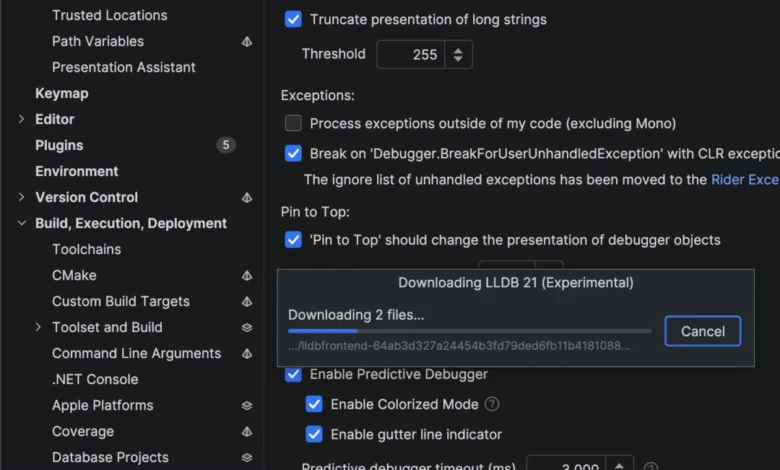
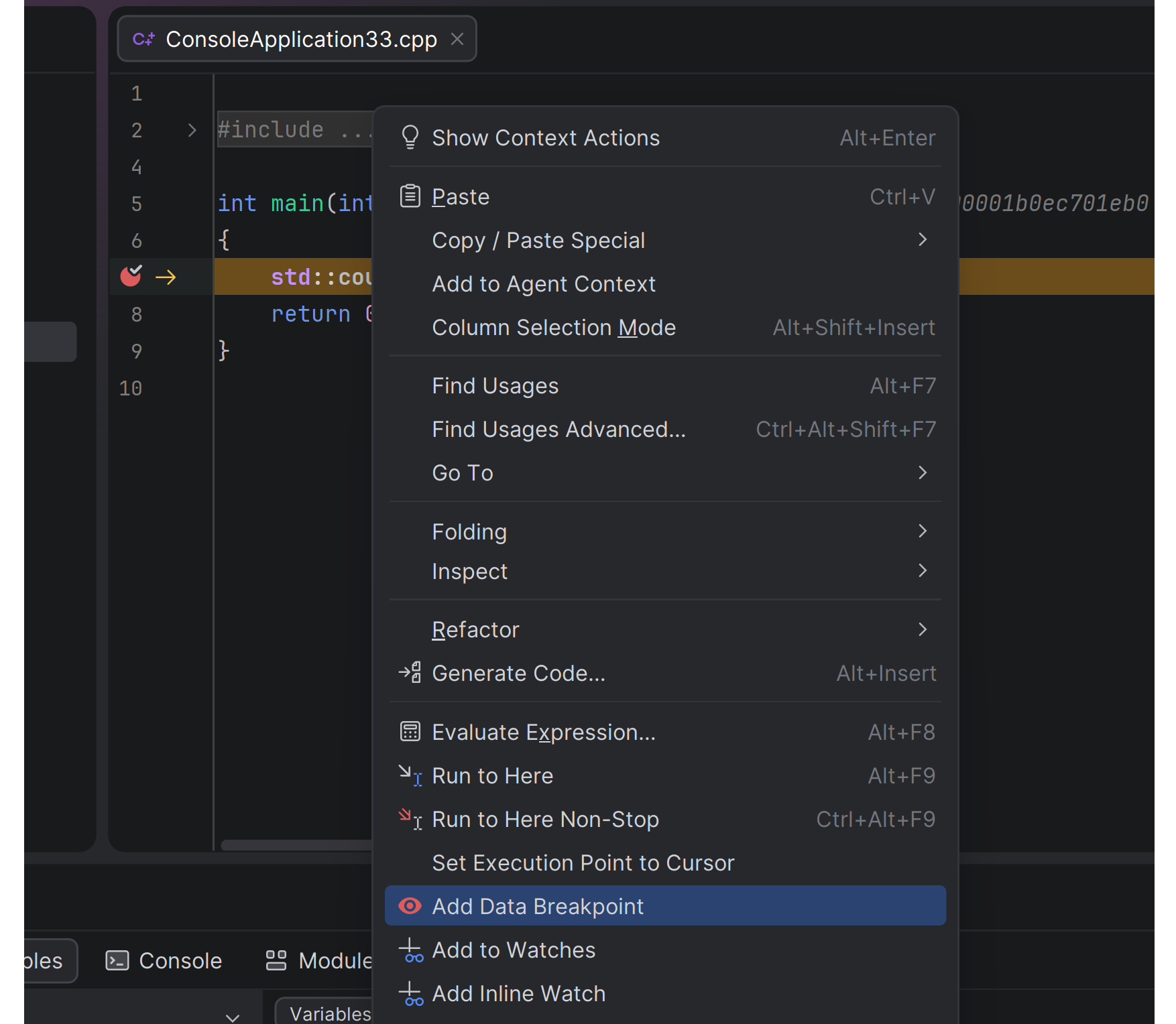
The integration of a new experimental LLDB 21 debugger further harmonizes the experience across Windows, macOS, and Linux. By combining JetBrains’ custom enhancements—such as MSVC support and specialized expression evaluation—with the upstream stability of LLDB 21, the IDE offers a more consistent debugging experience. Furthermore, the new data breakpoints feature, which allows developers to trigger a pause based on memory addresses or variable changes, provides a powerful diagnostic tool for tracking down "heisenbugs" in memory-sensitive C++ environments.
Analysis of Broader Implications
The release of Rider 2026.3 reflects a maturing development landscape where the IDE is no longer merely a text editor, but a central nervous system for engine interaction. By focusing on "hot-reloading" and "live-debugging," JetBrains is catering to the industry’s demand for high-velocity iteration.
The strategic investment in the MCP server and native plugins for languages like Verse suggests that JetBrains is preparing for an era of AI-augmented development. By exposing IDE capabilities to AI agents, the company is lowering the barrier for automated refactoring and complex diagnostic tasks.
From a project management perspective, the introduction of consistent project structure synchronization with Visual Studio (via .vcxproj.filters) addresses the reality of multi-IDE environments. Many large studios utilize a mix of development tools; by ensuring that project organization remains intact regardless of the IDE, JetBrains is reducing the friction of collaborative development.
Conclusion and Future Outlook
As the game development sector continues to consolidate around powerful, engine-agnostic tooling, the updates provided in Rider 2026.3 serve as a benchmark for professional development software. The shift toward deeper, live-data integration—evidenced by the Godot scene tree debugging and Unreal Engine Natvis hot-reloading—suggests that the next phase of IDE development will be defined by how effectively the software can visualize the state of the game engine itself.
For teams currently utilizing the JetBrains ecosystem, the transition to 2026.3 offers tangible improvements in debugging speed and workflow consistency. As development moves toward the 2026.3.1 update, which promises to introduce "Unity for Agents," the industry will likely see further acceleration in the adoption of AI-native coding tools. Developers are encouraged to migrate to the new version via the JetBrains Toolbox App to take advantage of these integrated debugging and scripting enhancements, which are poised to become standard requirements in the coming fiscal year.