The release of PyCharm 2026.3 marks a significant milestone in the evolution of JetBrains’ flagship Python integrated development environment (IDE). By addressing a staggering 303 individual bug fixes and performance enhancements, this version serves as a testament to the company’s commitment to refining the core developer experience. While major headlines surrounding this release have focused on high-profile additions like JetBrains Air, native workspace support, and Python 3.15 lazy import capabilities, the true impact of version 2026.3 lies in the deep-level maintenance and "quality of life" adjustments that have been requested by the community for over a decade.
A Chronology of Continuous Refinement
The development cycle for PyCharm 2026.3 began in early 2026, following the release of the 2026.1 and 2026.2 iterations. During this period, the JetBrains development team pivoted toward a "stability-first" initiative, specifically targeting long-standing issues within the YouTrack bug-tracking database. Many of the issues resolved in this release—some dating back to the early 2010s—had previously been sidelined by the necessity of integrating new language features and framework support.
By prioritizing these legacy technical debts, JetBrains aimed to lower the barrier to entry for developers working on complex, multi-year projects. The timeline of this release reflects a deliberate shift in strategy: instead of merely chasing the latest Python PEPs, the engineers spent the third quarter of 2026 auditing the IDE’s static analysis engine, leading to the substantial improvements seen in type inference and debugging reliability that characterize this current version.
Deep Dive: Advancements in Code Insight and Type Inference
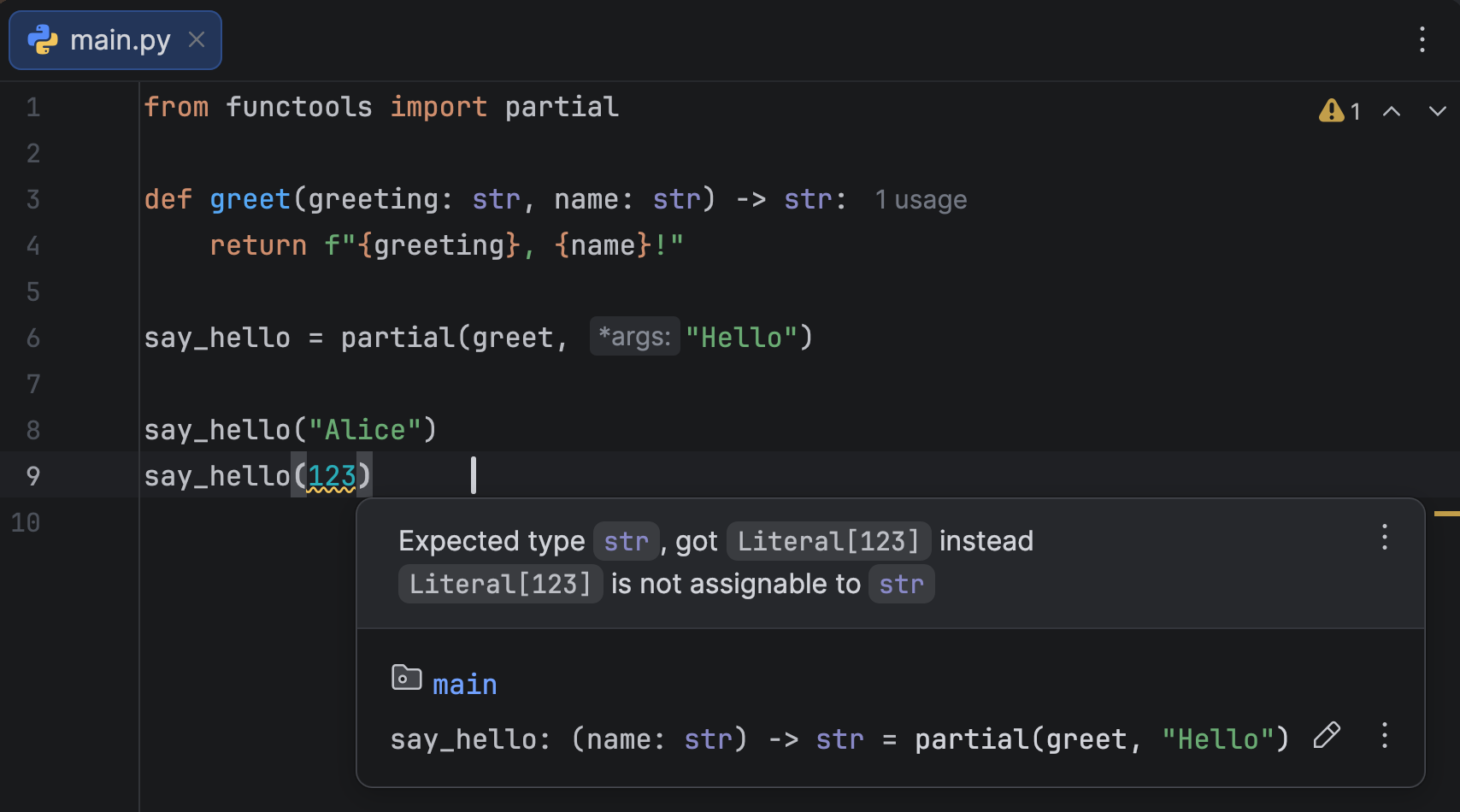
One of the most persistent frustrations for advanced Python developers has been the IDE’s inability to accurately parse complex function calls involving functools.partial. In previous versions, PyCharm often struggled to reconcile the remaining parameters of a partially applied function, resulting in misleading type warnings and poor autocompletion.
In PyCharm 2026.3, the static analysis engine has been fundamentally re-engineered to recognize partial objects as valid Callable instances. This allows the IDE to perform real-time type checking on remaining arguments, effectively eliminating a class of errors that previously required manual suppression. This improvement is particularly significant for developers utilizing functional programming patterns, as it brings the IDE’s intelligence closer to the dynamism of the Python runtime.

Furthermore, the handling of generic collections and type variables has seen a marked improvement. The IDE now demonstrates superior accuracy when dealing with bounded type variables and nested data structures. By reducing the frequency of false positives in type checking—specifically regarding Literal, Enum, and TypedDict types—JetBrains is helping developers maintain cleaner, more robust codebases. The inclusion of support for PEP 747’s TypeForm[T] and intersection types via ty_extensions.Intersection highlights PyCharm’s commitment to staying at the forefront of Python’s evolving type system.
Expanding the Ecosystem: Testing and External Tool Integration
The testing landscape within Python is increasingly fragmented, with developers oscillating between standard unittest, pytest, and custom internal harnesses. Recognizing this, PyCharm 2026.3 has expanded its integration capabilities to meet developers where they are.
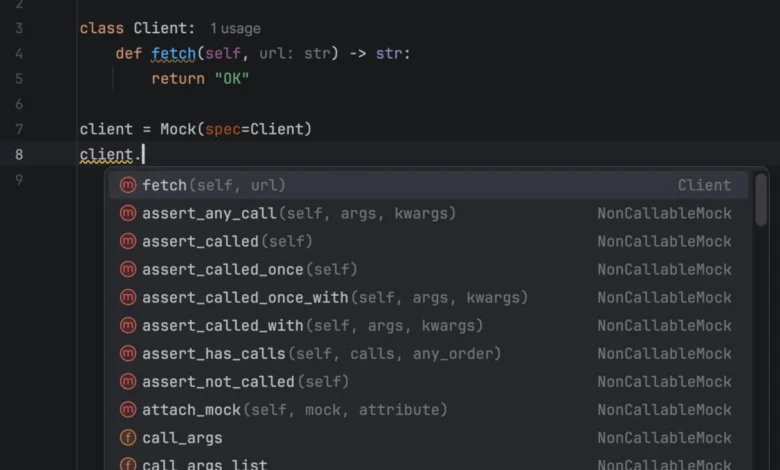
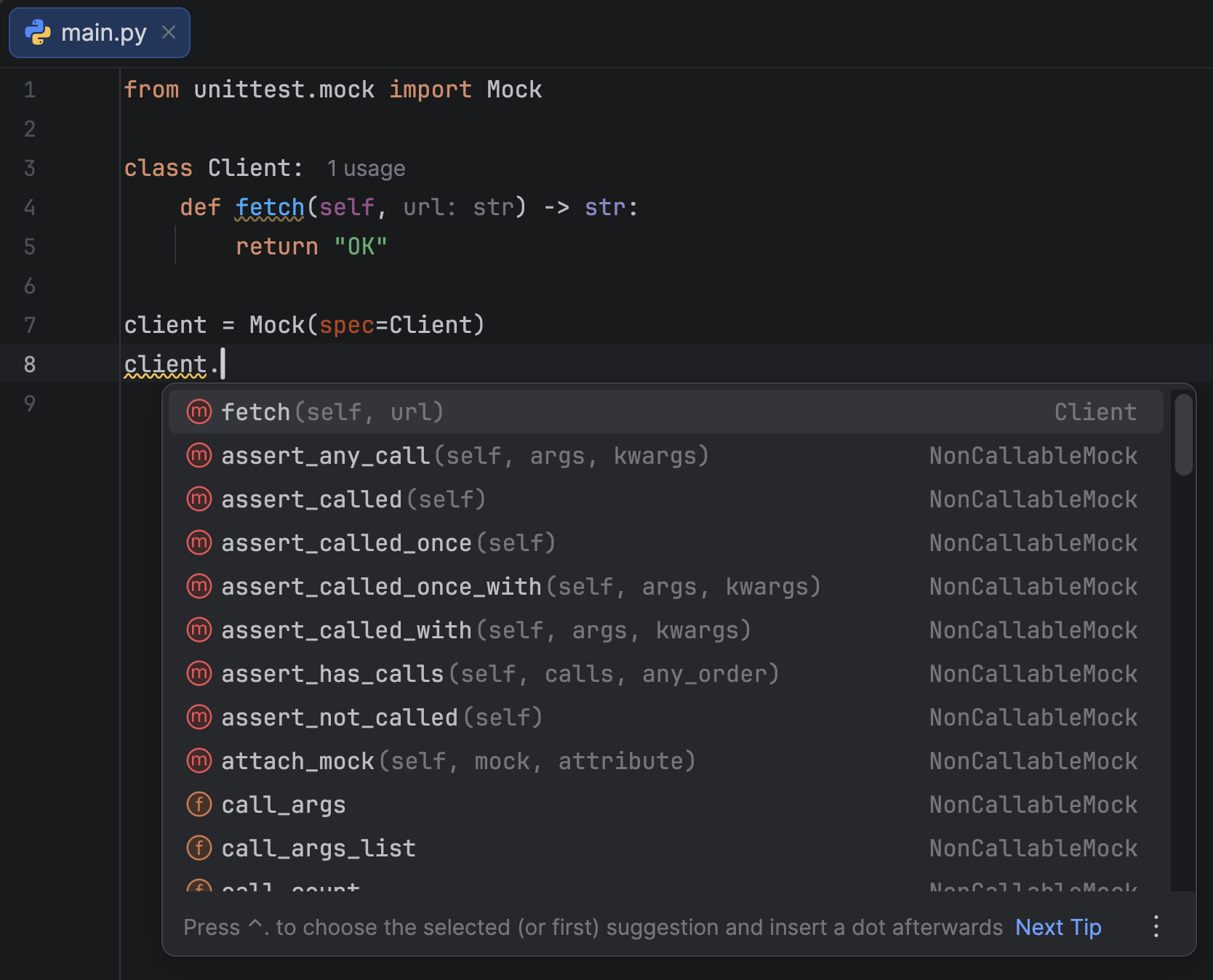
For projects relying on pytest-mock, the IDE now provides robust autocompletion for the mocker fixture and more intelligent navigation for mocker.patch() targets. This level of support ensures that even highly dynamic, mocked test environments remain navigable and debuggable. The ability to configure custom unittest runners—such as Django’s specialized runtests.py—allows teams with highly specific infrastructure to integrate their custom test outputs directly into the IDE’s native test execution tree.

Additionally, the IDE has expanded its support for modern, high-performance tooling. The inclusion of Zuban, a mypy-compatible language server, complements existing support for tools like Pyrefly and basedpyright. By allowing developers to choose their preferred type-checking backend, PyCharm 2026.3 positions itself as an agnostic, "hub" environment rather than a walled garden. The enhanced integration with Ruff—a tool that has rapidly become a standard for linting and formatting—now allows for automated, project-wide import optimization, significantly reducing the manual overhead of managing large dependency trees.
Framework-Specific Enhancements: Django, FastAPI, and SQLAlchemy
Modern web development relies heavily on frameworks that obscure complex logic behind magic methods and decorators. PyCharm 2026.3 introduces specific refinements for the most popular Python web frameworks:
- Django: The update offers comprehensive run configuration support for Django 6.0 and improved URL-name navigation for the Django REST framework’s
reverse()function, bridging a long-standing gap in developer productivity. - FastAPI: Beyond the introduction of interactive dependency graphs, the IDE has improved its handling of path parameters, ensuring that complex dependency injections no longer trigger erroneous warnings.
- SQLAlchemy: The ORM (Object-Relational Mapper) support has been expanded, with better inference for declarative models and more reliable completion for attributes defined via
relationship().
These framework-specific updates are not merely cosmetic; they represent a significant reduction in the cognitive load required to navigate large, database-driven web applications.
Environmental Reliability and Performance Metrics
The stability of the Python runtime environment is paramount, particularly when dealing with tools like conda and uv. Historically, PyCharm had issues synchronizing environment variables between the host system and the IDE’s integrated console. Version 2026.3 addresses these discrepancies, ensuring that conda activation scripts and uv workspace roots are consistently recognized.
Performance benchmarks provided by JetBrains indicate that these changes have had a measurable effect on startup times. By optimizing the IDE’s interaction with heavy libraries like matplotlib, the team has successfully shaved approximately 100 milliseconds off the initial load time for scripts, a change that, while seemingly minor, improves the fluidity of the development loop during rapid prototyping.
Debugging in the Modern Era
The debugpy engine has received a significant overhaul in this release. The introduction of "Set Value" and "Jump to Cursor" functionality within the debugger provides developers with the ability to manipulate the state of their application in real-time without the need for cumbersome print-statement debugging. This capability is particularly vital when diagnosing state-dependent bugs in asynchronous or long-running processes. Furthermore, the debugger now handles WSL (Windows Subsystem for Linux) test execution with greater reliability, acknowledging the shift toward hybrid development environments among professional engineers.
Broader Implications and Industry Context
The release of PyCharm 2026.3 arrives at a time when the Python ecosystem is seeing unprecedented growth, fueled by the surge in artificial intelligence and data science. As codebases grow in size and complexity, the burden on IDEs to provide accurate, non-intrusive assistance increases.
The strategy employed in this version—focusing on long-standing bug fixes—suggests a mature approach to software development. Rather than overwhelming the user base with experimental, half-finished features, JetBrains has chosen to solidify the foundations of its product. This move is likely to be viewed favorably by enterprise users, for whom IDE stability and predictable behavior are more critical than the inclusion of cutting-edge, unstable experimental tools.
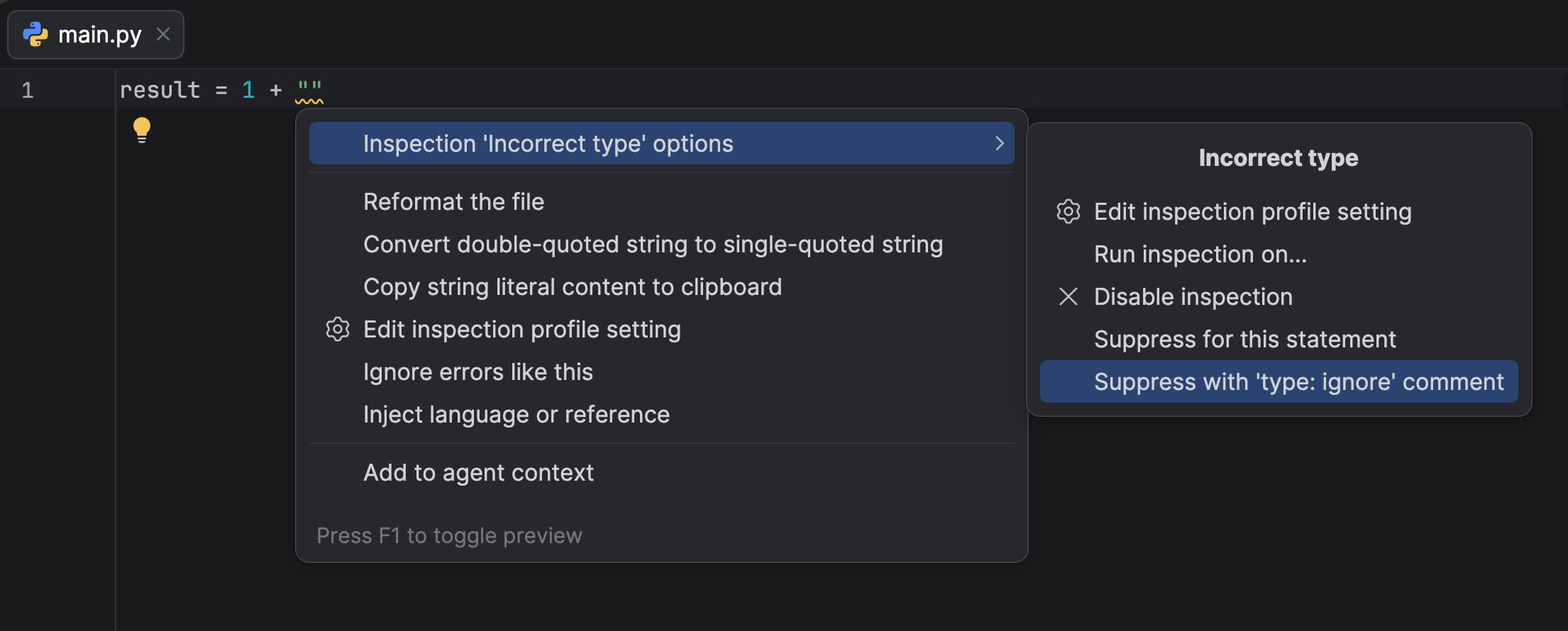
By reconciling decades of user feedback through the YouTrack platform, the company is effectively building a "trust-based" relationship with its community. The ability to suppress warnings more precisely, the improved formatting options for consecutive assignments, and the expanded Jupyter notebook search capabilities all point toward a product that is listening to the granular needs of its daily users.
Conclusion
PyCharm 2026.3 is a release characterized by depth rather than breadth. It represents a mature product that has shifted its focus toward the nuances of the Python language and the realities of modern development workflows. Whether it is through the seamless handling of functools.partial, the robust integration with the uv ecosystem, or the sophisticated debugging capabilities offered by debugpy, the version provides a tangible boost to productivity. For the professional developer, the cumulative value of these 303 fixes is substantial, offering a more stable, predictable, and intelligent environment in which to build the next generation of software. As the Python landscape continues to diversify, the emphasis on core reliability shown in 2026.3 ensures that PyCharm remains a dominant force in the IDE market, ready to handle the complexities of both today’s and tomorrow’s development challenges.