Uncertainty surrounds COVID-19 vaccine rollout as federal health agencies face scrutiny over administrative delays and policy shifts.

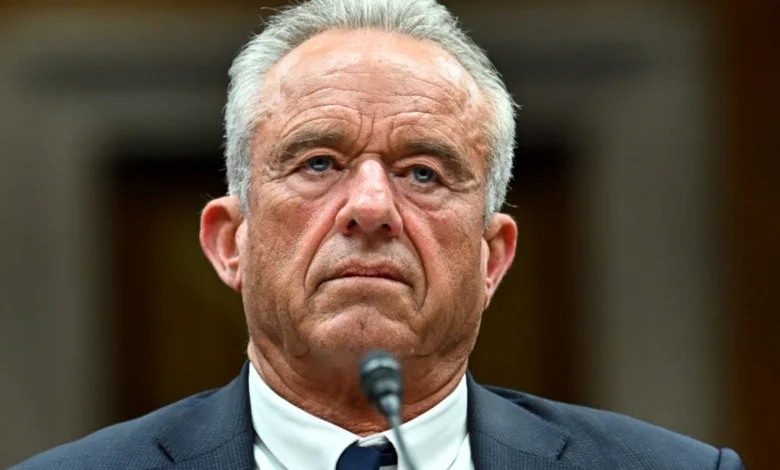
The Department of Health and Human Services (HHS) confirmed late Thursday that the ordering process for COVID-19 vaccines is finally open to providers, though the agency remains silent regarding the root cause of a recent, unexplained administrative delay that stalled the rollout. This latest hurdle in the distribution process occurs against a backdrop of ongoing friction between public health experts and the current administration’s leadership, specifically regarding the stewardship of vaccine policy under the direction of Health Secretary Robert F. Kennedy Jr.
The delay in vaccine availability has sparked concern among healthcare providers and patient advocacy groups, particularly as the respiratory virus season approaches. While the federal government has now authorized the resumption of orders, the lack of transparency regarding the cause of the disruption has deepened the rift between the agency and the broader medical establishment.
A History of Policy Contention
The recent administrative stall is the latest chapter in a multi-year effort by Secretary Kennedy to reconfigure federal guidance on COVID-19 immunization. Long before his appointment to lead the HHS, Kennedy was a vocal critic of the federal response to the pandemic. He has frequently characterized the vaccines as the “deadliest vaccines ever made,” a claim that has been systematically debunked by major medical institutions and peer-reviewed safety data from the Centers for Disease Control and Prevention (CDC) and the Food and Drug Administration (FDA).
Kennedy’s tenure as health secretary has been marked by a series of unilateral policy changes, most notably his decision last year to revoke the CDC’s universal recommendations for COVID-19 vaccinations. That decision effectively dismantled the agency’s longstanding stance that broad immunization was a cornerstone of public health protection.
The legal environment surrounding these changes has been volatile. In March, a federal judge issued an injunction halting several policy shifts pushed by the HHS under Kennedy’s leadership. The court’s intervention effectively froze the CDC’s vaccine guidance, pinning the current regulatory framework to the protocols established in July 2025. This legal stalemate has left providers in a state of confusion, caught between the shifting directives of federal authorities and the consensus of the medical community.
The July 2025 Regulatory Framework
As of the latest update to the CDC’s clinical guidance, the official recommendation for children aged 6 months to 17 years remains tied to the July 2025 immunization schedule. Under these parameters, the vaccine is explicitly recommended for children in this age range who are moderately to severely immunocompromised. For healthy children, the guidance shifts to a model of "shared clinical decision-making," which effectively places the onus on parents and physicians to determine the necessity of the shot on a case-by-case basis.
The CDC’s newly updated clinical guidance for the 2026-2027 respiratory season includes a specific notation addressing this stagnation: “Because of legal uncertainties and inquiries, the CDC states the recommendations for COVID-19 vaccination from the July 2025 immunization schedule remain in effect for the 2026-2027 respiratory illness season.”
This language underscores the paralysis currently affecting federal health policy. By tying its current guidance to a static point in the past, the CDC is essentially shielding itself from further administrative directives while simultaneously distancing itself from modern, evolving clinical standards.
Divergence from Medical Consensus
The federal government’s current posture stands in stark contrast to the recommendations issued by major professional medical societies, including the American Medical Association (AMA) and various pediatric associations. These organizations have remained consistent in their advocacy for more robust immunization coverage.
According to the most recent guidelines published by leading medical groups for the 2026-2027 fall season, the clinical consensus is significantly broader than the federal framework. Leading medical bodies recommend that all infants between 6 months and 23 months of age receive the COVID-19 vaccine. For children between 2 and 18 years old, these groups advocate for vaccination if the child is at higher risk for severe illness, or if the child or their parents express a desire to be immunized.
This gap between federal policy and clinical consensus has significant real-world implications. When federal agencies provide narrow guidance, it can influence insurance coverage, hospital procurement, and the availability of vaccines at local pharmacies. When the federal stance is significantly more conservative than the consensus of pediatricians and immunologists, it creates a "mixed messaging" environment that can drive down overall uptake, even among populations that medical experts believe would benefit from immunization.
Data and Public Health Impact
The effectiveness of COVID-19 vaccines in preventing severe outcomes among children and adolescents has been the subject of extensive study since 2021. Real-world evidence, including data from the CDC’s own surveillance systems, has consistently shown that immunization significantly reduces the risk of multisystem inflammatory syndrome in children (MIS-C) and hospitalizations related to COVID-19.
Despite these data points, the policy shifts initiated by the current administration have sought to emphasize individual risk-benefit calculations over population-level immunity. Public health researchers argue that this pivot ignores the reality of respiratory virus transmission, where vaccination of the youth population plays a dual role: protecting the child from complications and reducing the community spread that inevitably impacts older and more vulnerable adults.
The administrative delay in ordering vaccines may further exacerbate existing disparities in access. In rural or underserved communities, where the vaccine supply chain is already fragile, any disruption in federal ordering can result in significant gaps in availability. Healthcare providers in these regions often rely on centralized, consistent federal guidance to manage their inventory; when that guidance is delayed or muddled, the administrative burden on clinics increases, often leading to a reduction in the number of vaccines stocked.
Implications of the Current Standoff
The situation reflects a broader, systemic struggle over the role of federal health agencies in American life. Historically, agencies like the CDC have functioned as non-partisan arbiters of scientific fact. The current environment, defined by legal challenges and ideological intervention, has transformed these agencies into battlegrounds for policy debate.
The long-term implications of this shift are twofold. First, there is the immediate risk to public health, as the confusion surrounding vaccine eligibility and availability may lead to lower vaccination rates this winter. Experts warn that even a minor decline in pediatric vaccination rates can have a measurable impact on emergency room visits during the peak of the respiratory virus season, which typically spans from late fall to early spring.
Second, there is the institutional damage to the agencies themselves. When the public perceives that clinical guidance is being influenced by political maneuverings rather than the latest laboratory findings, public trust in health institutions is eroded. Restoring this trust is a task that often takes years, and observers note that the current administration’s frequent pivots and lack of communication regarding the vaccine ordering delay have only deepened the public’s skepticism.
Moving Forward
As the respiratory season progresses, all eyes will be on the efficacy of the current distribution process. While HHS has confirmed that the system is operational, the lingering questions about why the delay occurred in the first place remain unanswered. For the families, pediatricians, and local health departments currently navigating the 2026-2027 season, the priority is clarity.
The medical community is expected to continue its push for more comprehensive vaccination guidelines, independent of the federal government’s current legal entanglements. Whether or not the HHS will eventually harmonize its recommendations with those of the broader medical establishment remains to be seen. In the meantime, the divide between federal policy and clinical best practices represents a significant challenge for the American healthcare system.
The coming months will serve as a stress test for the nation’s immunization infrastructure. Should the current administration continue to prioritize a restrictive approach to vaccine accessibility, the role of professional medical organizations in filling the information gap will become increasingly critical. For now, however, the federal stance remains fixed in the past, leaving patients and providers to navigate a complex and often contradictory landscape of health guidance.
Related posts: