The Resurgence of Measles in the United States and the Challenges Facing Public Health Infrastructure

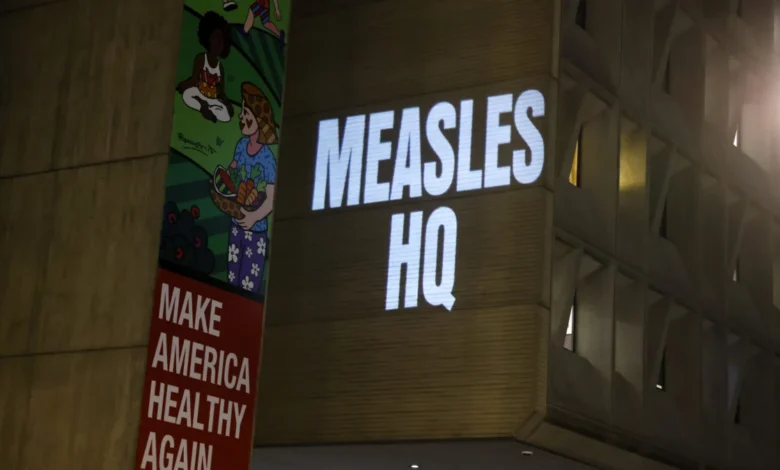
Measles, a disease once declared eliminated from the United States in 2000, has staged a significant and concerning comeback, leaving public health officials scrambling to contain outbreaks that have reached levels not seen in over three decades. The resurgence is characterized by a confluence of rising vaccine hesitancy, record-high exemption rates, and a shifting landscape in federal health leadership that has introduced new complexities into how mortality and morbidity data are reported and managed.
The Historical Context of Elimination
In the late 20th century, the United States achieved a monumental public health milestone: the elimination of indigenous measles transmission. This success was not the result of chance but the byproduct of a robust, decades-long commitment to high-coverage vaccination programs. By the year 2000, through the widespread implementation of the two-dose measles, mumps, and rubella (MMR) vaccine regimen, the virus was no longer considered endemic to the country.
For years, the public health consensus remained firm: the MMR vaccine is among the safest and most effective medical interventions in human history. With 97 percent efficacy after two doses, the vaccine serves as the primary barrier against a virus that is among the most infectious pathogens known to science. Measles can remain suspended in the air for up to two hours after an infected person has left a room, making it a severe threat to unvaccinated populations.
Chronology of the 2024-2025 Outbreak
The current surge did not occur in a vacuum. It follows a multi-year trend of declining routine childhood immunizations, exacerbated by the COVID-19 pandemic, which disrupted pediatric care and intensified skepticism toward institutional medical guidance.
The data for 2024 reveals a stark upward trajectory. As of the most recent reporting period, the Centers for Disease Control and Prevention (CDC) has tallied at least 3,659 confirmed cases of measles across the country. This figure represents the highest annual case count since 1991, signaling that the progress made during the previous 24 years of elimination status is actively eroding.
Throughout the spring and summer of 2024, focal points of the outbreak began to emerge, particularly in states with high concentrations of non-medical vaccine exemptions. By late 2024, the Pennsylvania health department identified localized clusters that necessitated emergency intervention. In response, state health officials initiated an aggressive vaccination campaign, establishing pop-up clinics in affected districts. According to the state’s internal metrics, nurses have administered over 8,500 MMR doses this year, with more than 5,500 of those delivered in direct response to the surge in outbreak zones.
The Controversy Over Data Reporting and Mortality
A significant point of tension in the current crisis involves the transparency of federal data. Under the leadership of U.S. Health Secretary Robert F. Kennedy Jr., the CDC has faced scrutiny regarding its methodology for reporting measles-related deaths. Historically, public health agencies have maintained standardized definitions for mortality associated with infectious diseases. However, there have been reports of shifted criteria for how the CDC classifies a "measles death," leading to a reported count of only two fatalities nationwide.
Independent medical analysts and local health departments in hard-hit areas have noted discrepancies between local mortality reporting and the federal tally. The ambiguity surrounding which two cases have been included in the CDC’s official count has raised questions among epidemiologists and public health advocates regarding the potential for data obfuscation. Critics argue that changing the criteria during a live, escalating outbreak risks obscuring the true lethality of the virus, potentially leading the public to underestimate the risks associated with remaining unvaccinated.
Analysis of Vaccination Rates and Exemptions
The decline in vaccination rates is the primary driver of the current crisis. National data indicates that for the first time in recent history, the percentage of kindergartners who have received the required doses of the MMR vaccine has dipped below the 95 percent threshold necessary to maintain community, or "herd," immunity.
The rise in non-medical exemptions—which include religious and philosophical objections—has been particularly pronounced. In several states, the rate of these exemptions has reached an all-time high, creating pockets of susceptibility where the virus can spread rapidly. Public health experts suggest that these gaps in immunity are not distributed evenly, often clustering in specific communities where social networks and local policy shifts have normalized vaccine refusal.
The Impact of Public Discourse on Policy
The rhetoric surrounding vaccines has shifted dramatically in the current political climate. The influence of high-profile figures, including the Secretary of Health and Human Services, has been cited by medical associations as a significant factor in the public’s changing perception of the MMR vaccine. By frequently questioning the safety and efficacy of established immunization schedules, these voices have provided a platform for anti-vaccine sentiment that was previously relegated to the periphery of medical discourse.
The professional response from the medical community has been one of alarm. Organizations such as the American Academy of Pediatrics (AAP) and the Infectious Diseases Society of America (IDSA) have issued statements reaffirming that the scientific evidence for the safety of the MMR vaccine is insurmountable. These groups argue that the politicization of vaccination is directly linked to the surge in cases, as it complicates the efforts of frontline clinicians to educate parents and address vaccine hesitancy.
Broader Public Health Implications
The implications of a sustained measles outbreak extend far beyond the immediate morbidity count. Measles is known to cause long-term "immune amnesia," a phenomenon where the virus wipes out the memory cells that protect the body against other pathogens, leaving survivors vulnerable to secondary infections for months or even years after recovery.
Furthermore, the resources required to contain a single outbreak are substantial. Contact tracing, mass immunization clinics, and the potential for hospital strain place a heavy burden on state and local health departments. In Pennsylvania, the intensity of the response—shifting thousands of state-employed nurses to vaccination clinics—demonstrates the high opportunity cost of controlling a disease that should have remained a relic of the past.
Economically, the cost of managing measles outbreaks is significant. When the virus enters a community, the cost of quarantine for exposed individuals, lost work hours, and medical treatment for those who become severely ill can reach into the millions of dollars per outbreak.
Strategic Responses and Future Outlook
As the nation moves forward, the strategy for addressing the resurgence is centered on re-establishing trust and accessibility. Health departments are emphasizing that the vaccine is not merely a personal choice but a civic responsibility. They point to the "97 percent" protection statistic as the gold standard for individual safety.
However, health officials face an uphill battle. The challenge lies in reaching communities where misinformation has become deeply entrenched. Traditional public health messaging, which relies on top-down authority, has seen diminished returns in an era where digital echo chambers often override institutional expertise.
Moving forward, the effectiveness of the U.S. response will likely depend on three factors:
- Data Integrity: Whether the CDC returns to its established, objective criteria for mortality and morbidity reporting, ensuring that the public has an accurate understanding of the disease’s impact.
- Policy Enforcement: Whether states choose to tighten exemption laws to prevent further slippage in school-age vaccination coverage.
- Engagement: Whether the public health sector can successfully pivot to more effective communication strategies that address the specific concerns of vaccine-hesitant populations without compromising the scientific consensus.
For now, the situation remains fluid. With cases continuing to be reported and the virus finding new hosts in communities with low vaccination coverage, the window for containing the outbreak is narrowing. The resurgence of measles serves as a stark reminder that public health achievements are fragile and that without consistent vigilance and scientific integrity, the diseases of the past can quickly become the threats of the present. The medical community remains united in its position: the only path back to an elimination status is a renewed, nationwide commitment to the rigorous, evidence-based vaccination schedules that protected the country for decades. As the health departments continue their work in the field, the success of these efforts will be measured by their ability to close the immunity gaps that have allowed this highly infectious virus to return to American soil.