Strengthening Public Health Through Centralized Mosquito Surveillance: Addressing New York’s Fragmented Defense Against Vector-Borne Diseases

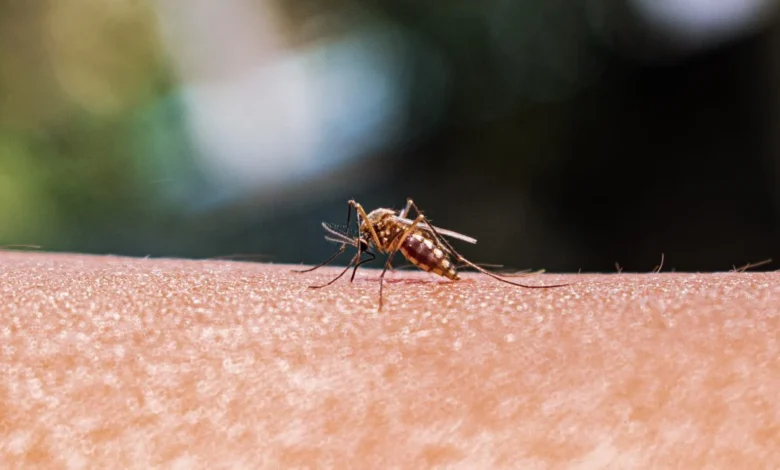
The fundamental architecture of public health relies on early detection and proactive intervention, yet in the state of New York, the front line of defense against mosquito-borne illnesses is currently characterized by a lack of coordination and significant resource disparities. As climate change continues to alter the ecological landscape of the Northeastern United States, the expansion of mosquito ranges and the introduction of invasive species have turned what was once a seasonal nuisance into a complex epidemiological challenge. Current monitoring programs, which are essential for identifying the presence of viruses such as West Nile and Eastern Equine Encephalitis (EEE), are often labor-intensive, prohibitively expensive, and highly localized, leading to a "patchwork" system that leaves many regions vulnerable.
The Logistics of Modern Mosquito Surveillance
The process of monitoring mosquito populations is far more complex than simply counting insects. It requires a sophisticated blend of entomology, chemistry, and field logistics. Surveillance teams must deploy a variety of specialized traps designed to target different species and life stages of the mosquito. One common method involves the use of "gravid traps," which utilize "stinky water"—a concoction of decaying organic material—to attract female mosquitoes looking for a place to lay their eggs. These traps are particularly effective for catching mosquitoes that have already taken a blood meal, making them ideal for testing the presence of pathogens.
Another critical tool in the surveillance arsenal is the carbon dioxide (CO2) trap. These devices utilize dry ice or pressurized canisters to release CO2, mimicking the breath of mammals. Mosquitoes, which hunt by detecting the CO2 plumes exhaled by their prey, are lured into the trap and captured. However, the logistical burden of this method is substantial. In rural parts of New York, where industrial supplies are limited, obtaining dry ice is a recurring obstacle. Researchers, such as those in Brian Leydet’s lab at the State University of New York College of Environmental Science and Forestry (SUNY ESF), have frequently found themselves forced to manufacture their own dry ice to keep their monitoring programs operational.
Beyond the physical collection of samples, the surveillance process requires a high degree of specialized labor. Once traps are collected, the samples must be transported to laboratories where trained taxonomists identify and sort the mosquitoes by species. This is a critical step, as only certain species are capable of carrying specific diseases. Following identification, the samples undergo molecular testing to detect viral RNA. The costs associated with specialized equipment, chemical reagents, and the salaries of skilled scientists make these programs difficult to maintain for many local jurisdictions.
A Fragmented Defensive Shield
The primary weakness of the current system lies in its decentralization. In New York, mosquito surveillance is largely the responsibility of individual counties. While some affluent or high-risk downstate counties maintain robust, year-round programs with significant staffing, many rural upstate counties lack the budget and infrastructure to conduct regular testing. According to Brian Leydet, an assistant professor of epidemiology and disease ecology, this results in a "hit or miss" approach to public health.
"A lot of these surveillance programs are run by the counties, and they’re not really talking to each other," Leydet noted. This lack of communication means that data collected in one county may not be shared with its neighbors in a timely fashion, preventing the formation of a cohesive statewide picture of mosquito activity. When surveillance is conducted in isolation, the movement of invasive species or the migration of infected bird populations (which serve as reservoirs for many mosquito-borne viruses) can easily go unnoticed.
Leydet’s research has highlighted the consequences of this disintegrated system. His lab found that the current patchwork approach allows invasive species, such as the Aedes albopictus (Asian tiger mosquito), to expand their territory "under the radar." This species is of particular concern to public health officials because it is a known vector for several serious diseases, including Dengue, Zika, and Chikungunya. Without a unified surveillance network, these species can establish permanent populations in new regions long before local health departments are aware of their presence.
The Economic and Resource Barrier
Funding remains the most significant hurdle to achieving comprehensive surveillance. Public health budgets are often subject to fluctuations based on political priorities and immediate crises. When a particular year sees low infection rates, the perceived threat of mosquito-borne illness diminishes, and funding for monitoring programs is often the first to be cut.
"If the county doesn’t have money or resources, these programs fade away," Leydet explained. This creates a dangerous cycle of reactive public health management. When surveillance programs are dismantled or underfunded, the state loses its ability to predict outbreaks. Instead of implementing preventative measures, officials are forced to respond to human cases of illness after they have already occurred. "If we don’t have these surveillance programs, then all we’re doing is responding to a problem when it’s already a problem, and that’s never how prevention works," Leydet added.
The cost of prevention, while high, is significantly lower than the economic and human cost of an outbreak. Treatment for a single case of Eastern Equine Encephalitis, which has a 30% mortality rate and often leaves survivors with permanent neurological damage, can cost hundreds of thousands of dollars in medical expenses and lost productivity. In contrast, the cost of a robust statewide surveillance program is a predictable investment that can mitigate these catastrophic outcomes.
Legislative Reform: Senate Bill S10393
Recognizing the failures of the current decentralized model, New York State legislators have introduced a new bill aimed at revolutionizing the state’s approach to vector-borne disease management. Senate Bill S10393, introduced in the current legislative session, seeks to lay the groundwork for a comprehensive and centralized mosquito surveillance program.
The bill describes the existing system as "sparse and disintegrated" and proposes a framework that would move the primary responsibility for coordination to the state level. Key components of the legislation include:
- Standardized Protocols: Establishing uniform methods for trapping, identification, and testing to ensure that data is comparable across all counties.
- Centralized Data Sharing: Creating a statewide database where surveillance results can be uploaded and analyzed in real-time by the Department of Health.
- Sustainable Funding: Providing state-backed financial resources to ensure that rural and underfunded counties can maintain consistent monitoring programs regardless of local budget constraints.
- Early Warning Systems: Using surveillance data to trigger public health alerts and proactive mitigation efforts before human cases are reported.
By centralizing the process, the state can ensure that specialists and resources are utilized efficiently, reducing the burden on individual counties while increasing the overall efficacy of the surveillance network.
Climate Change and the Expanding Range of Pathogens
The urgency of this legislative action is underscored by the undeniable impact of climate change on the Northeast. Rising average temperatures and increasingly frequent extreme weather events, such as heavy rainfall and flooding, are creating ideal breeding conditions for mosquitoes. Warmer winters allow more mosquito eggs to survive into the spring, while longer, hotter summers accelerate the life cycle of the insects and the replication of the viruses they carry.
Historically, diseases like West Nile Virus were considered rare in the more northern reaches of New York. However, data from the past two decades shows a steady northward migration of both the mosquitoes and the pathogens. The New York State Department of Health has tracked an increasing number of West Nile-positive mosquito pools in counties that previously reported zero activity.
The expansion of the Aedes genus of mosquitoes is particularly alarming. These mosquitoes are more aggressive than the native Culex species and are better adapted to urban environments, where they can breed in tiny amounts of water, such as those found in discarded bottle caps or saucers under flowerpots. A centralized surveillance system would be better equipped to track the subtle movements of these invasive species as they take advantage of the warming climate.
The Shift from Reaction to Proactive Prevention
A robust surveillance program allows public health officials to employ a tiered response strategy. When monitoring indicates an uptick in mosquito populations or the presence of a virus in a specific area, proactive measures can be taken to disrupt the transmission cycle.
These measures include:
- Source Reduction: Working with communities to remove standing water from properties, which eliminates breeding habitats.
- Targeted Larvicides: Applying biological or chemical agents to known breeding sites to kill mosquito larvae before they reach adulthood. This is generally considered more environmentally friendly than adulticiding (spraying for adult mosquitoes).
- Public Education: Issuing targeted warnings to residents in high-risk areas, advising them to wear insect repellent, cover bare skin, and avoid outdoor activities during peak mosquito hours (dusk and dawn).
- Strategic Adulticiding: In cases where an outbreak is imminent, centralized data allows for the precise application of pesticides via truck or aircraft, minimizing environmental impact while maximizing public safety.
Without the data provided by surveillance, these interventions are often applied too late or too broadly, leading to wasted resources and unnecessary environmental exposure to chemicals.
Broader Implications for Public Health Policy
The debate over New York’s mosquito surveillance bill reflects a broader tension in public health: the challenge of maintaining long-term preventative infrastructure in the face of competing fiscal demands. Leydet acknowledged that while there is general interest in these programs, the "sticker shock" often leads to hesitation among policymakers. "There is general interest in these programs, but when you start seeing what they cost, it’s like, ‘Maybe we’re not that interested,’" he said.
However, the COVID-19 pandemic has highlighted the dangers of a fragmented public health response and the importance of robust diagnostic and surveillance networks. The proposed centralization of mosquito monitoring in New York could serve as a model for other states facing similar challenges with vector-borne diseases, such as Lyme disease, which is also on the rise in the region.
As the legislative session progresses, the fate of S10393 will depend on whether lawmakers view mosquito surveillance as a discretionary expense or a fundamental component of state security. For researchers like Leydet and public health officials on the ground, the choice is clear. While the cost of a centralized program is significant, the cost of inaction—measured in medical bills, long-term disability, and lost lives—is far higher. As Leydet concluded, "any help is better than nothing," but a coordinated, state-wide strategy is the only way to stay ahead of an increasingly mobile and dangerous threat.
Related posts: