AWS Transform continuous modernization reaches general availability to combat escalating technical debt and software vulnerabilities

The rapid acceleration of software development cycles has brought the enterprise technology industry to a critical inflection point where the speed of innovation is increasingly being offset by the accumulation of technical debt and an expanding surface area for cybersecurity threats. To address this structural challenge, Amazon Web Services (AWS) has announced the general availability of its AWS Transform continuous modernization capability. This launch marks a significant shift in how organizations manage their codebases, moving away from traditional, periodic manual audits toward an automated, always-on framework that identifies, prioritizes, and remediates technical debt in real time.
The Evolution of Modernization: From Periodic Audits to Continuous Loops
The concept of continuous modernization, which recently debuted in a public preview phase led by Micah Walter, was conceived as a direct response to the "velocity paradox." As organizations adopt agentic AI and automated coding tools to push features to production faster, the volume of code generated—and subsequently requiring maintenance—has surged. Historically, engineering teams have relied on a fragmented ecosystem of point tools, manual code reviews, and periodic sprints to address technical debt. These legacy methods are inherently reactive, often resulting in "shadow" regressions and status reports that lag behind the actual state of the codebase.
The timeline of this deployment reflects a concerted effort by AWS to integrate these capabilities directly into the developer workflow. Following the initial public preview announcement, the engineering team focused on closing the feedback loop by introducing a dedicated web application interface, an updated Command Line Interface (CLI), and integration tools for Integrated Development Environments (IDEs). The shift to general availability signifies that the platform is now fully supported across authorized AWS regions, allowing enterprise-scale organizations to adopt the service as a standard operational practice.
Technical Architecture and Operational Impact
At its core, AWS Transform functions as an automated intelligence layer that connects to major source control management (SCM) systems, including GitHub, GitLab, and Bitbucket, as well as local repository structures. By scanning these repositories, the system generates a prioritized list of findings based on severity and impact. Unlike static analysis tools that simply flag syntax issues, AWS Transform provides the ability to autonomously generate validated pull requests, effectively closing the loop from discovery to remediation.
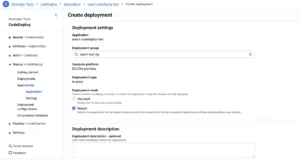
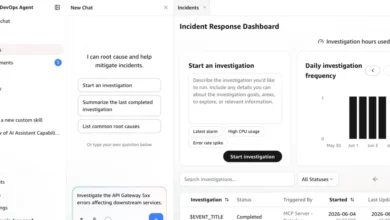
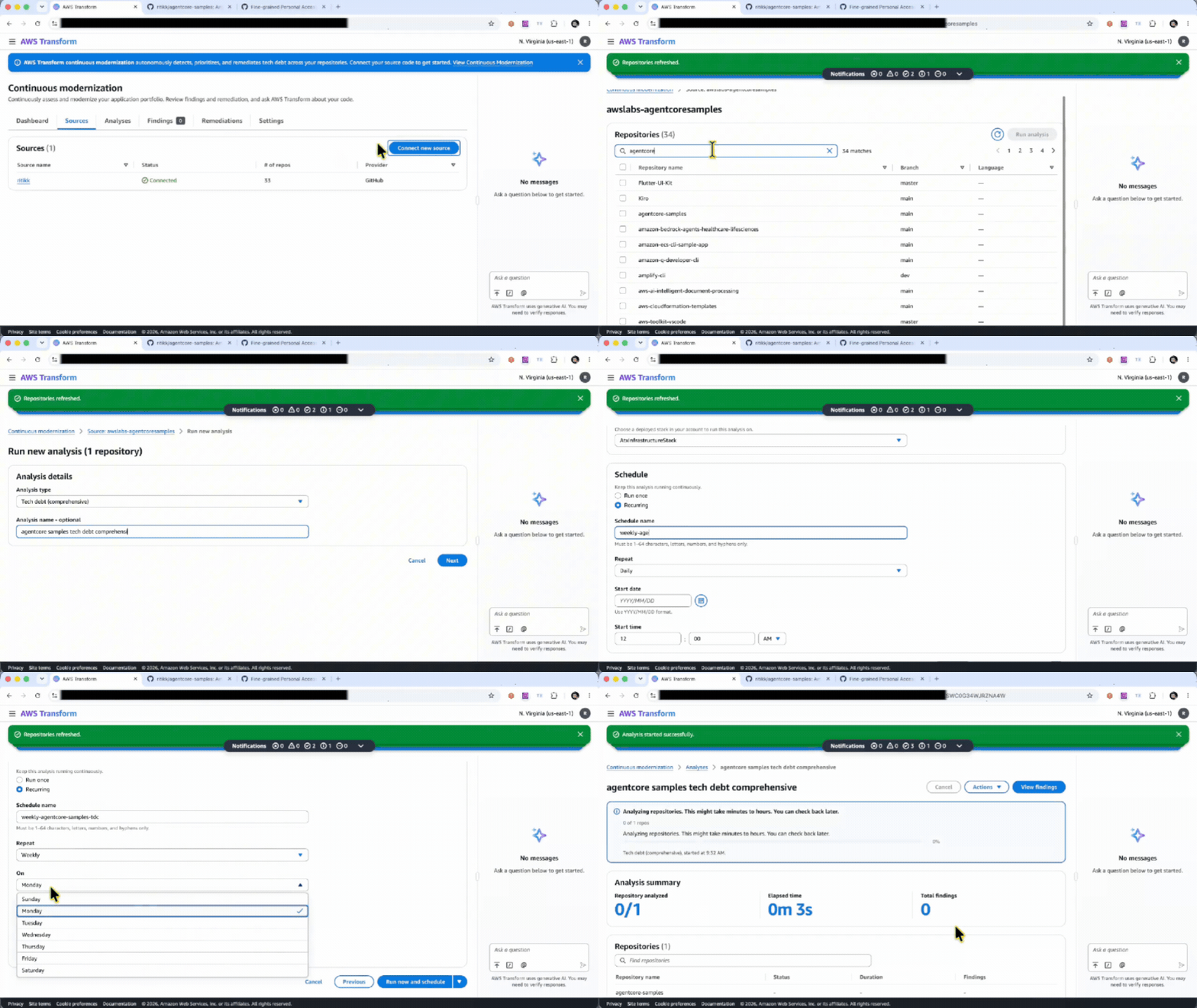
The introduction of the AWS Transform web application provides a centralized control plane for these operations. Users can now initiate analyses, schedule recurring scans, and review technical debt trends through a dashboard that offers portfolio-wide visibility. This is a marked improvement over manual auditing, which often fails to capture the evolution of debt across disparate repositories. For larger enterprises, the ability to tag repositories and execute batch analyses—using the updated atx ct (v3.8.0) CLI—allows for the orchestration of modernization efforts across thousands of files simultaneously. By utilizing infrastructure backends like Amazon EC2 and AWS Batch, the system ensures that these resource-intensive scans do not throttle the performance of the development environment.
Quantifying the Efficiency Gains
Data provided by early adopters of the continuous modernization framework underscores the shift in resource allocation. For many organizations, the primary friction point in software maintenance has been the "analysis phase," which historically consumed weeks of developer time.
Quantiphi, a firm specializing in AI-powered engineering, reported a significant reduction in operational overhead. By deploying AWS Transform across more than 500 repositories, the company condensed a traditional three-week assessment cycle into less than one week. This represented a 60% reduction in manual effort, allowing engineering teams to pivot from diagnostic labor to innovative development. Similarly, Tech Mahindra observed an 80% reduction in assessment time—dropping from 40 hours to just 8 hours across a 25-repository test suite—validating the scalability of the automated engine.
Further evidence of the platform’s efficacy is seen in its ability to detect security risks that bypass traditional scanners. Cybage Software noted that the capability frequently identified "hidden" vulnerabilities, such as disabled security warnings or insecure legacy code snippets that conventional security tools often overlook. By integrating these findings into a broader delivery framework, Cybage was able to convert raw scan data into prioritized, actionable migration plans.
Implications for Enterprise Security and Strategy
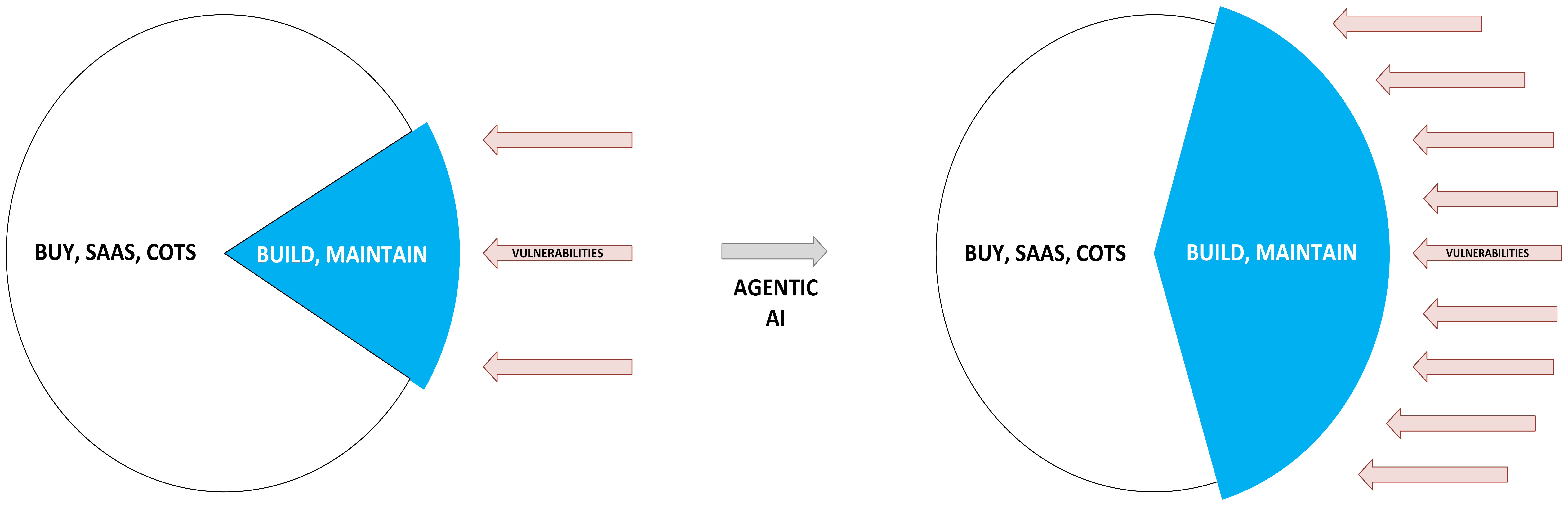
The broader implications of this technology reach beyond simple code cleanup. In the current cybersecurity landscape, the "blast radius" of a vulnerability is often exacerbated by the sheer scale of modern microservices architectures. When technical debt is left unaddressed, it functions as a force multiplier for potential exploits. By automating the identification of out-of-date dependencies and insecure coding patterns, AWS Transform effectively narrows the window of exposure.
3Pillar, an IT services firm, estimated that the integration of continuous modernization could reduce the overall modernization lifecycle by 40% to 50%. This creates a strategic advantage for IT leaders who have previously viewed modernization as a "bane of existence"—a multi-year, costly endeavor. By moving from discovery to a concrete migration plan in a matter of hours rather than months, organizations can maintain a more resilient, "future-ready" application stack.
Expert Analysis: The Shift to Proactive Maintenance
Industry observers note that the transition to an automated modernization model is an inevitable outcome of the "AI-agentic" era. As AI-driven coding assistants become ubiquitous, the volume of code will only continue to scale. If maintenance remains a manual or periodic human-led activity, the gap between production speed and technical integrity will become unbridgeable.
The AWS approach suggests a future where "Technical Debt" is managed as a live metric rather than a quarterly audit item. By providing developers with tools like the Kiro power plugin or direct CLI access, AWS is attempting to embed this awareness into the daily workflow. The ability to "resume" scans and maintain a baseline of code health means that when a repository drifts from established standards, the system can surface the regression immediately, rather than waiting for the next scheduled review.
Looking Ahead: The Future of Autonomous Remediation
While the current general availability covers core modernization and technical debt analysis, the roadmap for AWS Transform points toward deeper integration with enterprise delivery pipelines. The capability to not only identify but also validate and propose code fixes creates a foundation for a truly "self-healing" infrastructure.
For organizations currently struggling with bloated, legacy-heavy application portfolios, the primary takeaway from the general availability of this service is that modernization is no longer an all-or-nothing project. It is now a continuous operational capability. As the platform matures, it is expected that AWS will continue to broaden its support for diverse programming languages and platform-specific modernization requirements.
In summary, the availability of AWS Transform marks the end of an era where "modernization" was a synonym for "disruptive, multi-month migration project." By treating code health as a dynamic, measurable, and actionable data stream, AWS has provided a blueprint for how large-scale enterprises can maintain agility without sacrificing the security and stability of their software investments. Whether through the web-based dashboard for management oversight or the CLI and IDE tools for frontline developers, the focus remains on transforming the way codebases are managed from the inside out. As enterprises continue to scale, the adoption of such automated frameworks will likely become a prerequisite for any organization looking to maintain a competitive edge in an increasingly automated development ecosystem.
Related posts: