The Evolution of Markdown Publishing A Comprehensive Guide to Docsify-This and the Future of Zero-Setup Web Content

The landscape of digital publishing is undergoing a significant shift as creators move away from heavy content management systems toward lightweight, portable formats. At the forefront of this movement is Docsify-This, an open-source project designed to bridge the gap between raw Markdown files and professional, responsive web pages. By leveraging the power of Docsify.js, this tool allows users to publish and share content without the traditional overhead of website setup, server configuration, or complex build processes. In an era where "no-code" and "low-code" solutions are increasingly prioritized, Docsify-This offers a unique proposition: the ability to turn any publicly accessible Markdown file into a standalone web entity instantly. This development marks a pivotal moment for educators, technical writers, and developers who require a streamlined method for distributing information across disparate platforms, including learning management systems and internal corporate portals.
The Technical Foundation and Genesis of Docsify-This
To understand the impact of Docsify-This, one must first examine its architectural predecessor, Docsify.js. Unlike traditional static site generators such as Jekyll or Hugo, which require a build step to convert Markdown into HTML files before deployment, Docsify.js renders Markdown files on the fly in the browser. This "just-in-time" rendering approach eliminates the need for compiled HTML, making the workflow significantly faster for creators. Docsify-This, developed by Paul Hibbitts, extends this concept by providing a hosted environment where users can simply input a URL to a Markdown file—typically hosted on GitHub or Codeberg—and receive a beautifully rendered, mobile-responsive web page in return.

The project emerged from a need to simplify the "last mile" of content delivery. While Markdown has become the industry standard for documentation due to its human-readable syntax and version-control friendliness, displaying that content to non-technical audiences often requires setting up a dedicated website or using a platform-specific renderer. Docsify-This removes these barriers, functioning as a universal translator for Markdown content on the open web.
A Chronological Perspective on Markdown and Web Documentation
The journey toward tools like Docsify-This began in 2004, when John Gruber, with contributions from Aaron Swartz, created the Markdown language. The goal was to allow people to write using an easy-to-read, easy-to-write plain text format that could be converted into structurally valid HTML.
By 2008, the launch of GitHub popularized Markdown as the de facto standard for "README" files and technical documentation. However, for the next decade, rendering this content usually required a "build" process. In 2016, the release of Docsify.js introduced the concept of a "no-build" documentation site, which gained rapid adoption among open-source developers.
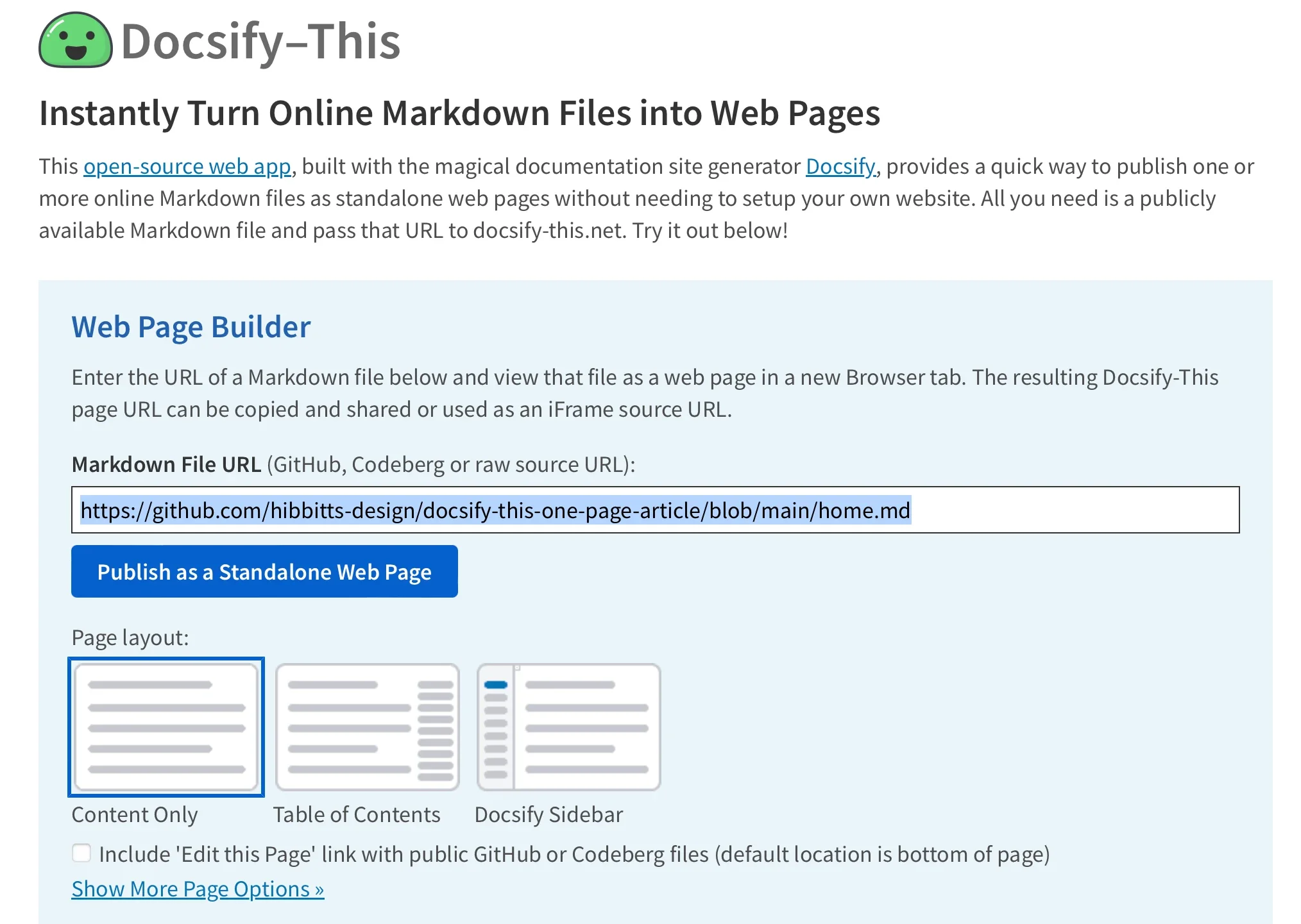
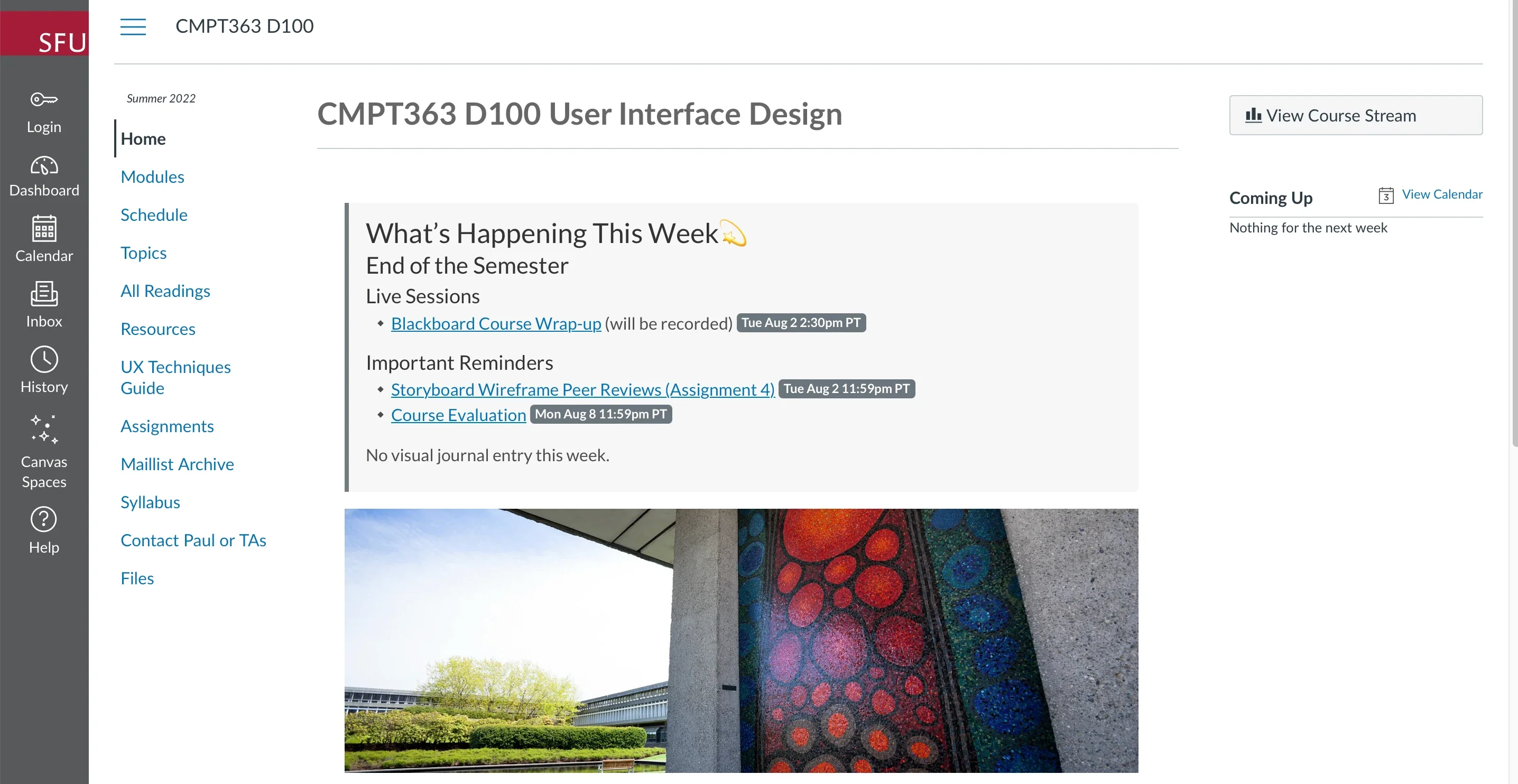
The most recent phase of this evolution, characterized by the emergence of Docsify-This, focuses on modularity and embedding. In the early 2020s, as remote learning and distributed work became the norm, the demand for "portable" content skyrocketed. Instructional designers needed a way to update a syllabus or a guide in one place (a Git repository) and have those changes reflect instantly across multiple platforms like Moodle, Canvas, and MS Teams. Docsify-This was built to meet this specific demand, maturing into a robust tool that supports custom CSS, collaborative authoring, and platform-agnostic hosting.
Core Features and the Web Page Builder Interface
The primary entry point for the service is the Docsify-This Web Page Builder. This interface is designed with accessibility in mind, allowing designers to alter the visual appearance of pages through point-and-click actions rather than manual coding. Users provide a link to a Markdown file in a public repository, and the builder generates a unique URL that contains all the necessary parameters to render the page.
One of the most powerful aspects of this system is the use of URL parameters to control design. Instead of maintaining separate configuration files for every page, a user can append strings to the URL to define the font family, font size, link colors, and line height. For example, adding &font-family=Open%20Sans to the end of a Docsify-This link instantly changes the typography of the rendered page. This level of granular control ensures that when a page is embedded within another site, it can be styled to match the "look and feel" of the host environment perfectly.
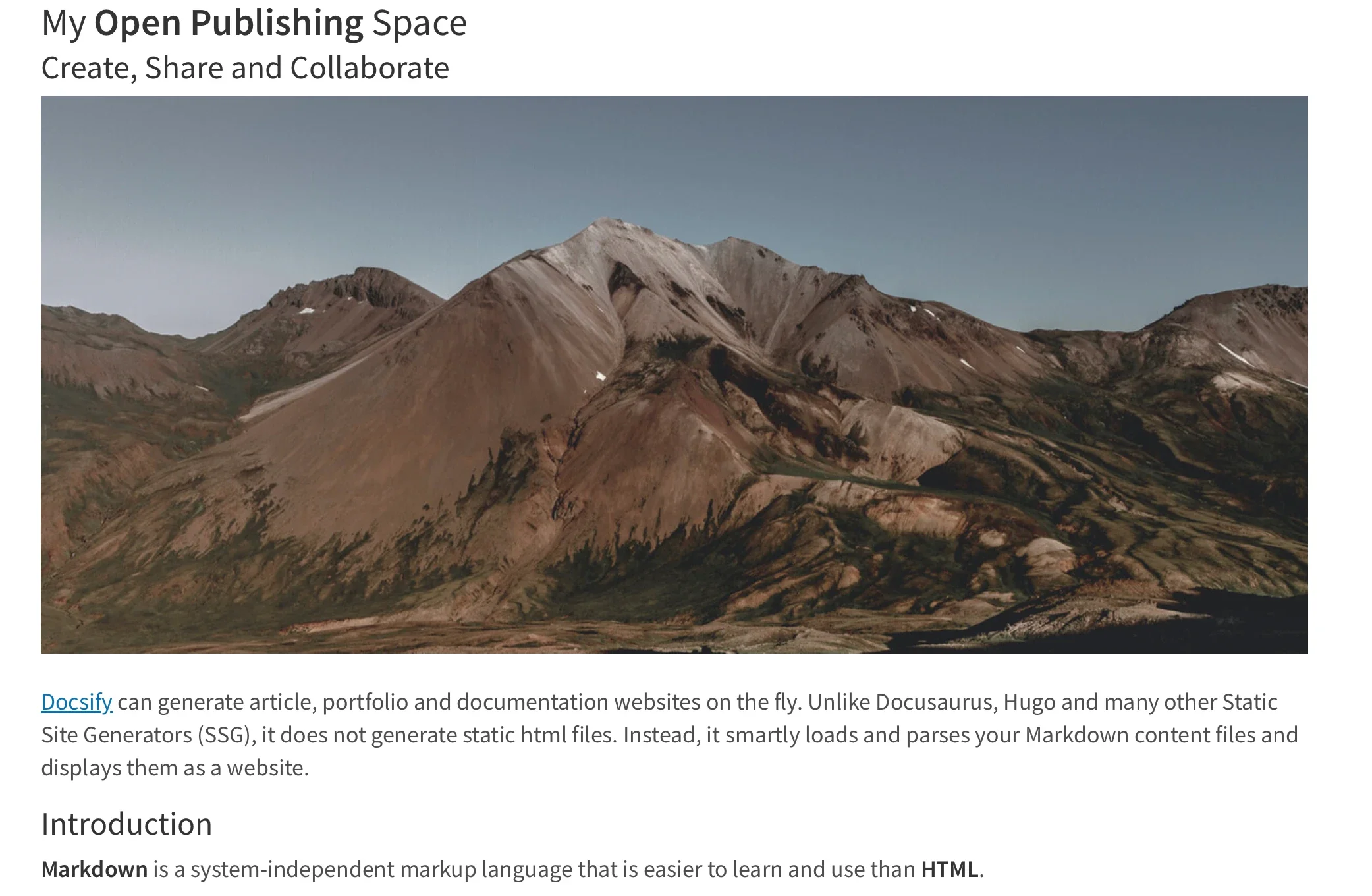
Beyond simple styling, Docsify-This supports advanced Markdown CSS classes. Creators can transform standard text links into interactive buttons by adding specific classes directly within the Markdown text. This feature is particularly useful for calls to action, such as "Submit Assignment" or "Download PDF," providing a level of UI sophistication usually reserved for custom-coded websites.
Integration with Learning Management Systems and Corporate Portals
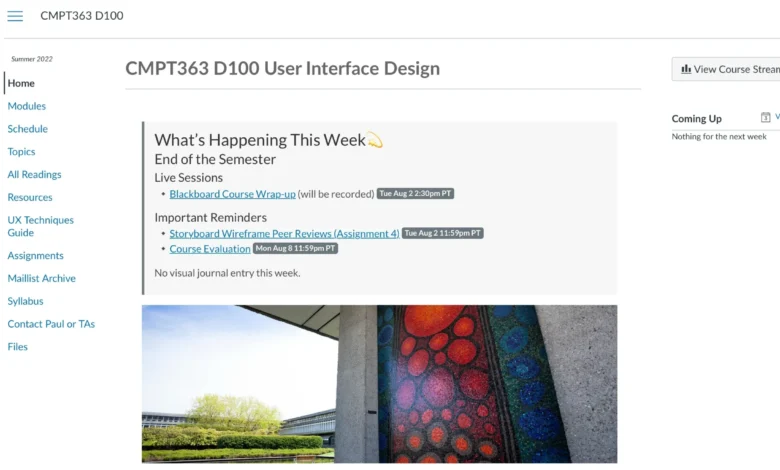
A significant portion of the Docsify-This user base consists of educators and institutional trainers. Standard Learning Management Systems (LMS) like Moodle and Canvas often have restrictive editors that make it difficult to maintain version history or share content across different courses. By using Docsify-This, an instructor can host their course materials on GitHub—benefiting from version control and easy updates—and then embed those materials into the LMS using an iFrame.
This method solves the "content silo" problem. When a correction is made to the Markdown file in the Git repository, every instance of that content across various LMS pages is updated simultaneously. Furthermore, the tool supports an "Edit this Page" link, which can be configured to point directly to the source file on GitHub or Codeberg. This encourages a collaborative "Open Educational Resources" (OER) model, where students or fellow faculty members can suggest improvements via pull requests, fostering a community-driven approach to knowledge sharing.

Supporting Data and Technical Specifications
The efficiency of Docsify-This is reflected in its minimal footprint. Because it does not rely on a backend database, the "time to first byte" is exceptionally low compared to traditional CMS platforms. Data from open-source documentation trends indicates that "no-build" tools can reduce the time spent on documentation maintenance by up to 40% for small to mid-sized projects.
The tool currently supports:
- Git Integration: Direct support for GitHub and Codeberg, with the ability to use other Git hosts via manual URL parameter configuration.
- Custom CSS: The ability to define
<style>blocks within Markdown files for unique page layouts. - HTML Snippets: Full compatibility with HTML tags for complex layouts like multi-column grids.
- Security: As a client-side renderer, Docsify-This does not store user data, reducing the attack surface for potential security breaches.
- Open Source Licensing: Distributed under the MIT License, ensuring that users can self-host their own instances to avoid platform lock-in.
Professional Analysis of Implications
The rise of Docsify-This signals a broader trend toward the "decoupling" of content from its presentation layer. In the past, content was often "trapped" inside the database of a specific platform. If a university moved from Moodle to Canvas, migrating content was a laborious process involving exports and imports that often broke formatting. By treating Markdown as the "single source of truth" and Docsify-This as the delivery mechanism, organizations achieve true content portability.

Furthermore, this tool democratizes web publishing. By removing the need for knowledge of command-line interfaces, Node.js, or server management, it allows individuals with basic text-editing skills to produce professional-grade web content. This has profound implications for the "Open Web," as it lowers the barrier to entry for independent creators who wish to maintain control over their data without the complexity of traditional web hosting.
From a collaborative standpoint, the integration with Git-based workflows introduces a level of rigor to content creation that is often lacking in standard web editors. The use of version control means that every change is tracked, and previous versions can be restored instantly. For high-stakes documentation, such as safety protocols or legal disclosures, this audit trail is invaluable.
Future Outlook and Community Growth
As the project continues to evolve, the community surrounding Docsify-This is exploring new frontiers in "edge" publishing. There is growing interest in integrating the tool with decentralized storage solutions and expanding the library of supported Markdown CSS classes. The developer, Paul Hibbitts, continues to update the project with a focus on user-requested features, such as enhanced support for multi-page site structures and improved accessibility features for screen readers.
The success of Docsify-This serves as a case study in the power of open-source modularity. By taking an existing, powerful library (Docsify.js) and tailoring it to solve a specific problem (easy embedding and zero-setup publishing), the project has created a tool that is greater than the sum of its parts. For anyone looking to modernize their digital publishing workflow, Docsify-This represents a robust, future-proof solution that honors the simplicity of Markdown while embracing the flexibility of the modern web.
In conclusion, Docsify-This is more than just a renderer; it is a facilitator of open information. It empowers users to focus on what matters most—the content—while it handles the complexities of display and distribution. Whether used for a single-page article, a comprehensive course syllabus, or a multi-page documentation site, it stands as a testament to the enduring utility of plain text and the innovative spirit of the open-source community.
Related posts: