How the Fedora Design Team Successfully Hosted the Inaugural Creative Freedom Summit Using an Open Source Tech Stack

The landscape of virtual conferencing has long been dominated by proprietary, closed-source platforms that offer convenience at the expense of ideological consistency, particularly for communities dedicated to open-source principles. Addressing this paradox, the Fedora Design Team demonstrated that large-scale virtual events can be orchestrated entirely through open-source infrastructure. By hosting the inaugural Creative Freedom Summit in January 2023, organizers successfully proved that decentralized, community-driven tools can rival commercial software in delivering a seamless, professional, and engaging digital conference experience.
Background Context and the Genesis of the Summit
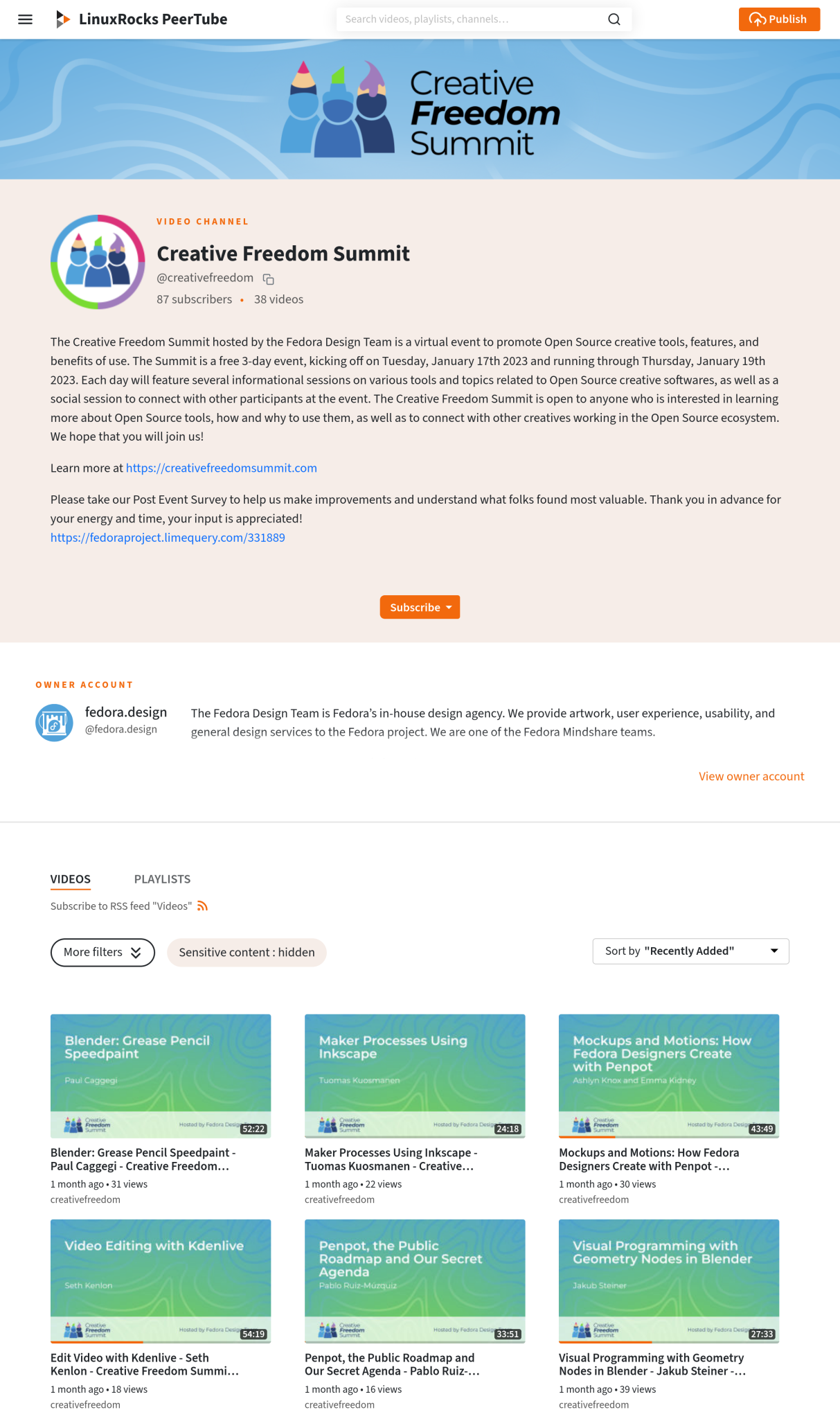
The origin of the Creative Freedom Summit traces back to August 2022, during the evaluation of talk submissions for Flock, the annual conference for Fedora users and contributors. Marie Nordin, a key organizer within the Fedora community, reviewed a remarkably high volume of presentation proposals centered on design, creativity, and the application of open-source tools. The influx of submissions far exceeded the available capacity of the Flock agenda. Recognizing a distinct and underserved niche, Nordin and the Fedora Design Team conceptualized a standalone event dedicated exclusively to open-source creatives—artists, designers, and developers who leverage freely licensed software to produce professional multimedia work.
Planning for the summit commenced in the fall of 2022, culminating in a three-day virtual event held from January 17 to 19, 2023. Given the compressed timeline and the experimental nature of launching a new conference, the organizing committee bypassed a traditional Call for Papers (CFP) process. Instead, they curated the schedule by inviting speakers directly from the pool of previous Flock submissions and tapping into their extensive professional networks within the open-source design community. The response was overwhelmingly positive, resulting in a packed, single-track schedule featuring high-caliber presentations, though organizers acknowledged the necessity of implementing an open-source CFP management tool for future iterations.
The Philosophical Dilemma of Open Source Conferences
For decades, open-source communities have faced a recurring pragmatic compromise: utilizing proprietary platforms to host events that advocate for open standards. Since the onset of the COVID-19 pandemic lockdowns, the Fedora project relied on Hopin—a closed-source, commercial virtual venue platform—to execute its flagship Flock conference. While Hopin delivered robust features such as integrated sponsor booths, multi-track navigation, and advanced moderation tools, its proprietary nature created friction for purists within the community.
When planning the Creative Freedom Summit, organizers confronted this philosophical dilemma directly. Operating with a zero-dollar budget and relying entirely on volunteer labor, the team weighed the convenience of established commercial platforms against their commitment to software freedom. Ultimately, the availability of supported internal infrastructure—specifically the Fedora Matrix server and a hosted WordPress instance—bolstered by a strong ideological desire to test an all-open-source stack, dictated their strategy. Embracing a tolerance for minor technical glitches and rough edges, the team set out to construct a functional, decentralized conference architecture.

Crafting the Open-Source Conference Tech Stack
The architecture of the Creative Freedom Summit was divided into live-streaming components, interactive communication channels, and post-event archiving utilities, each chosen for its adherence to open-source licensing and modular flexibility.
Live Streaming via PeerTube
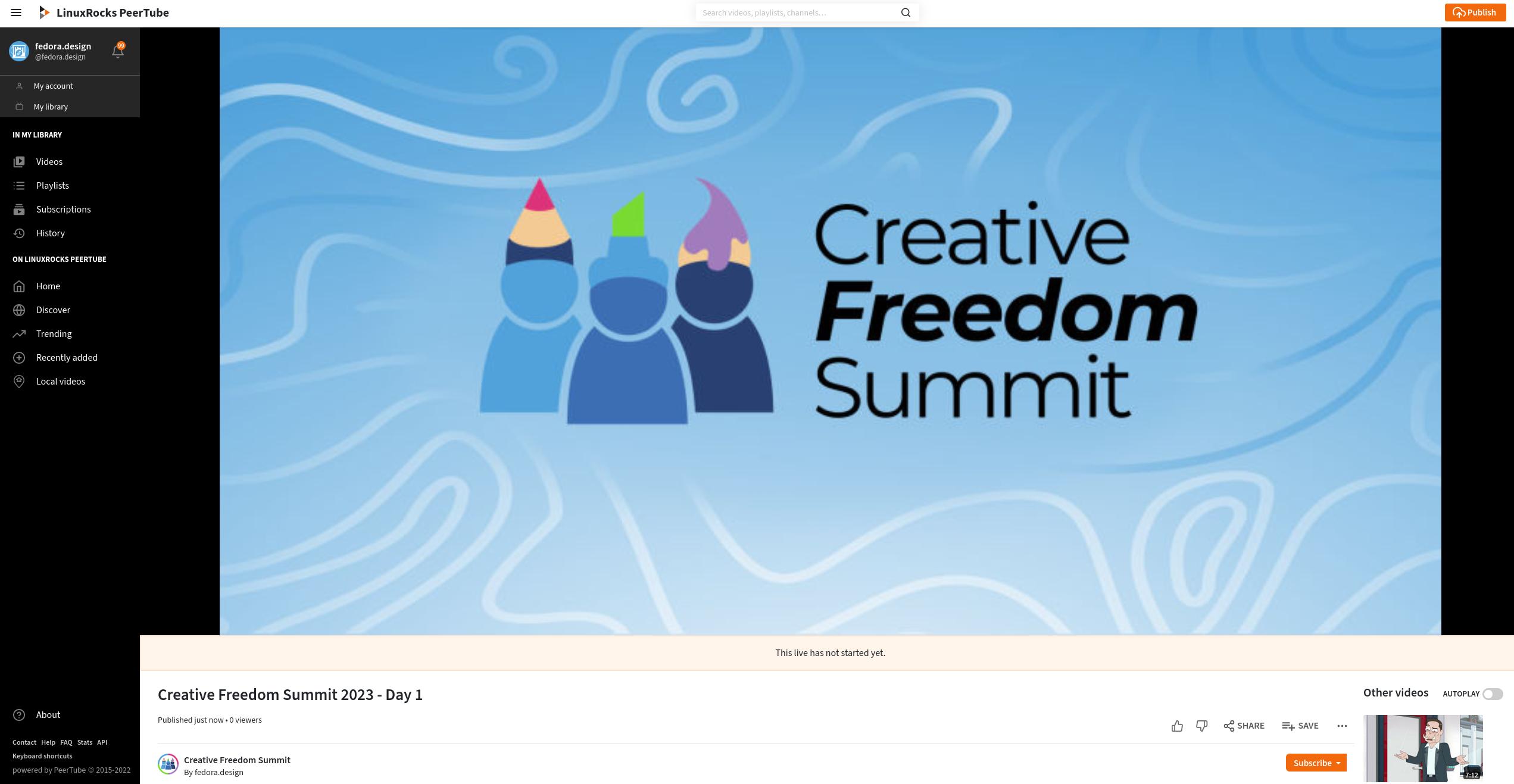
For video broadcasting, the organizing team utilized the LinuxRocks PeerTube platform, a decentralized, free, and open-source video hosting network integrated into the broader Fediverse. Hosted generously by LinuxRocks.online, PeerTube provided a critical advantage over traditional streaming services: automated, near-instant replay generation. Once a livestream concluded, the platform automatically processed and published the recording directly to the summit’s channel without requiring manual intervention from volunteer organizers.
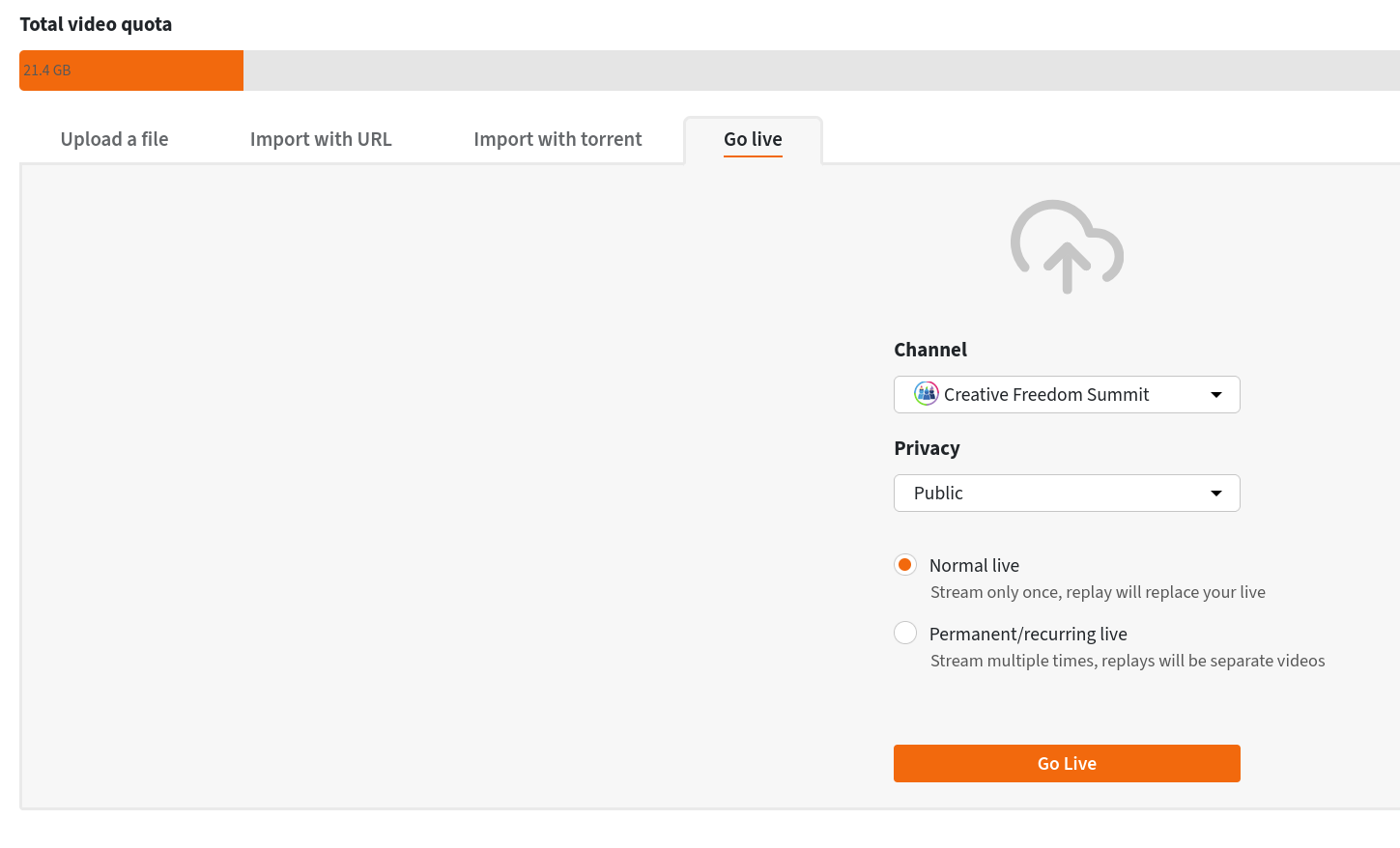
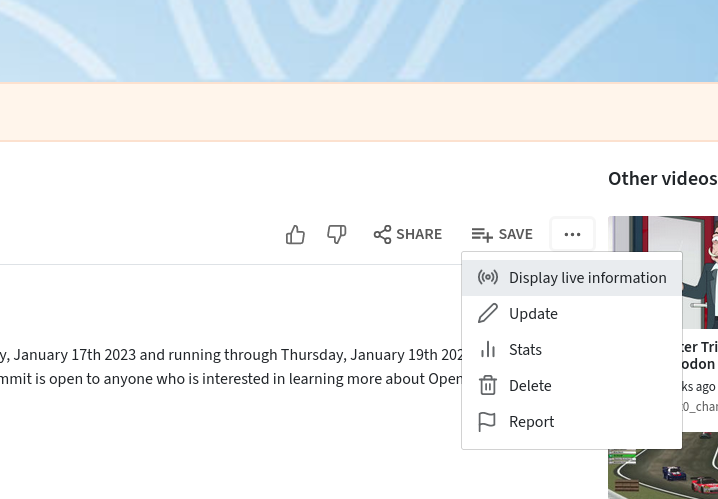
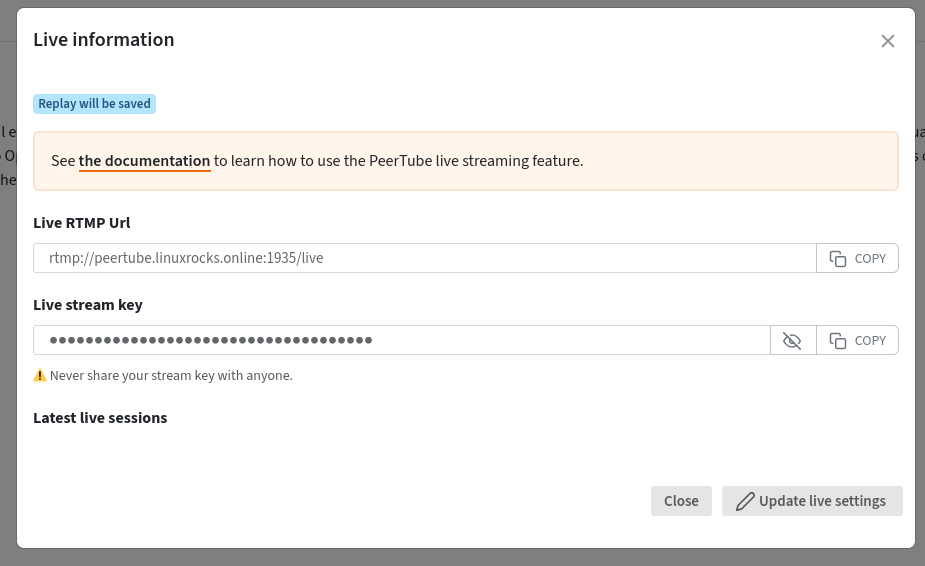
The technical workflow involved generating a reusable RTMP livestream URL and authorization key within PeerTube. Organizers distributed this unified credential among hosts via a shared coordination document, eliminating the administrative overhead of generating fresh streaming parameters for every individual session. Advanced configurations included uploading a custom "standby" graphic banner to display during pre-event holding patterns, ensuring a polished aesthetic for attendees waiting for sessions to begin.
The Virtual Stage: Jitsi Meet
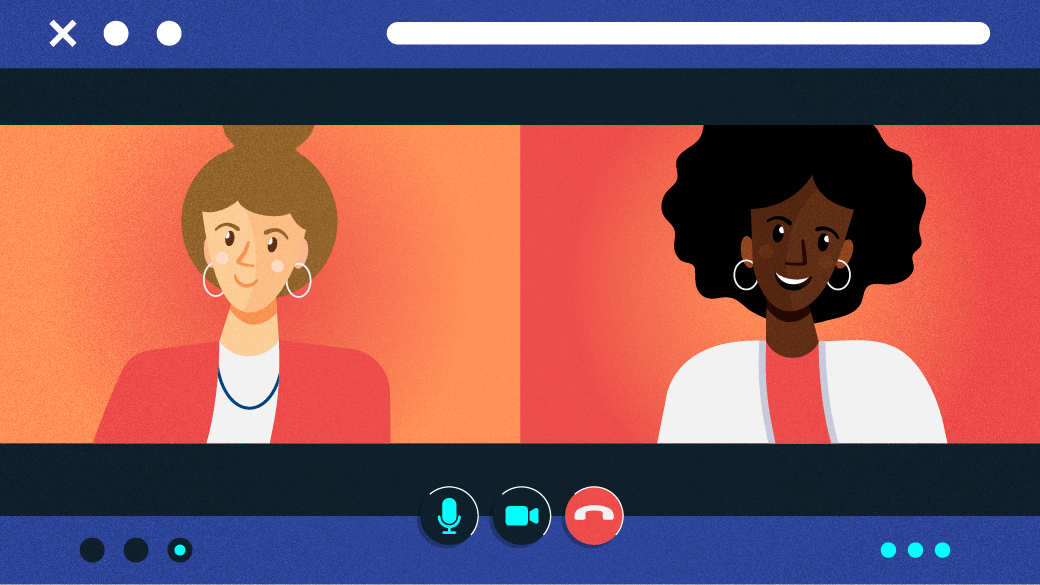
To manage speakers and live presentations, the team deployed Jitsi Meet, a widely adopted, free, and open-source video conferencing platform. Organizers established a custom meeting room with restricted access, sharing the URL exclusively with presenters and moderators.
To maintain order, the room utilized a virtual lobby configuration, allowing speakers to enter quietly minutes before their scheduled time without disrupting ongoing presentations. Hosts manually admitted presenters once previous sessions concluded. Jitsi’s native RTMP streaming capability bridged the virtual stage directly to the PeerTube broadcast channel, enabling screen sharing for slide decks and live software demonstrations.
Backstage Coordination and Audience Engagement
Communication infrastructure relied heavily on Matrix, utilizing the Fedora-managed Element client. Organizers established an invite-only "Backstage" chat room for speakers and hosts, streamlining schedule adjustments, emergency rescheduling, and green-room transitions.
For general attendees, announcements, daily schedules, and interactive Q&A sessions were integrated directly into the main Element chat interface using embedded widgets. Initially utilizing Etherpad, the team transitioned to embedded HackMD.io documents after encountering intermittent widget-loading issues. This setup allowed attendees to submit questions in real-time, which moderators subsequently read aloud to presenters during live Q&A segments.
Post-Event Analysis and Technical Lessons Learned
Following the conclusion of the summit, organizers deployed an open-source LimeSurvey questionnaire distributed via Matrix and PeerTube channels to gather attendee feedback. The post-event data collection yielded critical operational insights that are actively shaping preparations for subsequent summits.
Audio Feedback and Stream Management
One notable technical hurdle encountered during the live event involved audio feedback loops. Organizers identified that maintaining active PeerTube browser tabs or unmuted background client connections while broadcasting created severe audio interference during speaker introductions. Future protocols mandate strict tab-management discipline and isolated monitoring hardware to prevent broadcast duplication.
Additionally, initial streaming configurations kept the Jitsi stream continuously active across multiple back-to-back talks, resulting in monolithic video files containing several distinct presentations. Organizers determined that terminating the Jitsi stream between individual talks produces singular, isolated raw recording files, drastically improving the efficiency of PeerTube’s instant-replay feature.
Video Editing and Accessibility Improvements
Post-event media processing relied on volunteer contributions coordinated through a GitLab epic. Volunteers downloaded raw, unedited PeerTube recordings, processed them through Kdenlive—an open-source video editor—to append title cards and intro music, and re-uploaded the finalized files via a shared staging account.
Accessibility emerged as a prominent area for expansion. While participants frequently utilized chat to manually transcribe live dialogue, formal automated captioning was not integrated into the live broadcast stack. Subsequent technical evaluations highlighted tools such as Kdenlive’s built-in speech-to-text transcription engine as viable pathways for automatically generating subtitles, significantly enhancing future compliance with digital accessibility standards.
Broader Impact and Implications
The success of the Creative Freedom Summit carries notable implications for open-source project management and virtual event production. By demonstrating that robust, professional-grade conferences can be executed entirely through decentralized, community-owned infrastructure, the Fedora Design Team provided a replicable blueprint for organizations seeking digital sovereignty.
The event proved that budgetary constraints and a reliance on volunteer labor do not preclude high-engagement virtual gatherings. As commercial conferencing platforms continue to alter pricing structures and privacy terms, the modular, federated stack pioneered by the Creative Freedom Summit offers a sustainable, philosophically aligned alternative for the global open-source community.