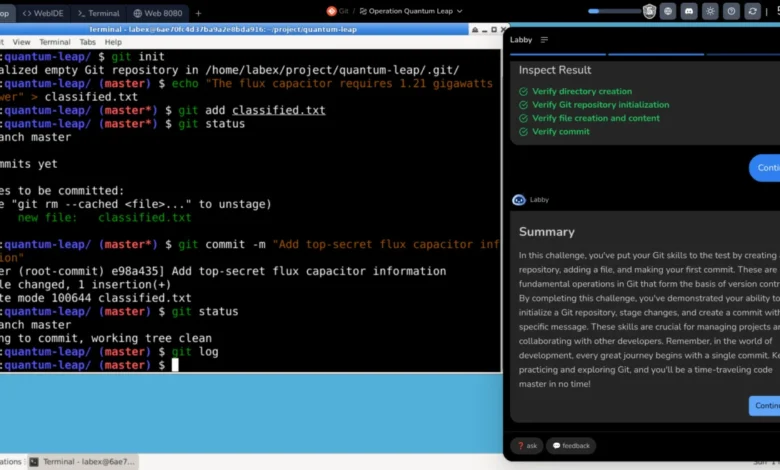
For decades, the standard pedagogy for learning complex technical subjects—particularly Linux, systems administration, and software development—relied heavily on a passive consumption model. Aspiring engineers spent countless hours navigating dense documentation, watching lengthy video tutorials, and attempting to replicate server environments on their own hardware. This traditional approach often presented a significant barrier to entry, as the mere act of configuring a development environment could prove more daunting than the subject matter itself. However, the rise of browser-based, AI-assisted platforms is fundamentally shifting this landscape, with LabEx emerging as a significant player in the shift toward experiential learning.
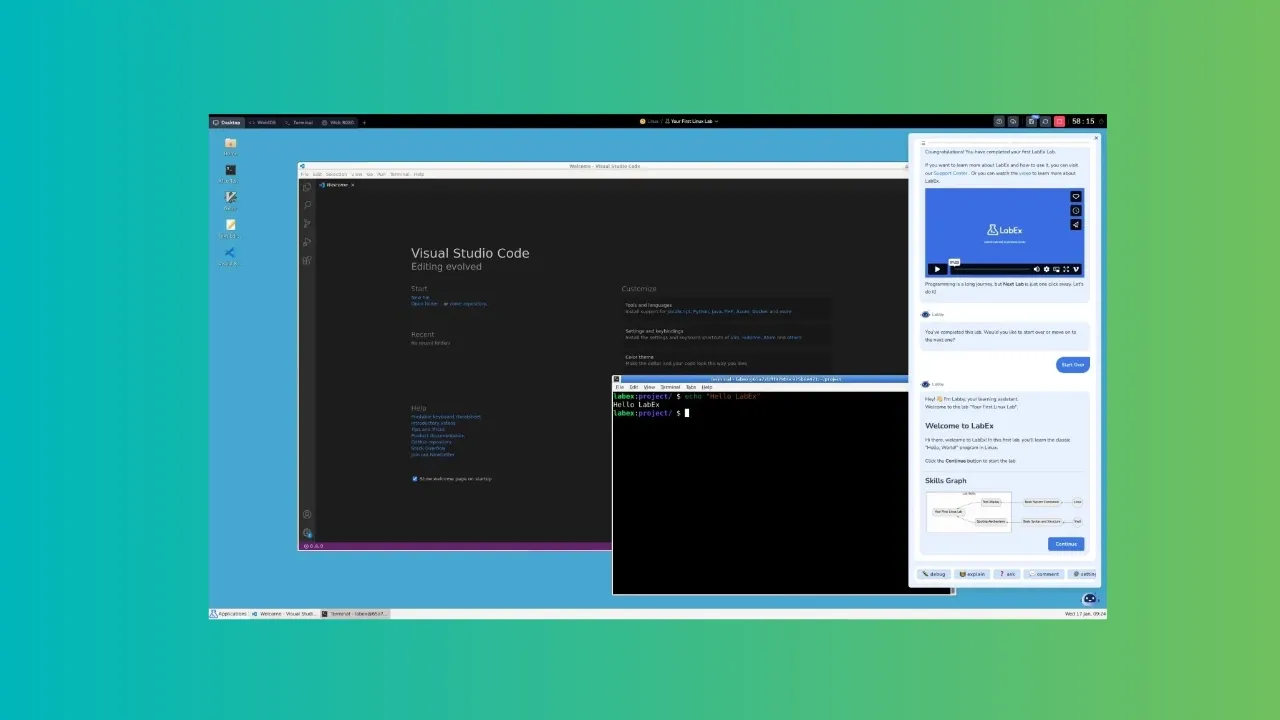
The transition from theory-heavy instruction to interactive, cloud-based laboratories marks a departure from the "book-first" era of tech education. Historically, the burden of infrastructure setup rested entirely on the student. For a novice attempting to learn Docker or Kubernetes, the requirement to provision virtual machines, manage local dependencies, and debug hardware-level configuration errors often resulted in high attrition rates. By abstracting the environment setup into a browser-based, on-demand virtual machine (VM) instance, platforms like LabEx allow students to bypass the "setup fatigue" that once characterized the early stages of technical training.
The Architectural Shift to Interactive Learning
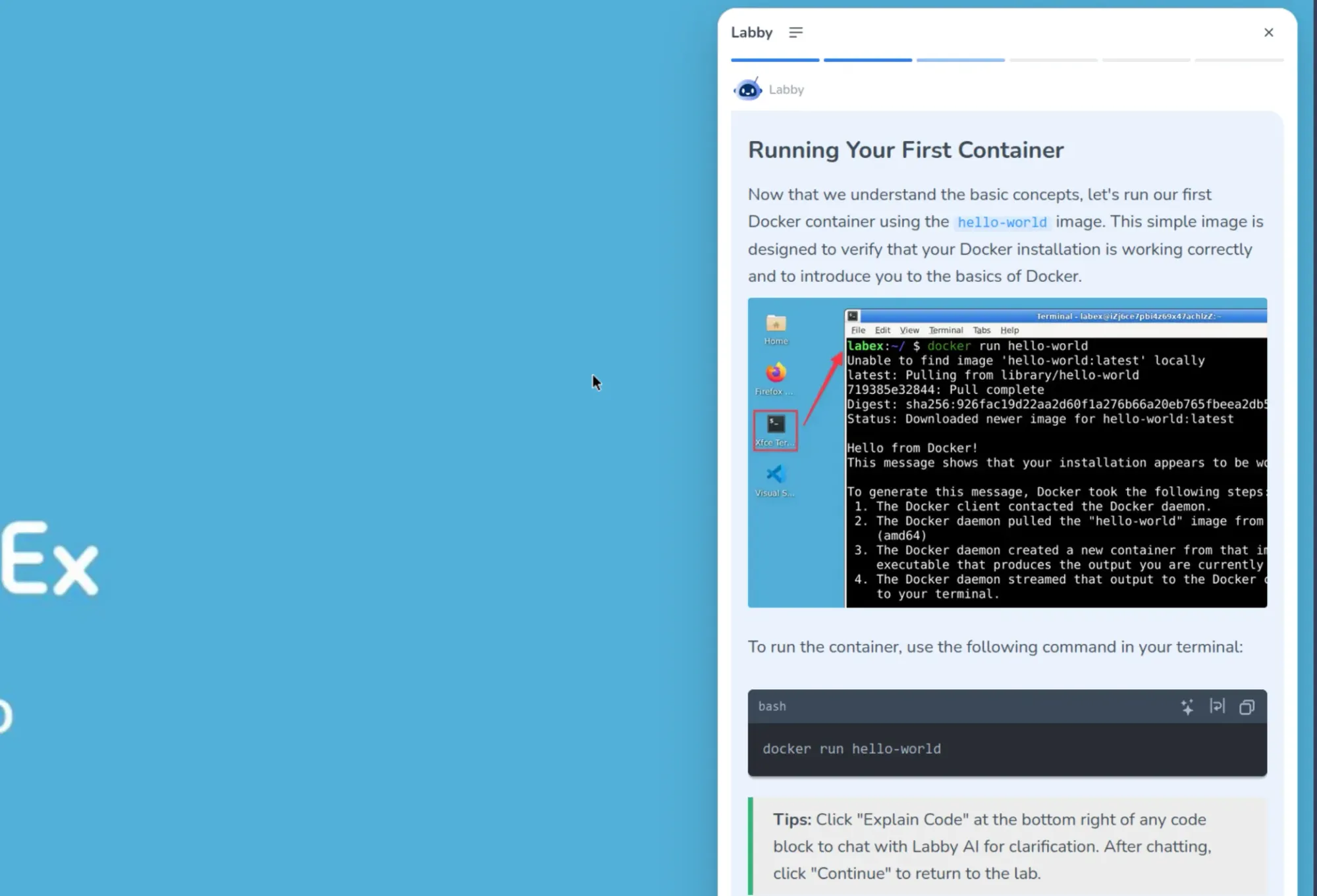
At the core of this modern educational movement is the concept of "learning-by-doing." LabEx facilitates this through a modular system that combines structured skill paths with immediate, containerized feedback loops. Unlike static online courses that rely on multiple-choice quizzes to measure comprehension, these platforms leverage AI-assisted tools—such as the platform’s proprietary "Labby" guide—to monitor user input in real-time.

When a student executes a command in a terminal within the browser, the system does not simply provide a pass/fail grade. Instead, it validates the output of the command against the intended outcome, providing context-aware guidance if the learner strays from the correct path. This mimics the role of a human mentor, offering a safety net that encourages experimentation without the risk of "breaking" a local machine.
Structuring Knowledge: The Skill Tree Methodology
To prevent the cognitive overload associated with the vast breadth of modern DevOps and cybersecurity tools, platforms are increasingly adopting "Skill Tree" roadmaps. This pedagogical structure organizes disparate courses into a hierarchical sequence, establishing a logical progression from fundamental concepts to advanced mastery.
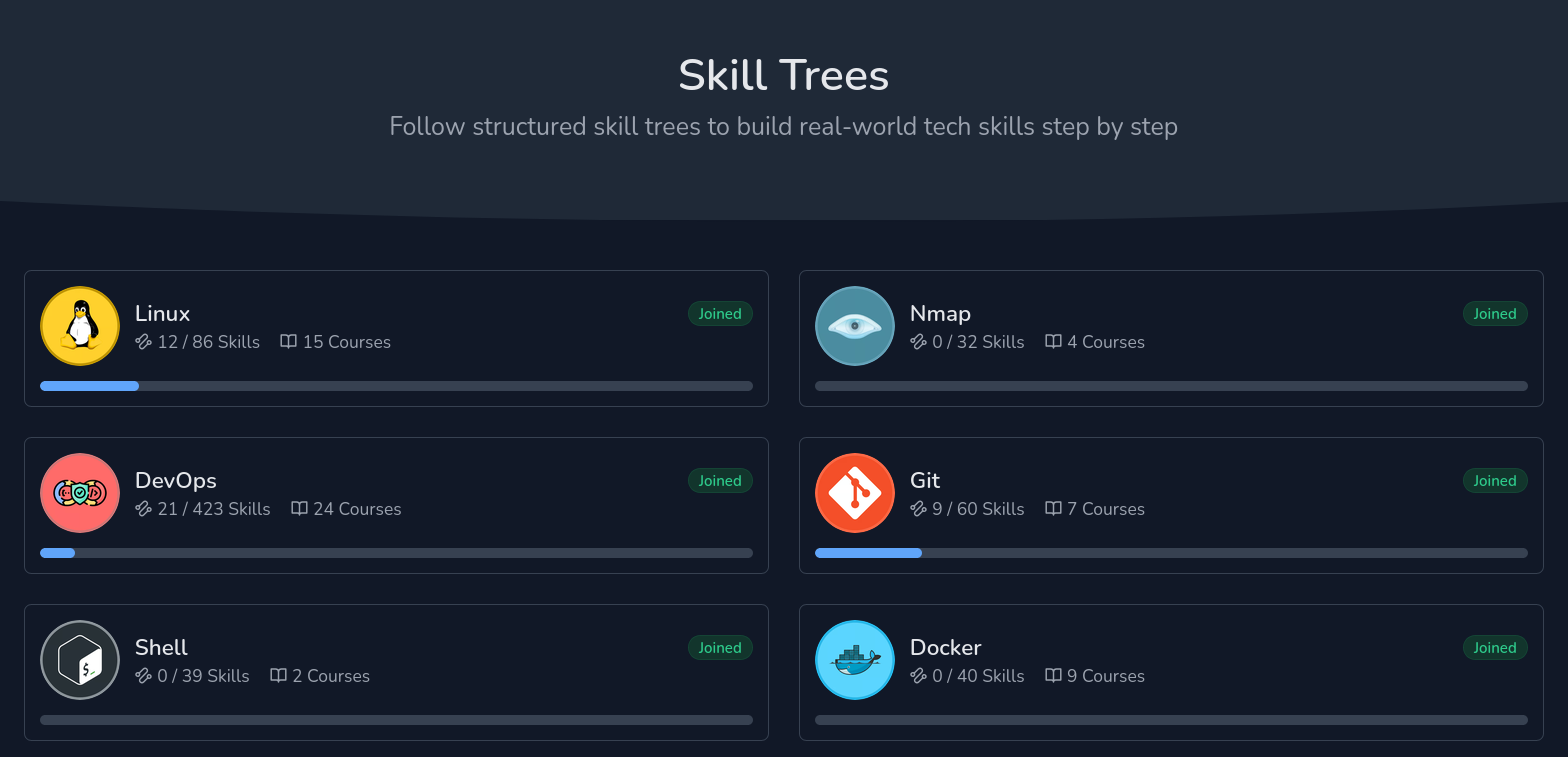
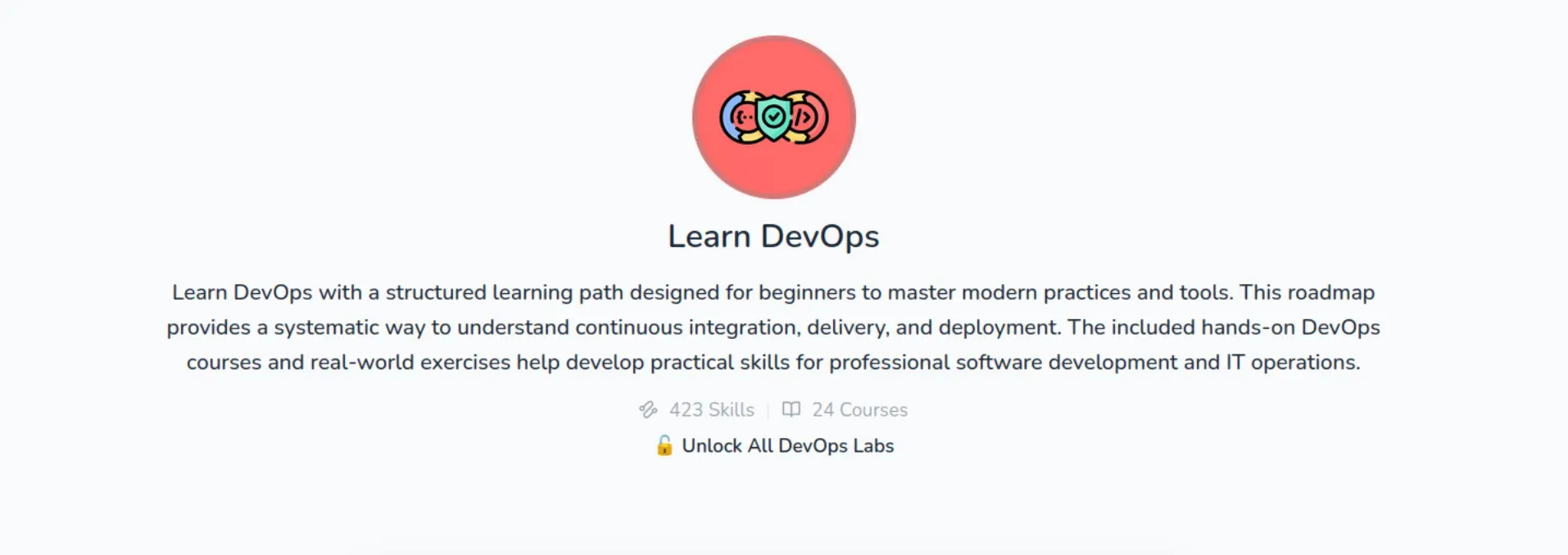
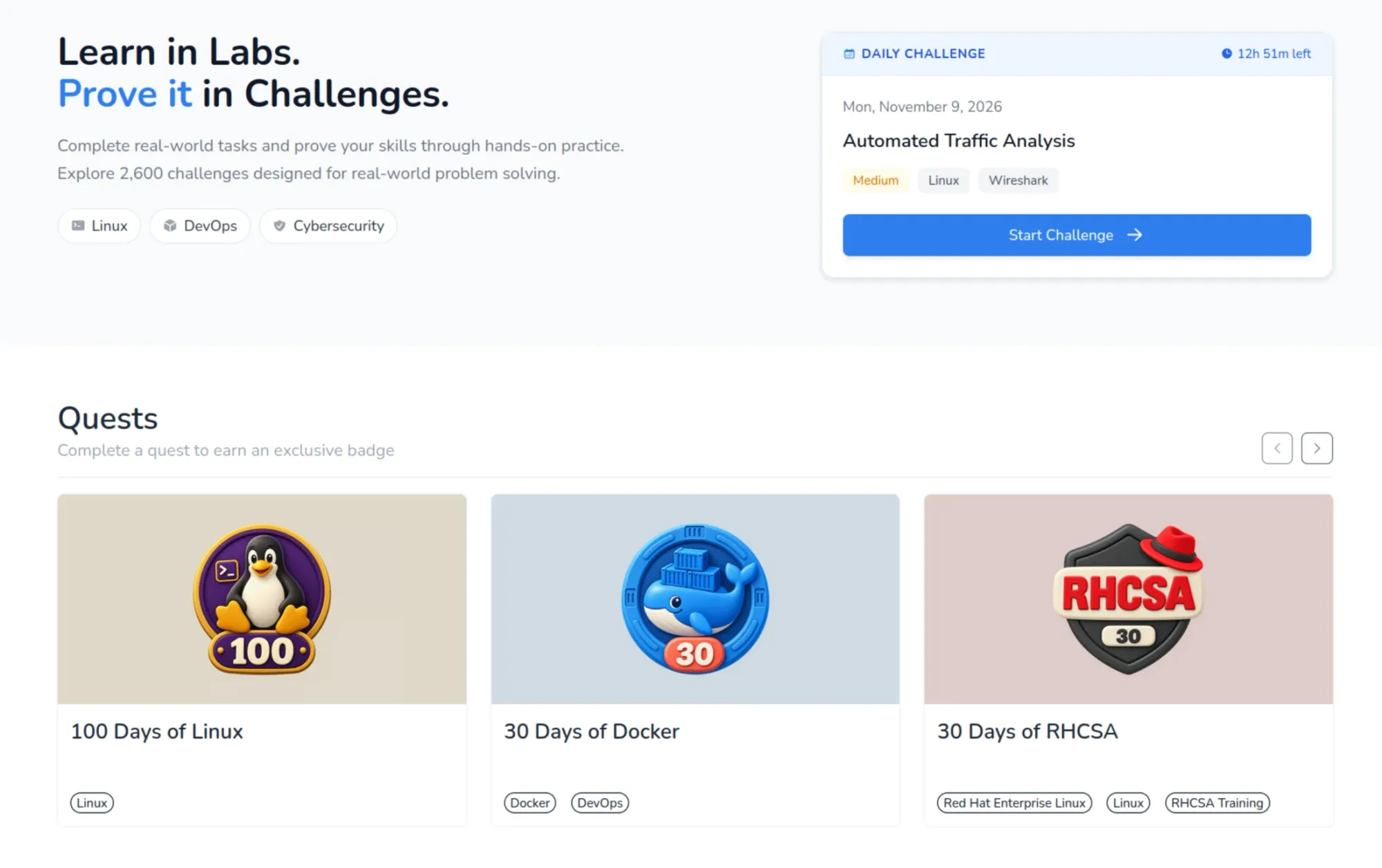
For instance, the DevOps skill tree typically begins with foundational Linux CLI proficiency—such as file manipulation, process management, and permissions—before advancing to shell scripting, containerization, and eventual orchestration with Kubernetes. By segmenting the curriculum into granular "skills," the platform allows students to track their progress through a quantifiable metrics system. This gamified approach—integrating streaks, leaderboards, and milestone badges—serves to address a common pain point in self-directed learning: the lack of external motivation and long-term engagement.
The Role of Playgrounds and Project-Based Simulations
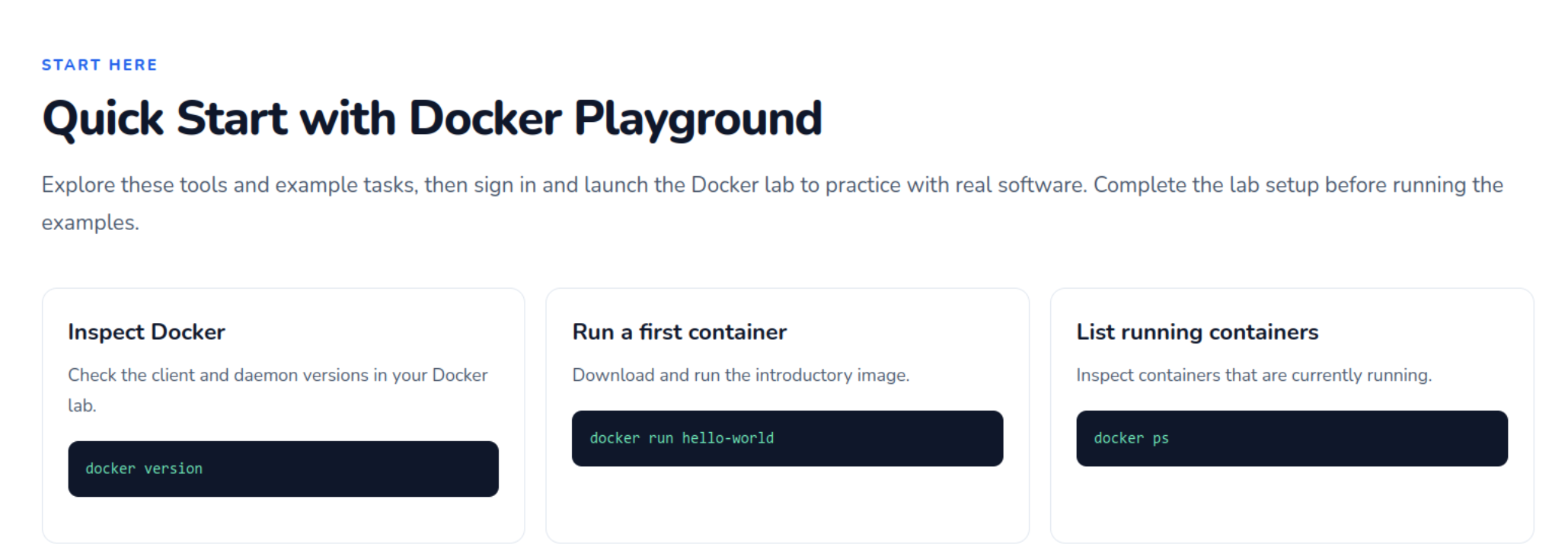
While skill trees provide the curriculum architecture, "Playgrounds" offer the practical space for application. These virtualized environments are typically pre-configured, running Linux distributions such as Ubuntu or specialized security-focused environments like Kali Linux.
These environments serve a dual purpose:
- Guided Tutorials: In this mode, the platform provides step-by-step instructions, ensuring the learner reaches a specific configuration goal.
- Open-Ended Challenges: Once the guided modules are complete, users are presented with scenarios—often involving system troubleshooting or security vulnerability mitigation—that require the independent application of previously learned skills.
This methodology is supported by the industry’s increasing demand for "job-ready" talent. Employers are placing less weight on traditional certifications and greater emphasis on demonstrable, hands-on experience. By providing a record of project completions and challenge successes, platforms like LabEx offer a verifiable portfolio of a candidate’s practical capabilities.
Economic and Infrastructure Implications
The move to cloud-based labs is not without its technical prerequisites. Because these environments are hosted on external servers, the user experience is inextricably linked to network latency. A stable, high-speed connection is essential for maintaining the "jiffy" responsiveness required for terminal-based work.
From an economic perspective, the platform offers a tiered access model that democratizes access to high-end infrastructure. The free tier, while limited by a cap on the number of daily virtual machine instances, serves as a low-friction entry point for students. The transition to a paid, subscription-based model—priced annually or biennially—positions the service as an affordable alternative to traditional bootcamp-style training, which can often cost thousands of dollars.
Comparative Analysis: Traditional vs. Modern Pedagogy
When evaluating the efficacy of these platforms, it is important to distinguish between "guided learning" and "autonomous learning." Traditionalists argue that the struggle of manual configuration is, in itself, a form of education. Troubleshooting an environment from scratch forces a student to understand the underlying dependencies and hardware interactions.
Conversely, proponents of the modern, AI-guided approach argue that modern software development is increasingly abstracted. A developer rarely needs to manually configure the kernel of a server; they need to understand how to deploy code within a cloud-native architecture. Therefore, prioritizing the "how-to" of the software over the "how-to" of the infrastructure allows learners to reach productivity faster.
Future Outlook and Industry Integration
The integration of AI into technical training is likely to continue its rapid expansion. As "Labby" and similar agents become more sophisticated, the role of the platform will evolve from a static curriculum provider to a dynamic, adaptive tutor. Future developments may include real-time code reviews, personalized learning paths based on individual performance data, and the ability to simulate enterprise-grade network architectures for large-scale security testing.
As the industry continues to face a widening skills gap in fields like cybersecurity and cloud infrastructure, the focus on interactive, scalable, and affordable training will become a strategic priority for both individual learners and corporate training departments. The shift toward platforms like LabEx is representative of a broader trend: the digitization and optimization of the learning process itself, ensuring that the next generation of engineers is trained on the same tools they will encounter in the production environments of tomorrow.
Ultimately, the success of these platforms will be measured by the career outcomes of their users. While the gamification and AI-driven guidance provide the initial engagement, the long-term viability of the model rests on its ability to transition users from guided tutorials to independent problem-solvers. For the beginner, the platform serves as a controlled laboratory; for the expert, it functions as a sandbox for rapid prototyping and skill verification. Whether this will completely replace traditional academic approaches remains to be seen, but the data suggests that hands-on, browser-based labs are rapidly becoming the industry standard for technical proficiency.