Unlocking Seamless Markdown Publishing: How Docsify-This Eliminates Website Build Complexities for Content Creators and Educators

The landscape of digital content creation has long been divided between the simplicity of writing in plain text and the technical friction of deploying static site generators, content management systems (CMS), or complex web servers. For years, publishing Markdown files online required setting up build pipelines, configuring hosting environments, and managing domain architectures. However, the open-source project Docsify-This, built upon the foundation of Docsify.js, has introduced a paradigm shift by enabling users to instantly transform publicly available Markdown files into responsive, standalone web pages without any preliminary website setup.
Designed with flexibility and accessibility in mind, Docsify-This bridges the gap between raw text documentation and rich web presentations. By allowing creators to bypass traditional deployment hurdles, the tool has quickly gained traction among educators, technical writers, open-source contributors, and developers looking to streamline how documentation and course materials are shared across disparate digital platforms.
Understanding the Core Mechanics of Docsify-This

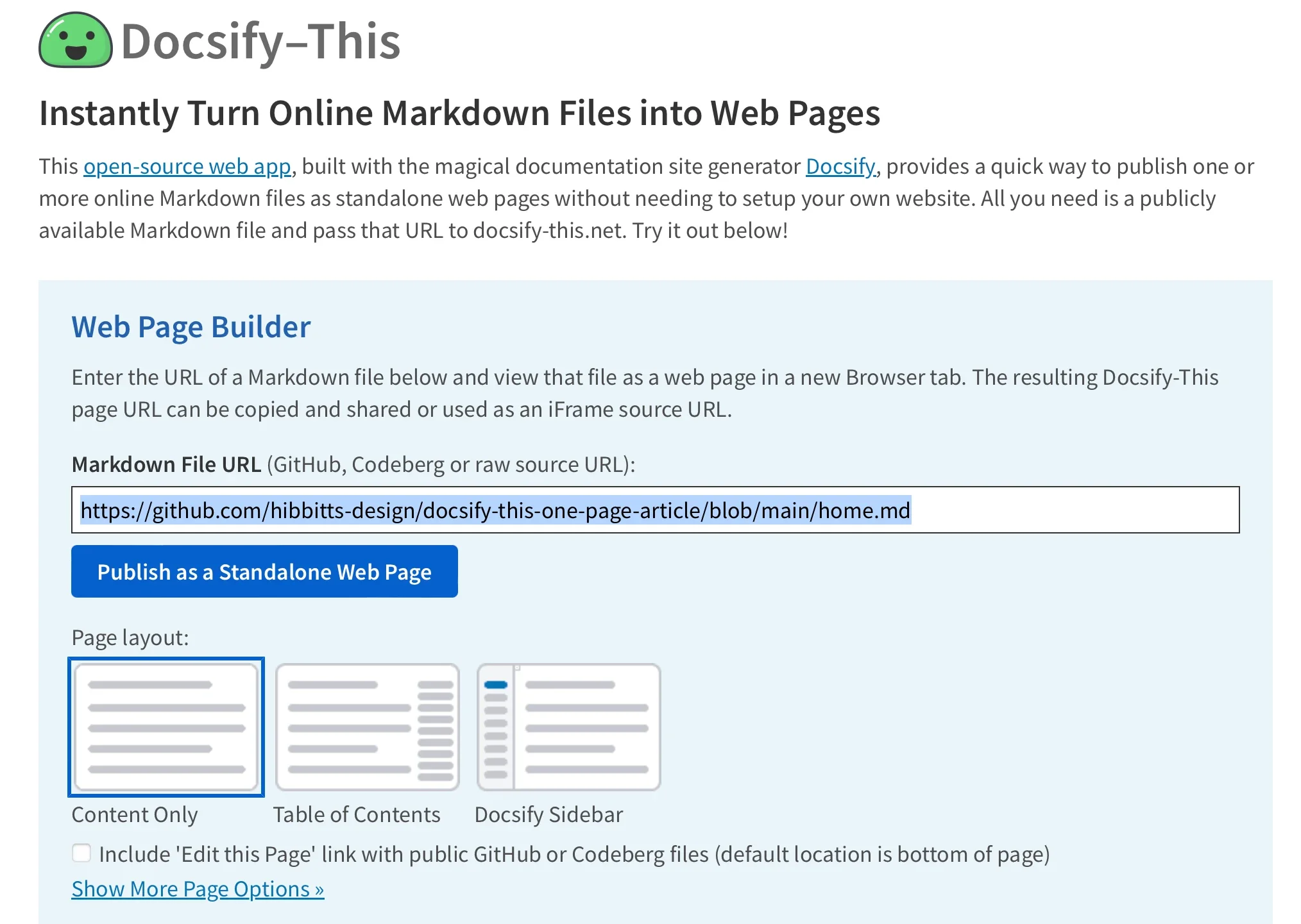
At its technical core, Docsify-This operates by consuming publicly accessible Markdown files hosted on platforms like GitHub or Codeberg and rendering them dynamically through a web-based interface. When a user navigates to the Docsify-This platform or deploys an independent instance, they can utilize the Web Page Builder interface to input a repository URL. The application processes the raw text file and generates a clean, responsive standalone web page complete with a unique, shareable URL.
This architecture offers a stark contrast to traditional publishing workflows. Rather than compiling Markdown into HTML via static site generators like Jekyll or Hugo and pushing those artifacts to a web host, Docsify-This renders the content on the fly. This real-time rendering capability ensures that any updates made to the source repository are immediately reflected on the published page, eliminating the need for manual redeployments or continuous integration build cycles. Furthermore, because Docsify-This is fully open source, organizations and individuals can deploy their own proprietary or public instances under custom domains, effectively mitigating the risks of third-party vendor lock-in and ensuring long-term data sovereignty.
Evolution and Chronology of Lightweight Publishing
The demand for frictionless publishing tools has grown exponentially alongside the popularity of Markdown as the de facto standard for writing technical documentation, README files, and academic notes. Invented in 2004 by John Gruber in collaboration with Aaron Swartz, Markdown provided a human-readable syntax that could be converted into structurally valid XHTML. Over the subsequent two decades, its adoption expanded from simple blog posts to enterprise-grade documentation frameworks.
However, displaying Markdown outside of code repositories historically demanded significant technical overhead. Tools like GitBook and various static site generators emerged to solve this problem, yet they often introduced complex configuration files, dependency management challenges, and steep learning curves for non-technical users.
The introduction of Docsify.js marked a major milestone by utilizing client-side JavaScript to render documentation sites dynamically from Markdown files without generating static HTML files. Building upon this innovation, Docsify-This was developed to take the concept a step further. By abstracting the initialization process entirely into URL parameters and a graphical Web Page Builder, the project transformed a developer-centric JavaScript library into an accessible tool for educators and administrators who require zero-setup publishing solutions.
Visual Customization and Advanced Styling Capabilities
One of the primary challenges of embedding external content into established digital environments—such as a university Learning Management System (LMS) or a corporate intranet—is maintaining visual consistency. Docsify-This addresses this limitation by offering robust customization options through both URL parameters and specialized CSS classes.
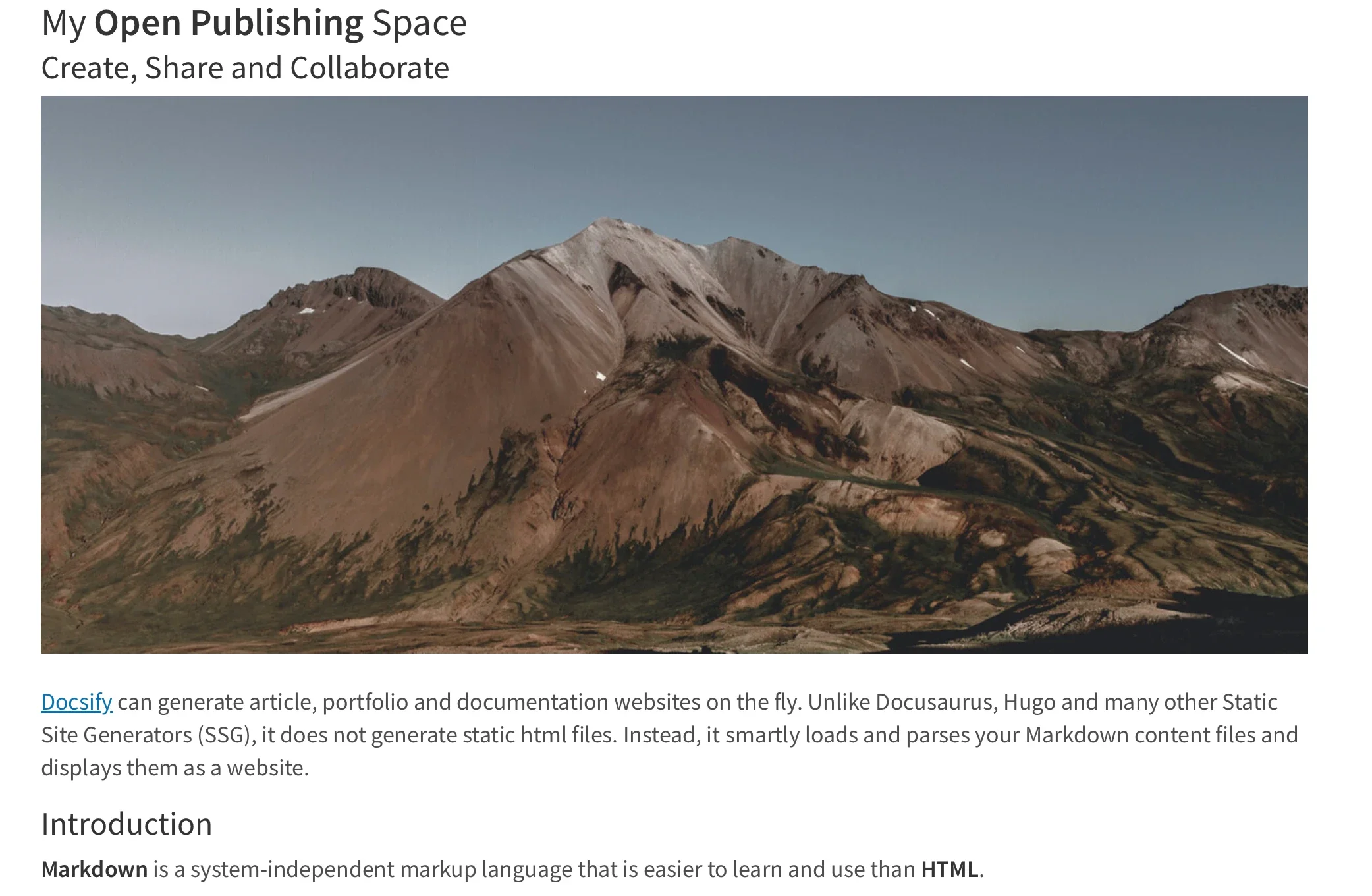
Administrators and content creators can dynamically alter the visual presentation of a rendered page by appending standard CSS attributes directly to the URL string. Parameters governing typography and layout, such as font-family, font-size, link-color, and line-height, allow embedded content to seamlessly adopt the design language of its destination platform. For instance, an article rendered via Docsify-This can be instantly styled to match the typography of an institutional Canvas or Moodle LMS page simply by adjusting the query parameters in the source link.
Beyond global page styling, Docsify-This supports targeted formatting through predefined Markdown CSS classes. Creators can transform standard text hyperlinks into polished interactive elements, such as buttons, by appending specific class declarations like ':class=button' directly into the Markdown syntax. For advanced use cases, authors are not restricted to the out-of-the-box styling options; they can embed custom CSS style blocks directly within their Markdown files. This capability empowers users to design bespoke interface components, custom callout boxes, and responsive grid layouts without altering the underlying application code of the Docsify-This engine.
Integration with Learning Management Systems and Collaborative Workflows
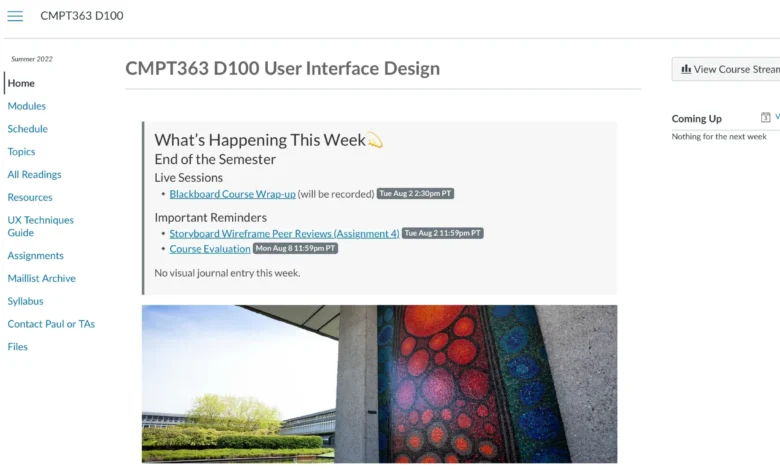
In institutional education and corporate training environments, the ability to distribute dynamic, easily editable content within platforms like Canvas, Moodle, and Blackboard is invaluable. Traditionally, updating course materials within an LMS required navigating proprietary text editors, managing file uploads, and republishing entire modules.

With Docsify-This, educators can maintain their course readings, syllabi, and resource lists in a centralized Git repository while embedding those pages directly into the LMS interface via iFrames or external URL redirect tools. When an instructor updates a syllabus Markdown file on GitHub or Codeberg, the changes propagate automatically to every student viewing the embedded module within the LMS.
This workflow inherently fosters collaborative authoring and version control. By storing source documents in Git repositories hosted on Codeberg or GitHub, teams can leverage pull requests, issue tracking, and revision histories. Docsify-This further enhances this collaborative environment by supporting an optional "Edit this Page" link feature. When enabled, readers and co-authors are presented with a direct hyperlink that guides them straight to the source file repository, lowering the barrier to contributions and peer review.
Technical Implementation and Practical Deployment
Deploying and integrating Docsify-This pages into external platforms involves straightforward web standards. For iframe integration, administrators can embed the rendered URL alongside specific dimensions and styling parameters, ensuring that the content fits cleanly within dashboard viewports.

<p><iframe style="overflow: hidden; border: 0px #ffffff none; margin-top: -26px; background: #ffffff;" src="https://docsify-this.net/?basePath=https://raw.githubusercontent.com/paulhibbitts/cmpt-363-222-pages/main&homepage=home.md&font-family=Lato%20Extended,Lato,Helvetica%20Neue,Helvetica,Arial,sans-serif&font-size=1&hide-credits=true" width="800px" height="950px" allowfullscreen="allowfullscreen"></iframe></p>Furthermore, open-source GUI clients for Git—such as GitHub Desktop, Git-Cola, and SparkleShare—alongside advanced text editors like Visual Studio Code and Pulsar Edit, provide seamless pathways for authors who prefer graphical interfaces over command-line operations. This ecosystem ensures that users of all technical proficiency levels can participate in the creation and maintenance of version-controlled web content.
Broader Industry Implications and Future Outlook
The rise of tools like Docsify-This reflects a broader industry movement toward decoupled architectures and minimalist publishing toolchains. As organizations increasingly prioritize content portability and agile documentation workflows, the reliance on monolithic content management systems is facing critical re-evaluation.
By decoupling content creation (handled in plain-text Markdown) from hosting and styling (handled dynamically via Docsify-This and URL parameters), creators achieve unprecedented operational efficiency. Content can be written once, version-controlled via Git, styled on demand, and embedded infinitely across blogs, wikis, learning platforms, and standalone sites.
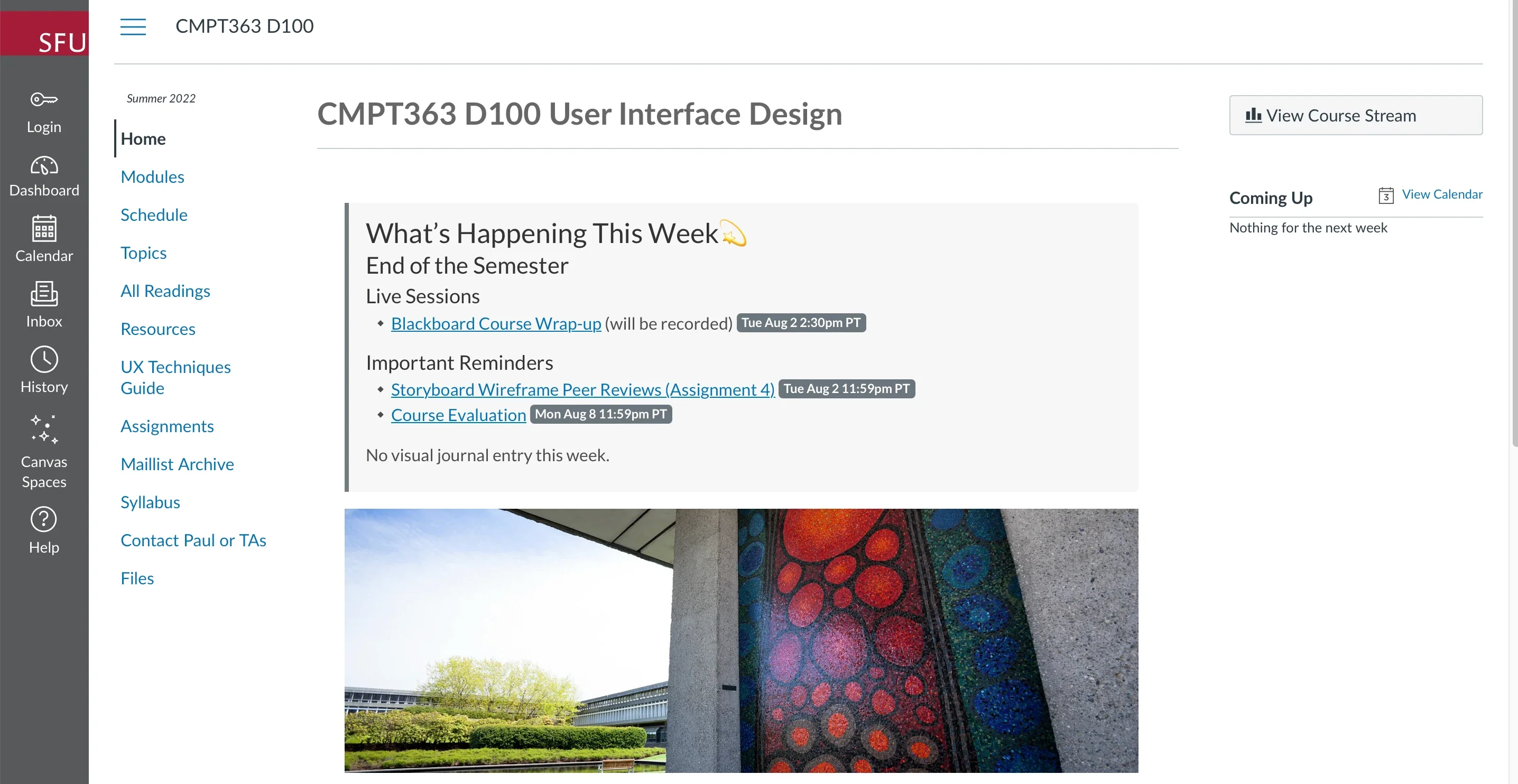
As open-source projects continue to mature, the barriers separating technical code repositories from non-technical user interfaces will likely continue to dissolve. Docsify-This stands as a prime example of how clever abstraction can liberate standard file formats from proprietary silos, offering a sustainable, flexible, and entirely open-source model for the future of digital publishing.
Related posts: