The Role and Significance of the VDDK
The Virtual Disk Development Kit has served as a cornerstone of the VMware ecosystem since its introduction in 2008. By providing a standardized API library, it enables third-party backup and migration software to interact with VMware virtual disks (VMDKs) from outside the hypervisor environment. This capability is essential for modern enterprise data management; it facilitates "agentless" backups, allowing administrators to secure virtual machine data without installing software inside the guest OS, and enables seamless migration of virtual machines between VMware and alternative platforms like KVM, Hyper-V, or cloud-native environments.
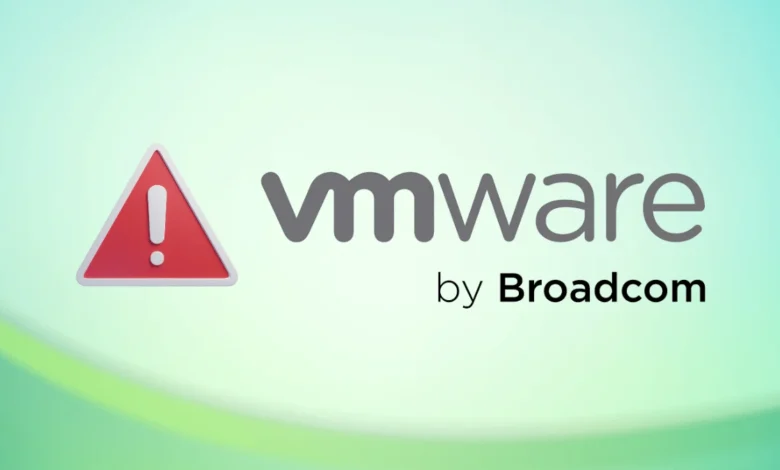
Because the VDDK is governed by restrictive licensing, it cannot be redistributed by Linux distributions or bundled within open-source software projects. For over a decade, this has forced developers and system administrators to rely exclusively on direct downloads from the official VMware/Broadcom developer portal. By terminating public access to these download pages, Broadcom has effectively created a technical bottleneck, as there is currently no sanctioned secondary repository where these files can be obtained by independent developers or those not enrolled in specific, high-tier partnership programs.
A Chronology of the Disruption
The removal of the VDDK download links was not accompanied by a public notification, leading to a period of confusion among enterprise IT professionals. The timeline of this transition can be reconstructed through community reports and corporate documentation updates:
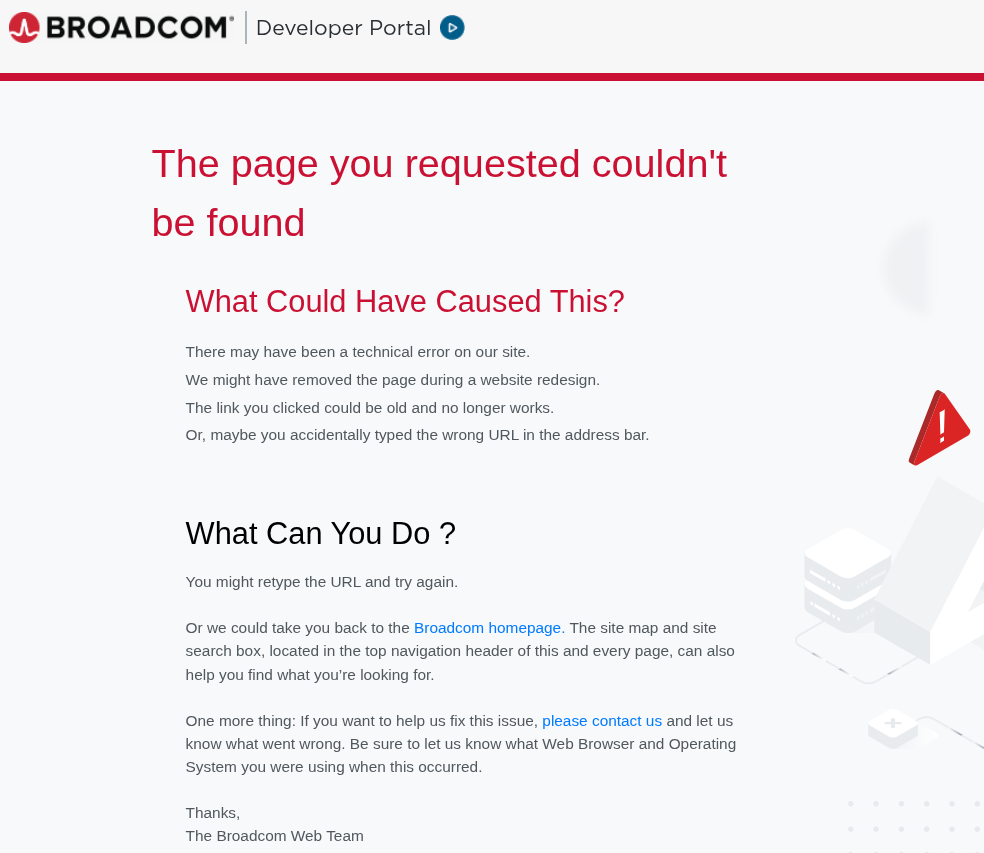
- Mid-August 2025: System administrators on platforms like Reddit began reporting that the official landing pages for VDDK 8 and 9 were returning 404 error codes.
- August 25, 2025: ShapeBlue, a firm specializing in Apache CloudStack, formally documented the unavailability of the SDKs, noting the impact on organizations attempting to migrate virtualized workloads.
- Late August 2025: Red Hat published a support advisory acknowledging that customers were encountering "access denied" or "not found" errors when attempting to access the VDDK. The advisory confirmed that the company was unable to host or distribute the kit itself due to licensing restrictions.
- Early September 2025: Community-led investigations, including correspondence with Broadcom customer support, confirmed that the removal was an intentional policy shift rather than a temporary server outage.
Analysis of the Official Stance
The reasoning behind the removal, while not officially broadcast, was clarified in correspondence between Broadcom’s support team and users. In a response to a query, a representative from Broadcom indicated that the VDDK is no longer available for general download, citing "security, reliability, and product features" as primary drivers. The communication further stated that Broadcom intends to limit access to such tools to "authorized technology alliance partners" who are validated to build software that interoperates with Broadcom products.
This shift signals a transition from an open-access model—which historically fostered a broad ecosystem of independent backup and management utilities—to a gated, partner-centric model. By forcing users to go through the partner program, Broadcom is effectively asserting greater control over which backup and migration tools are deemed "compatible" with their infrastructure, potentially marginalizing smaller vendors or open-source projects that do not meet the criteria for formal partnership.

Broader Industry Impact
The lack of access to the VDDK has created an immediate operational challenge for organizations mid-migration. Major platforms, including Microsoft’s Azure Migrate, have historically relied on these tools to facilitate the movement of virtual machine images. Current documentation for these services still points users to the Broadcom portal, creating a state of disarray for administrators following standard deployment playbooks. In many cases, these platforms are now forced to suggest "agent-based" migration, which is often more labor-intensive, less efficient, and significantly more prone to errors than the previously supported agentless methods.
This development occurs against a backdrop of ongoing tension between Broadcom and its customer base following the $69 billion acquisition of VMware in November 2023. Since the takeover, the company has implemented a series of aggressive structural changes, including the move to a subscription-only model, the dissolution of perpetual licensing, and the bundling of previously standalone products. While the company has occasionally reversed course—such as the decision to offer VMware Workstation Pro and Fusion Pro for free in late 2024 and the restoration of a limited free version of ESXi in 2025—the recent tightening of SDK access suggests a long-term strategy aimed at centralizing control over the software lifecycle.
Implications for Open Source and Interoperability
The removal of the VDDK serves as a stark reminder of the risks associated with proprietary software dependencies. For organizations committed to a "multi-cloud" or "hybrid-cloud" strategy, the ability to move workloads away from a specific hypervisor is a core business requirement. By making the tools for such movement more difficult to obtain, Broadcom is raising the "switching costs" for its customers.
Industry bodies and regulatory groups, such as the Cloud Infrastructure Services Providers in Europe (CISPE), have previously expressed concern over Broadcom’s business practices. While the company maintains that these changes are necessary to ensure security and product quality, critics argue that such actions disproportionately harm the interoperability of the wider IT ecosystem. For now, software vendors and system integrators are left in a state of uncertainty, waiting for further clarification on whether an alternative, accessible pathway for VDDK acquisition will be established, or if this marks the end of the public-access era for VMware’s developer tools.
Conclusion and Future Outlook
As of this writing, there is no indication that Broadcom intends to restore public access to the VDDK. The path forward for many organizations will likely involve engaging directly with Broadcom’s partner support teams, a process that is often time-consuming and exclusive. For smaller entities, hobbyists, and those utilizing non-commercial or open-source solutions, the loss of the VDDK is a significant hurdle that may necessitate the acceleration of efforts to move away from VMware entirely.
The incident highlights a growing trend in the enterprise software sector: the prioritization of controlled, subscription-based ecosystems over the open, flexible architectures that characterized the previous decade of cloud infrastructure. Whether this strategy will lead to increased long-term stability for VMware or further incentivize migration to alternative hypervisors remains a central question for the industry. For the present, IT administrators are encouraged to audit their current infrastructure, identify dependencies on the VDDK, and prepare for a future where access to the proprietary tools of their infrastructure provider is increasingly gated and conditional. As the dust settles, the reliance on such tools will likely be seen as a key point of vulnerability, further accelerating the movement toward open standards and interoperable, vendor-agnostic virtualization solutions.
Related posts: