Streamlining Engineering Workflows by Integrating Kiro CLI into Slack via Serverless Architecture

In the modern software development landscape, the friction caused by context switching is an silent inhibitor of engineering productivity. Data from recent developer experience studies suggests that an average engineer loses upwards of 20% of their daily focus time to "task switching," where moving from a communication platform like Slack to a local development environment, terminal, or repository browser creates a cognitive break that takes several minutes to overcome. For a typical engineering team of 10 developers performing these manual diagnostic or analytical tasks 15 times per day, the aggregate loss of focus and execution time exceeds 12 hours weekly. To combat this, organizations are increasingly turning to "ChatOps"—the practice of bringing operational tools and automation directly into the communication layer. A new technical framework has emerged that allows developers to run the Kiro CLI directly from a Slack slash command, effectively eliminating the need for terminal-based context switching.
The Anatomy of the Integration
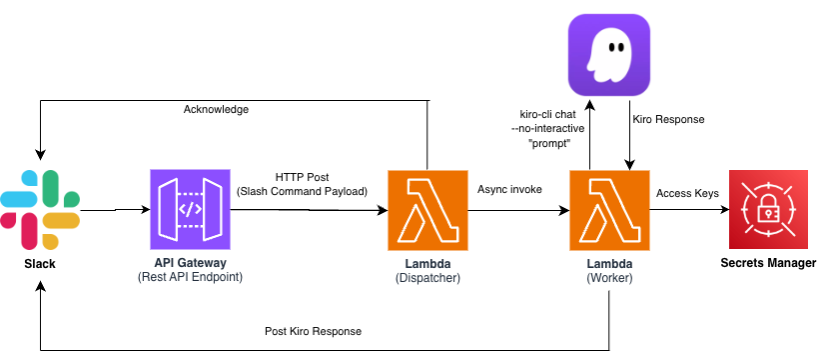
The architecture behind this integration relies on a robust serverless stack using AWS Lambda, Amazon API Gateway, and AWS Secrets Manager. The core challenge of such an integration is the transition from an interactive, terminal-based experience to a headless, automated one. Traditionally, tools like Kiro CLI are designed for an interactive session, requiring a human user to authenticate via a browser-based OAuth flow and provide inputs via a terminal interface. By leveraging Kiro CLI’s headless authentication capabilities, developers can now bypass these manual steps.
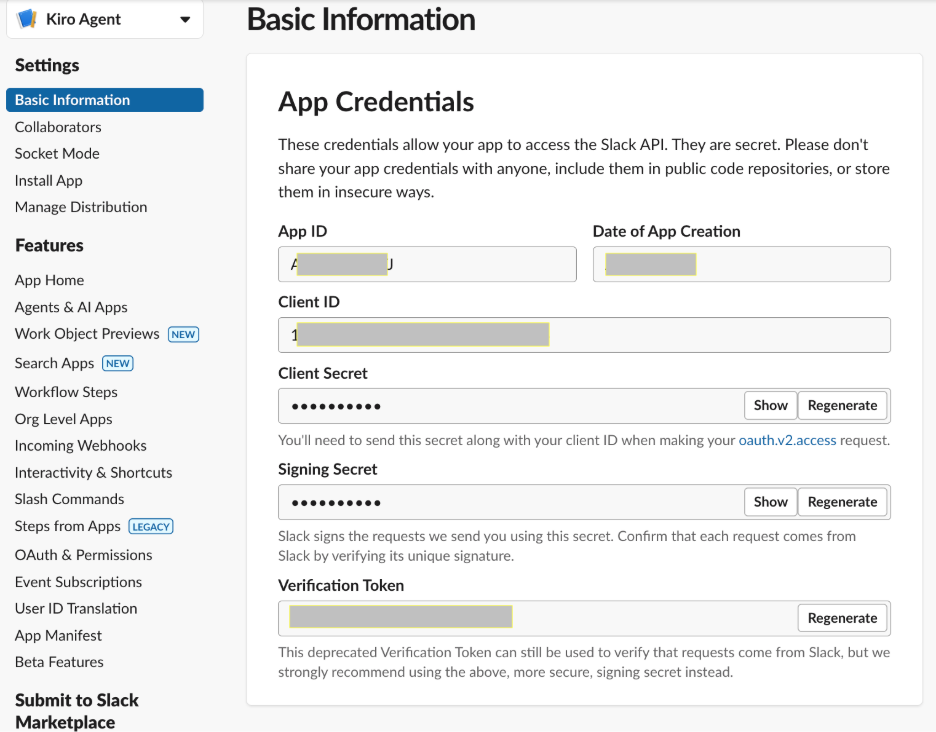
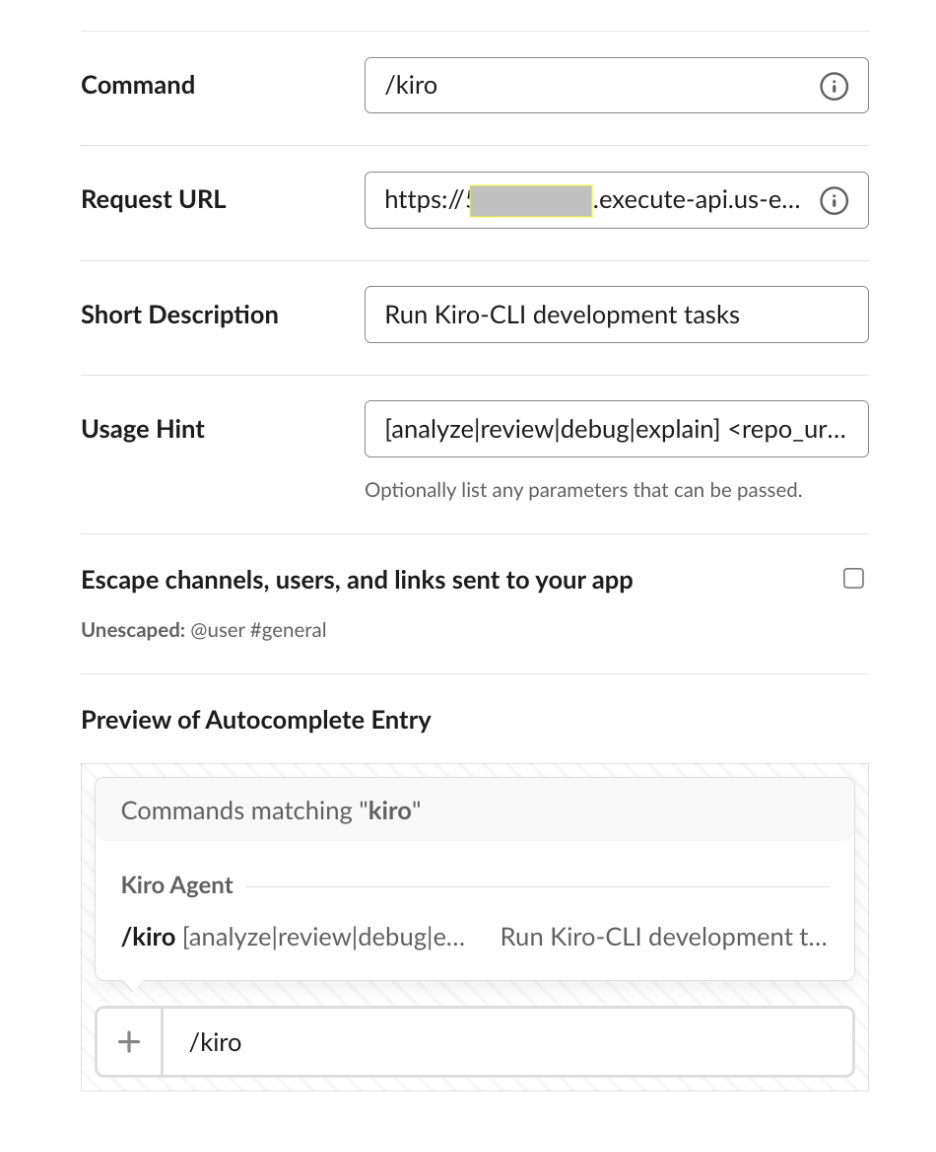
The process begins when a developer types a command, such as /kiro analyze auth-service for memory leaks, into a Slack channel. This trigger sends a webhook request to an API Gateway endpoint. From there, the request is routed to a "Dispatcher" Lambda function. This function serves as the gatekeeper, verifying the request’s authenticity using a Slack signing secret to prevent unauthorized access or replay attacks. Once validated, the Dispatcher acknowledges the receipt of the command to Slack within the required three-second window, ensuring the user receives immediate feedback.
The Necessity of Headless Authentication
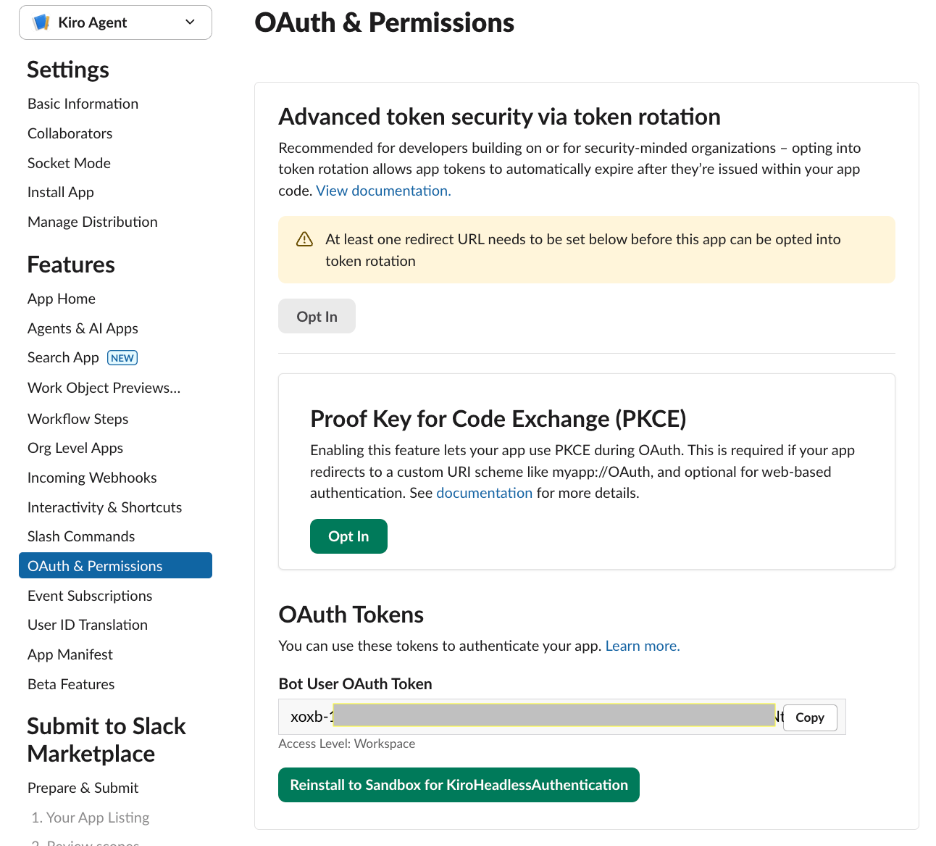
Headless authentication is the lynchpin of this system. In a standard cloud-native environment like AWS Lambda, there is no display, no browser, and no persistent interactive session. Without the ability to use API keys to authenticate silently, the tool would be incapable of running in an automated, non-interactive environment. By storing a Kiro API key in AWS Secrets Manager and injecting it into the Lambda environment at runtime, the system maintains a high security posture while enabling seamless execution. This ensures that the individual engineer never has to manage credentials locally, reducing the risk of token leakage or misconfiguration.
Chronology and Operational Logic
The execution flow is structured to handle the inherent latency of complex code analysis. Because Kiro CLI operations—such as memory leak detection or dependency auditing—can take anywhere from 10 to 60 seconds, a synchronous response is not feasible under Slack’s strict three-second timeout limit for slash commands.

- Phase 1: Dispatch (0–3 seconds): The Dispatcher Lambda validates the Slack HMAC signature and offloads the task to a Worker Lambda.
- Phase 2: Execution (10–60 seconds): The Worker Lambda, which is containerized to accommodate the necessary system dependencies and the Kiro CLI binary, clones the target repository. It sets the
HOMEdirectory to/tmpto allow for session database writes, executes the requested command, and strips any ANSI escape codes that would otherwise render as unintelligible text in the Slack interface. - Phase 3: Reporting: Once the analysis is complete, the Worker Lambda uses the Slack
response_urlprovided in the initial payload to post the results back into the original Slack thread, providing the engineer with the necessary data without them ever having to open a terminal.
Data Security and Infrastructure Management
The architecture prioritizes security through granular IAM policies and secret rotation. Each credential—the Kiro API key, the Slack signing secret, and the GitHub Personal Access Token (PAT) for cloning private repositories—is stored separately in AWS Secrets Manager. This approach adheres to the principle of least privilege, as each Lambda function is granted only the permissions necessary to fetch the specific secrets it requires.
Furthermore, the decision to package the Worker as a container image is a strategic one. Given that the Kiro CLI requires specific system libraries (such as X11 and ALSA) and often exceeds the 250 MB size limit of traditional Lambda layers, a containerized approach provides a stable, reproducible execution environment. This container is built for the linux/amd64 architecture, ensuring compatibility with the Lambda runtime regardless of the developer’s local machine architecture.
Broader Implications for Engineering Productivity
The implementation of this ChatOps pattern has significant implications for team dynamics. By democratizing access to complex analytical tools, teams can lower the barrier to entry for junior engineers. When an analysis is performed in a public channel, it acts as a form of "asynchronous mentorship." A senior engineer running a debug command provides a template for how to investigate a service, and the resulting output serves as a learning resource for the entire team.
Moreover, this shift allows for the creation of standardized "runbooks" that exist as Slack commands rather than static documentation. Instead of maintaining a wiki page on how to analyze memory leaks, an engineering lead can simply instruct the team to use the /kiro command. This reduces "tribal knowledge" and ensures that investigative methodologies are consistently applied across the organization.
Challenges and Future Considerations
While the architecture is highly effective, it is not without constraints. Slack’s response_url has specific limitations: it expires 30 minutes after the command is issued and accepts a maximum of five responses. These constraints necessitate careful design of the Worker Lambda’s timeout and output management. Developers must ensure that their logic does not attempt to post incremental updates indefinitely, as this could lead to silent failures.
Security remains a primary concern for any integration that interfaces with production repositories. While this solution uses standard AWS security practices, teams should consider implementing additional audit logging. By capturing every invocation—who requested the analysis, which repository was scanned, and the duration of the task—leadership can derive insights into how engineering resources are being spent. This data can also be used to identify "noisy" services that require frequent analysis, perhaps indicating a need for more robust refactoring or architectural changes.
Expanding the Pattern
The flexibility of this architecture allows it to scale beyond simple analysis. Teams can extend the functionality to support multi-repository scanning by parsing repository URLs directly from the command text. More advanced implementations could include "approval workflows," where the system posts proposed code changes—such as a patch for a security vulnerability—as a series of buttons in Slack, allowing for human-in-the-loop verification before any code is committed.
As organizations continue to integrate AI-assisted development tools into their daily workflows, the ability to bridge the gap between communication platforms and development environments will become a competitive advantage. The move toward headless, serverless integrations for CLI tools represents a maturation of the developer experience, moving away from fragmented, local-first workflows toward a more collaborative, transparent, and efficient model of software operations. By treating the command line as a service accessible from a messaging platform, teams are not just saving time—they are fostering a culture of shared operational knowledge that scales with the complexity of their infrastructure.
Related posts: