Your favorite agents are now integrated in Android Studio | Android Developers’ Blog

The Evolution of Android Development Tooling
The trajectory of Android Studio has been defined by a transition from basic code editing to comprehensive suite management. Since its inception, the platform has aimed to consolidate the fragmented nature of mobile development. With the release of the "Rabbit" series, Google has pivoted toward an AI-first approach. Rabbit 1 established the foundation for agent-assisted coding, while Rabbit 2 expands this into a multi-provider ecosystem.

The introduction of "Bring Your Own Agent" (BYOA) marks a departure from proprietary silos. By allowing developers to choose from over 40 distinct coding agents—including models from OpenAI, Anthropic, and proprietary Google internal projects—the IDE now functions as a neutral platform rather than a restricted environment. This move is largely viewed as a response to the growing demand for enterprise-grade customization, where security compliance and internal model deployment are non-negotiable requirements for large-scale engineering teams.
Core Features and Technical Enhancements
The technical architecture of Android Studio Rabbit 2 is centered around four pillars: agentic flexibility, XR simulation, automated debugging, and sophisticated code review workflows.
Bring Your Own Agent (BYOA)
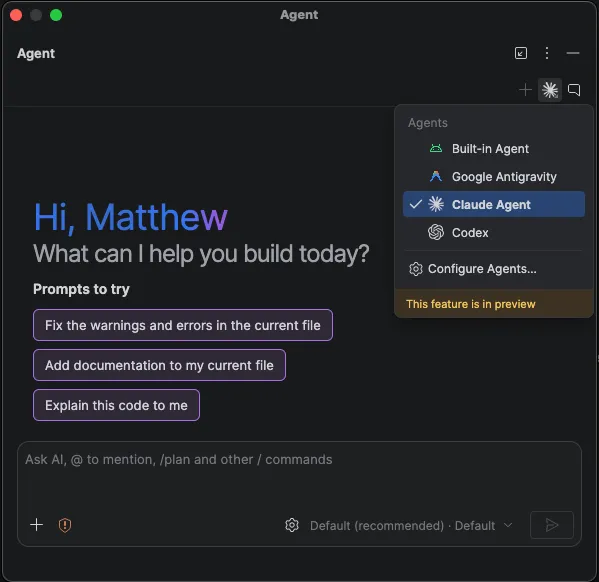
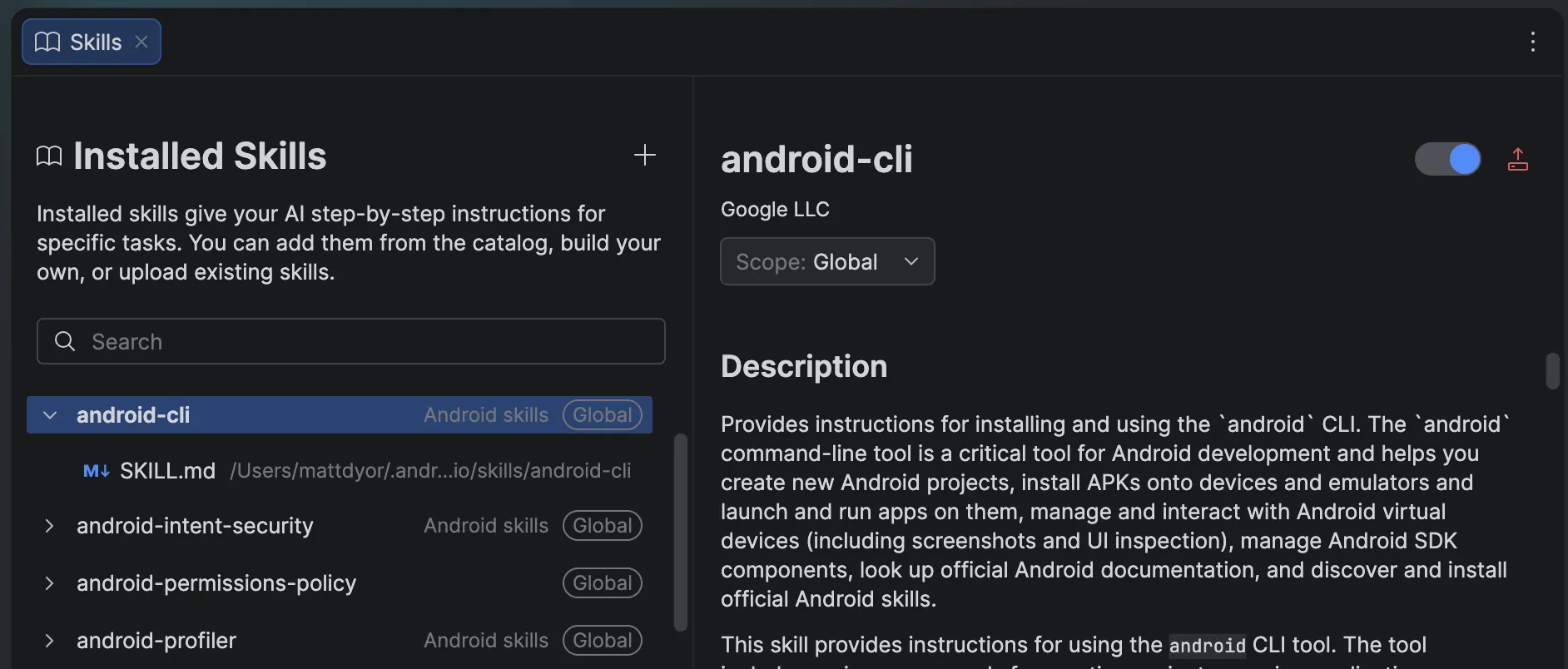
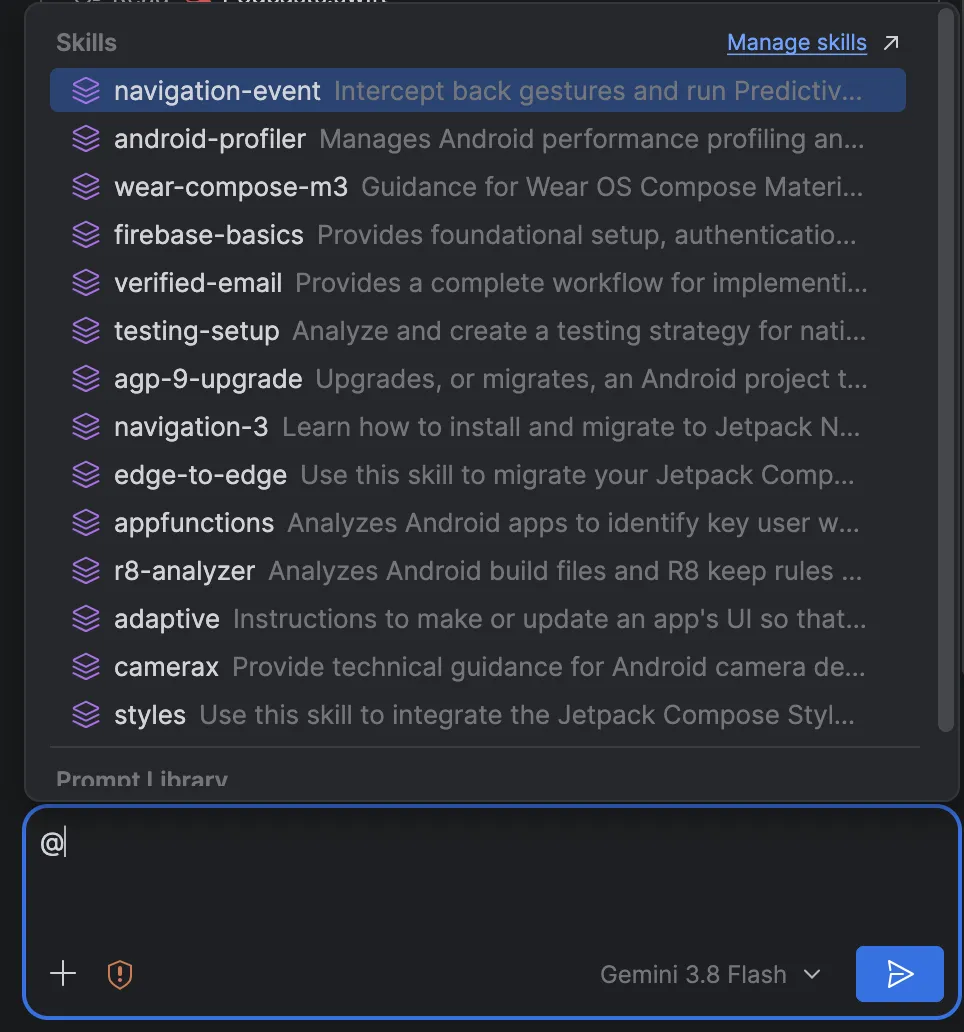
The centerpiece of the update is the BYOA framework. Developers can now authenticate their preferred AI models directly within the IDE settings. This integration is not merely a chat interface; it is deeply woven into the Android Studio toolchain. These agents are granted permission to interact with critical components such as the Android Emulator, the Gradle build system, and Logcat. By utilizing "Android Skills"—a set of specialized procedural instructions—these agents can perform complex, multi-step operations that were previously manual, such as refactoring legacy XML views into modern Jetpack Compose or upgrading the Android Gradle Plugin (AGP) version.
Advancements in Android XR Emulation
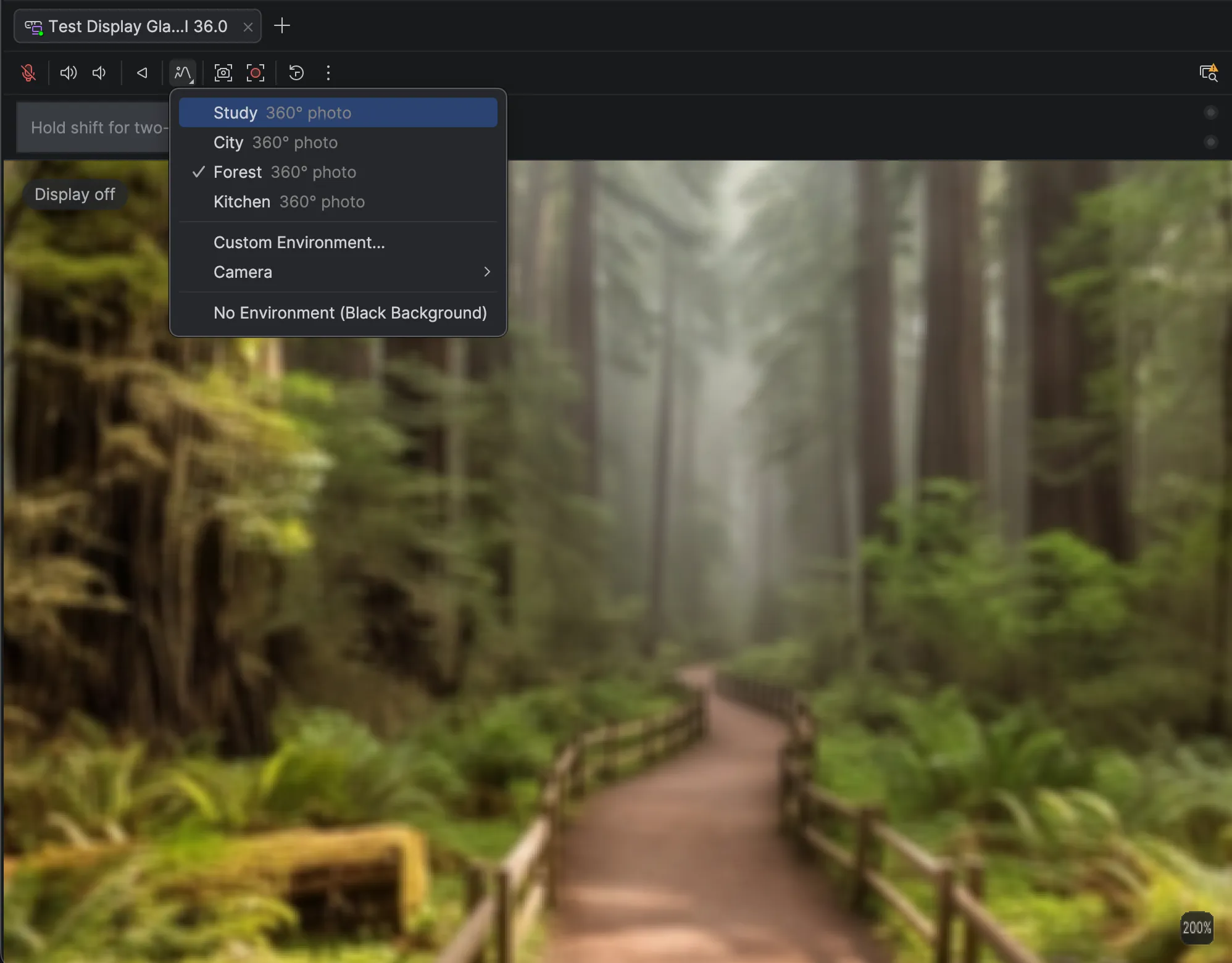
As the market for spatial computing expands, the need for robust testing environments has intensified. Rabbit 2 introduces significant updates to the Android XR Emulator suite. The new version allows for the simulation of diverse hardware configurations, including XR glasses, audio glasses, and display-centric wearables. A notable addition is the ability to map custom 360-degree environments and video feeds to the emulator, enabling developers to simulate real-world lighting and physical obstacles without needing physical prototypes. Enhanced safety features, such as virtual LED indicators for microphone and camera status, ensure that privacy-centric development remains a priority during the testing phase.
Intelligent Debugging with LeakCanary
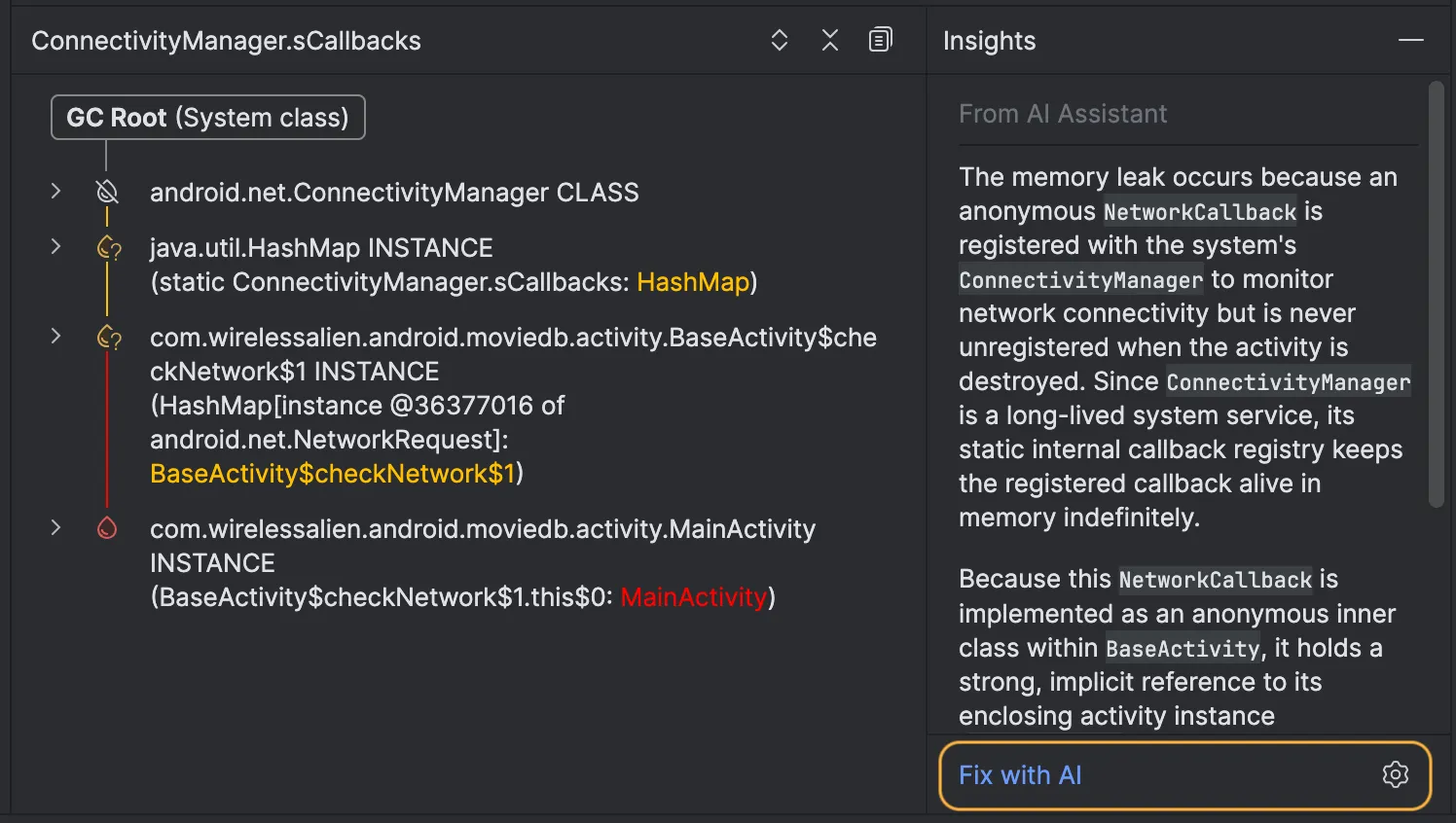
Memory management remains a perennial challenge in Android development. The integration of LeakCanary directly into the Android Studio Profiler represents a major leap in automated diagnostics. Rather than simply reporting a memory leak, the AI-driven tool provides a narrative explanation of why the leak occurred and suggests specific, actionable code patches. By closing the loop between error detection and remediation, the IDE reduces the time-to-fix cycle, allowing developers to focus on feature development rather than forensic debugging.
Enterprise Governance and Change Review
For large-scale organizations, the move toward agentic development introduces new risks regarding code quality and security. To mitigate these, Rabbit 2 includes the "Change Review" module. This feature is designed to combat the "review bottleneck" created by the rapid generation of AI-assisted code.
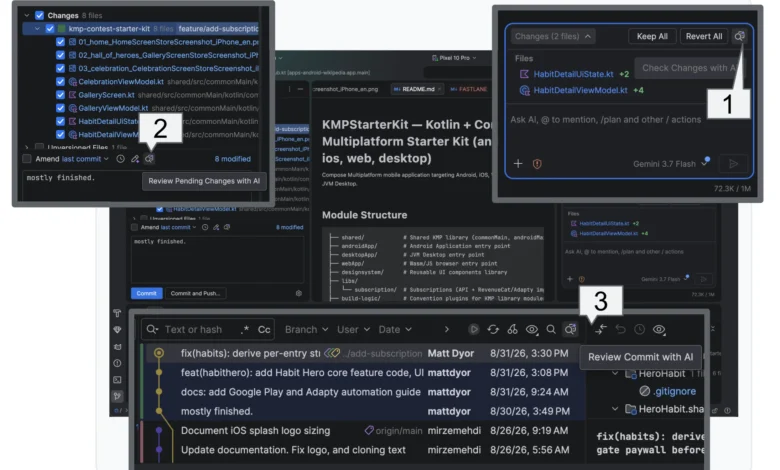
Change Review operates by clustering related diff chunks into logical themes, rather than presenting them in standard alphabetical file order. This contextual grouping allows human engineers to review the intent of the code changes rather than just the syntax. By integrating with Git logs and pending commits, the tool ensures that every AI-generated suggestion is subject to human oversight, maintaining the integrity of the codebase while leveraging the speed of automation.
Industry Context and Strategic Implications
The release of Android Studio Rabbit 2 arrives at a critical juncture in the software development lifecycle. According to recent industry data, the adoption of AI-assisted programming tools has reached a saturation point among professional developers, with productivity gains reported in the 20% to 40% range. However, this shift has brought challenges regarding data privacy and model reliability.
By offering Gemini Enterprise, Google is positioning Android Studio as the standard-bearer for secure, private AI development. This suite allows for the integration of private repositories and internal design systems, ensuring that proprietary intellectual property remains within the corporate perimeter. This strategy directly addresses the primary concerns of enterprise CTOs who have been hesitant to adopt public-facing AI tools due to fears of data leakage.
The Path Forward
The launch of Rabbit 2 is being supported by a series of technical demonstrations at the Android Dev Summit. These sessions provide a roadmap for how teams can transition from legacy workflows to the new agentic model. The focus on "skills management"—where developers can discover and install specific agent capabilities via a centralized interface—suggests a future where IDE functionality is essentially "pluggable."
Looking ahead, the industry is expected to see a greater focus on cross-platform AI synchronization. If an agent can successfully manage a complex Firebase migration, the question arises as to whether this functionality can be extended to cloud-native backends or third-party API integrations.
Conclusion
Android Studio Rabbit 2 is more than a routine version update; it is a fundamental shift in the developer experience. By enabling modular agent selection, providing robust testing environments for spatial computing, and institutionalizing AI-assisted debugging, Google has provided the tools necessary for the next generation of mobile software. As the ecosystem matures, the focus will likely remain on refining these agentic workflows to ensure that while the tools become more automated, the human developer retains total control and visibility over the final product. For developers, the message is clear: the IDE is no longer just a window into the code—it is an active, intelligent collaborator in the construction of the digital future.