React Native 0.83 Ushers in a New Era of Stability and Enhanced Developer Experience with React 19.2 Integration and Advanced Debugging Tools

React Native 0.83 marks a significant milestone in the evolution of the cross-platform mobile development framework, introducing a suite of powerful new features, robust stability improvements, and enhanced developer tooling. This latest release, which integrates React 19.2, brings forth novel APIs like <Activity> and useEffectEvent, alongside substantial upgrades to React Native DevTools, including comprehensive network and performance panels, and a standalone desktop application. Notably, this is the first React Native release to feature no user-facing breaking changes, signaling a commitment to developer predictability and smoother upgrade paths. The release also introduces experimental support for Web Performance and Intersection Observer APIs, further bridging the gap between web and native development.
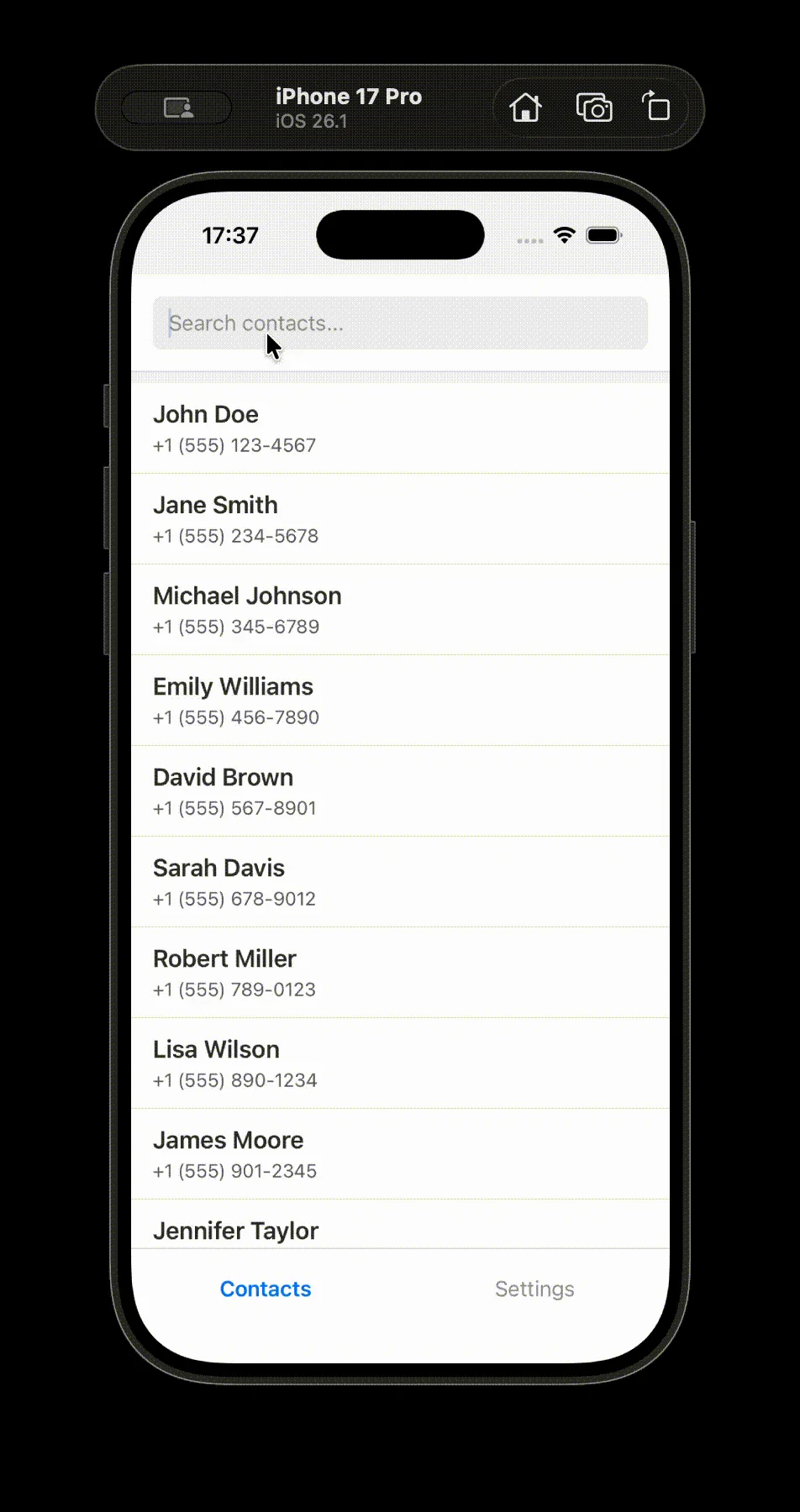
The integration of React 19.2 into React Native 0.83 brings two pivotal React features directly to the mobile development ecosystem: <Activity> and useEffectEvent. The <Activity> component offers a sophisticated method for managing and prioritizing different sections of an application, acting as a more declarative alternative to conditional rendering. It supports two primary modes: 'visible' and 'hidden'. The 'hidden' mode is particularly noteworthy for its ability to preserve the state of components, allowing them to seamlessly resume their previous state when re-exposed, thus enhancing user experience by maintaining context, such as search queries or selection states, across view transitions. This feature is detailed further in the official React documentation, providing developers with a powerful tool for optimizing app performance and user engagement.
Complementing <Activity>, the useEffectEvent hook addresses a common pain point in React development related to the useEffect hook. Developers often encounter situations where effects designed to respond to external events are unnecessarily re-triggered due to changes in dependencies used within the effect. While disabling lint rules and excluding dependencies has been a workaround, it sacrifices the safety net provided by linters, potentially leading to subtle bugs. useEffectEvent provides a clean solution by allowing developers to decouple the event-handling logic from the effect itself, ensuring that effects only re-run when truly necessary, thereby improving code robustness and maintainability.

A critical announcement accompanying this release addresses a security vulnerability in React Server Components. The React Native team has stressed that React Native itself is not directly affected by this vulnerability, as it does not rely on the implicated packages. However, developers operating within monorepos that might include these packages are strongly advised to review and update them immediately. A subsequent patch release for React Native will bring all React dependencies up to version 19.2.1, further solidifying the security posture of the platform.
Enhanced React Native DevTools: A Leap Forward in Debugging and Performance Analysis
React Native 0.83 introduces a significant overhaul of React Native DevTools, introducing long-awaited features that promise to revolutionize the debugging and performance analysis workflow for developers. The most prominent additions are the Network and Performance panels, offering unprecedented visibility into application behavior.
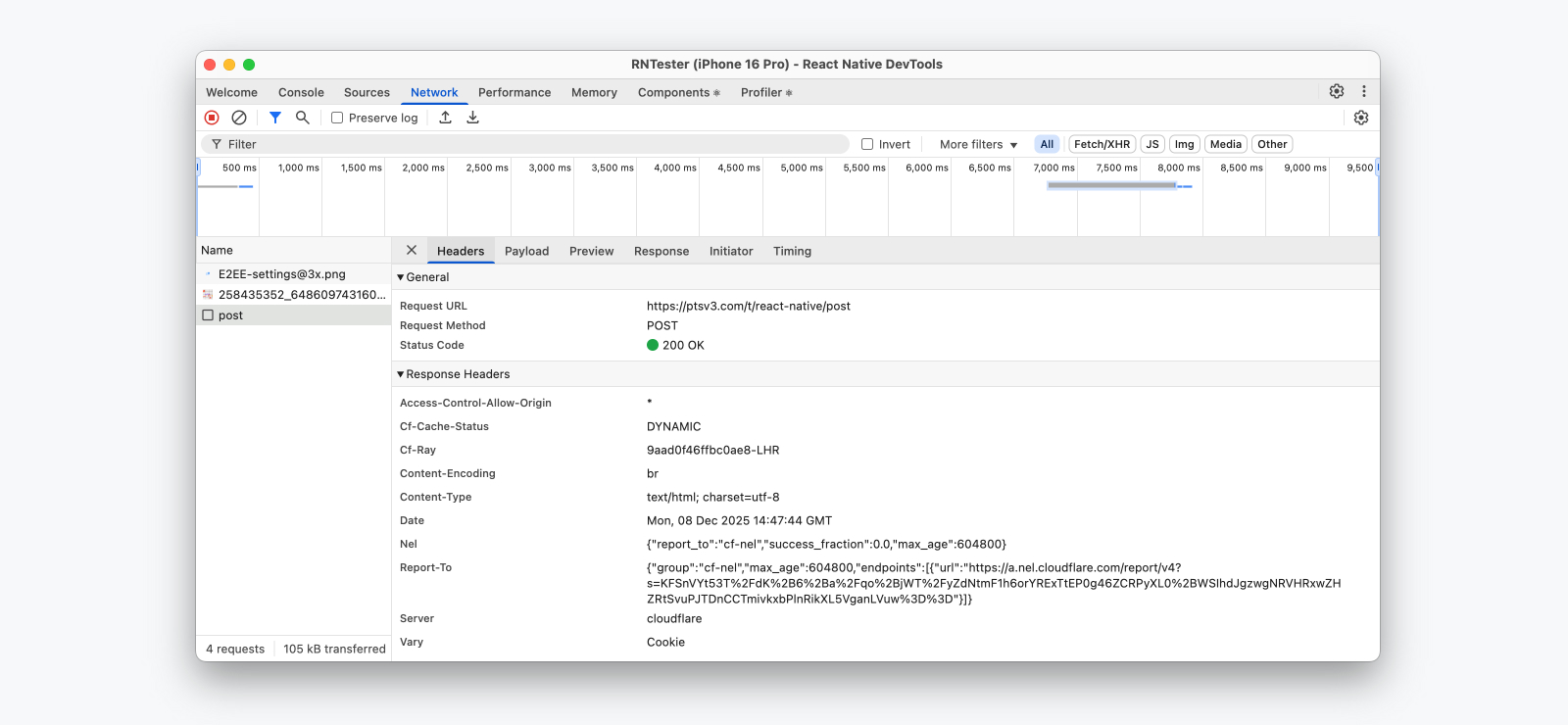
The Network inspection capabilities, now available for all React Native applications, allow developers to meticulously examine network requests. This includes detailed metadata such as request timings, headers, and response previews. A particularly innovative feature is the "Initiator" tab, which pinpoints the exact location in the codebase where a network request originates. This granular level of insight is invaluable for diagnosing network-related issues and optimizing data transfer. While the current iteration logs requests made via fetch(), XMLHttpRequest, and <Image> components, support for custom networking libraries, including Expo Fetch, is slated for future releases. For applications utilizing Expo, a separate "Expo Network" panel will continue to provide logging for additional request sources, though with slightly reduced feature sets until deeper integration is achieved.
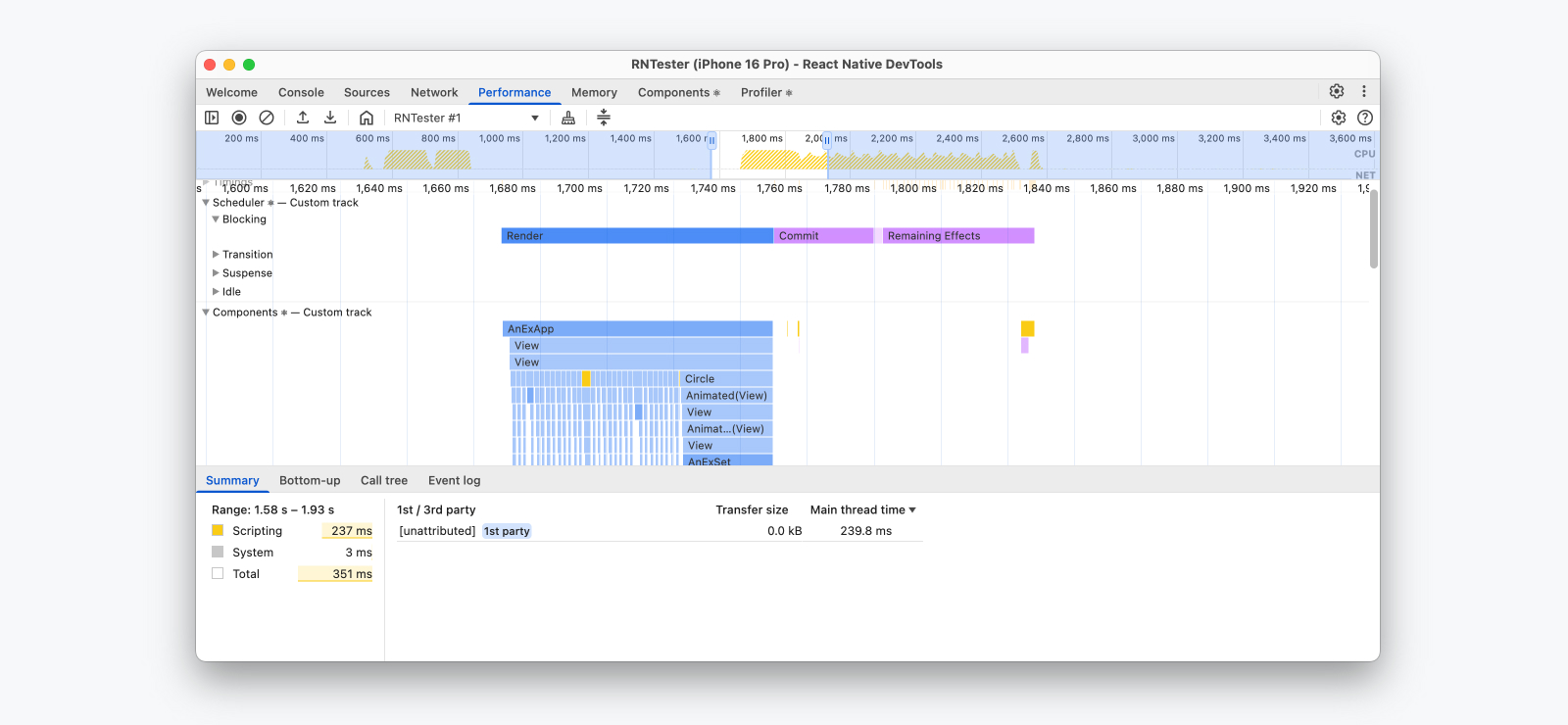
The Performance panel provides developers with the ability to record and analyze performance sessions within their applications. This feature visualizes JavaScript execution, React Performance tracks, network events, and custom User Timings on a unified timeline. This comprehensive view aids in identifying performance bottlenecks and understanding how different components and operations contribute to overall application speed. Coupled with the stable rollout of Web Performance APIs, this suite of tools offers fine-grained visibility into the factors influencing React Native app performance, encouraging developers to integrate these panels into their daily development routines.
Beyond the new panels, React Native DevTools now boasts a new, bundled desktop application. This significantly improves the developer experience by eliminating the previous reliance on browser windows and the need for Chrome or Edge installations. The standalone application offers a more streamlined and integrated debugging environment, enhancing efficiency and reducing potential setup friction.
Expanding Web API Support and Experimental Features
React Native 0.83 continues its trajectory of integrating powerful web technologies, introducing support for IntersectionObserver in its canary release. This asynchronous API allows developers to efficiently monitor the visibility of DOM elements and trigger actions when they enter or exit the viewport. This functionality is crucial for implementing features like infinite scrolling, lazy loading of images, and animations that respond to user interaction, all while optimizing performance by deferring the processing of off-screen elements. Developers can explore the API and implementation details in the provided documentation and examples within RNTester.
The Web Performance APIs, first introduced as experimental in 0.82, are now stable in React Native 0.83. This includes APIs for tracking various aspects of application performance, which can be visualized in the DevTools Performance panel and observed at runtime via PerformanceObserver. Crucially, PerformanceObserver functions in production builds, enabling developers to gather real-world performance metrics and gain insights into how their applications perform under diverse user conditions.
Experimental features continue to push the boundaries of React Native. Hermes V1, the latest iteration of the JavaScript engine, offers significant improvements in both its compiler and virtual machine, leading to substantial gains in JavaScript performance. While initially released as an opt-in experimental feature in 0.82, Hermes V1 in 0.83 incorporates further optimizations. Developers can experiment with Hermes V1 by building React Native from source, with detailed instructions provided for enabling it within project configurations.
Furthermore, experimental flags are now available to compile out the Legacy Architecture on iOS. For applications already migrated to the New Architecture, this flag can reduce build times and application size by removing redundant legacy code. Preliminary tests indicate notable improvements, with build times decreasing and app sizes shrinking. This initiative underscores the ongoing effort to streamline the React Native codebase and enhance its efficiency.
For iOS development, a new experimental feature allows for debugging React Native code shipped within precompiled binaries. This is particularly beneficial for library maintainers and those developing native modules or components, as it provides the ability to set breakpoints and step through React Native code directly within Xcode. This capability significantly aids in troubleshooting complex native integrations and ensures greater parity between development and production environments. The process involves specific CocoaPods configurations and LLDB commands to symbolize prebuilt frameworks, offering a powerful new debugging avenue.
A Commitment to Stability: No User-Facing Breaking Changes
A standout achievement of React Native 0.83 is its status as the first release to ship with no user-facing breaking changes. This signifies a mature and stable platform, providing developers with a predictable upgrade path from version 0.82. This focus on stability is a testament to the ongoing efforts to enhance the release process and minimize disruption for the developer community. Projects on React Native 0.82 should be able to upgrade to 0.83 without requiring modifications to their application code, a significant improvement for project maintenance and development velocity.
Deprecations and Acknowledgements
This release also includes two Android-specific deprecations, signaling a move towards more modern and efficient practices within the Android ecosystem. While specific details of these deprecations were not elaborated upon in the announcement, they are part of a continuous effort to refine the platform.

React Native 0.83 is the result of a collaborative effort, featuring over 594 commits from 56 contributors. The release acknowledges the significant contributions of several community members, highlighting the vibrant and engaged nature of the React Native ecosystem.
Upgrading and Future Outlook
The React Native team encourages developers to utilize the React Native Upgrade Helper tool for seamless transitions between versions and refers to the official upgrading documentation for comprehensive guidance. For new projects, creating a new project with the latest version is straightforward using the CLI. For users of Expo, React Native 0.83 will be available in SDK 55, slated for release in January 2026.
With React Native 0.83, the platform solidifies its position as a leading choice for cross-platform mobile development, offering enhanced stability, powerful new features, and a significantly improved developer experience. The continued integration of web technologies and a strong focus on developer tooling promise an even brighter future for React Native development.