React Native 0.78 Officially Released With Native React 19 Integration, Enhanced iOS Brownfield Support, and Android Vector Drawable Capabilities


The core engineering team behind React Native has officially announced the global release of React Native version 0.78, marking a significant milestone in cross-platform mobile development. This latest stable distribution brings native support for React 19, introduces streamlined setup procedures for the React Compiler, adds native Android XML drawable capabilities, and delivers a robust architectural shift for iOS brownfield integrations via the new RCTReactNativeFactory class. The deployment of version 0.78 also initiates an updated release strategy by the core maintainers aimed at delivering smaller, more frequent, and more stable updates throughout the calendar year 2025.
Main Facts and Core Features of the 0.78 Release
React Native 0.78 represents a massive collaborative effort, driven by more than 509 individual code commits contributed by 87 developers across the global open-source community. The centerpiece of this software drop is the integration of React 19, bringing the latest paradigms of the web framework directly to native mobile applications. However, this upgrade requires developers to audit their existing codebases, as legacy APIs—such as propTypes—have been permanently removed, necessitating codebase refactoring prior to updating dependencies.
Beyond the React 19 upgrade, version 0.78 addresses several long-standing platform-specific pain points. On Android, the framework now natively supports XML drawables. This allows developers to load vector graphics and shape drawables directly through the standard Image component. By leveraging vector assets rather than traditional rasterized bitmaps, development teams can significantly reduce their final APK binary sizes while ensuring crisp graphic rendering across disparate display densities and device screen resolutions.
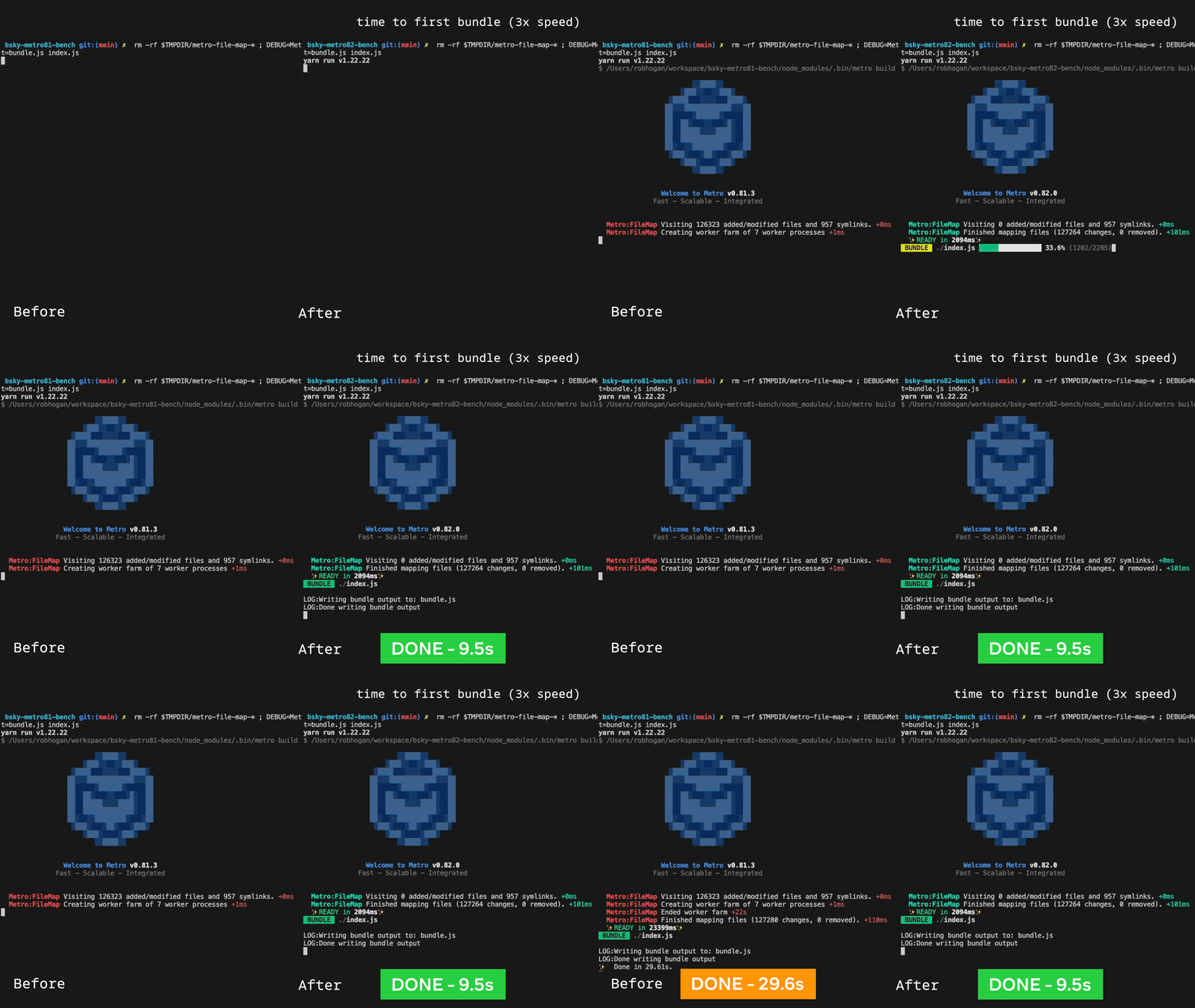
For iOS developers, particularly those managing hybrid or brownfield applications—where React Native is embedded into existing native Swift or Objective-C apps—version 0.78 introduces RCTReactNativeFactory. This utility class removes the rigid dependency on an application-level AppDelegate, empowering engineers to initialize and present React Native views directly inside isolated ViewControllers with minimal boilerplate code. Furthermore, in response to developer feedback following the removal of console log streaming in version 0.77, the team has introduced an opt-in --client-logs flag for the Metro development server, temporarily restoring the feature while giving teams an extended migration window.
Chronology and Release Roadmap
The journey toward React Native 0.78 follows a predictable yet rapidly accelerating development cadence established by Meta and the open-source working group. Historically, major React Native releases often lagged significantly behind web-based React updates. However, the synchronization of React 19 with version 0.78 demonstrates a concerted push to narrow this gap.
The preceding stable release, version 0.77, arrived earlier in the year and introduced several deprecations, including the controversial removal of console log streaming in the Metro CLI. User feedback regarding that removal prompted an immediate policy adjustment by the maintainers, leading directly to the implementation of the --client-logs opt-in flag deployed in version 0.78 (and slated for a minor 0.77.1 patch). Concurrently, version 0.78 marks the formal end of support for version 0.75.x under the project’s official support lifecycle policy, pushing the ecosystem toward faster deprecation cycles and encouraging developers to stay current with modern framework standards.
Looking ahead, the core team has outlined a strategic shift for 2025. Rather than bundling massive, infrequent updates loaded with breaking changes, the project is moving toward smaller, more frequent stable releases. This new operational model aims to reduce the friction of upgrading, allowing internal bug fixes and minor features to reach production environments much faster while preserving long-term framework stability.
Technical Deep Dive and Supporting Data
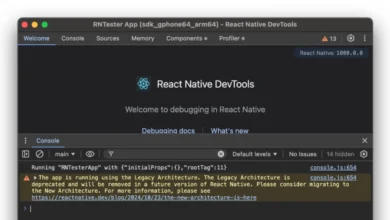
The integration of React 19 brings powerful architectural tools to mobile developers, most notably the React Compiler. In previous iterations, enabling the compiler required a cumbersome setup process involving multiple distinct packages—the compiler itself and its associated runtime—alongside complex Babel plugin configurations via Metro. Version 0.78 simplifies this workflow by consolidating requirements: developers now only need to install the compiler package and configure the Babel plugin. Verification of successful compilation is straightforwardly handled via the React Native DevTools, where memoized components display an explicit Memo ⚛️ tag in the Component Inspector.
On the Android rendering front, XML vector drawables offer distinct memory and performance advantages. Because vector drawables are processed and inflated off the main thread—mirroring the framework’s existing off-thread image decoding architecture—they prevent UI thread starvation and eliminate dropped frames during heavy rendering tasks. Internal testing by Meta and ecosystem partners revealed measurable performance gains when rendering dense lists of icons.
However, engineering teams must weigh these benefits against specific platform trade-offs. Android vector drawables are strictly platform-specific and do not provide a 1:1 replacement for cross-platform vector libraries such as react-native-svg. Developers requiring uniform SVG rendering across both iOS and Android must continue utilizing dedicated third-party packages, as native XML drawables prioritize rendering performance and efficiency over cross-platform vector abstraction.
For iOS brownfield architectures, the introduction of RCTReactNativeFactory drastically streamlines embedding. Previously, instantiating a React Native view inside a native iOS ViewController required routing through a centralized app delegate configuration. The new pattern is exemplified by initializing a delegate that conforms to RCTDefaultReactNativeFactoryDelegate, overriding sourceURL and bundleURL to point to the local Metro server during development or the bundled JavaScript file in production. This architecture enables modular, incremental adoption of React Native within massive, legacy native iOS codebases without architectural friction.
Industry Implications and Ecosystem Impact
The release of React Native 0.78 has broad implications for enterprise mobile engineering and the broader cross-platform development landscape. By aligning mobile runtime environments directly with React 19, Meta is ensuring that code-sharing paradigms between web and mobile remain tightly coupled. This synergy reduces cognitive load for full-stack engineering teams who can leverage identical state management, compiler optimizations, and component lifecycles across web browsers and native mobile applications.
Furthermore, the commitment to a more frequent, lower-friction release cadence in 2025 addresses one of the most persistent criticisms of the React Native ecosystem: upgrade fatigue. Historically, lagging behind by two or three minor versions could turn an application upgrade into a multi-week engineering ordeal fraught with breaking changes in native modules and third-party dependencies. By smoothing out the release curve and minimizing breaking shifts per version, the core team is lowering the barrier to entry for continuous framework maintenance.
Official Guidance and Migration Path
Transitioning existing production applications to React Native 0.78 requires careful planning, particularly due to the removal of legacy APIs under React 19 and breaking changes outlined in the core changelog. Developers are strongly encouraged to utilize the community-maintained React Native Upgrade Helper to inspect diffs between versions.
For teams initiating greenfield projects, initialization can be executed via the updated command line interface:
npx @react-native-community/cli@latest init MyProject --version latestMeanwhile, development teams relying on the Expo ecosystem can anticipate support for React Native 0.78 within upcoming canary releases of the Expo SDK, ensuring seamless integration for managed workflow projects. As version 0.78 takes over as the current stable standard, older versions like 0.75.x transition into official deprecation, reinforcing the necessity for engineering organizations to establish regular, proactive dependency management schedules.