React Native Core Contributors Summit 2024 Charts the Future of Cross-Platform Mobile and Desktop Development

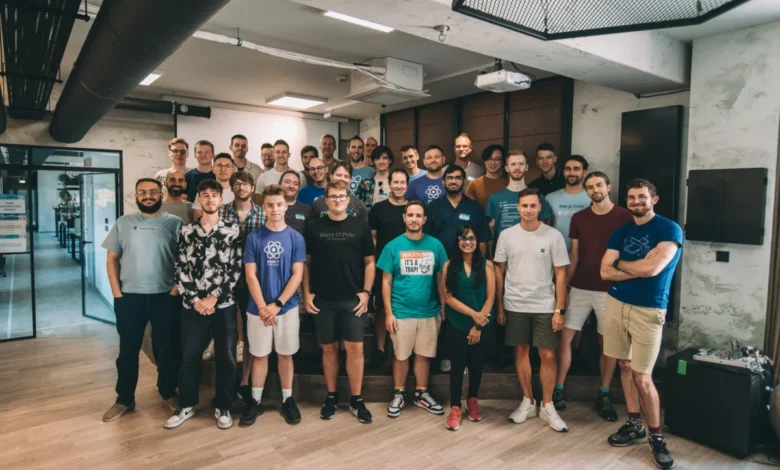
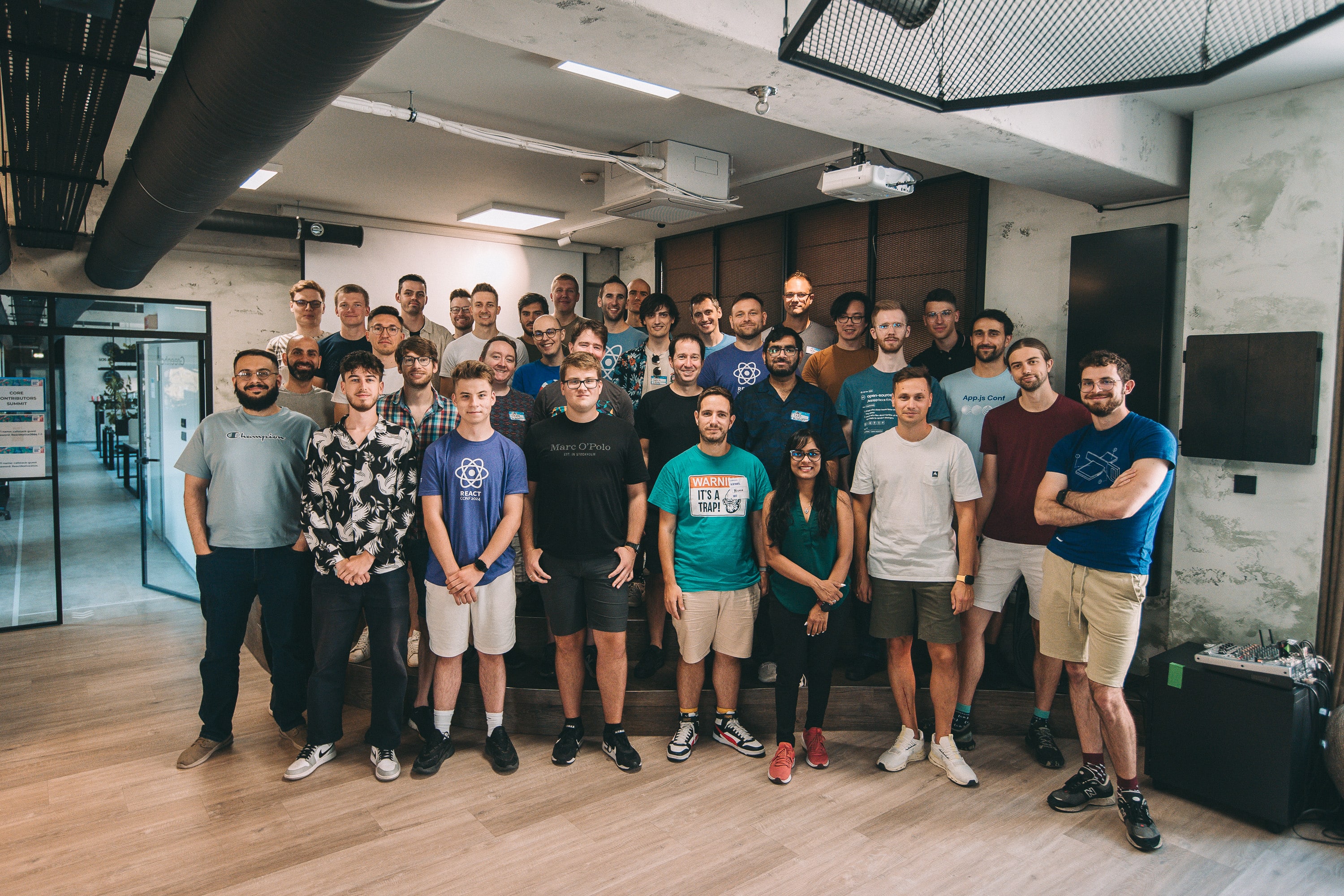
The annual gathering of software engineers, core maintainers, and key stakeholders from across the global React Native ecosystem convened in Wrocław, Poland, for an expanded two-day intensive strategy summit. Traditionally held as a single-day workshop immediately preceding the React Universe Conf (formerly React Native EU) at the headquarters of software consultancy Callstack, the 2024 edition was deliberately extended to allow for deeper, unstructured technical discussions. This year’s summit brought together representatives from major technology entities—including Meta, Microsoft, Expo, Software Mansion, and independent library maintainers—to evaluate the maturation of the framework following the stabilization of the New Architecture and to chart strategic priorities for the coming years.
Background Context and Event Evolution
React Native, originally open-sourced by Meta in 2015, has evolved from an experimental mobile solution into a foundational technology powering tens of thousands of consumer and enterprise applications worldwide. As the ecosystem expanded beyond iOS and Android to encompass desktop environments (Windows and macOS), virtual reality hardware (visionOS and XR devices), and sophisticated web tooling, the governance and architectural coordination required input from beyond Meta’s internal teams.
To bridge this gap, the Core Contributor Summit was established as a vital feedback loop. In past years, restricted timeframes occasionally limited discussions to surface-level roadmap reviews. Recognizing the need for extended collaborative architecture sessions, organizers expanded the 2024 summit to a two-day format held at Callstack’s Wrocław facilities. This modification provided the necessary runway for complex debates surrounding release engineering, out-of-core component pruning, and cross-platform API standardization.
Chronology of Key Technical Debates
The two-day agenda was divided into dedicated tracks covering core framework evolution, platform interoperability, and developer experience. The chronology of sessions reflected an industry-wide pivot: moving away from establishing the fundamental rendering infrastructure toward optimizing performance, reducing maintenance burdens, and unifying platform APIs.
Day One: Releases, Modernizing Core, and Web Standards
Opening day discussions focused heavily on the mechanics of framework distribution and ecosystem compatibility. The release process working group analyzed the delicate balance between rapid deployment of bug fixes and the stability required by third-party library maintainers (such as those behind Reanimated) and large-scale frameworks like Expo. Nightly releases were lauded for enabling early validation by out-of-tree platform maintainers, yet participants acknowledged that frequent updates risk causing upgrade fatigue and unintended breaking changes downstream.
The conversation quickly transitioned to the introduction of LeanCore 2.0. Drawing parallels to the original Lean Core initiative launched in 2019—which aimed to strip out legacy APIs and reduce the core framework’s surface area—contributors noted that years of subsequent development have left the framework ripe for another round of consolidation. Modern mobile ecosystems feature robust community-driven alternatives for many legacy components currently housed within the React Native repository. Furthermore, core layer APIs frequently remain tethered to specific operating system implementations (such as Android-specific props within platform-agnostic components like Pressable). Streamlining these interfaces is viewed as essential for reducing the maintenance load on the core team while lowering the barrier to entry for novice developers.
A major highlight of the opening sessions was a presentation by Microsoft engineers concerning an architectural Request for Comments (RFC) advocating for the adoption of a subset of standard Web APIs within React Native. The proposal identifies approximately 200 essential web-compatible specifications that could be implemented uniformly across iOS, Android, Windows, and macOS. By aligning React Native modules with W3C web standards, the initiative aims to enhance code portability, leverage existing open-source web libraries lacking native wrappers, and attract the massive global pool of web developers to the ecosystem. While the technical alignment was broadly praised, participants raised valid governance concerns regarding separate repository maintenance, potential deviations from official specifications to accommodate platform-specific behaviors, and bundle-size inflation. Ultimately, the session concluded with an agreement for Microsoft and Callstack to collaborate on a refined RFC and a proof-of-concept implementation for a targeted subset of APIs.
Day Two: Advanced Interop, Nitro Modules, and Out-of-Tree Platforms
The second day shifted toward cutting-edge performance paradigms and the expansion of React Native into non-mobile form factors. A prominent technical presentation featured Marc Rousavy’s Nitro Modules, an experimental approach to native module creation utilizing C++ Swift interoperability. While Nitro Modules demonstrate significant performance enhancements in specific high-throughput scenarios, contributors weighed their advantages against existing TurboModules, analyzing the potential complexities introduced by experimental interop features and discussing the viability of upstreaming successful performance patterns into React Native Core.
Desktop integration also took center stage, hosted by Steven and Saad from Microsoft’s react-native-windows and react-native-macos maintenance teams. Discussions centered on bridging the gap in community module availability between macOS and Windows. While macOS codebases frequently share high compatibility with iOS counterparts, Windows requires bespoke architectural implementations. The teams highlighted ongoing efforts by community leaders like Software Mansion to incorporate first-class desktop support into foundational libraries such as React Native Screens, Gesture Handler, and Reanimated.
Concurrently, out-of-tree platform maintainers addressed the operational hurdles of building and maintaining alternative targets—such as visionOS and desktop environments—without formal core guidelines. The group emphasized the long-term goal of establishing architectural parity, ensuring that all platforms integrate seamlessly with the underlying C++ and JavaScript core through identical interfaces. Additionally, the session tackled the impending deprecation of CocoaPods, which recently entered maintenance mode without major future feature updates. Ecosystem leaders evaluated alternative dependency management solutions and mapped out preliminary migration strategies to safeguard future native iOS and macOS builds.
Supporting Data and Industry Implications
The implications of the 2024 Summit extend well beyond immediate codebase modifications, signaling a mature ecosystem taking deliberate steps toward long-term sustainability:

- Ecosystem Fragmentation Mitigation: By advancing LeanCore 2.0 and standardizing Web APIs, the community aims to reduce the conceptual overhead of maintaining platform-specific code. Standardizing around 200 core web APIs could theoretically open access to thousands of dormant web-based libraries, dramatically increasing code reuse.
- Performance Optimization: Continued exploration of C++ interoperability via Nitro Modules and TurboModules reflects a broader industry demand for zero-overhead abstractions, crucial for high-frame-rate animations and heavy computational tasks.
- Platform Equality: Shifting out-of-tree platforms toward first-class status decouples React Native’s identity strictly from mobile operating systems, cementing its viability for desktop and spatial computing environments.
Official Responses and Outlook
While formal policy changes and code merges unfold gradually through standard GitHub RFC processes, the sentiment among attendees was overwhelmingly positive. The extended two-day format successfully fostered cross-pollination between Meta engineers, enterprise maintainers, and independent contributors, laying the groundwork for concrete architectural proposals.
React Native maintainers encourage developers interested in following or participating in these ongoing initiatives to review the official contribution guidelines hosted on the React Native development portal. As these strategic blueprints transition from summit whiteboards into production code, the framework stands poised to enter its next era of scalable, multi-platform expansion.