Android Developers Empowered to Build for an Expanding Ecosystem of Dynamic Devices

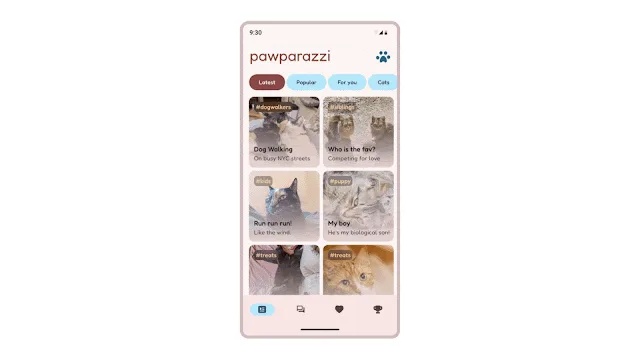
Android developers are now equipped with enhanced tools and comprehensive guidance to craft seamless user experiences across a rapidly evolving landscape of dynamic devices, including Samsung’s latest foldable and wearable innovations. Unveiled at the highly anticipated Galaxy Unpacked event on July 22, 2026, the new generation of Samsung devices introduces a richer variety of form factors, screen sizes, and device postures, presenting both opportunities and challenges for app developers. This strategic evolution in hardware demands a proactive approach to app design, ensuring that applications adapt fluidly to the diverse ways users interact with their technology.
The expansion of the foldable market, exemplified by devices like the anticipated Galaxy Z Fold8, signifies a shift towards hardware with a natural landscape-first orientation and wider aspect ratios in their primary display states. This necessitates a departure from traditional app design assumptions, where fixed portrait orientations were often the norm. As users seamlessly transition between unfolding a large, immersive display, flipping open a compact cover screen, or glancing at crucial information on their wrists, the expectation for a flawless and intuitive experience remains paramount. Google, in collaboration with Samsung, is addressing this need by providing developers with actionable insights and updated tooling to build adaptive applications proactively.
Adapting to Ultra-Wide Foldables: A New Paradigm for Layout Architecture
The introduction of devices like the Galaxy Z Fold8, featuring an ultra-wide display, underscores the critical need for developers to rethink their layout architectures. Hardcoded layout rules, which often struggle to accommodate a wide range of aspect ratios and orientations, are no longer sufficient. The landscape-first natural orientation of these foldables means that apps must be designed to gracefully transition from a compact, often portrait-oriented, external screen to a sprawling, landscape-dominant internal display.
To address this, Google has released dedicated guidance for building applications that effectively support landscape foldables and trifold devices. This guidance emphasizes a strategic approach to UI design, focusing on core pillars that ensure responsiveness and adaptability. Developers are encouraged to move beyond rigid screen size assumptions and embrace flexible layouts that can dynamically adjust to the available screen real estate and the device’s current posture. The goal is to create UIs that not only fit but also optimize for the unique viewing experiences offered by these advanced form factors, transforming potential usability challenges into enhanced user engagement.
.png)
Ensuring Seamless Camera Capture on Foldable Devices
The unique physical characteristics of foldable devices present distinct challenges for camera implementations. The transition between the compact outer display and the expansive inner display can lead to incongruent aspect ratios between the camera sensor and the device’s on-screen layout, especially if the device’s rotation remains static during these transitions. Without proper optimization, apps might inadvertently display sideways, stretched, or cropped camera previews, detracting significantly from the user experience.
To mitigate these issues, Google strongly advises developers to migrate their camera capture experiences to CameraX. This powerful library, part of the Android Jetpack suite, offers a PreviewView that automatically manages sensor orientation, device rotation, and scaling. This built-in functionality ensures a clean and stable camera preview regardless of how the user positions or folds their device. For developers maintaining existing Camera2 codebases, the CameraViewfinder library provides a more streamlined integration path. By incorporating CameraViewfinder, developers can implement the complex aspect ratio and rotation transformations necessary for foldables without requiring a complete overhaul of their existing camera architecture, thus accelerating the optimization process.
Extending Glanceable Interactions with Wear OS 7 Wear Widgets
The opportunities for developers extend beyond smartphones and tablets, reaching directly to the user’s wrist with the advent of Wear OS 7. This latest iteration introduces Wear Widgets, providing a novel platform for delivering instant, glanceable access to essential information. Developers can leverage Jetpack Glance and RemoteCompose to build these highly expressive and interactive experiences. A significant enhancement with Wear Widgets is their ability to populate multi-widget tiles, a capability previously exclusive to first-party system widgets. This opens up new avenues for app developers to integrate their services directly into the Wear OS user interface, offering users quick access to timely updates and key app functionalities without needing to open the full application. The increased prominence and functionality of Wear Widgets signal a growing importance of the smartwatch as a primary touchpoint for on-the-go information consumption.
Building Intelligent Features with On-Device AI
The integration of advanced artificial intelligence capabilities is a key theme in the evolving Android ecosystem. Gemini intelligence, already instrumental in automating tasks for users, is now further enhanced with the introduction of Gemini Nano 4 on Samsung’s new foldable devices. This on-device model boasts support for over 140 languages and boasts improved multimodal understanding, offering developers a powerful toolset for creating more sophisticated and personalized user experiences.
Developers can now harness the power of ML Kit’s Prompt API to integrate intelligent features directly into their applications. Advanced functionalities such as structured output and thinking mode enable the creation of AI-powered experiences that are not only responsive but also contextually aware and capable of complex reasoning. By sharing app capabilities through this intelligence system, developers can contribute to a more intelligent Android ecosystem, where AI seamlessly assists users in their daily tasks and interactions. The on-device nature of Gemini Nano 4 ensures that these intelligent features operate efficiently and privately, without constant reliance on cloud connectivity.

Background Context: The Evolution of Mobile Form Factors and Developer Challenges
The announcements at Galaxy Unpacked 2026 mark a significant milestone in the ongoing evolution of mobile device form factors. The first commercially successful foldable phone, Samsung’s Galaxy Fold, launched in 2019, introducing a category that has since seen rapid innovation. Initially met with skepticism, foldable technology has matured considerably, driven by advancements in display technology, hinge mechanisms, and software optimization.
Samsung has been a leading proponent of this evolution, consistently pushing the boundaries with its Galaxy Z series. The introduction of devices with wider, more tablet-like displays in their unfolded state, as seen with the Z Fold8, represents a natural progression. This trend is not isolated to Samsung; other manufacturers have also entered the foldable market, contributing to a growing diversity of device types. This increased variety, while beneficial for consumers, presents a continuous challenge for developers who must ensure their applications remain functional and engaging across a spectrum of screen sizes, aspect ratios, and interaction models.
The development of Android itself has mirrored this hardware evolution. Google has progressively introduced features and APIs designed to support adaptive UIs, starting with considerations for different screen densities and sizes, then moving to multi-window support, and more recently, specific optimizations for foldables and large screens. The guidance and tooling announced alongside the new Samsung devices are a testament to this ongoing commitment to empowering developers to build for a heterogeneous hardware ecosystem.
Broader Impact and Implications for the Mobile App Landscape
The strategic push towards supporting a wider array of dynamic device form factors has significant implications for the entire mobile app landscape. For developers, it signifies a shift from designing for a relatively standardized set of smartphone and tablet experiences to embracing a more fluid and adaptable approach. Apps that are built with adaptive principles in mind will not only perform better on the latest foldables and wearables but will also be more resilient to future hardware innovations.
The emphasis on on-device AI, powered by Gemini Nano 4, points towards a future where mobile devices become increasingly intelligent and personalized. This will enable developers to create more sophisticated applications that can leverage AI for tasks ranging from content summarization and translation to personalized recommendations and proactive assistance, all while maintaining user privacy and operational efficiency.

Furthermore, the enhanced capabilities for Wear OS, particularly with Wear Widgets, suggest a growing integration of smartwatches into the daily digital workflow. Developers who capitalize on these opportunities can establish a stronger presence in users’ lives by providing immediate access to critical information and app functionalities directly from their wrists. This could lead to a more seamless and interconnected user experience across multiple devices.
The continuous refinement of developer tools and resources, such as CameraX and Jetpack Glance, demonstrates a proactive effort by Google to democratize advanced device capabilities. By providing robust and user-friendly libraries, Google aims to lower the barrier to entry for implementing complex features, allowing developers of all sizes to create high-quality, innovative applications that cater to the diverse needs of the modern mobile user. The success of these efforts will ultimately be measured by the quality and ubiquity of adaptive and intelligent applications available to Android users worldwide.
Official Statements and Developer Community Response (Inferred)
While direct quotes from specific executives were not provided in the original text, the announcement at Galaxy Unpacked, a major industry event, typically involves a collaborative spirit between hardware manufacturers and platform providers. It is reasonable to infer that the shared focus on developer enablement stems from a mutual understanding of the critical role developers play in the success of new hardware.
From the developer community, the response is likely to be one of cautious optimism and focused effort. The provision of clear guidance and updated tools is always welcomed, as it reduces the burden of reverse-engineering hardware behaviors. The emphasis on proactive adaptation suggests that developers will be encouraged to integrate these new best practices into their development cycles early on, rather than as an afterthought. The availability of resources like dedicated guidance pages and YouTube playlists signifies a commitment to ongoing support, which is crucial for fostering adoption. The call to "Unfold the future today!" is a clear directive to developers to embrace these new possibilities and begin implementing adaptive strategies for the next generation of Android devices.