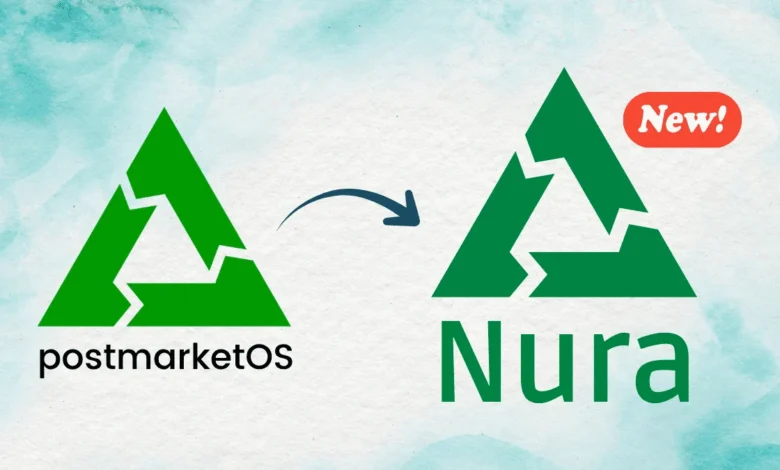
The open-source community recently witnessed a significant evolution in mobile computing as the project formerly known as postmarketOS officially completed its rebranding transition to Nura. Announced during the project’s annual conference, the name change serves as the culmination of an intensive 18-month selection process aimed at establishing a distinct, legally defensible, and globally accessible identity for the Linux-based mobile operating system. This transition marks a departure from the project’s original descriptive moniker, reflecting its growth from a niche experiment in reviving legacy hardware into a serious contender in the Linux mobile ecosystem.
The Catalyst for Change: From Function to Brand
The decision to abandon the name "postmarketOS" was not taken lightly, but was necessitated by a convergence of linguistic, administrative, and legal hurdles. When the project launched, the name was intended to capture its core mission: extending the lifecycle of smartphones that had reached the end of their official manufacturer support—their "post-market" phase. However, as the ecosystem matured, this descriptive title began to encounter friction.
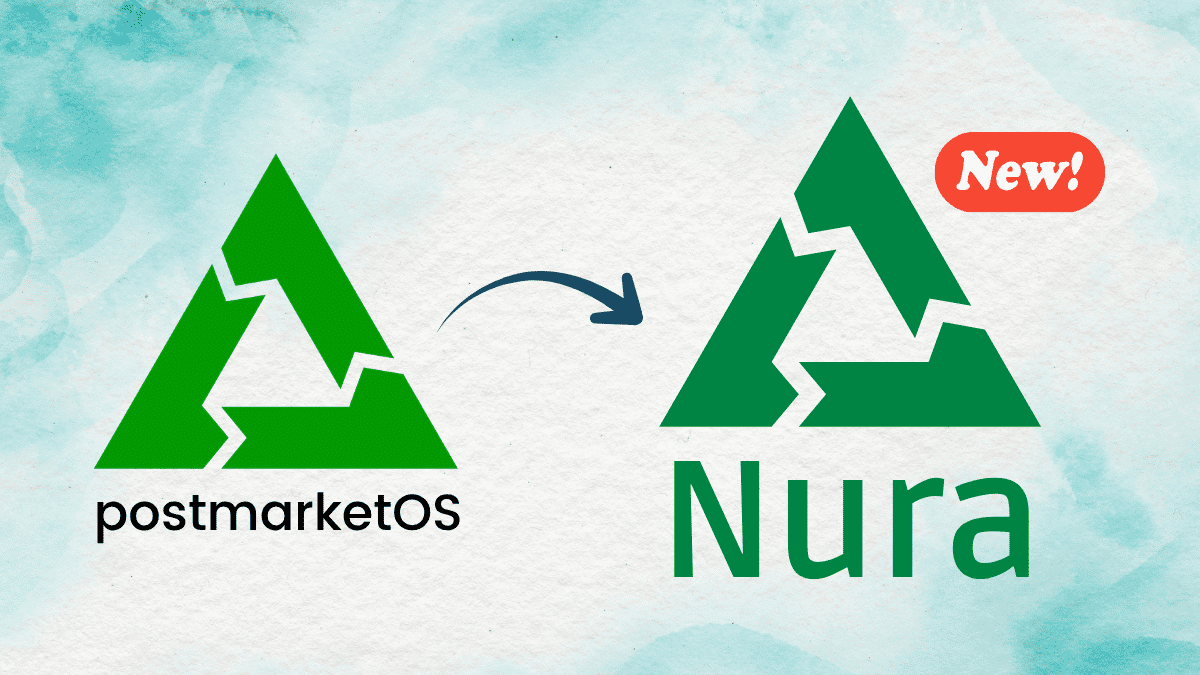
From a branding perspective, the name proved cumbersome. Its mid-word capitalization and hyphenated variants created a fragmented identity. Users frequently mislabeled the project as "PostmarketOS," "postmarketos," or "post-market OS," diluting the project’s brand recognition. More critically, the term was fundamentally descriptive, making it virtually impossible to trademark. As the project began to see wider adoption, including instances where third-party hardware manufacturers like PINE64 began shipping devices with the software pre-installed, the lack of a protected trademark left the developers vulnerable to misrepresentation and potential brand dilution. The leadership team recognized that if the project were to reach professional-grade maturity, it required a unique, proprietary name that could be legally safeguarded.
A Chronology of the Rebranding Process
The path to "Nura" began in earnest in March 2025. Recognizing the need for a structural change, the core team initiated an open call for submissions to ensure the community felt ownership of the transition. The process followed a rigorous timeline:
- March 2025: The project leadership officially announced the start of the rebranding initiative, inviting community members to submit naming proposals.
- Spring/Summer 2025: Over 300 unique names were submitted. The project appointed a dedicated selection committee, including contributors Pablo C. Gómez, Pan Ortiz, Ranny Bergamotte, and Sriram Ramkrishna, to vet the entries.
- Autumn 2025 – Spring 2026: The committee conducted a multi-stage review process. This included a global cultural audit to ensure the chosen name was devoid of offensive connotations in various languages and scripts.
- Summer 2026: The field was narrowed down to four finalists. The committee, alongside key project stakeholders, voted on the final candidate.
- September 2026: The name "Nura" was officially unveiled at the project conference, accompanied by a comprehensive migration of the digital infrastructure to the new brand.
The Etymology and Philosophy of Nura
The name "Nura" is derived from "Nuraghe," the ancient, iconic stone structures found throughout Sardinia, Italy. These megalithic edifices, dating back as far as 3000 BC, are renowned for their incredible durability; many have stood for five millennia, serving as a testament to the longevity of the Nuragic civilization.

The metaphor is intentional. The project organizers chose this name to emphasize their commitment to hardware longevity and environmental sustainability. By providing a modern, secure, and functional Linux environment for devices that would otherwise be discarded, the project aims to counter the "planned obsolescence" cycle of the consumer electronics industry. The selection of the .eco top-level domain further reinforces this ethos. Unlike generic domains, the .eco registry maintains enforceable policies against greenwashing, requiring registrants to demonstrate a tangible commitment to environmental stewardship.
Legal and Market Implications
The transition to a trademarked name is a pivotal step for the project’s commercial viability. While the project remains deeply rooted in open-source principles, having a protectable trademark allows for more formal partnerships with hardware vendors. It provides a clear legal framework for licensing, distribution, and the prevention of unauthorized entities using the project’s name to distribute malicious or inferior software.
Although the trademark application is still in the early stages and has yet to appear in major public databases like the USPTO or EUIPO, the intent is clear: Nura is positioning itself to be a professional-grade alternative to Android and iOS. This move signals to potential enterprise partners and individual contributors alike that the project has transitioned from an informal collective into a structured, forward-looking organization.
Technical Status and Hardware Support
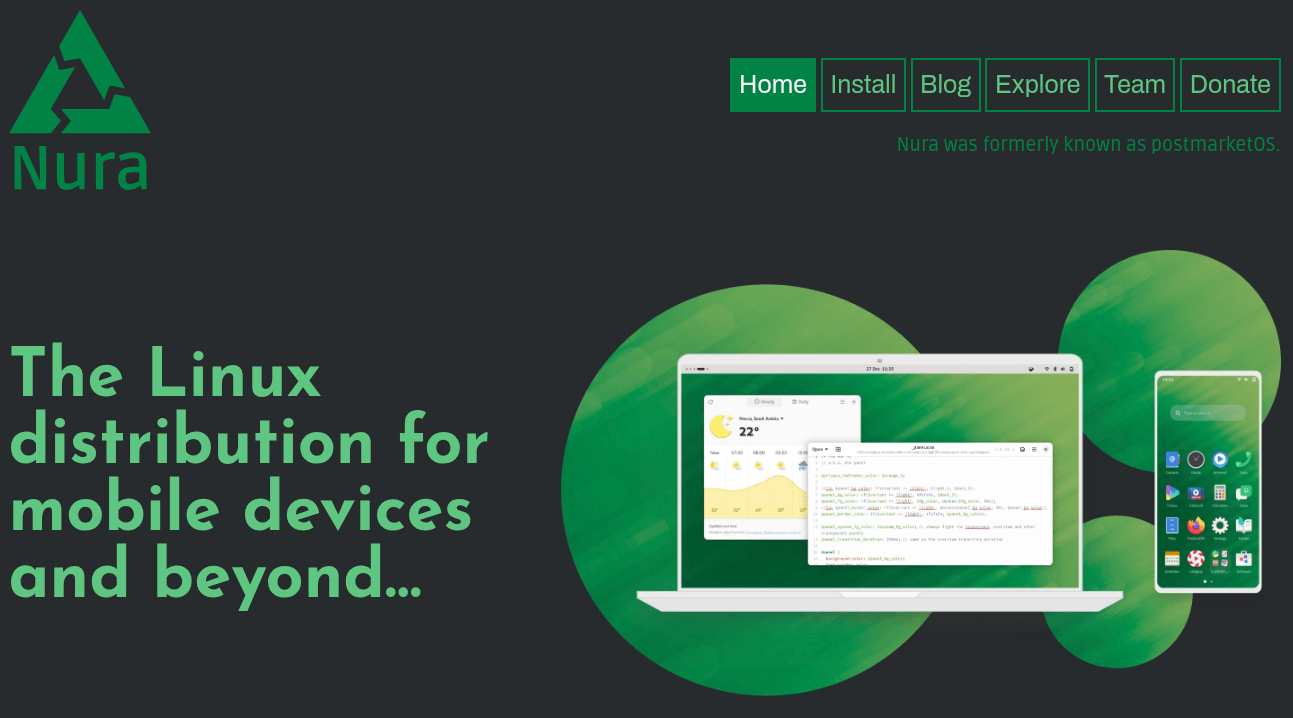
Currently operating under version v26.06, Nura continues to leverage its status as a community-driven, DIY-centric platform. The development team remains transparent about the project’s status, noting that it is best suited for users who possess the technical aptitude to troubleshoot and contribute to the development process.
The hardware support landscape remains diverse, focusing on devices with high-quality documentation and open driver availability. Key supported hardware includes:
- Consumer Hardware: Fairphone 4, OnePlus 6/6T, and various legacy Samsung and Xiaomi devices.
- Linux-Native Hardware: PINE64 PinePhone and PinePhone Pro, and the Purism Librem 5.
For new users, the project emphasizes the viability of secondary market devices—specifically those powered by the Qualcomm Snapdragon 845 or the Snapdragon 410/412 series—as the most accessible entry points. These devices offer a stable foundation for users to experience the Nura interface and ecosystem without the high cost of brand-new, high-end hardware.

Broader Impact on the Linux Mobile Ecosystem
The rebranding to Nura is more than a cosmetic update; it represents a maturation of the Linux mobile movement. As the project aligns its branding with its long-term goals of environmental impact and technical longevity, it sets a precedent for other open-source projects.
The challenge for Nura moving forward remains the "usability gap." While the technical barriers to entry for Linux on mobile have decreased significantly, the project still faces the hurdle of competing with the polished user experience of established commercial operating systems. By streamlining its identity and focusing on a clear, professional brand, Nura is better equipped to attract the talent and resources necessary to close this gap.
In the broader context of the tech industry, Nura stands as a defiant alternative to the ephemeral nature of modern smartphones. By proving that a community-governed project can successfully navigate complex legal, linguistic, and cultural hurdles to rebrand itself, Nura has demonstrated a level of organizational resilience that is rarely seen in the open-source world. Whether this transition will lead to widespread adoption remains to be seen, but the shift signifies that the project is no longer just "post-market"—it is a distinct, sustainable, and permanent feature of the future mobile landscape.