Immurok Fingerprint Security Key Bridges the Gap Between Physical Authentication and Linux Desktop Productivity

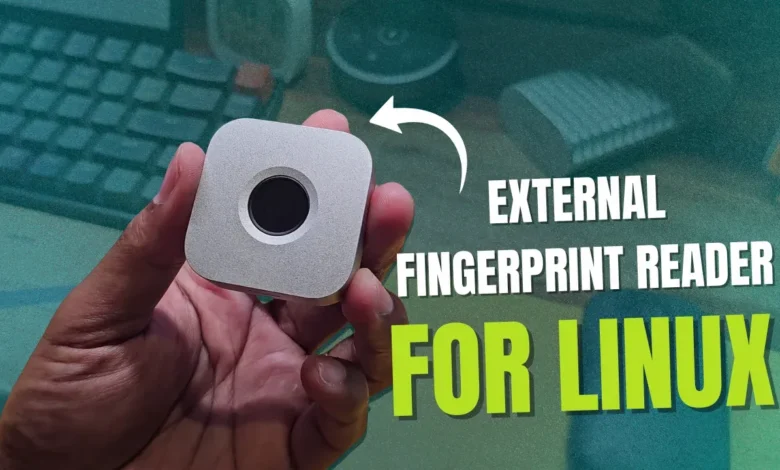
The integration of biometric security has long been a staple of mobile computing, with fingerprint sensors on modern laptops becoming as ubiquitous as the keyboard itself. However, for users of custom-built workstations, older hardware, or specialized Linux environments, adding secure, hardware-backed biometric authentication remains a challenge. The emergence of Immurok, a compact, wireless, RISC-V-powered biometric security device, seeks to standardize this experience. By utilizing Bluetooth Low Energy (BLE) to interface with desktop systems, Immurok provides a multi-functional security layer that extends from basic screen unlocking to sophisticated AI-agent authorization and SSH key management.

The Technological Foundation and Hardware Specifications
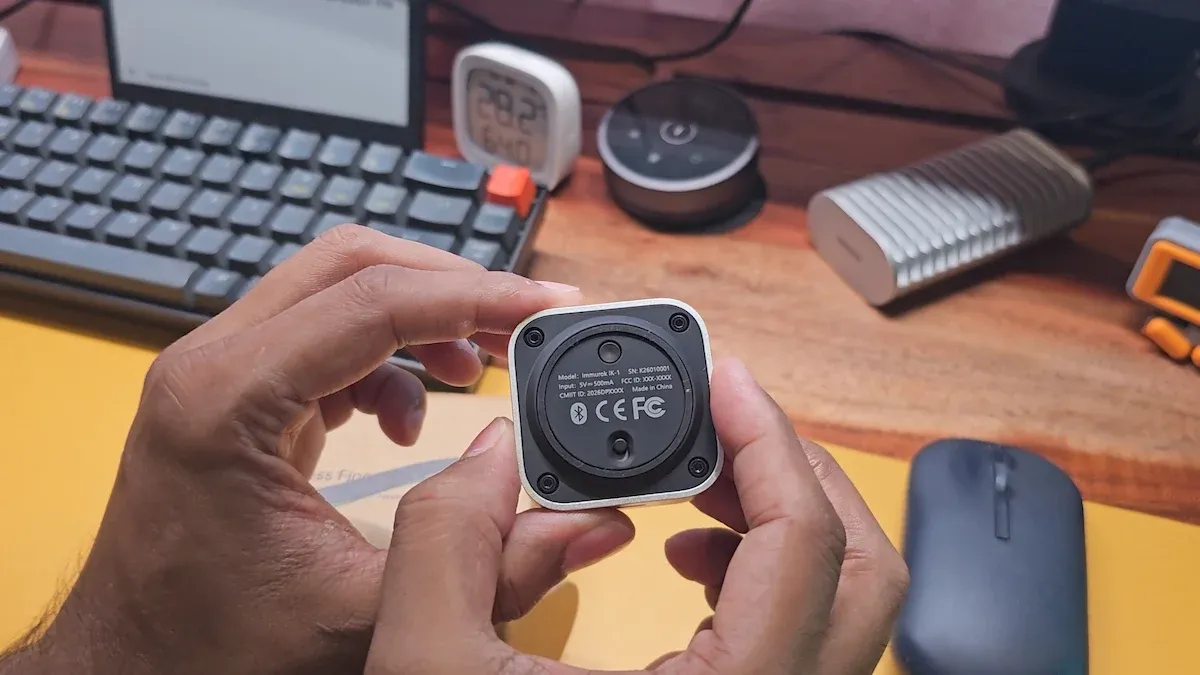
At its core, Immurok is a dedicated hardware security module (HSM) wrapped in a CNC-machined aluminum chassis. Measuring 44mm by 44mm and weighing approximately 40 grams, the device is designed to be unobtrusive while maintaining a premium aesthetic. Internally, it is driven by a RISC-V processor operating at speeds of up to 60 MHz, a choice that reflects a growing trend in the open-source hardware community to favor transparent, RISC-V architecture over opaque proprietary silicon.
Security is managed locally, with the device housing up to five distinct fingerprint templates. To maintain user privacy, the company asserts that fingerprint data and private cryptographic keys are stored exclusively within the device’s secure enclave. The pairing process utilizes the P-256 Elliptic Curve Diffie-Hellman (ECDH) protocol combined with HMAC-SHA256, ensuring that authentication responses are cryptographically signed before being transmitted via the encrypted Bluetooth channel. The device is powered by a 110 mAh battery, which the manufacturer claims can last over a month under normal usage conditions, characterized by a standby power draw of approximately 50 microamperes.
Chronology of Development and Linux Integration
The development trajectory of Immurok follows the standard path of modern hardware startups: moving from an initial prototype to a crowdfunding phase, with a targeted retail launch scheduled for November 2026. During the pre-release testing phase, the device demonstrated significant potential, though the software ecosystem for Linux users remains in a formative stage.
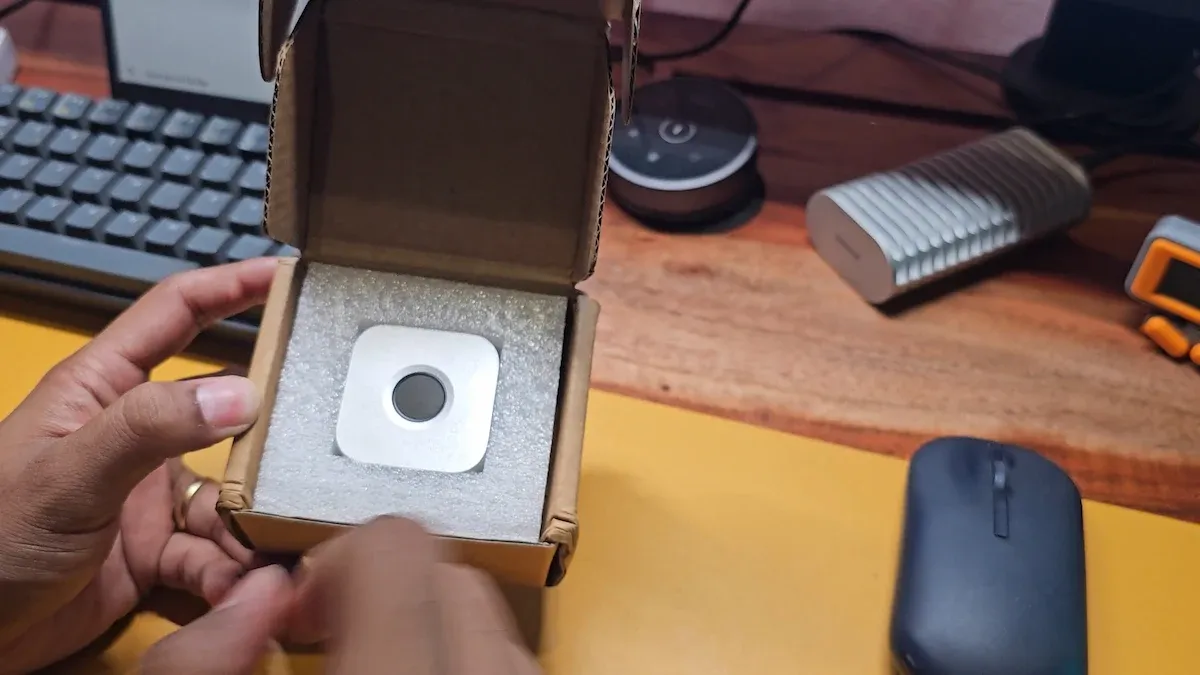
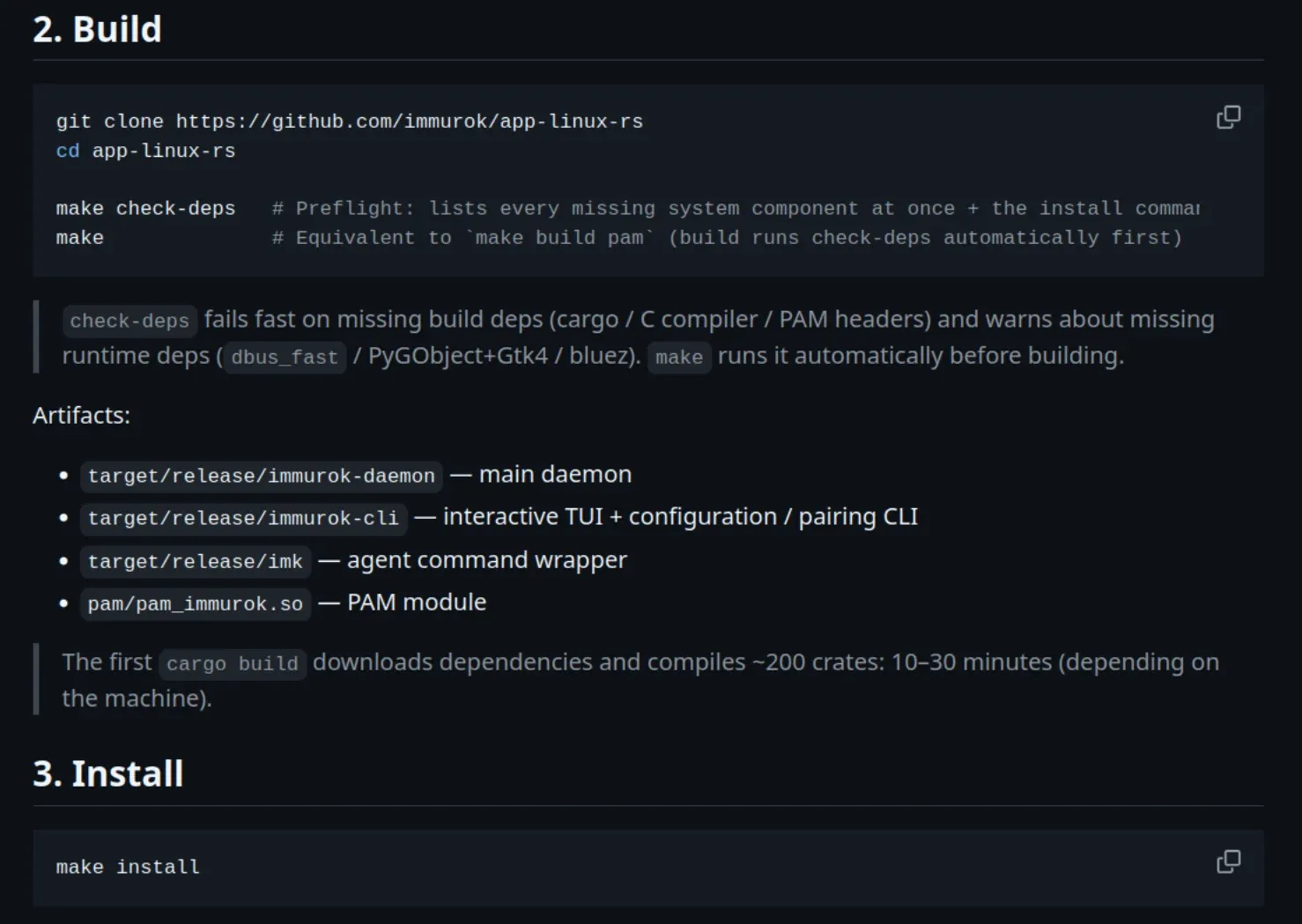
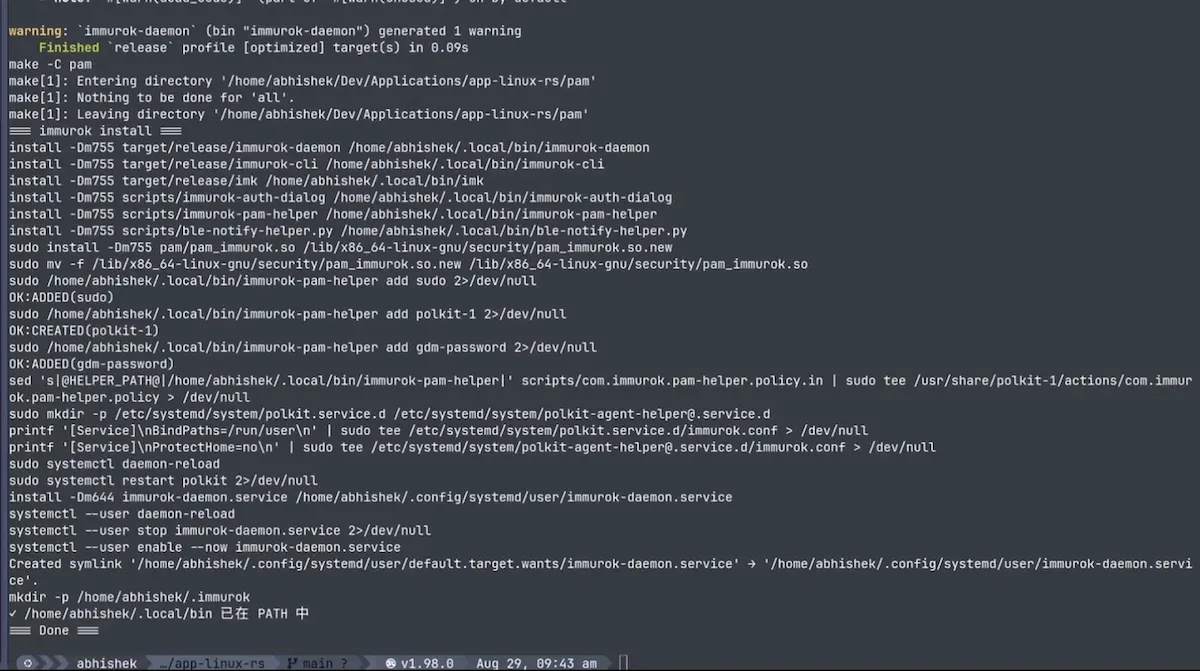
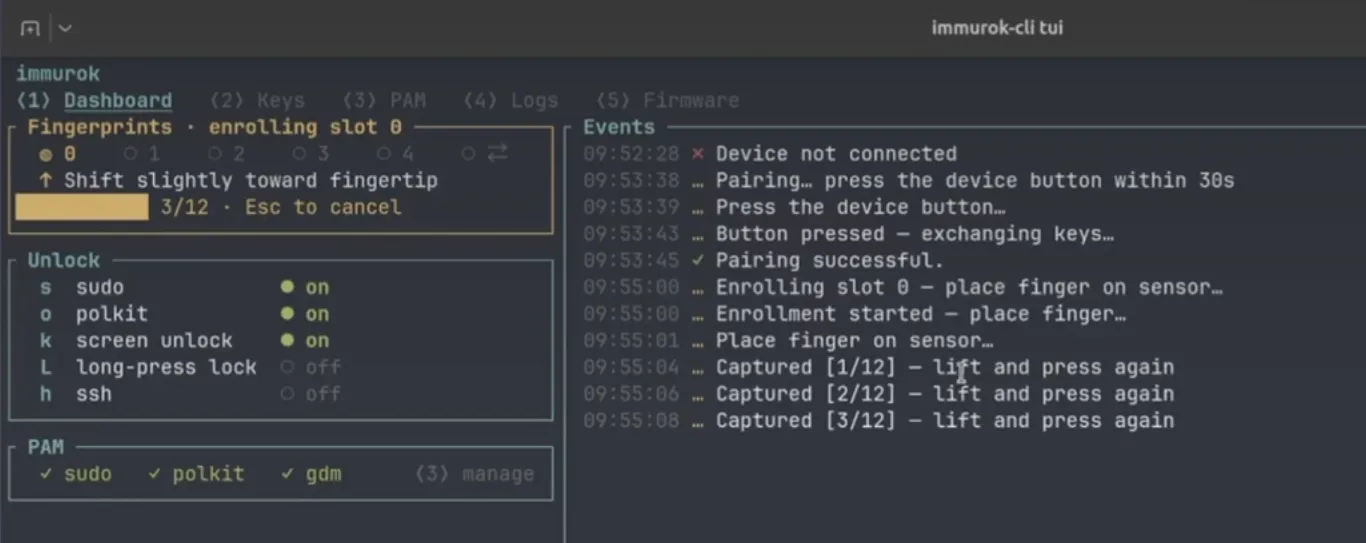
In early 2026, the company released the initial Linux daemon and command-line interface (CLI) to its beta testers. The installation process currently requires users to compile the software from source code, a barrier that, while common in the enthusiast Linux community, represents a significant hurdle for mass-market adoption. By September 2026, early adopters reported that while the core functionality—such as Pluggable Authentication Module (PAM) integration—was stable, the initial setup flow was prone to timing-related bugs. Specifically, race conditions between the daemon’s start-up sequence and the D-Bus notification helper led to authentication timeouts. These issues have since been addressed through firmware and software patches, signaling a responsive development cycle.
Authentication Versatility: Beyond the Lock Screen
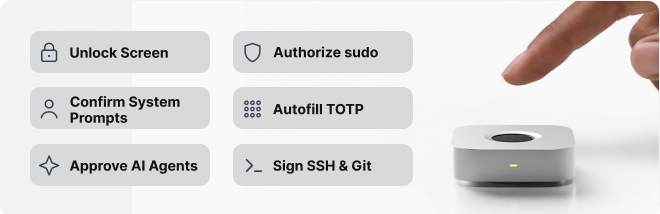
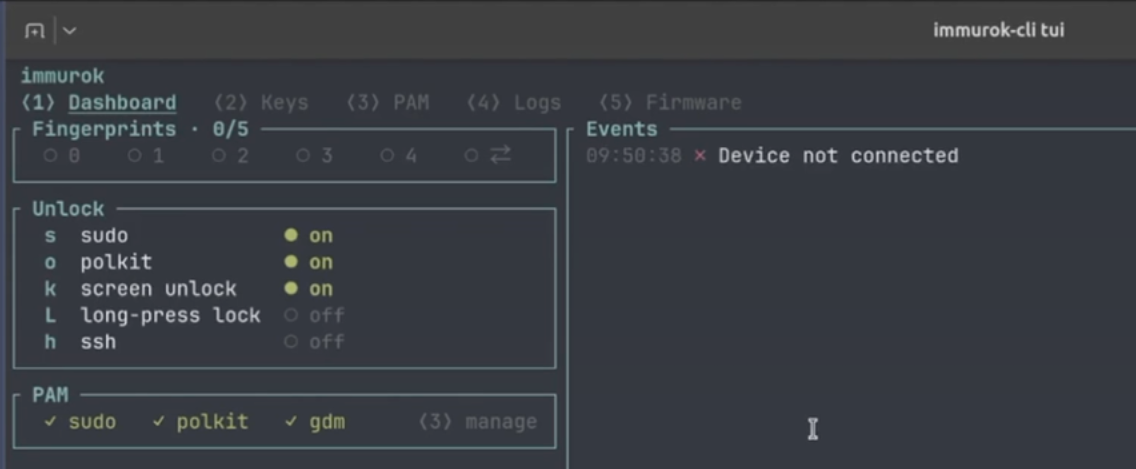
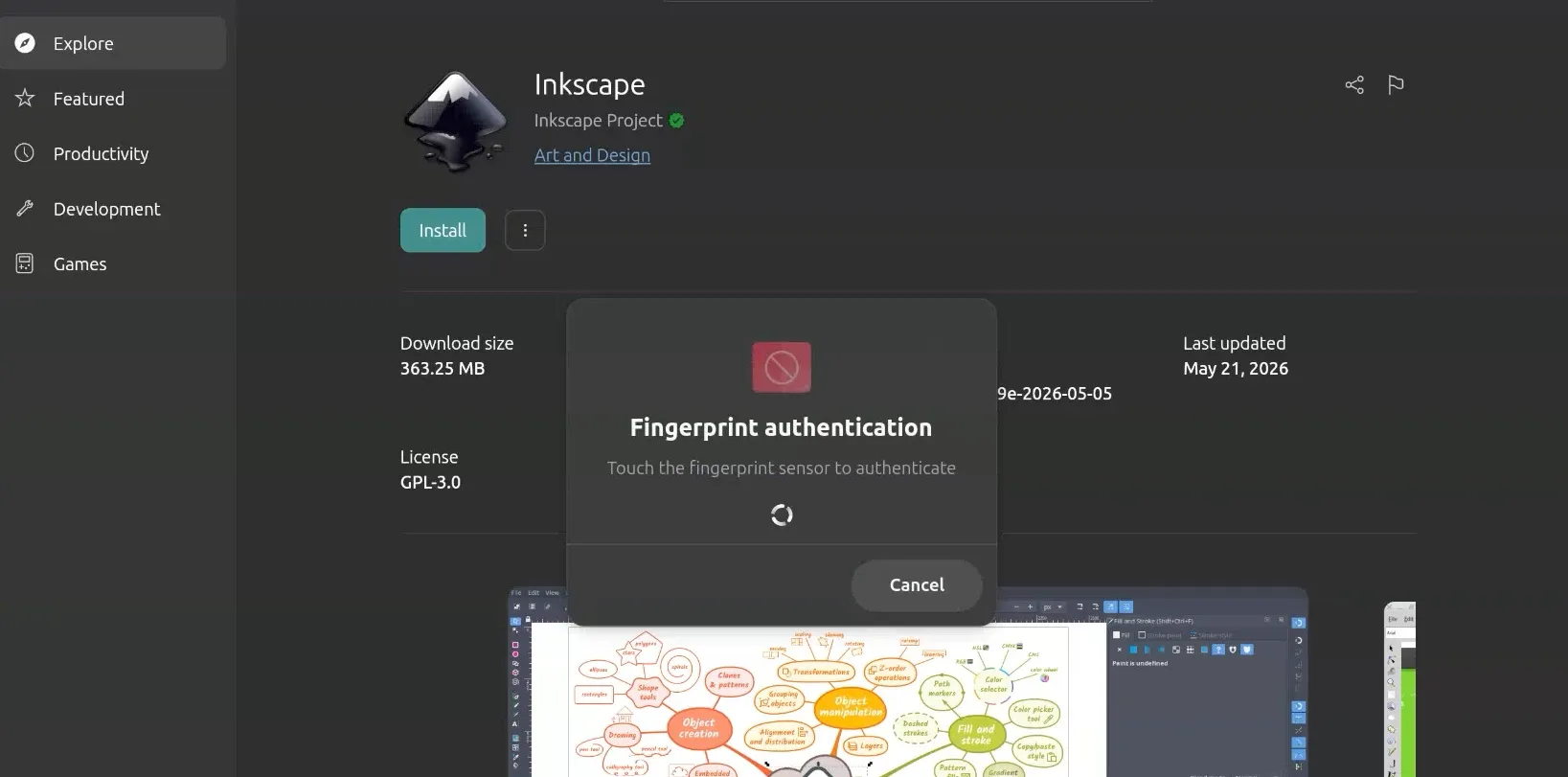
Immurok differentiates itself by moving beyond the binary "unlocked/locked" state. Through its integration with Linux PAM, it can authorize elevated privileges, including sudo commands and Polkit-based system changes. This eliminates the need for manual password entry during administrative tasks, effectively turning the user’s fingerprint into a physical key for system-level operations.
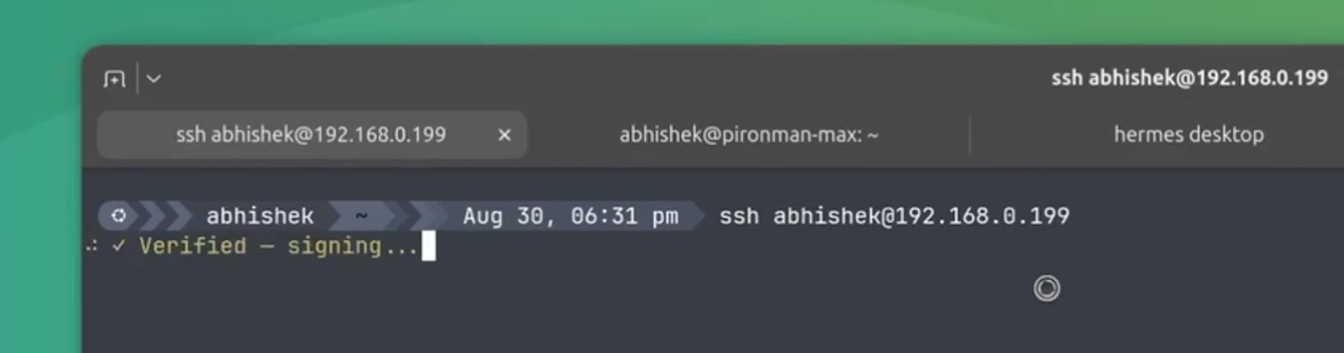
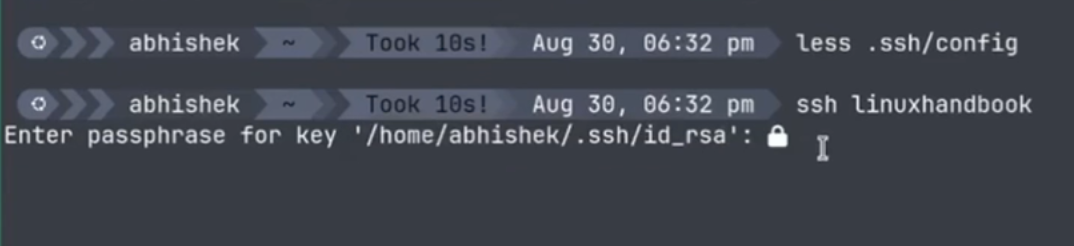
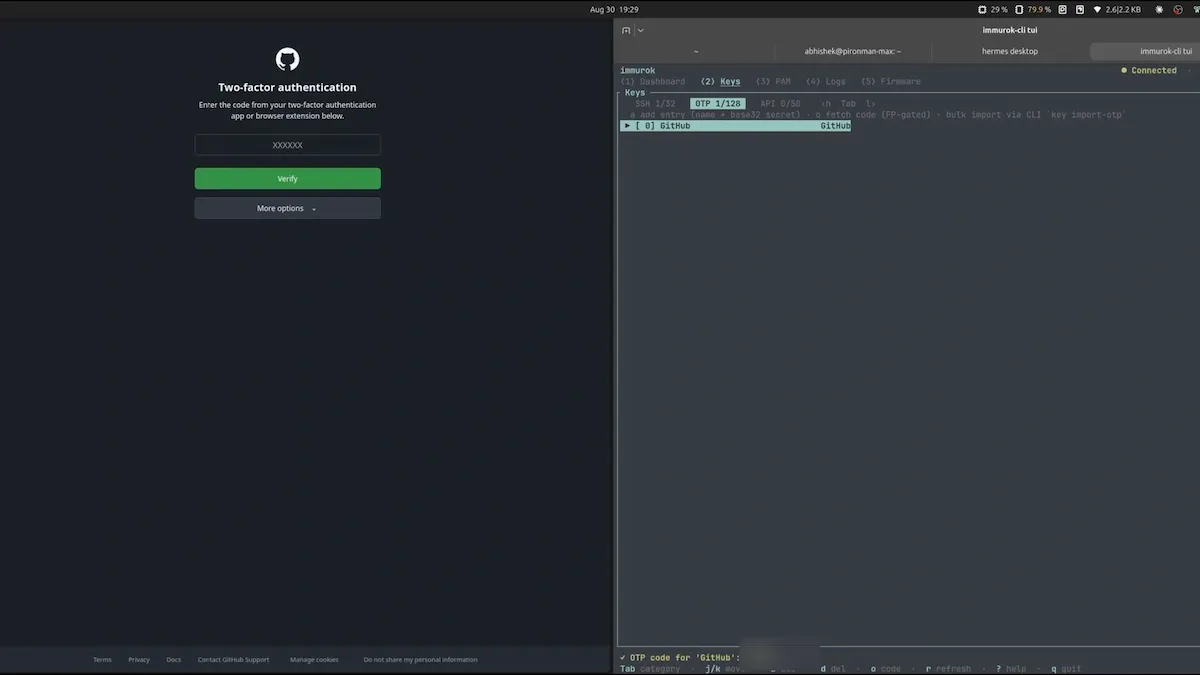
Perhaps the most significant utility for professional developers is the device’s SSH key management capability. Immurok can generate ECDSA P-256 SSH keys internally. When a user initiates an SSH connection, the device intercepts the request via the IdentityAgent socket, requiring a physical fingerprint touch before the private key is utilized for authentication. This architecture ensures that even if a workstation is compromised by malware, the attacker cannot access remote servers without physical access to the Immurok unit. Furthermore, the device supports TOTP (Time-based One-Time Password) generation, centralizing two-factor authentication codes on a hardware-isolated device rather than a software application.
The Emergence of Human-in-the-Loop AI Security
One of the most innovative, albeit experimental, features of the Immurok ecosystem is its proposed role in governing AI coding agents. As AI-powered agents gain the ability to perform file operations, execute terminal commands, and interact with cloud infrastructure, the risk of "runaway" AI behavior becomes a legitimate security concern.
Immurok introduces a "human-in-the-loop" mechanism. By wrapping privileged commands in an imk (Immurok command) environment, developers can force the agent to pause at critical junctures. Whether the agent is attempting an SSH connection or a Git push to a production repository, the device requires a physical fingerprint verification. This prevents the AI from executing high-stakes operations autonomously while the user is away from their desk, providing a necessary layer of accountability in automated workflows.
Fact-Based Analysis of Implementation Challenges
Despite its capabilities, the current iteration of the Immurok experience highlights the friction inherent in early-stage hardware. The lack of a native, pre-packaged graphical application for Linux distributions forces a dependency on the command line, which may alienate non-technical users. Furthermore, the reliance on a constantly growing log file, which can reach several megabytes in a matter of weeks, suggests that the current software daemon requires optimization in its management of system resources.
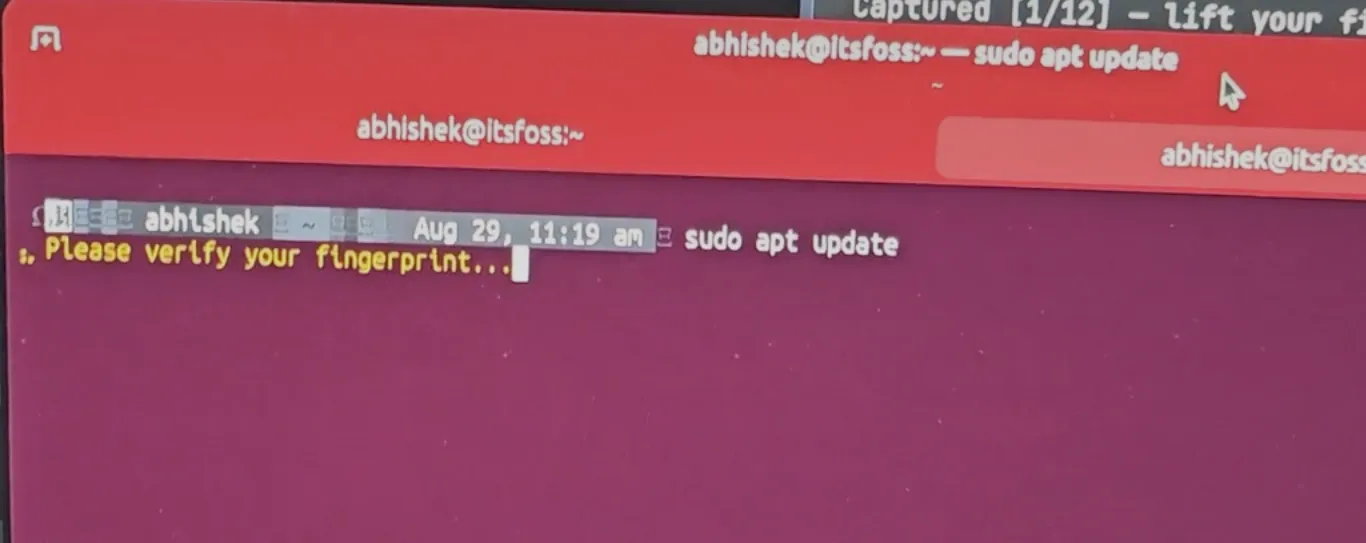
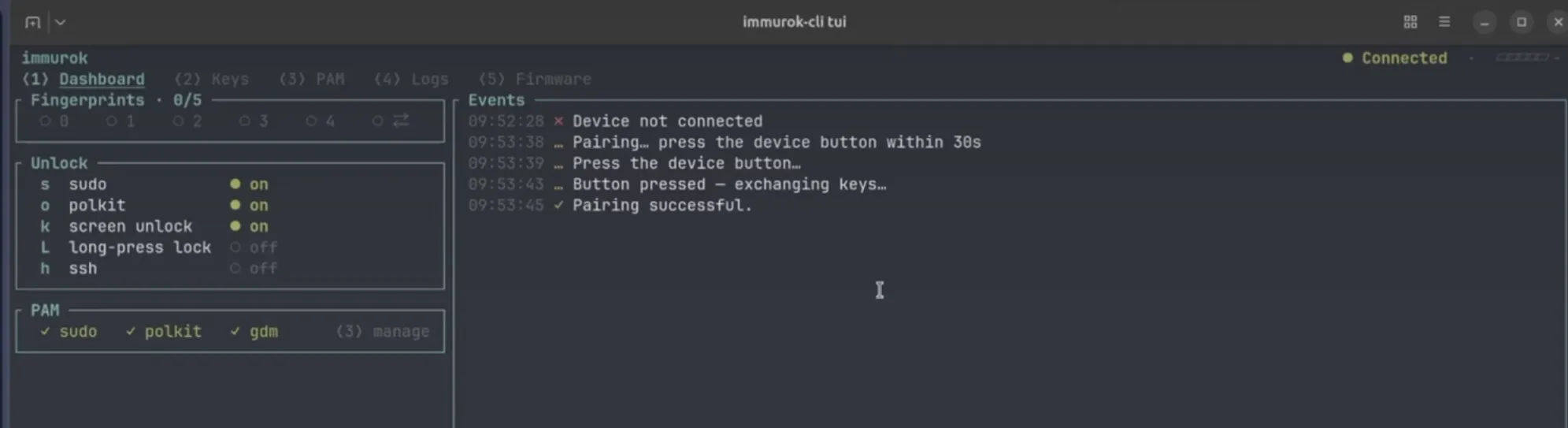
The distinction between "paired" and "connected" states within the Bluetooth stack also remains a point of confusion for users. The software interface occasionally fails to provide clear, actionable instructions when the device is waiting for a physical touch, leading to perceived system freezes. While the company has released updates to address these UX shortcomings, the reliance on source-code building remains the most significant obstacle to widespread Linux adoption.
Broader Implications for Personal Security
The rise of devices like Immurok reflects a broader shift toward "physicality" in digital security. As remote work and complex, multi-server development environments become the norm, reliance on static passwords or even software-based MFA is increasingly viewed as insufficient. By moving authentication to a dedicated hardware device, users can mitigate risks associated with credential theft and keylogging.
The implications for the Linux ecosystem are particularly noteworthy. For years, macOS and Windows users have enjoyed seamless biometric integration. Immurok, along with existing projects like FIDO2 keys, represents a maturation of Linux’s security architecture. The ability to integrate such devices at the PAM level ensures that security is consistent across the entire operating system, from the initial desktop unlock to the deepest shell commands.
Conclusion and Future Outlook
As the product approaches its November 2026 delivery window, the success of Immurok will likely depend on the company’s ability to transition from a "developer-first" tool to a "consumer-ready" product. If the developers can provide pre-compiled binaries for major distributions, refine the TUI to be more intuitive, and implement standard log rotation, the device is well-positioned to become a standard tool for the privacy-conscious Linux user.
Currently, Immurok offers a robust, well-engineered solution for those willing to tolerate the occasional "rough edge" of early-adopter hardware. Its ability to serve as a single point of authentication for local, remote, and AI-driven processes is a compelling value proposition. With a crowdfunding price point of $59 and a planned retail price of $69, the device is competitively positioned against traditional FIDO2 hardware keys, offering a significantly broader feature set in exchange for a slightly more complex initial configuration. Whether it becomes a permanent fixture on the professional desk will ultimately depend on the polish of its software updates in the coming months.