Optimizing Enterprise Efficiency: A Strategic Guide to Kiro Credit Pooling and Usage Analytics

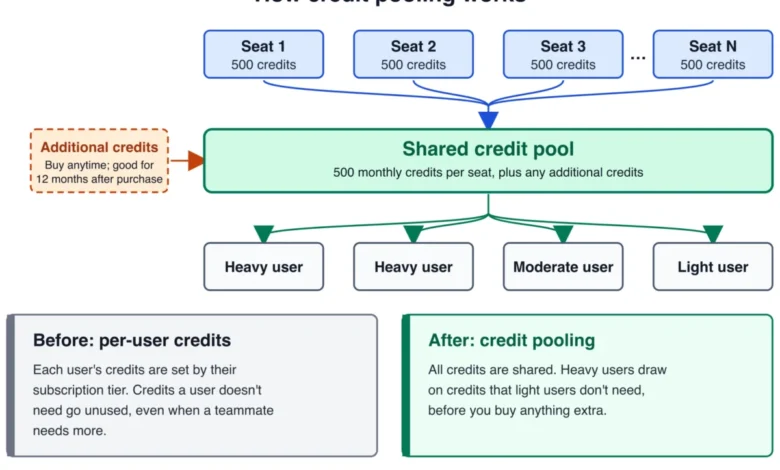
In an era where enterprise cloud infrastructure and development tool spending face unprecedented scrutiny, Kiro has introduced a robust credit pooling mechanism designed to eliminate resource wastage and streamline costs for large-scale development teams. Announced on November 4, 2026, this feature represents a significant pivot from rigid, per-user subscription models toward a fluid, consumption-based resource architecture. By enabling teams to aggregate their allotted monthly credits into a centralized reservoir, Kiro allows organizations to maximize the utility of their existing investments, ensuring that the heavy computational demands of certain developers are offset by the latent capacity of others.
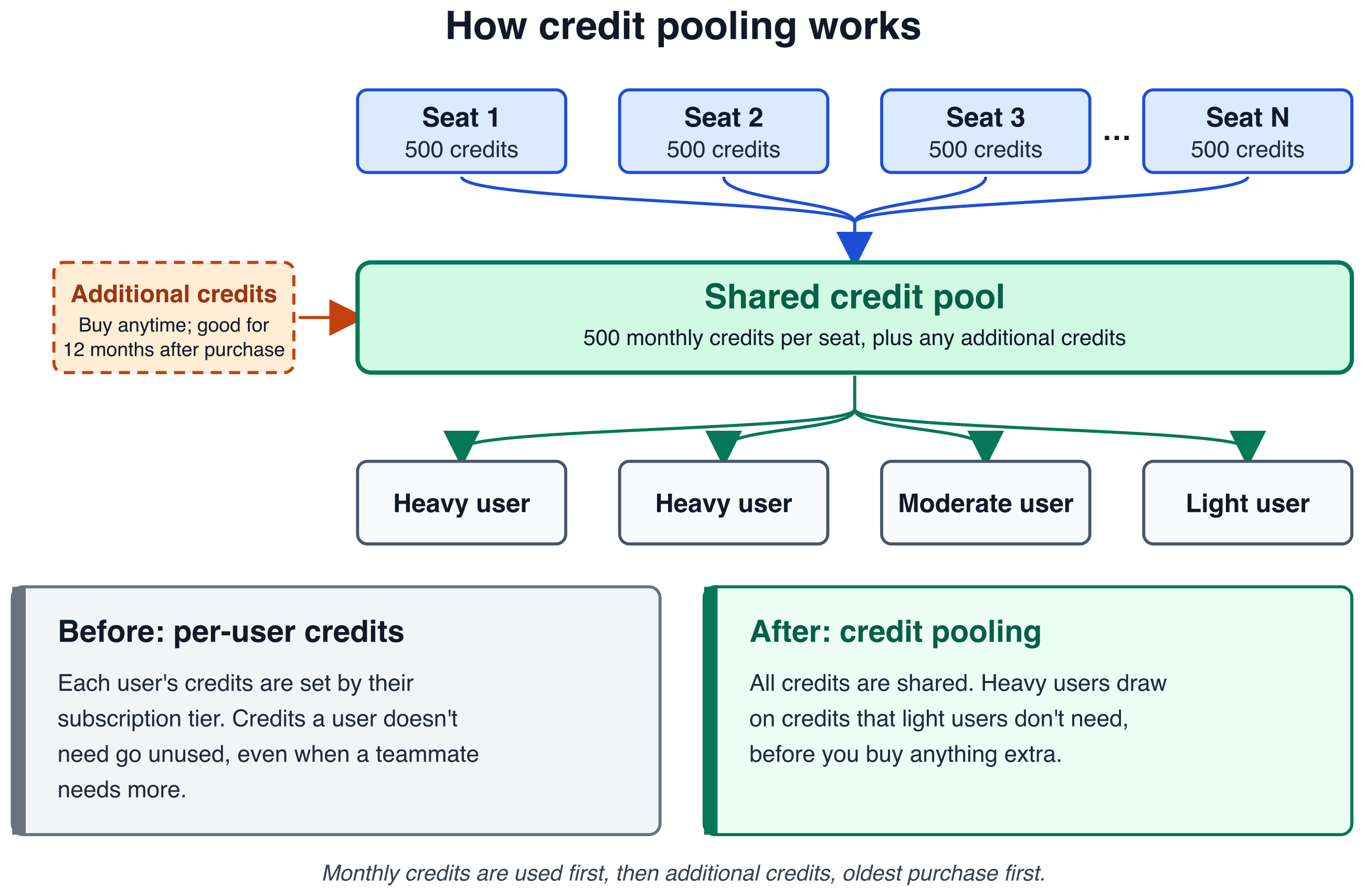
The transition to credit pooling is not merely an administrative shift; it is a financial recalibration. Under the previous paradigm, individual subscriptions often resulted in "stranded" credits—unused capacity that expired at the end of each billing cycle while other team members might be throttled or forced into costly overages. With the introduction of this new model, every seat provides 500 monthly credits to a collective pool. This aggregation is specifically targeted at organizations leveraging AWS IAM Identity Center, Okta, or Microsoft Entra ID for centralized authentication, reflecting a growing industry trend toward tighter integration between development platforms and enterprise identity management systems.
The Mechanics of Resource Aggregation
The operational philosophy behind credit pooling is rooted in the "shared-risk, shared-reward" model. In a standard 100-seat configuration, an organization commands a base pool of 50,000 credits per month. These credits are treated as a fungible resource; they are drawn upon by developers, automated testing suites, and continuous integration/continuous deployment (CI/CD) pipelines operating in headless mode.
When the aggregate pool is exhausted, the system transitions to additional credit tiers, which are purchased as needed and carry a 12-month shelf life. This tiered consumption order—depleting monthly allotments first, followed by rollover credits—ensures that organizations do not incur unnecessary costs while maintaining a safety net for unpredictable spikes in development velocity.
Economically, the impact is measurable. By reclaiming unused seats and optimizing per-user limits, organizations can reduce the "cost-per-developer" by preventing the cycle of purchasing redundant licenses to accommodate temporary spikes in activity. Internal data suggests that in typical enterprise environments, shifting to a pooled model can reclaim between 15% to 20% of latent credit value that would otherwise expire, providing a substantial cushion for high-growth engineering teams.
Analytical Framework: Transforming Usage Data into Strategy
The deployment of credit pooling necessitates a sophisticated approach to data management. Kiro has integrated its user activity reports directly with Amazon Athena, allowing administrators to execute SQL-based audits of their consumption patterns. This transition from static billing reports to dynamic data analysis is a prerequisite for effective pool management.
The process of "right-sizing" begins with the creation of an external table in Amazon Athena, which points to the S3 buckets where Kiro logs are stored. Once the raw data is ingested, administrators can create views to filter by UserId, Client_Type, and Credits_Used. This technical infrastructure allows managers to perform time-series analysis—comparing, for instance, the average monthly consumption across a six-month window against the current seat count.
For a mid-sized engineering organization, the ability to run these queries serves as a predictive tool. By identifying the P90 (90th percentile) of consumption for individual developers, team leads can set granular usage limits that prevent "runaway" automation tasks from draining the entire organization’s pool. This strategy mitigates the risk of a single malfunctioning script causing a global halt in productivity, a common failure mode in unmanaged, shared-resource environments.
Strategic Best Practices for Administrators
Industry analysts and Kiro’s internal documentation emphasize that credit pooling is most effective when governed by a clear hierarchy of limits. Admins are encouraged to adopt a tiered approach to configuration:
- Individual Limits: Reserved for high-consumption roles, such as ML engineers or infrastructure automation architects, these limits provide high ceilings while maintaining an upper bound to prevent total pool depletion.
- Group-Based Limits: By mapping Kiro groups to organizational functions—such as "Core Engineering," "QA/Testing," and "DevOps"—admins can apply blanket policies that reflect the expected intensity of work for different departments.
- Default Profile Limits: These act as a catch-all, ensuring that new users or transient contributors do not consume resources at an uncapped rate before they have been properly categorized.
Furthermore, the "buffer" strategy is essential for stability. By maintaining a balance of additional credits that accounts for the "busiest month" of the previous quarter, organizations can navigate the volatility of sprint cycles. This buffer is not an additional expense that disappears; because these credits remain valid for a full year, they act as an insurance policy against unforeseen development surges.
The Financial and Operational Implications
The shift to a pooled resource model addresses a common friction point in the DevOps lifecycle: the "gatekeeper" syndrome. In traditional models, managers are often reluctant to grant access to advanced tooling to broader teams due to the direct, linear cost of adding new seats. Pooling decouples access from specific credit quotas, allowing organizations to democratize access to Kiro’s tools without linearly scaling their monthly subscription costs.
However, this flexibility requires ongoing oversight. The "reclaim, don’t just add" mandate is the golden rule of modern capacity planning. When analysis indicates that a significant number of seats remain idle across consecutive billing cycles, administrators are encouraged to reclaim those seats rather than continuing to pay the $20 monthly fee per license. This disciplined approach to license management is what differentiates mature enterprise operations from those suffering from "SaaS sprawl."
Conclusion: A New Standard for Resource Governance
The introduction of credit pooling by Kiro marks a maturation of the developer productivity market. By providing the tools to analyze usage, the architecture to pool resources, and the framework to enforce limits, Kiro is moving the conversation from simple licensing to strategic resource governance.
For the modern enterprise, the goal is no longer just about buying enough credits to survive the month; it is about the intelligent orchestration of capacity. As teams continue to integrate automated workflows into their daily operations, the ability to monitor, predict, and dynamically allocate compute credits will become a competitive advantage, ensuring that the engineering organization remains fluid, responsive, and cost-effective. As businesses prepare to scale in 2027 and beyond, the capacity to treat development credits as a strategic, shareable asset will likely become a fundamental requirement for any high-performing software organization.
Related posts: