Microsoft Announces General Availability of Cobalt 200 Virtual Machines at Ignite 2026

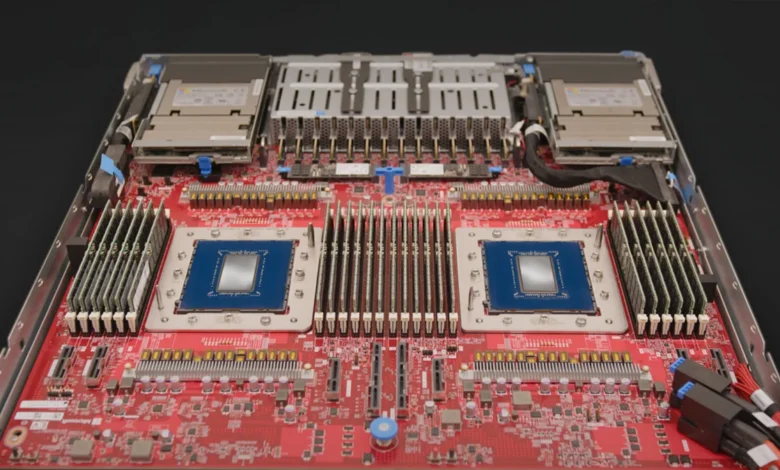
At Microsoft Ignite 2026, the technology giant officially announced the general availability of its next-generation Azure Cobalt 200-based virtual machines (VMs). This milestone represents a major shift in Microsoft’s infrastructure strategy, moving toward a deeper integration of custom-designed silicon to power increasingly complex cloud workloads. The Cobalt 200 series, built upon Arm Neoverse V3 cores, is engineered to provide superior price-performance ratios for cloud-native, data-intensive, and agentic AI applications. As of today, the service is accessible in 14 global regions, with a planned expansion to 23 regions by the end of 2026, positioning the new hardware as a cornerstone of Azure’s compute capacity for the coming fiscal year.
The release of Cobalt 200 follows a rapid development cycle that underscores Microsoft’s commitment to internal silicon innovation. The journey began with the initial deployment of the Cobalt 100 series, which established the foundation for Arm-based computing within the Azure ecosystem. By leveraging a vertical integration strategy—co-optimizing silicon, software, networking, and power infrastructure—Microsoft has managed to achieve a 50% performance improvement over the previous generation. This architectural evolution is not merely incremental; it reflects a deliberate design shift to accommodate the unique hardware requirements of modern artificial intelligence, particularly agentic workflows that demand rapid tool execution, high-speed file search, and efficient code compilation.
Supporting Data and Performance Metrics
The shift to Cobalt 200 is backed by substantial benchmarking data across various industry-standard workloads. Performance gains are not uniform but are targeted toward the most resource-intensive operations currently dominating cloud environments. Compared to the Cobalt 100, the new generation delivers up to 1.5 times the performance for standard web-serving workloads and a 1.6-fold increase for Java-based applications. Perhaps most significantly for the data science community, database-heavy workloads have seen a 1.9 times performance increase, while AI agent tool execution—a critical component for modern LLM-driven applications—has improved by 50%.
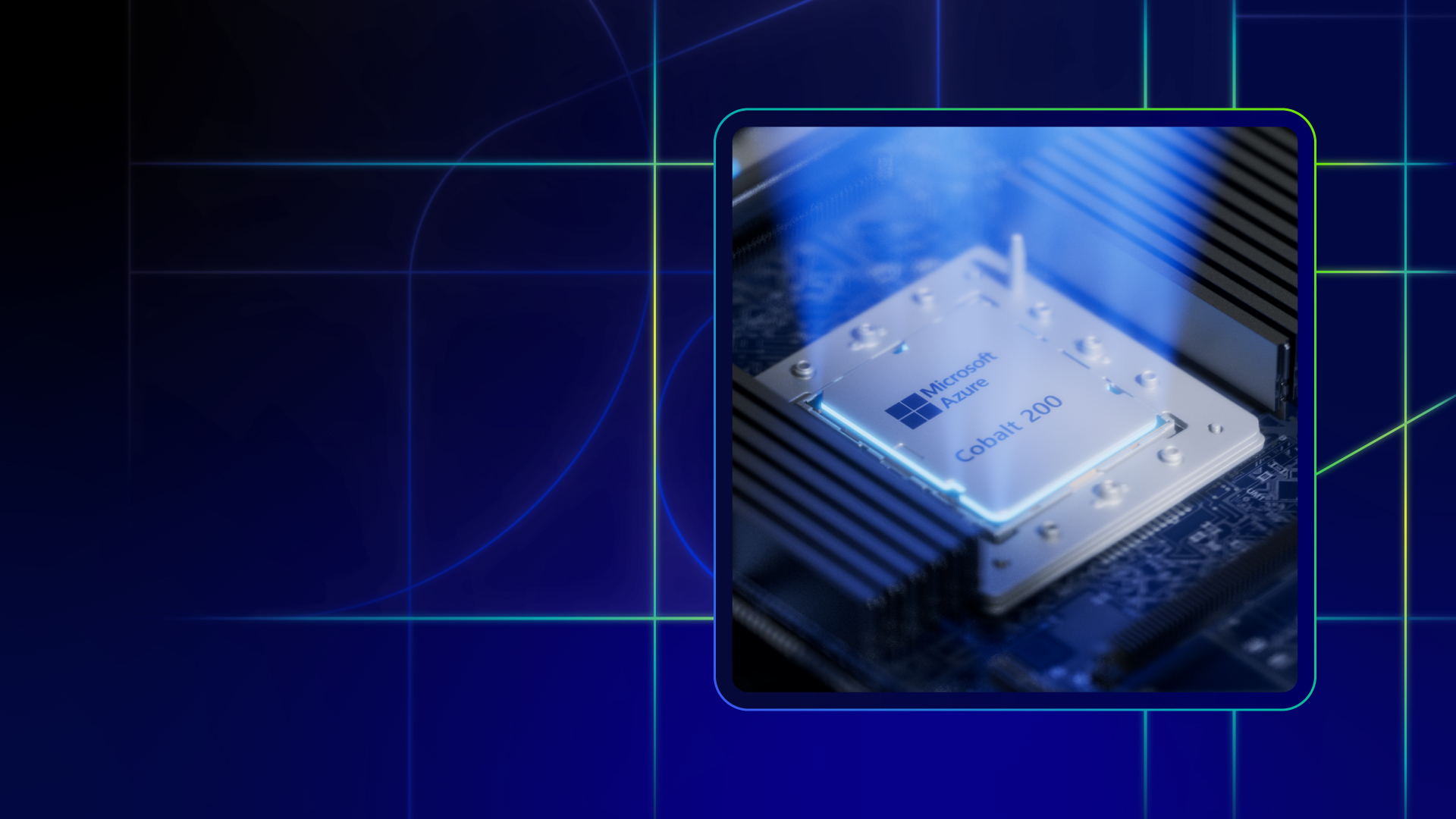
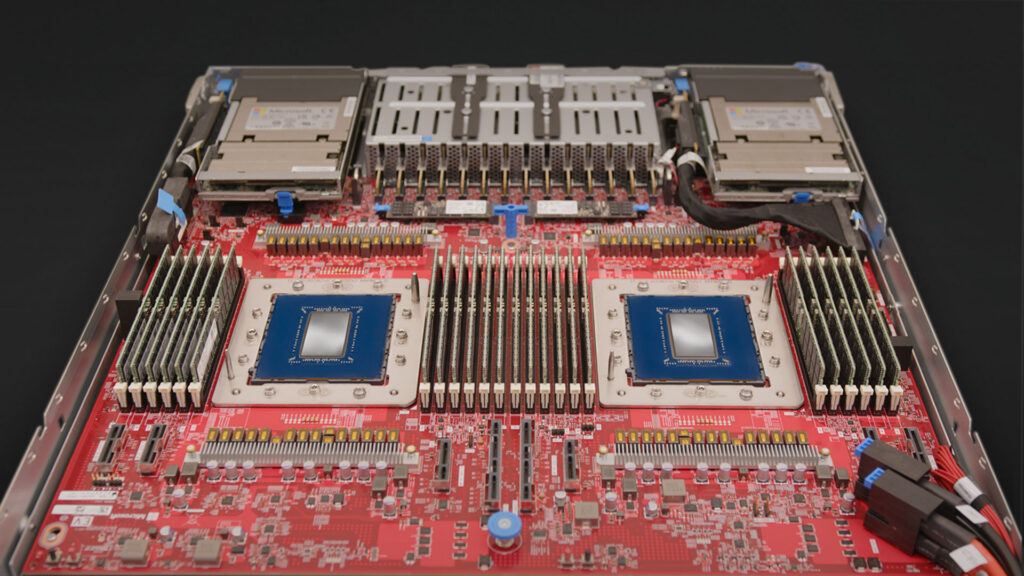
These gains are driven by the Cobalt 200 system-on-chip (SoC), which utilizes TSMC’s advanced 3nm process technology. Each SoC integrates 132 Arm Neoverse V3 cores, utilizing a sophisticated multi-chiplet architecture and advanced packaging to maximize efficiency. Furthermore, every Cobalt 200 VM is equipped with Microsoft Azure Boost, which offloads networking and storage virtualization tasks to specialized hardware, thereby reducing latency and ensuring consistent, high-speed throughput for remote storage and network operations.
Chronology of Infrastructure Evolution
The introduction of Cobalt 200 is the culmination of a multi-year strategy to transition Azure away from a reliance on off-the-shelf processor architectures toward custom-built, optimized silicon.
In early 2024, Microsoft signaled its intention to reduce reliance on traditional x86 providers by unveiling the first Cobalt iterations. By late 2025, early testing cohorts involving partners like OpenAI and Databricks began evaluating the architecture. The transition was marked by a steady expansion of Arm support across the software stack, including the optimization of popular Linux distributions and the integration of Cobalt-based nodes into Azure Kubernetes Service (AKS).
Throughout 2026, the focus shifted from foundational stability to specialized performance. The announcement at Ignite 2026 serves as the commercial launch, transitioning the technology from a preview state to a production-ready global offering. The roadmap now points toward 2027, when Cobalt 200 is expected to comprise a significant portion of all new Azure Compute capacity, signaling a massive scale-out strategy.
Industry Perspectives and Partner Ecosystem
The adoption of Cobalt 200 has garnered significant attention from major software providers who have been involved in the pre-release testing phases. OpenAI, which utilizes the hardware to sustain the growth of ChatGPT, reported that the move to Cobalt 200 allowed for higher throughput and lower latency, directly impacting the user experience by reducing wait times for model responses.
Databricks has integrated the new VMs into its serverless compute offerings to accelerate its "Genie" AI coworker platform. By migrating data pipelines and SQL query processing to Cobalt 200, the company aims to reduce the time-to-insight for its enterprise customers. Similar sentiments were echoed by Snowflake, which noted that each generation of Azure’s custom Arm silicon has provided compounding efficiency gains, essential for maintaining the performance of their large-scale data warehousing services.
From the silicon side, Arm’s leadership highlighted the synergy between their Neoverse CSS V3 platform and Microsoft’s internal systems engineering. The partnership represents a collaborative approach to solving the "agentic AI" challenge, where per-core performance is the primary bottleneck for system responsiveness. Canonical, the publisher of Ubuntu, has also solidified its support, ensuring that Cobalt 200 VMs benefit from long-term support and advanced features such as Kernel Livepatch, which allows for critical security updates without the need for system reboots.
Strategic Implications for Cloud Compute
The implications of the Cobalt 200 launch extend beyond mere performance benchmarks. By offering both "Deterministic" and "Opportunistic" processor modes, Microsoft is providing customers with granular control over their compute environment. Deterministic Mode is designed for high-performance clusters and latency-sensitive databases where consistency is paramount, while Opportunistic Mode is tailored for web services and APIs where raw speed is prioritized over strict performance bounds.
This flexibility is combined with a wider range of VM sizes, including the newly introduced High-memory optimized (Mpsv4 and Mpdsv4) and Storage optimized (Lpsv5) series. These additions demonstrate that Microsoft is positioning the Cobalt line to replace traditional x86-based instances across almost every category of cloud service, from memory-intensive ERP systems to massive big-data analytics and AI training data preparation.
The internal impact on Microsoft itself is equally profound. Microsoft’s own silicon engineering teams are utilizing Cobalt 200 to run electronic design automation (EDA) workloads. By reporting performance gains of up to 4.15 times over the previous generation, the team has successfully shortened the development cycles for future iterations of Maia and Cobalt silicon. This creates a virtuous cycle of "chips designing chips," a hallmark of the most advanced semiconductor companies.
Broader Market Context
The move to ARM-based, custom-silicon cloud infrastructure is an industry-wide trend, but Microsoft’s implementation is unique in its breadth. By integrating these chips across the entire M365 suite, Xbox gaming services, and Azure Database for PostgreSQL, Microsoft is proving that custom silicon can handle the diverse, high-scale requirements of a massive conglomerate.
As the industry moves toward 2027, the success of Cobalt 200 will likely be measured by the rate of migration from legacy architectures. With support for major operating systems including AlmaLinux, Azure Linux, Red Hat Enterprise Linux, and Windows 11, the barrier to entry for developers has been significantly lowered.
In conclusion, the general availability of Cobalt 200 at Ignite 2026 marks a pivotal transition point. It is not merely the release of a new server chip, but a fundamental redesign of the Azure backbone. By prioritizing high per-core efficiency and agent-ready architecture, Microsoft is aligning its cloud infrastructure with the next decade of AI-driven computing. As these VMs roll out to the remaining regions throughout the coming year, the industry will watch closely to see if this shift to custom-built hardware provides the competitive edge needed to lead in the era of agentic and large-scale data intelligence.