LG Electronics USA announced this week a significant policy shift, declaring its intention to suspend any applications built for its webOS smart TV platform that enable the television to function as an "always-on" residential proxy node. This decisive action comes less than a month after a comprehensive security report revealed a concerning prevalence of such functionalities within LG’s app ecosystem. Researchers discovered that a staggering 42 percent of games and other applications available on LG’s webOS store were embedding software development kits (SDKs) that allowed unknown third parties to route their internet traffic through unsuspecting users’ televisions.
The implications of this practice are far-reaching, raising serious questions about user privacy, network security, and the ethical responsibilities of smart TV manufacturers and app developers. The move by LG Electronics USA signifies a direct response to mounting concerns and underscores the growing importance of transparency and control over data flow in the increasingly connected landscape of home entertainment devices.
The Discovery of Pervasive Proxy Functionality
The revelations surrounding LG’s smart TV apps emerged from in-depth research conducted by the cybersecurity firm Spur.us. On July 2, KrebsOnSecurity highlighted Spur’s findings, which meticulously examined the widespread integration of residential proxy software development kits (SDKs) within smart TV applications. Spur’s report, which delved into both LG’s webOS and Samsung’s Tizen operating systems, uncovered that a significant majority of LG smart TV apps – exceeding 42 percent – contained SDKs designed to transform a user’s television into a proxy node. This functionality, once activated, could remain operational indefinitely, effectively renting out the user’s internet connection to third parties without explicit, ongoing consent.
Samsung’s Tizen OS also showed a notable vulnerability, with over a quarter of its apps featuring similar residential proxy components. This widespread embedding of proxy technology across major smart TV platforms painted a stark picture of potential privacy risks for millions of consumers worldwide.
LG’s Response: A Policy of Enforcement
In direct response to the findings presented by Spur.us, LG Electronics USA has taken a firm stance. John Taylor, Senior Vice President at LG, communicated the company’s commitment to addressing the issue. In a statement provided to KrebsOnSecurity, Taylor confirmed that LG is actively engaging with app developers to ensure the removal of residential proxy functionalities from their applications on the webOS platform. He further emphasized a clear consequence for non-compliance: the suspension of offending apps.
"A residential proxy network is not an intended use for LG smart TVs, and LG Electronics is working with developers to remove the residential proxy option from their apps on the webOS platform," Taylor stated. "If this option is not removed, these apps will be suspended."
Taylor articulated LG’s dedication to preventing residential proxy networks from being integrated into their smart TV applications moving forward. He assured that the company’s review process for existing apps is "well underway." This proactive approach signals a significant shift in LG’s platform oversight.
"As part of our ongoing efforts to enhance platform quality and the user experience, LG will continue to strengthen our evaluation process for developer-submitted apps, including those that incorporate residential proxy SDKs," Taylor elaborated in his email. This commitment to a more rigorous vetting process is a critical step in rebuilding user trust and ensuring the security and privacy of its customer base.
Understanding Residential Proxy Networks and Their Monetization
Residential proxy networks function by leveraging the internet connections of everyday users, turning their devices into nodes that can be rented out to others. These paying customers, often businesses, researchers, or even individuals seeking to mask their online activities, can then route their internet traffic through these residential IP addresses. This allows them to appear as if they are browsing from the user’s location, which can be valuable for tasks such as web scraping, market research, or circumventing geo-restrictions.
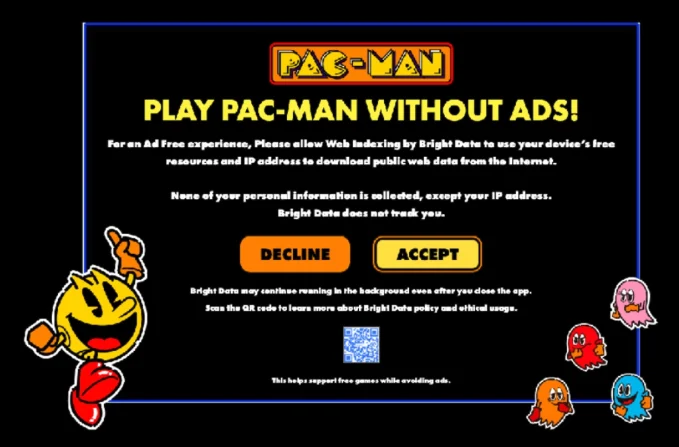
For app developers, integrating residential proxy SDKs presents a seemingly attractive monetization strategy. Companies that operate these proxy networks pay developers to embed their SDKs within applications. In return, the app user’s device becomes a conduit for this proxy traffic. Spur’s research revealed that these SDKs were not confined to niche applications but were found bundled with a wide array of popular smart TV content, including casual games like Pac-Man, decorative screensavers, and utility applications.
Bright Data: A Key Player and Its Defense
The research by Spur.us identified Bright Data as a significant contributor to the residential proxy SDK presence on both LG and Samsung smart TV platforms. Bright Data, a prominent provider of proxy services, responded to the allegations with a statement emphasizing its commitment to ethical practices and user consent.
"Every peer opts in through a dedicated screen and receives value in return; every customer is vetted, and our practices have now undergone a second independent audit by PwC," a Bright Data spokesperson stated to KrebsOnSecurity. "We remain committed to an open, transparent internet where legitimate businesses, researchers, and institutions can responsibly access data that lives in the public domain."

Bright Data and other proxy providers cited in Spur’s report maintain that they implement stringent "know your customer" (KYC) processes to verify the legitimacy of their clients. These processes are often geared towards preventing malicious use, such as the circumvention of security measures or unauthorized access to local networks. These companies assert that they have technological safeguards in place to prevent customers of their proxy services from interacting with or controlling other devices on the proxy user’s local network.
The Ethical Debate: Transparency, Consent, and Platform Responsibility
While proxy providers argue for the legitimate uses of their services and the consent-based nature of their operations, security researchers like Spur highlight a critical flaw in the current implementation. Trevor Sutter of Spur, in his analysis, articulated the core concern: "A one-time consent prompt buried in a TV app is not a substitute for meaningful transparency, ongoing control, and platform oversight."
Spur’s argument centers on the fact that most consumers do not perceive their smart TVs as sophisticated computing devices capable of complex network operations. The expectation is that a TV is primarily for entertainment, not for acting as a proxy server. The embedding of these SDKs, often with consent prompts that are easily overlooked or misunderstood, raises significant ethical questions.
Furthermore, the issue of consent is amplified in households where multiple individuals use the device. Sutter pointed out the risk associated with consent being granted by individuals who may not fully grasp the implications or who are not authorized to provide such consent, such as minors. This highlights a gap in ensuring that truly informed consent is obtained from the primary users and custodians of the device.
The broad implication is that while residential proxy networks themselves may serve legitimate purposes, their integration into everyday consumer electronics without robust user education, transparent disclosure, and granular control mechanisms creates a significant security and privacy vulnerability.
Broader Implications for the Smart TV Ecosystem
LG’s proactive stance in addressing the residential proxy issue is a positive development for consumer privacy and security. However, it also underscores a larger challenge facing the entire smart TV industry. As smart TVs become increasingly sophisticated and integrated into our daily lives, the potential for them to be exploited for unintended purposes grows.
The ease with which these proxy SDKs can be bundled into seemingly innocuous applications means that users are often unaware of the data being shared or the way their internet connection is being utilized. This lack of transparency can lead to several issues:
- Slower Internet Speeds: When a user’s internet connection is being used by third parties, it can lead to a noticeable degradation in performance for their own online activities.
- Security Risks: While proxy providers claim to vet their customers, the possibility of malicious actors gaining access to a user’s IP address and potentially their local network cannot be entirely dismissed.
- Privacy Concerns: The use of a user’s IP address by unknown entities can potentially be linked back to the user, compromising their privacy and anonymity.
- Legal and Ethical Ambiguity: The practice raises questions about liability and responsibility when a user’s internet connection is used for activities that may be illegal or unethical.
LG’s commitment to strengthening its app evaluation process is a crucial step. This includes not only technical scrutiny but also a more thorough review of the intended purpose and potential implications of any SDKs incorporated by developers. For consumers, this means a greater degree of assurance that the applications they download will not inadvertently compromise their privacy or security.
A Wider Context of Manufacturer Partnerships
This situation with residential proxy SDKs is not the only instance where LG has faced scrutiny regarding its partnerships and pre-installed software. In a separate development earlier this week, the YouTube channel Gamers Nexus highlighted concerns regarding LG’s high-end LCD monitors. They demonstrated that certain LG monitors would automatically install an application promoting paid McAfee antivirus subscriptions. This installation occurred via Windows Update without an explicit approval prompt from the user.
This incident, while distinct from the smart TV app issue, points to a broader trend of manufacturers leveraging their hardware and software platforms to promote third-party services, sometimes in ways that bypass standard user consent protocols. Such practices can erode user trust and lead to perceptions of intrusive marketing or bundled software that is not entirely desired.
The Path Forward: Enhanced Transparency and User Control
The ongoing dialogue between cybersecurity researchers, smart TV manufacturers, and proxy providers is essential for navigating the complex landscape of connected devices. LG’s decision to suspend apps with residential proxy functionalities marks a significant turning point, signaling a greater willingness from major hardware manufacturers to take responsibility for the security and privacy implications of their platforms.
For the industry as a whole, the events of the past month serve as a powerful reminder that user trust is paramount. Future innovations in smart TV technology must be coupled with robust mechanisms for transparency, informed consent, and granular user control. This includes:
- Clearer Disclosure: Developers and manufacturers need to provide more straightforward and easily understandable information about how user data and internet connections are being utilized by applications.
- Granular Permissions: Users should have the ability to grant or deny specific permissions for applications, including the use of their device as a proxy node, with clear explanations of what each permission entails.
- Ongoing Oversight: Platform providers like LG should maintain continuous monitoring and auditing of applications to ensure compliance with privacy and security standards.
- User Education: Efforts should be made to educate consumers about the potential risks and benefits associated with various app functionalities, empowering them to make informed choices.
The proactive measures taken by LG Electronics USA, spurred by the diligent work of security researchers, represent a positive step towards a more secure and transparent smart TV ecosystem. The challenge now lies in ensuring that these principles are consistently applied and that the industry as a whole prioritizes user privacy and security in the ever-evolving world of connected home entertainment. The effectiveness of these changes will ultimately be measured by the continued protection of consumer data and the restoration of user confidence in their smart devices.