Google Play to Implement Mandatory Adaptive App Quality Standards for Foldable Devices by April 2027

The rapid maturation of the foldable smartphone market has shifted the mobile landscape from experimental hardware to a premium consumer standard. With millions of foldable devices now in circulation, Google has announced a significant shift in its application ecosystem policy. Starting in April 2027, all applications distributed via the Google Play Store must adhere to new, stringent adaptive app quality requirements. This move marks a pivot in Google’s strategy, moving from voluntary developer guidelines to a mandatory baseline intended to ensure that software keeps pace with the evolution of hardware form factors.
The Evolution of the Foldable Ecosystem
The transition of foldable technology—from high-priced niche gadgets to accessible, high-performance daily drivers—has been underscored by a massive increase in the user base. Currently, there are over 580 million large-screen devices globally, a category that encompasses tablets, foldables, and specialized XR hardware. As users invest in premium devices that offer both compact portability and expansive, tablet-like inner displays, their expectations for software fluidity have reached a critical threshold.

In the early stages of this hardware cycle, app developers were encouraged to optimize for diverse aspect ratios. However, as the ecosystem matured, the disparity between apps that fully utilize foldable hardware and those that default to "letterboxing" or awkward scaling became apparent. To address this, Google has finalized a roadmap that mandates that apps provide a seamless transition between folded and unfolded states, effectively eliminating the friction that currently plagues many legacy applications on modern foldable screens.
Mandatory Quality Tiers and Enforcement
Beginning in April 2027, the Google Play Store will implement a mandatory compliance floor set at "Tier 3" of the Android Adaptive App Quality guidelines. This requirement is not merely a suggestion; it serves as a prerequisite for ongoing distribution. Applications that fail to meet these standards will face significant repercussions, including the inability to receive updates, potential removal from the storefront, and a noticeable decline in search visibility and algorithmic recommendations.
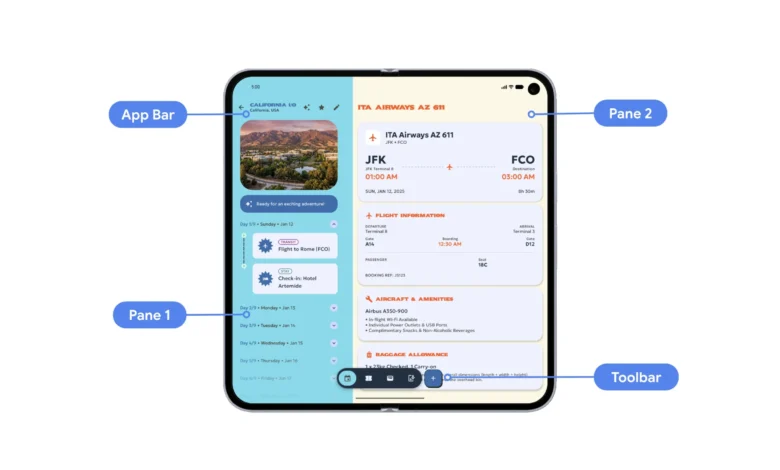
The policy is designed to be progressive. While Tier 3 constitutes the baseline, Google has signaled its intent to eventually integrate Tier 2 and Tier 1 standards as the industry standard for user experience. These higher tiers prioritize advanced multi-pane layouts, responsive hinge-aware states, and specialized optimizations for devices that can be held in various "postures." Developers are being encouraged to treat the current guidelines not as a target to hit by 2027, but as a roadmap to maintain competitiveness in a marketplace that increasingly favors high-fidelity, screen-agnostic software.
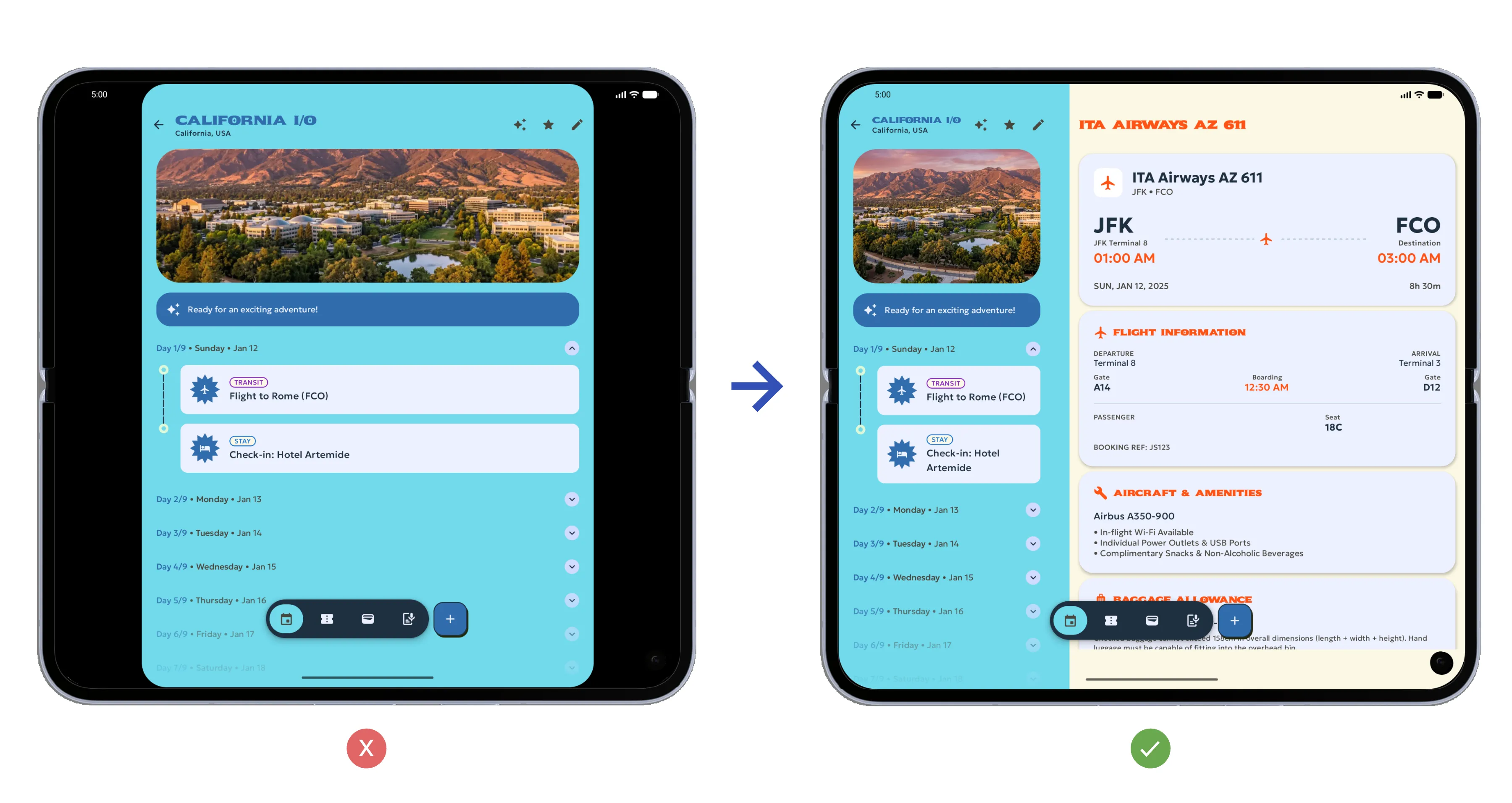
Chronology of Implementation
The timeline for these changes is structured to give development teams sufficient lead time to audit and re-engineer their existing codebases.
- Current Phase: Developers are encouraged to utilize Jetpack Compose—a modern UI toolkit—to build adaptive layouts that scale across smartphone, foldable, and tablet form factors.
- Immediate Action: As of today, the Play Console allows developers to upload dedicated foldable-specific screenshots. These visuals are essential for showcasing how an app utilizes the expanded canvas of an unfolded device.
- April 2027 Enforcement: The mandatory quality baseline goes into effect. Furthermore, the submission process for new apps and updates will require a minimum of three foldable-specific screenshots, supplementing the standard two phone-oriented screenshots.
- Targeting API Level 37: Alongside the quality requirements, Google will mandate targeting API level 37 (Android 17). This will effectively close existing loopholes that allowed developers to opt out of orientation and resizability constraints on large screens, forcing universal adaptability.
Technical Implications for Developers
The shift to mandatory adaptive design requires a fundamental change in how Android applications are architected. The "one-size-fits-all" approach to mobile layout is becoming obsolete. The core of the requirement lies in the ability of an app to handle configuration changes dynamically. When a user unfolds their device, the app must not only resize but also reorganize its content. This involves moving from a single-column layout to a multi-pane interface that effectively utilizes the increased horizontal real estate.
Furthermore, the "posture-aware" requirement mandates that apps recognize when a device is partially folded—a common usage pattern for devices like the Pixel Fold or Samsung Galaxy Z Fold series. An app that remains static while the hinge is angled at 90 degrees is now considered non-compliant under the upcoming framework. By leveraging Jetpack Compose, developers can implement state-hoisting techniques that allow the UI to respond to these changes in real-time, preventing the common "stretching" or "cropping" issues that currently frustrate users.
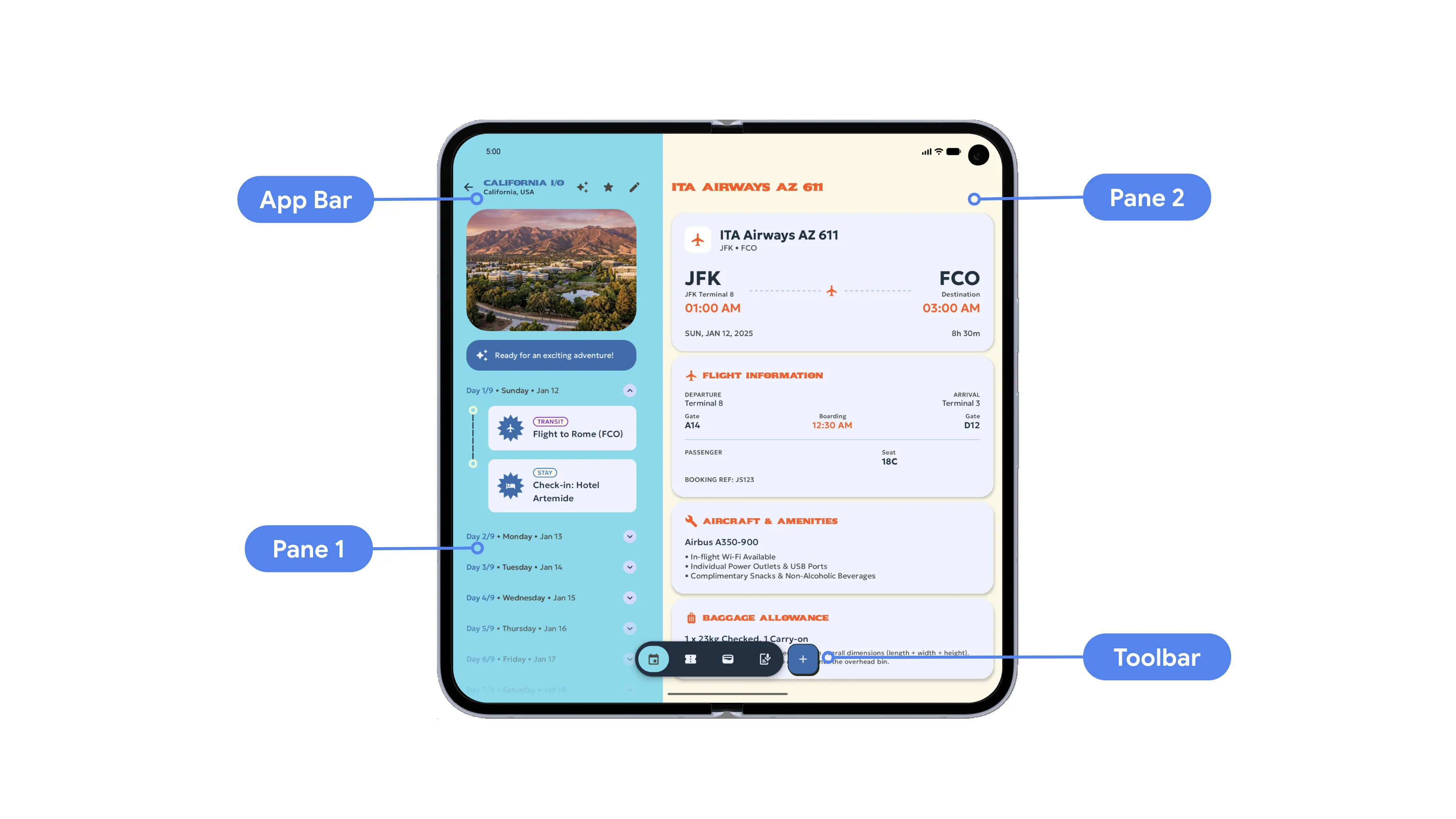
The Economic and Strategic Rationale
From a strategic perspective, Google’s decision to tighten store requirements is rooted in the "premiumization" of the Android ecosystem. By raising the quality bar, Google aims to reduce the software-hardware divide that often leads users to perceive Android apps as "less optimized" compared to their iOS counterparts on tablet or specialized form factors.
The economic impact on developers is twofold. While the initial cost of re-developing UI components to meet Tier 3 standards represents a significant resource investment, the long-term benefit is improved user retention and higher conversion rates. Apps that are optimized for foldables often see higher engagement metrics because they provide a more comfortable and intuitive user experience. Moreover, Google has incentivized this transition by offering "editorial spotlighting" and "premier store badging" for apps that go beyond the baseline and achieve Tier 1 or Tier 2 compliance.
Industry Response and Future Outlook
Industry analysts suggest that this policy will effectively prune the Google Play Store of "zombie" apps—applications that are no longer actively maintained and offer poor performance on modern hardware. This is a net positive for the overall health of the Android ecosystem. By ensuring that every app available for download offers a baseline of competence on large screens, Google is positioning the Android platform to compete more effectively with specialized operating systems designed for multitasking and productivity.
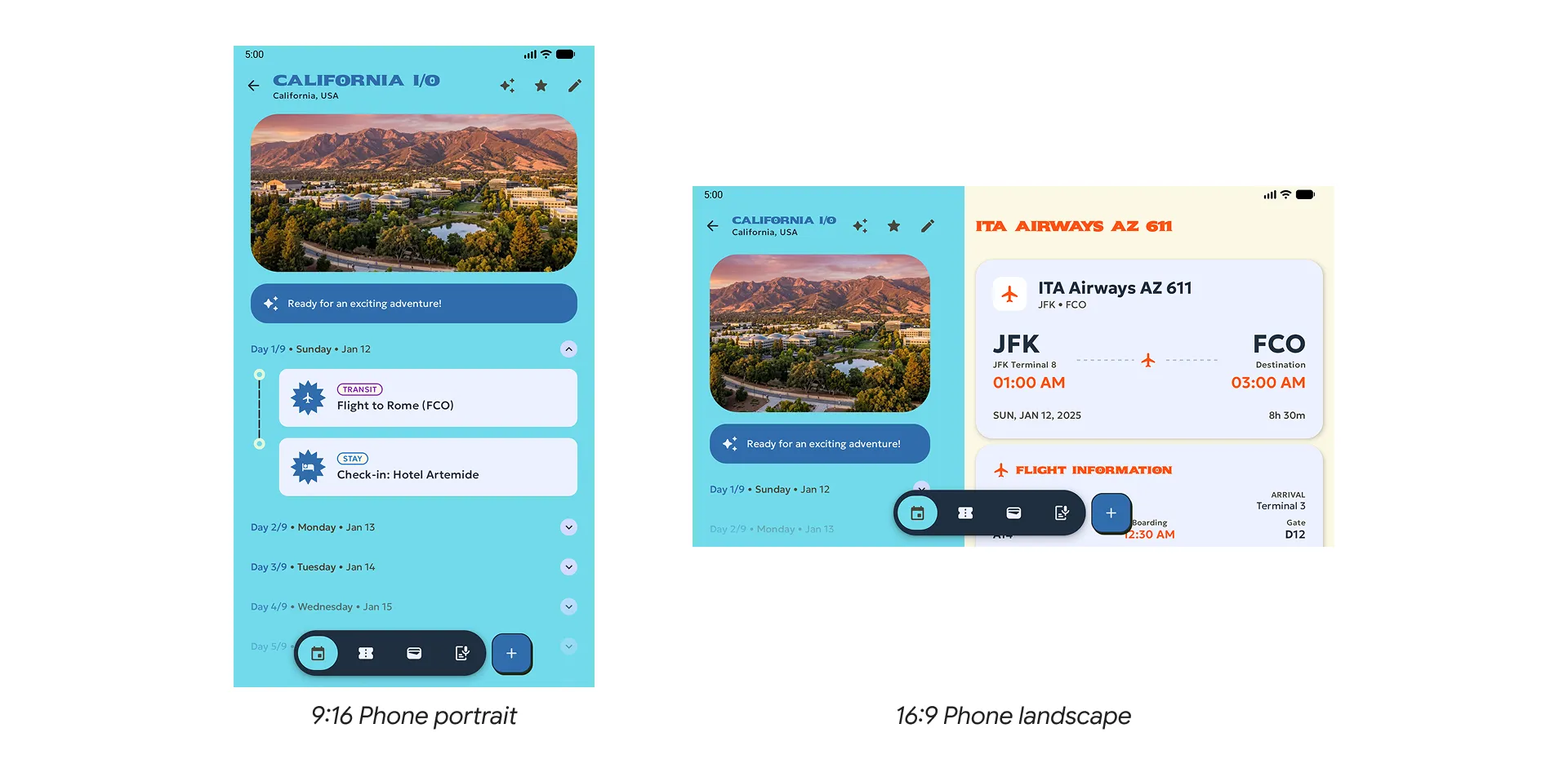
For game developers, the requirements are even more nuanced. A dedicated set of quality guidelines for large-screen gaming ensures that titles are not just stretched, but that controls, touch-input zones, and latency are optimized for the larger displays. The inclusion of Android XR devices like the XREAL Aura in these guidelines indicates that Google is looking toward the future of spatial computing. The skills developers learn today—building responsive, adaptive layouts—will be directly transferable to the next generation of computing interfaces.
Preparing for the 2027 Deadline
As the deadline approaches, the burden of proof falls on the developers to demonstrate their commitment to the ecosystem. Google has provided a suite of tools, including the Android Emulator and command-line interface tools, which allow teams to simulate various folding states and screen ratios without needing to purchase every piece of hardware on the market.
To ensure compliance, development teams should prioritize the following:
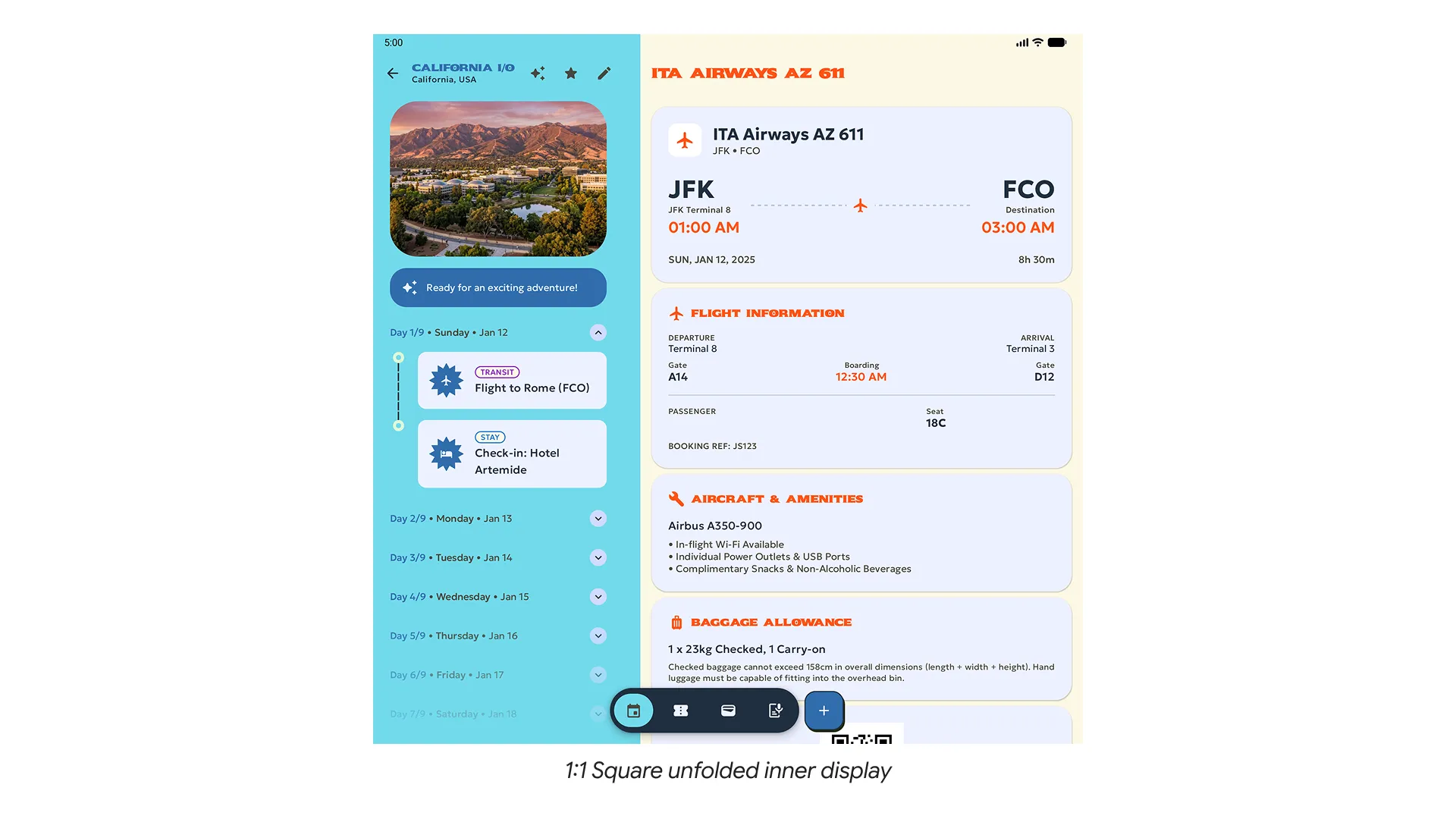
- UI Audit: Evaluate existing layouts to identify elements that break or pixelate during screen transitions.
- Modernization: Migrate legacy View-based UIs to Jetpack Compose to take advantage of built-in adaptive libraries.
- Screenshot Compliance: Begin capturing and cataloging high-fidelity screenshots of the app in both folded and unfolded states for Play Store submissions.
- API Alignment: Begin the migration to target API level 37 to ensure the app is future-proofed against upcoming system-level constraints.
In summary, the transition to mandatory adaptive quality is the next logical step in the evolution of Android. By enforcing these standards, Google is ensuring that the software experience remains as innovative and premium as the hardware it inhabits. For developers, the message is clear: the era of "mobile-only" is ending, and the era of "adaptive-first" has arrived. Those who adapt early will be best positioned to thrive in an ecosystem where screen size is no longer a constant, but a fluid variable.
Related posts: