Your favorite agents are now integrated in Android Studio | Android Developers’ Blog

The Evolution of the Android Development Lifecycle
The release of Android Studio Rabbit 2 follows an accelerated development cycle that has seen Google move away from traditional versioning toward more agile, feature-rich updates. The "Rabbit" nomenclature reflects the company’s push toward rapid, iterative innovation—a necessity in an era where AI-assisted coding is no longer a luxury but a standard requirement.
Historically, Android Studio has served as a monolithic tool, heavily reliant on internal Google-proprietary AI models. With the introduction of the Rabbit 2 stable release, that paradigm has shifted. This transition is not merely cosmetic; it is a strategic pivot designed to retain developers who are increasingly exploring third-party Large Language Models (LLMs) and specialized coding agents that offer specific advantages in cost, performance, or specialized domain knowledge.
Bring Your Own Agent: A New Paradigm for IDE Flexibility
The centerpiece of this release is the "Bring Your Own Agent" (BYOA) initiative. As the landscape of AI-powered coding assistants matures, developers have voiced a desire for greater interoperability. Under the previous constraints of the IDE, users were often tethered to default AI integrations.

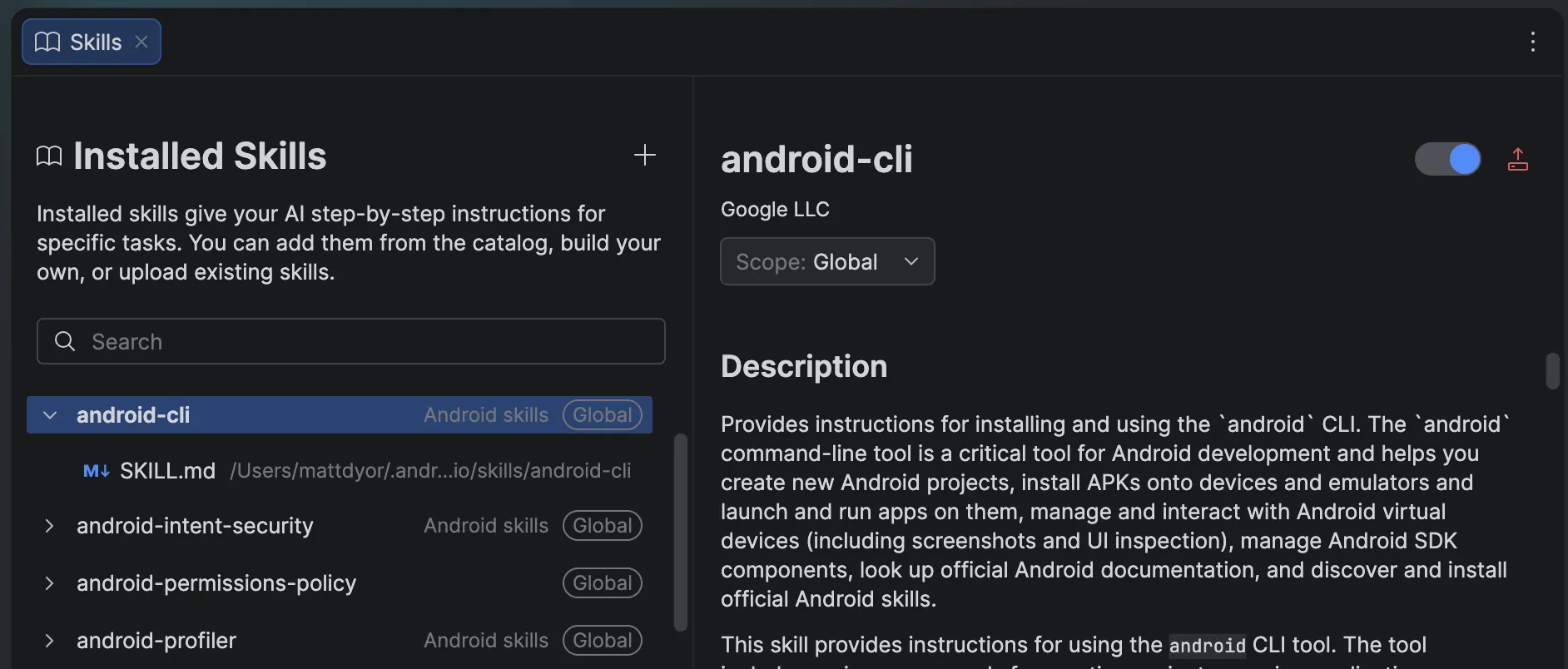
With BYOA, Android Studio Rabbit 2 now supports over 40 distinct coding agents. This includes industry-standard models such as Anthropic’s Claude, OpenAI’s Codex, and various specialized agents like Junie and Google’s own internal experimental models. By decoupling the agent from the environment, Google has effectively turned Android Studio into an agnostic platform.
The technical implications for enterprise teams are significant. Companies with strict data compliance mandates can now integrate agents that operate within their specific security parameters. Furthermore, the integration allows these third-party agents to access deep-system tools, including the Android Emulator, Logcat, and build system configurations. This capability, supported by "Android Skills," enables agents to perform complex, multi-step tasks—such as architectural refactoring or build system migration—without requiring constant human intervention.
Expanding the Frontier: Android XR Emulation
As the market for Extended Reality (XR) devices continues to grow, the need for robust testing environments has become critical. Rabbit 2 delivers a stable, feature-complete suite of XR emulators, encompassing support for augmented reality glasses, audio-centric wearables, and high-fidelity display hardware.
One of the most requested features in this update is the ability to inject custom environmental data into the emulator. Developers can now map 360-degree photos or live video feeds from a connected camera into the emulator’s virtual space. This allows for real-world testing of how an XR application interacts with physical surroundings, such as lighting conditions or spatial geometry, without needing to physically deploy to the device.
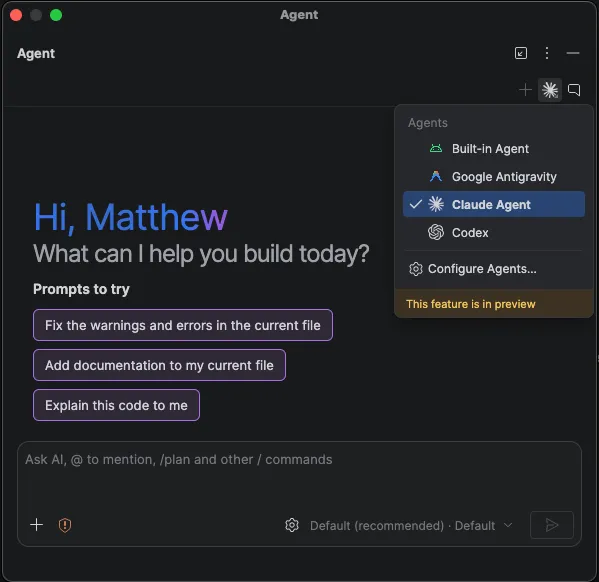
Additionally, the update introduces hardware-level indicators within the virtual environment. New visual cues for microphone and camera states provide developers with immediate feedback on privacy and sensor utilization, mirroring the behavior of physical hardware. This reduces the "gap" between virtual prototyping and hardware production, significantly shortening the iterative feedback loop.
Managing Complexity with AI-Driven Skills
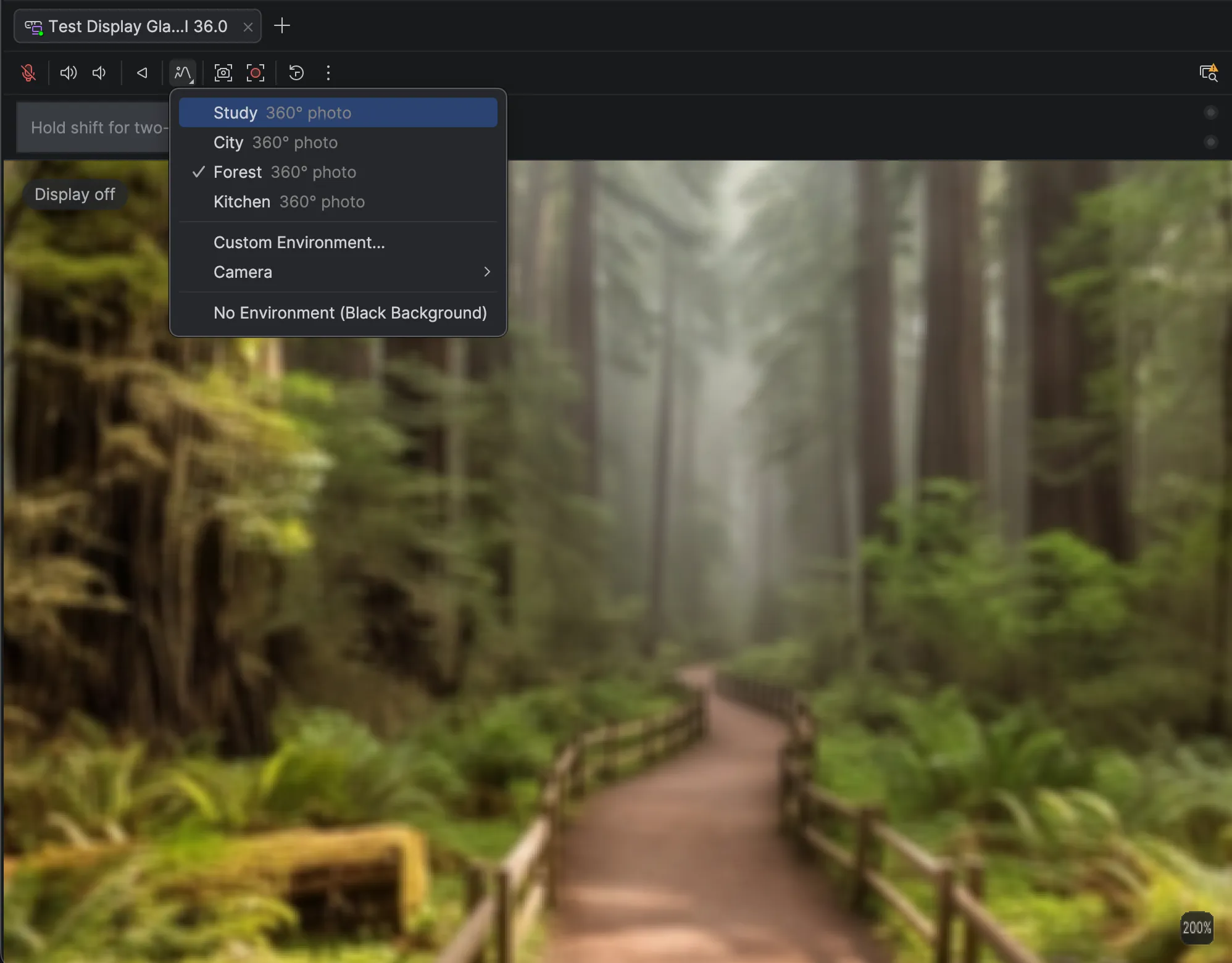
The introduction of the "Skills Manager" represents an effort to codify the "procedural knowledge" required for Android development. The platform now features a centralized repository where developers can discover and install specialized "skills." These are essentially predefined AI-driven workflows designed to handle high-friction, repetitive tasks.
Current supported skills include:
- Legacy Migration: Automating the transition from traditional XML-based layouts to Jetpack Compose.
- AGP Upgrades: Streamlining the update process for the Android Gradle Plugin (AGP) to version 9.
- Adaptive UI: Implementing layout logic for the fragmented foldable and tablet hardware ecosystem.
- Infrastructure Integration: Managing the complexities of CameraX and Firebase service implementations.
By modularizing these capabilities, Google is effectively lowering the barrier to entry for modern Android development practices, ensuring that teams can modernize legacy codebases with significantly less manual oversight.
Diagnostic Precision: LeakCanary and Memory Management
Memory management remains one of the most persistent challenges in Android application development. The integration of LeakCanary directly into the Android Studio Profiler is a substantial quality-of-life improvement. Previously, memory leaks were often diagnosed via external reports that required manual translation into code fixes.
In Rabbit 2, the AI agent can now analyze LeakCanary reports, provide a narrative explanation of why the leak occurred, and—critically—suggest a specific code refactoring path to remediate the issue. This shifts the workflow from "identify and investigate" to "identify and implement," reducing the time-to-fix for memory-related stability issues.
Enterprise Governance and the "Change Review" Bottleneck
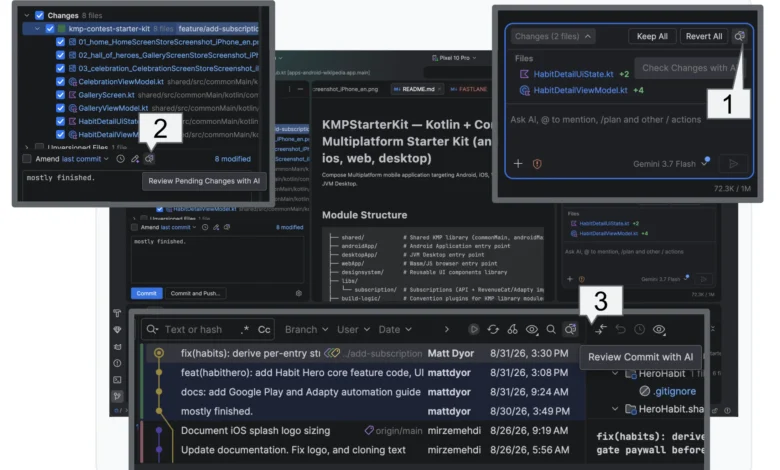
As development speed increases, so does the burden of code review. The "Change Review" feature is specifically designed to address the bottleneck created by AI-generated code. When an agent creates a high volume of changes, human reviewers often struggle to parse the intent behind every modification.
Change Review acts as an intelligent intermediary. It aggregates related code diffs into "logical themes" rather than presenting them in standard alphabetical file order. This allows the human reviewer to understand the "why" behind a series of changes before diving into the "how." By prioritizing readability and thematic consistency, Google is addressing a growing concern among lead developers that AI-driven coding is leading to "code bloat" and fragmented commit histories.
Contextual Data and Industry Impact
The release of Rabbit 2 comes at a pivotal time for Google, as the company faces increased competition from Microsoft’s GitHub Copilot and other autonomous development platforms. Industry data suggests that developer productivity increases by roughly 20% to 30% when utilizing AI-assisted coding tools, yet the "hidden cost" remains the overhead of managing these AI tools themselves.
By embracing an open-agent architecture, Google is positioning Android Studio as the "operating system for AI development." This strategy reflects a broader industry trend where the IDE is no longer just an editor, but an orchestration layer for a distributed network of AI agents.
Future Outlook and Developer Reception
During the Android Dev Summit, the reception to these features has been largely positive, particularly among enterprise-scale developers who have long complained about the rigid nature of proprietary tools. The ability to integrate internal SDKs and private repositories into the Gemini Enterprise framework—a capability introduced in the Rabbit 1 update and refined here—ensures that larger organizations can maintain compliance while benefiting from the latest AI advancements.
The transition to Rabbit 2 marks the end of an era where Android development was defined by manual complexity. As the ecosystem continues to embrace XR and modular AI agents, the role of the developer is evolving from that of a "code writer" to an "architect of automated workflows."
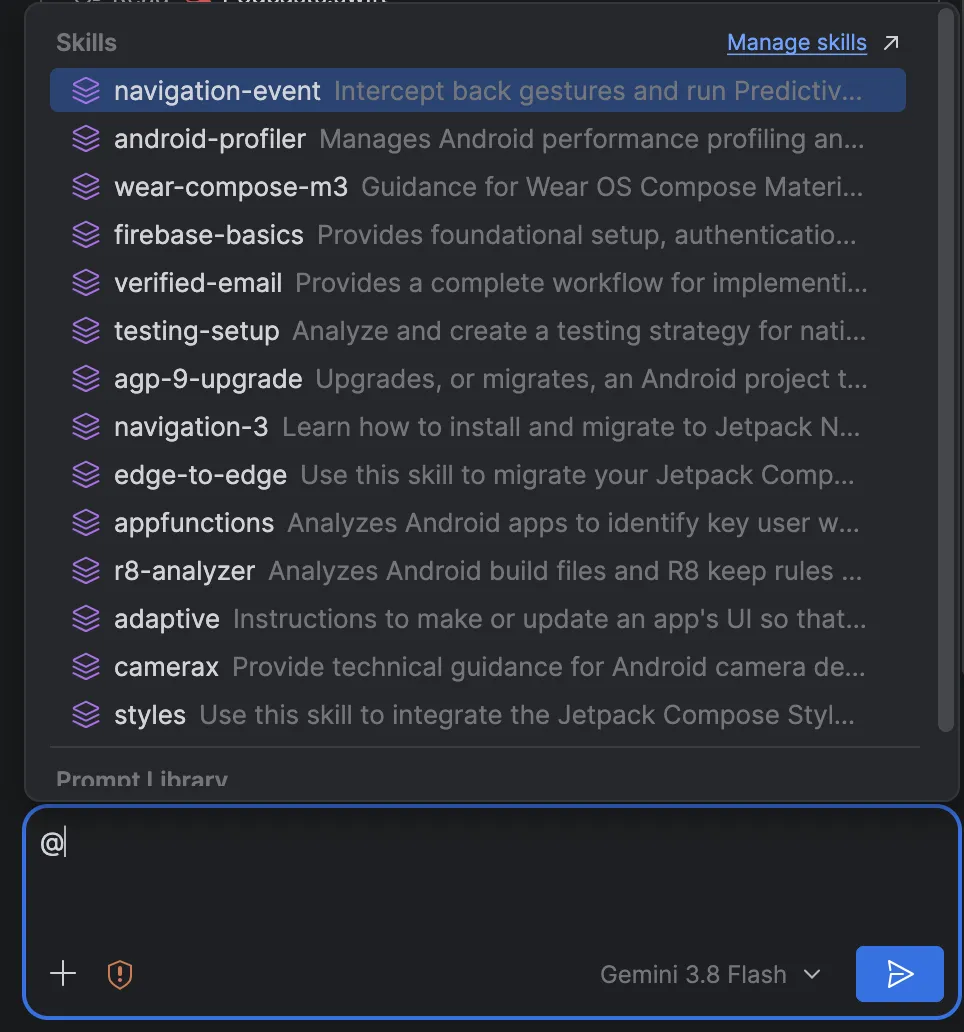
For developers looking to integrate these tools, the path forward involves leveraging the new Settings menu to configure agent preferences and utilizing the @ syntax within the chat interface to invoke specific skills. As Google continues to iterate, the focus is expected to remain on balancing the raw power of LLMs with the strict safety and performance requirements of the Android platform.
The release is currently available for download via the official Android Studio portal. Google has encouraged the community to participate in the feedback loop, with dedicated channels for reporting bugs and contributing to the development of future "skills." As the industry watches, the success of the Rabbit 2 release will likely serve as a blueprint for how IDEs will function in the coming decade: less as isolated editors, and more as collaborative hubs for human-machine partnerships.