Flock Safety offers voluntary buyout packages to staff amid mounting privacy backlash and contract cancellations

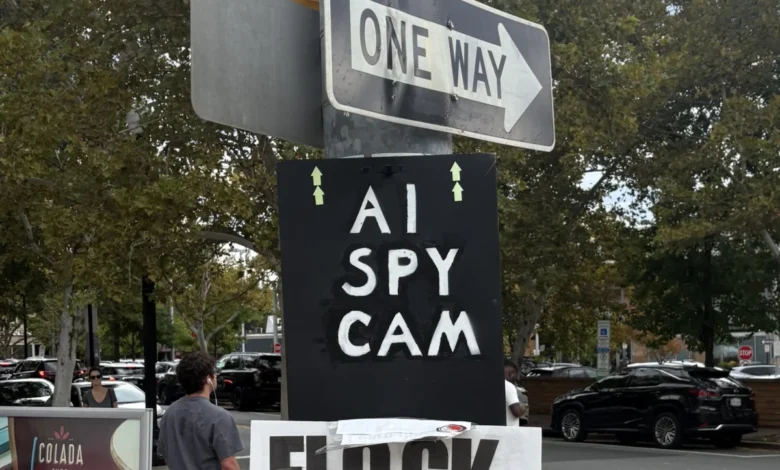
Flock Safety, the prominent surveillance technology firm known for its widespread network of automated license plate recognition (ALPR) cameras, has initiated a voluntary separation program for its 1,500-person workforce. The move, characterized by the company as its “most generous” severance offering to date, comes at a critical juncture for the Atlanta-based startup as it faces intense public scrutiny, rapid contract terminations, and a decline in employee morale. The decision to offer these buyouts appears to be a preemptive measure to avoid the necessity of involuntary layoffs, allowing the company to streamline its operations while simultaneously offloading staff members who may no longer be aligned with the firm’s mission in light of recent controversies.
A Timeline of Escalating Scrutiny
The current crisis facing Flock Safety did not emerge overnight; it is the culmination of a summer marked by investigative journalism and a subsequent shift in public sentiment toward surveillance technology.
Throughout the first half of 2026, Flock enjoyed a position as a cornerstone of modern municipal policing, with its cameras integrated into thousands of neighborhoods and law enforcement agencies across the United States. However, the narrative shifted dramatically in early August 2026, when an investigative report by The Washington Post exposed significant systemic failures in how the company’s technology was being utilized by law enforcement. The report documented at least 46 distinct instances in which police officers allegedly misused Flock’s vast database to stalk romantic partners, track ex-spouses, and conduct unauthorized surveillance, raising profound questions about the safeguards—or lack thereof—within the platform.
The fallout was immediate. Throughout August, the public began pressuring local governments to reevaluate their reliance on Flock’s hardware and software. By the end of the month, an analysis by anti-surveillance advocacy groups revealed that approximately 90 cities had terminated their contracts with the company, representing a fourfold increase in cancellation rates compared to the previous month. This mass exodus of municipal clients prompted a regulatory response, with major jurisdictions including Florida and Texas announcing that they would suspend or entirely cease the use of Flock’s systems, citing severe privacy concerns and a potential violation of civil liberties.
Internal Morale and the Business Impact
For a company that has built its brand on the promise of making communities safer, the internal toll has been as damaging as the external market contraction. CEO Garrett Langley, in a recent appearance on the All-In podcast, acknowledged the gravity of the situation, noting that while the loss of revenue is concerning, the most significant damage has been inflicted upon the company’s internal morale.
The voluntary buyout program is, in many respects, a strategic recalibration. By providing a financial incentive for employees to depart, Flock is attempting to manage a transition period without the friction of involuntary layoffs, which often result in decreased productivity and cultural toxicity among remaining staff. However, industry analysts suggest that this strategy also serves to “clean house” of those who may have become disillusioned by the ethical questions surrounding the company’s core product.
The Data Behind the Backlash
The scale of the current challenge can be quantified by the record-breaking pace at which local government contracts have been rescinded. While Flock previously maintained a steady growth trajectory, the August 2026 data points to a paradigm shift in how city councils and police oversight boards view private surveillance partnerships.

- Contract Cancellations: In August 2026 alone, 90 cities severed ties with Flock, a statistically significant deviation from the previous quarter’s average.
- Regulatory Suspensions: The loss of Florida and Texas as key markets is particularly devastating, as these states represented two of the largest regional footprints for the company’s ALPR technology.
- Misuse Statistics: The 46 documented cases of officer misconduct, while a small percentage of total users, have become the central argument for critics who contend that the technology is inherently susceptible to abuse by those with access to the backend systems.
Analysis: The Implications for Surveillance Tech
The situation at Flock Safety serves as a bellwether for the broader surveillance industry. The rapid pivot from widespread adoption to mass cancellation highlights a growing public awareness of the “surveillance state” and the potential for technological creep.
For many years, the primary concern surrounding ALPR systems was data privacy and the potential for data breaches. However, the recent focus has shifted toward the misuse of data by state actors. The implication for the industry is clear: technology providers will likely be forced to implement more robust, third-party audit mechanisms and stricter access controls to remain viable. Companies that fail to demonstrate that their products are being used ethically and legally will face increasing difficulties in securing municipal budgets.
Furthermore, the legal landscape is shifting. As more cities move to ban or restrict the use of non-consensual biometric and license plate tracking, companies like Flock are facing a shrinking addressable market. The cost of legal compliance and lobbying to defend these technologies against local bans is an added burden that, when combined with the loss of recurring revenue from cancelled contracts, places a significant strain on the company’s balance sheet.
Official Responses and Future Outlook
Flock Safety has remained relatively tight-lipped regarding the specific financial terms of the buyout packages, though the characterization of the offer as “generous” suggests that the company is utilizing its remaining capital reserves to ensure a smooth transition. The company’s focus is now ostensibly on retaining core engineering and sales talent who remain committed to the vision of "solving crime" through technology, despite the public outcry.
Critics of the company, including privacy advocates and digital rights organizations, view the buyout as a necessary step for a company they believe is fundamentally flawed. These groups argue that the issue is not merely one of personnel, but one of product architecture. They contend that the very nature of building a massive, interconnected network of cameras—which can be accessed by various police departments—creates an environment where misuse is inevitable, regardless of the company’s internal culture or policies.
As Flock moves into the final quarter of 2026, the company faces a dual challenge: it must convince remaining municipal clients that it has addressed the security vulnerabilities that led to the reported cases of stalking and misuse, while simultaneously managing a shrinking workforce and a degraded public reputation.
The success of these buyouts will likely determine the company’s path forward. If the departures are widespread, Flock may be forced to downsize its operations significantly, potentially leading to a pivot in its business model—perhaps away from public law enforcement and toward private enterprise security, where the regulatory and privacy requirements differ significantly.
Ultimately, the events surrounding Flock Safety underscore the tension between the demand for increased public safety and the fundamental right to privacy in the digital age. As the company navigates this transition, the broader industry will be watching closely to see if a pioneer in the surveillance space can survive a period of intense public and regulatory rejection, or if the events of 2026 mark the beginning of a long-term decline for the sector. For now, the focus remains on the employees accepting the severance packages and the remaining staff tasked with steering the company through the most turbulent chapter in its history.