FOSS Weekly: Asahi Linux License Shift, Linux Mint 27 Anticipation, and Industry Shifts in Open Source Security

The open-source landscape is experiencing a period of significant volatility as shifting priorities regarding code ownership, software licensing, and artificial intelligence integration reshape the community’s operational standards. Leading this trend is the Asahi Linux project, which has initiated a strategic migration of its repositories from the permissive MIT license to the more restrictive GNU General Public License (GPL) v2 or later. This transition, announced by the team behind Linux on Apple Silicon, serves as a defensive measure against the unauthorized appropriation of unreleased code. The project leads noted that third-party entities have been scraping internal code repositories and utilizing AI-driven re-writes to obfuscate the origin of the software, effectively bypassing the attribution requirements typically inherent in open-source collaboration.

While some observers initially speculated that this move was a reaction to the controversial development practices of Omarchy, figures such as David Heinemeier Hansson (DHH) have publicly expressed indifference toward the licensing shift. From a legal standpoint, the move to GPL v2 creates a stronger copyleft framework, ensuring that any derivative work must remain open source under the same conditions. This shift reflects a broader industry concern: as AI-assisted coding tools become more prevalent, the ability to protect proprietary or pre-release research within an open-source framework is becoming increasingly difficult for developers.
The Roadmap for Linux Mint 27 and Desktop Innovations
Anticipation is building for the release of Linux Mint 27, codenamed "Adrien," which is currently slated for a late December launch. As one of the most widely used distributions for desktop users, Mint’s biennial release cycle serves as a barometer for the stability and usability of the Linux desktop ecosystem. Early development reports indicate a focus on refining the Cinnamon desktop environment and improving the integration of the Software Manager. For power users and newcomers alike, the upcoming release is expected to consolidate several quality-of-life improvements that have been tested in the edge and beta channels throughout the year.

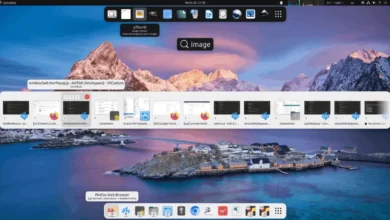
Parallel to the operating system updates, individual application developers are pushing the boundaries of desktop utility. The latest release of the Firefox browser, version 160, has introduced a sophisticated "Mini Window" feature. This functionality allows users to isolate specific tabs or user-defined regions of a webpage into a floating, persistent window. This capability is particularly useful for multitasking, as it allows users to monitor live feeds, documentation, or media playback without cluttering their primary browser workspace.
Similarly, the terminal emulator "kitty" has reached its 0.50 milestone, introducing a significant persistence feature. Historically, terminal sessions were ephemeral; closing a window or logging out of a graphical session would terminate the process and lose the scrollback history. With the 0.50 release, users can now configure the application to automatically save session states, including window layouts, active tabs, and comprehensive scrollback buffers, which are then restored upon the next launch.

Hardware Challenges and Corporate Legal Pressures
The intersection of hardware and open-source drivers remains a frequent point of friction. A notable case has emerged involving Synaptics, which recently issued a cease-and-desist letter to developer Mike Lothian regarding the Vino driver project. The driver, designed to support DisplayLink technology on Linux, has been a critical bridge for users requiring multi-monitor setups. Synaptics claims that the driver infringes upon existing patents, a move that has forced the immediate removal of the repository from public view. This event highlights the precarious nature of "reverse-engineered" drivers in the Linux ecosystem, where developers often operate in a legal gray area to provide functionality for hardware that lacks official vendor support.
Meanwhile, the company Playtron—recently rebranded as KORA Systems—is accelerating its development of the KORA desktop operating system. Designed to integrate AI models and local agents directly into the Linux kernel and user space, the platform represents a bold experiment in "AI-native" computing. With a planned release for late 2027, KORA aims to differentiate itself from traditional distributions by prioritizing machine learning workflows and automated system management. Whether this approach will gain traction remains to be seen, but it signals an industry-wide pivot toward embedding AI logic deeper into the foundational software layer.

The "De-Googling" Debate and Community Philosophy
The broader FOSS community is currently engaged in a deep debate regarding the feasibility and value of removing Google-integrated services from daily workflows. This discussion, which has seen significant activity within the It’s FOSS community, centers on the balance between convenience and data sovereignty. Participants are weighing the trade-offs of migrating to self-hosted alternatives—such as Nextcloud for storage or Passbolt for password management—against the seamless ecosystem provided by dominant tech firms.
The consensus among many long-term Linux users is that "de-googling" is as much a political statement as it is a technical one. It involves moving away from centralized, cloud-based data silos toward decentralized, user-controlled infrastructure. This trend is further supported by tools like Passbolt, which has gained popularity for its team-oriented, self-hosted password management solution. By eliminating user caps and offering both managed and self-hosted versions, Passbolt exemplifies the trend of enterprises and power users alike seeking to reclaim control over sensitive authentication data.

Technical Tutorials and Resource Allocation
For those looking to transition or improve their Linux proficiency, the availability of high-quality educational resources remains a priority. Recent tutorials have focused on the implementation of robust backup strategies. The community generally recommends Déjà Dup for users requiring a "set-and-forget" solution on GNOME-based desktops, while more advanced users are directed toward Kopia or Restic for their granular control over cloud-based storage encryption. For those managing enterprise-grade fleets, UrBackup has emerged as a reliable standard.
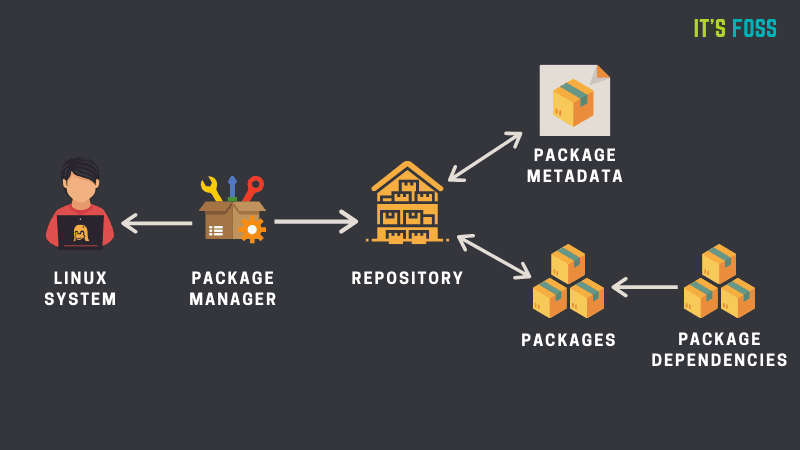
Furthermore, educational efforts regarding the fundamental architecture of Linux have gained traction. Understanding the role of package managers—such as APT, DNF, and Pacman—is considered a rite of passage for new users. As the ecosystem continues to evolve, the distinction between source-based compilation and binary-package management remains a crucial concept for understanding how software is distributed, updated, and secured across different distributions.
Infrastructure and Homelab Expansion
The "homelab" market continues to thrive, fueled by the availability of accessible, power-efficient hardware. The ZimaBoard 2, which has garnered positive reviews for its compact, silent operation, is currently serving as a focal point for those looking to build local servers for media streaming, home automation, or private cloud storage. As Black Friday early deals have brought these devices closer to entry-level pricing, the barrier to entry for self-hosting enthusiasts has arguably never been lower.
Looking Ahead: Trends in the FOSSverse
As we look toward the end of the year, several trends are becoming clear:

- AI Integration: Operating systems like KORA are testing the limits of how much AI can be embedded into a desktop environment without sacrificing performance or privacy.
- Licensing Defense: The Asahi Linux case is likely to set a precedent for how open-source projects protect their code against "AI-scraping" and unlicensed commercialization.
- Terminal Maturity: Tools like kitty are proving that the command-line interface can evolve to offer productivity features once reserved for sophisticated IDEs.
- Hardware Sovereignty: The ongoing tension with companies like Synaptics underscores the necessity of open-source drivers and the potential for hardware-level barriers to drive further community innovation.
The history of the open-source movement is replete with instances of developers adapting to external pressures, whether they be legal, corporate, or technological. From the release of Firefox 1.0 twenty years ago—which challenged the monopoly of Internet Explorer—to the current debates surrounding AI and kernel-level integration, the fundamental goal remains the same: to provide transparent, secure, and user-centric computing. Whether one chooses to go fully "anti-Google" or simply prefers the stability of a well-maintained Linux distribution, the resources available to the user continue to expand, ensuring that the spirit of free and open-source software remains a vital component of the modern digital infrastructure. As the industry moves into 2027, the focus will undoubtedly shift toward sustainability, both in terms of code longevity and the environmental impact of the hardware that powers our digital lives.
Related posts: