JetBrains Unveils Rider 2026.3 With Full .NET 11 Support and Advanced Agentic Capabilities

The release of JetBrains Rider 2026.3 marks a significant milestone in the software development lifecycle, arriving in lockstep with the official launch of Microsoft’s .NET 11 framework. By providing comprehensive, day-one support for the latest .NET release, JetBrains maintains its position as a primary provider of development environments for the .NET ecosystem. This update introduces a suite of features that focus heavily on agentic development, modernized C# language support, and refined workflows for the global gaming industry, reflecting a broader trend toward artificial intelligence-assisted programming.
A Chronology of the .NET 11 and Rider 2026.3 Integration
The development cycle for Rider 2026.3 has been meticulously synchronized with the release cadence of the .NET 11 platform. For several years, JetBrains has prioritized "day-one" compatibility, a strategy designed to ensure that developers can leverage new language features and runtime improvements the moment they are released by Microsoft.

The integration process began in early 2026, with JetBrains engineers collaborating with the .NET runtime team to ensure that the Rider debugger, static analysis tools, and code completion engine were fully optimized for the performance characteristics of .NET 11. By mid-2026, the beta versions of Rider 2026.3 were introduced to early adopters, allowing for the refinement of C#15 support and the integration of the JetBrains Air agentic framework. The final release, arriving in late 2026, represents the culmination of this collaborative development period, offering stability and performance improvements for enterprise-scale applications.
JetBrains Air and the Rise of Agentic Development
Perhaps the most transformative addition to the Rider ecosystem is the introduction of JetBrains Air. This initiative represents a shift from traditional autocomplete and generative AI suggestions toward "agentic" workflows. Unlike standard AI assistants that simply generate blocks of code, agentic systems are designed to perform complex, multi-step tasks by orchestrating internal tools and verifying their own work against the local codebase.
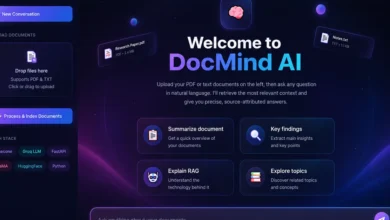
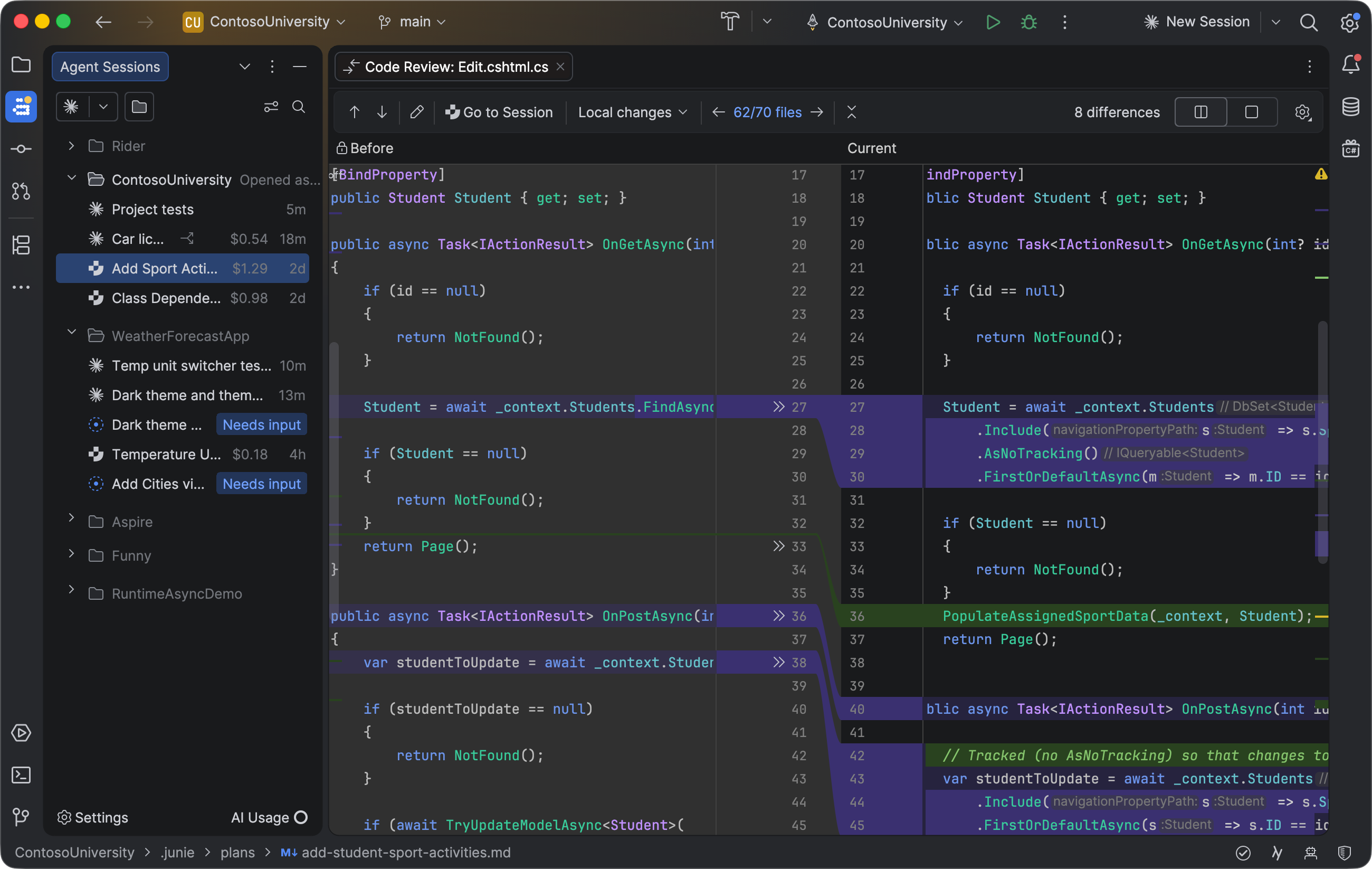
In Rider 2026.3, the JetBrains Air window serves as a command center for these agents. The interface allows developers to define a task, permit the agent to interact with multiple files—such as .cshtml.cs pages or complex controller logic—and observe the agent as it iterates through code modifications. By enabling agents to perform unit tests and verify the integrity of their output, JetBrains is moving to address the "hallucination" issues common in earlier iterations of AI coding assistants. This functionality is accessible directly from the new Welcome screen, allowing developers to initialize an agentic session before even loading a full solution, thereby reducing the overhead of context switching.

Advancements in C#15 and .NET 11
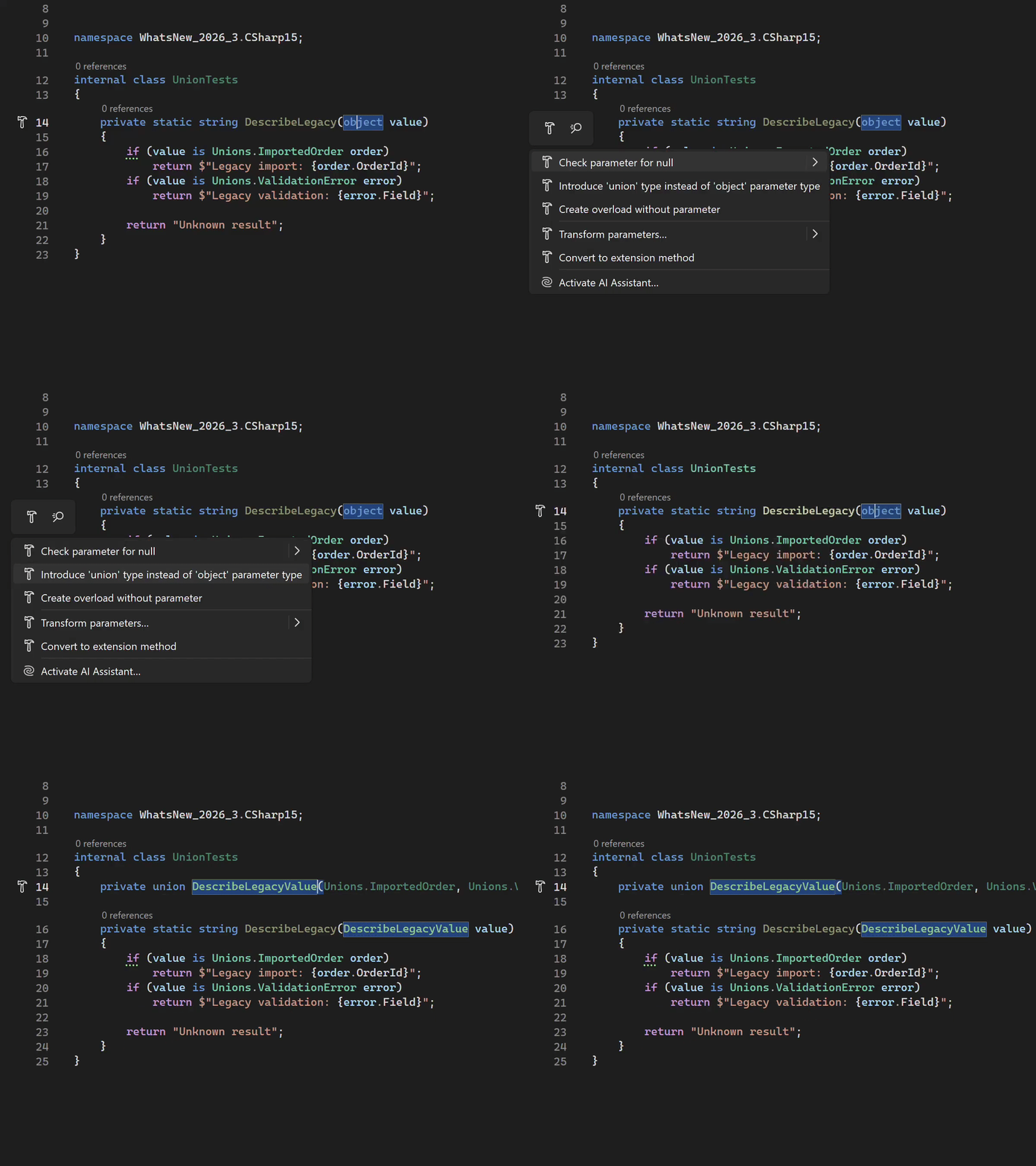
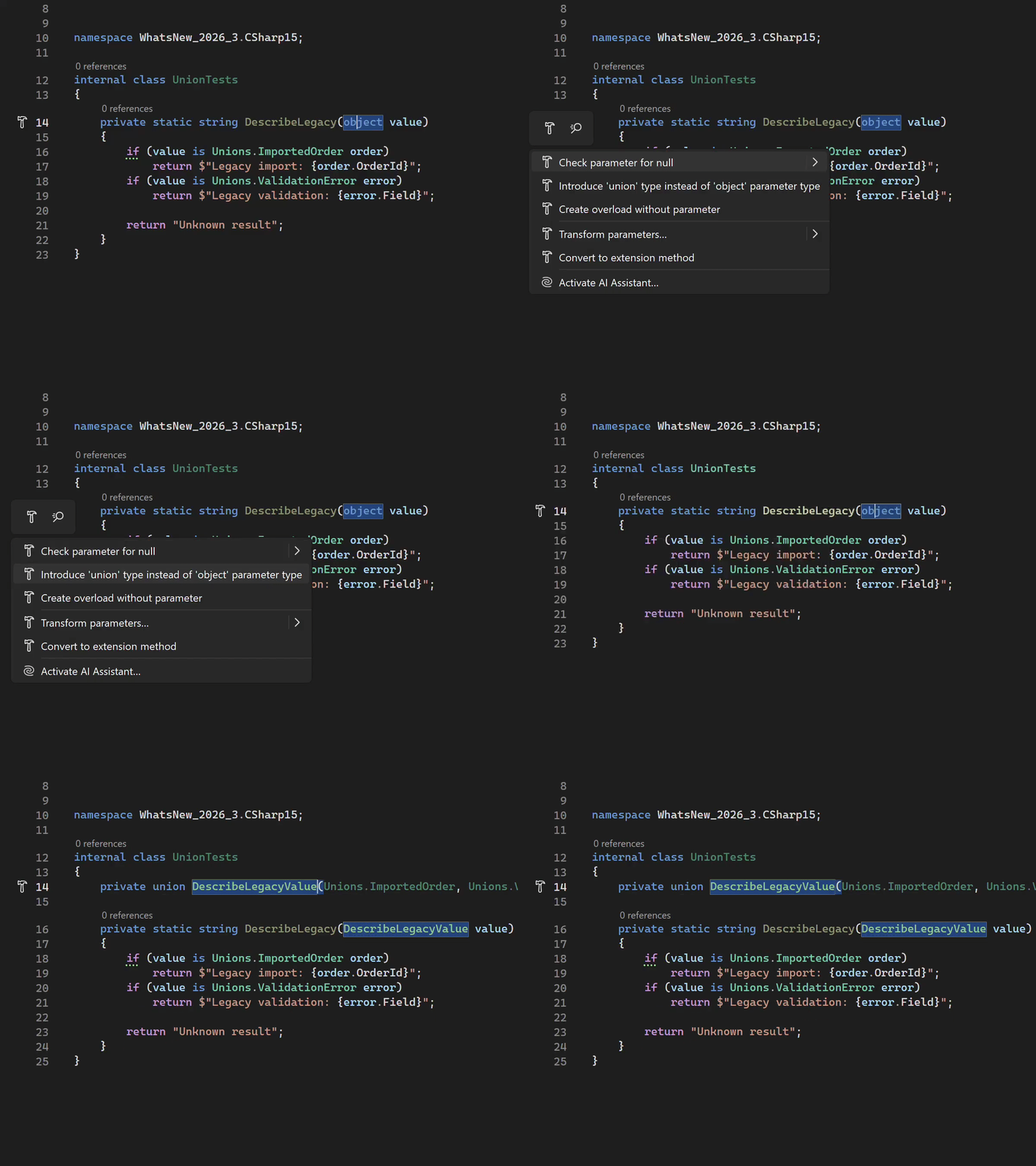
The adoption of C#15 brings a series of language features designed to increase code safety and readability. Rider 2026.3 provides out-of-the-box support for these features, which include union types, closed hierarchies, and enhanced extension indexers.
The inclusion of union types is particularly noteworthy for developers building complex domain models. By allowing a value to be one of several different types, union types can eliminate the need for verbose boilerplate code typically required for pattern matching. Furthermore, the debugger in Rider 2026.3 has been re-engineered to support .NET’s new Runtime Async, a critical improvement for developers working on high-concurrency, cloud-native applications. This allows for deeper inspection of asynchronous call stacks, reducing the time required to diagnose deadlocks and race conditions in production-level code.
Scaling AI Skills and MCP Integration
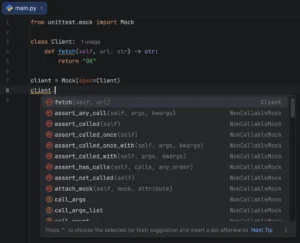
Rider’s AI-driven capabilities have been expanded through the integration of the Model Context Protocol (MCP). This standard enables the IDE to communicate with external data sources and tools more effectively. In practice, this means that agents in Rider 2026.3 can now execute tests independently, analyze test results, and self-correct if a test fails.

Beyond automated testing, JetBrains has introduced support for managing Git worktrees. By allowing developers to copy local project configurations into parallel worktrees, Rider 2026.3 enables a more fluid workflow for code reviews and concurrent branch development. These AI-driven skills are designed to automate repetitive administrative tasks, allowing developers to focus on architectural decision-making and business logic.
Impact on the Game Development Sector
Game development remains a core pillar of the Rider user base, and version 2026.3 delivers significant improvements for engine-specific workflows. With the growing popularity of the Godot engine, JetBrains has implemented professional-grade debugging support that works seamlessly for both GDScript and C# (.NET) workflows.
A notable feature for Godot developers is the ability to display a real-time scene preview directly within the IDE. This reduces the friction between the code editor and the game engine, allowing developers to see the visual results of their logic changes without constant context switching. Additionally, the update includes new plugins for Lua and Verse—a language growing in prominence within the Unreal Engine ecosystem—and improvements to the C++ debugger. The inclusion of Natvis support ensures that developers can inspect complex game engine data structures with greater clarity, while command-line argument presets streamline the process of launching multiple test environments for performance tuning.
Analytical Overview: The Implications for the Industry
The release of Rider 2026.3 underscores a fundamental shift in the role of the Integrated Development Environment. Traditionally, an IDE was viewed as a passive tool—a collection of editors, compilers, and debuggers. However, the integration of JetBrains Air and the emphasis on agentic skills signal that the IDE is evolving into an active participant in the software development lifecycle.
From a market perspective, this shift is a response to the increasing complexity of modern software. As .NET 11 introduces more sophisticated runtime capabilities, the burden on developers to maintain performance and security increases. By automating testing through the MCP and simplifying complex language features like C#15 unions, JetBrains is effectively lowering the barrier to entry for adopting new, high-performance features.
Furthermore, the focus on game development tools highlights the diversification of the .NET ecosystem. By providing first-class support for engines like Godot, alongside existing support for Unity and Unreal, JetBrains is positioning Rider as the primary environment for cross-platform game development. This is a strategic move to capture market share from specialized game development environments that often lack the robust enterprise-grade refactoring and static analysis tools provided by the JetBrains suite.
Official Response and Community Engagement
In the wake of the release, the development community has responded with interest toward the agentic features. JetBrains has emphasized that the goal of these tools is to augment, rather than replace, the developer. By providing transparency into the agent’s actions—demonstrated by the visual differences shown in the agentic session window—the company aims to build trust in AI-generated code.
JetBrains encourages users to participate in the ongoing refinement of these tools by providing feedback via their official channels on X and Bluesky. This community-driven approach has historically been a cornerstone of the company’s development philosophy, ensuring that the IDE evolves in alignment with the practical, daily needs of software engineers.
Conclusion
Rider 2026.3 is a comprehensive update that addresses both the immediate needs of .NET 11 developers and the long-term trends of AI-integrated programming. By combining deep language support with a robust framework for agentic workflows, JetBrains has provided a toolset that is both technically advanced and practically efficient. As the industry continues to move toward more automated, agent-based development cycles, the features introduced in this version are likely to become standard requirements for professional software development environments. Developers are encouraged to visit the official "What’s New" documentation to explore the full technical specifications and begin migrating their projects to take advantage of the latest advancements in the .NET ecosystem.