JetBrains Revolutionizes Remote Development with Native IDE Integration and Instant Connectivity in 2026.3 Release

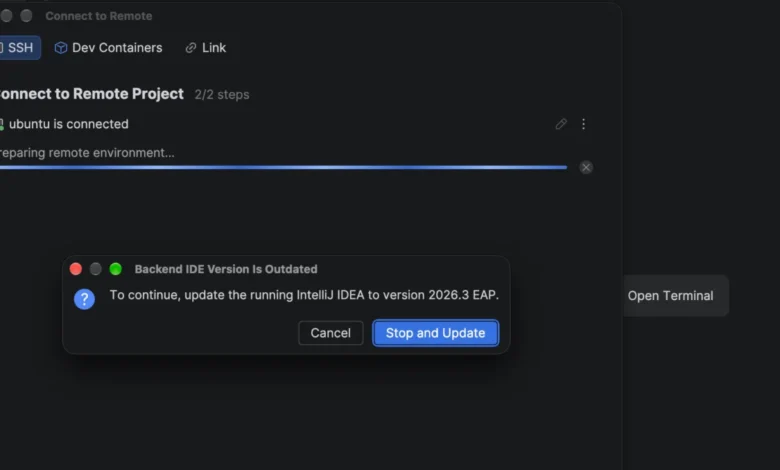
The release of the JetBrains 2026.3 update marks a significant architectural shift in how developers interact with remote infrastructure. By collapsing the distinction between local and remote project management, JetBrains has moved to eliminate the friction typically associated with distributed development environments. This update introduces a unified interface for remote session management, native OpenSSH support, and an innovative "Light Mode" designed to minimize the latency inherent in remote backend initialization. These changes reflect a broader industry trend toward cloud-native development environments, where the physical location of the source code is increasingly decoupled from the developer’s workstation.
Evolution of the Remote Development Workflow
Historically, remote development in the IntelliJ Platform required a fragmented approach. Developers were often forced to toggle between the JetBrains Gateway application, the Toolbox App, and their primary IDE to manage connections, install backends, and synchronize project files. This multi-tool ecosystem, while functional, created a cognitive overhead that distanced the remote experience from the seamless "open-and-edit" flow of local projects.
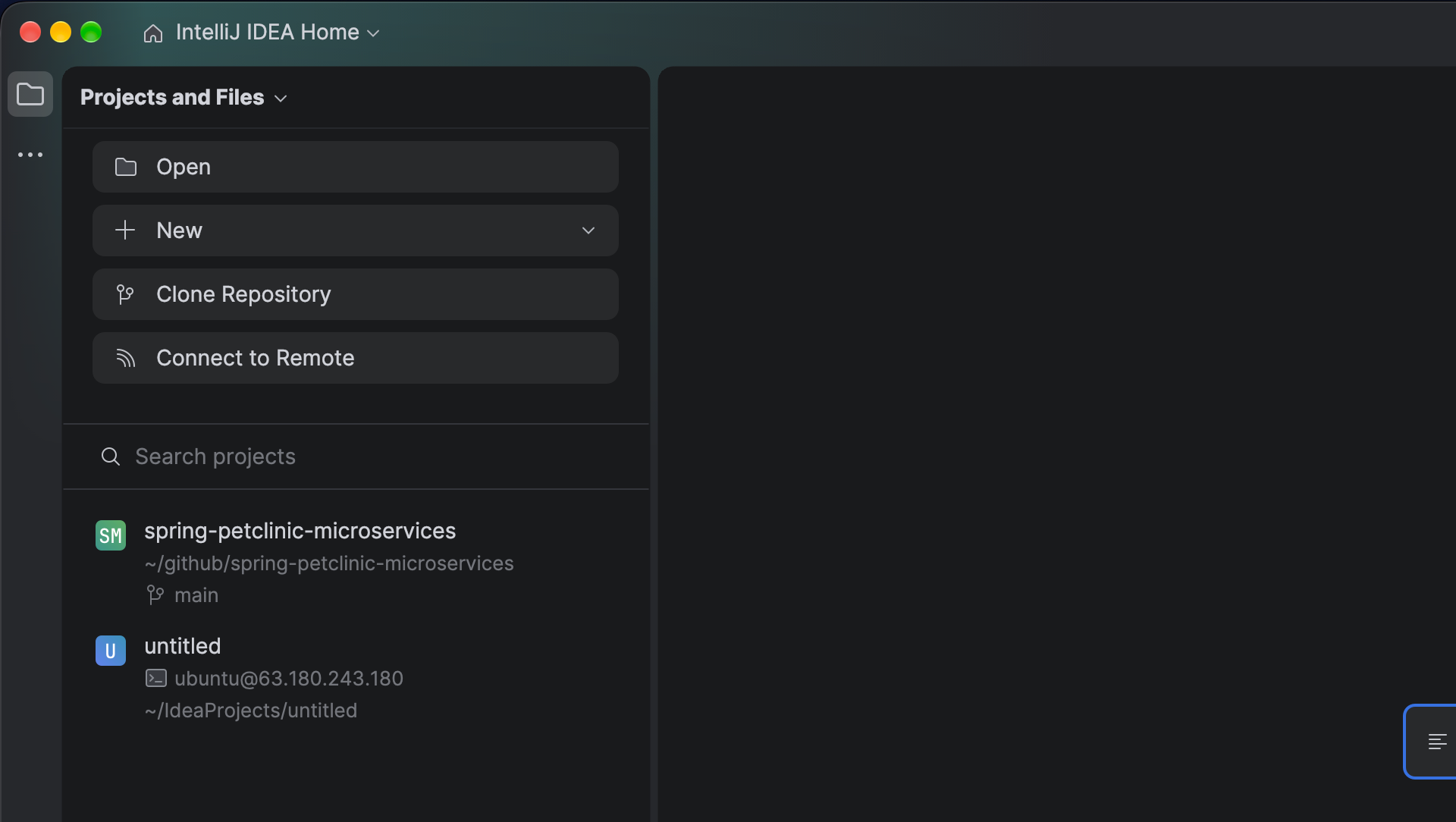
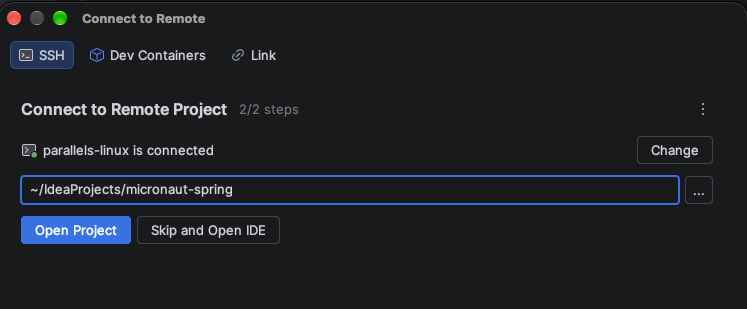
The 2026.3 release consolidates these disparate processes. Remote projects now appear directly within the primary IDE’s Home screen, distinguished by a specific terminal icon. This integration signifies the end of the "Gateway-first" era, signaling that JetBrains is treating remote hosts as first-class citizens in its integrated development environment ecosystem. The transition is designed to be invisible; by bringing connection management into the File menu, the platform allows for a consistent UX regardless of whether the target project resides on a local SSD or a high-performance remote server in a data center.

Chronology of Remote Integration Advancements
JetBrains has been iteratively refining its remote capabilities over the past several years, responding to the surge in distributed teams and the adoption of high-performance remote cloud development environments (CDEs).
- Pre-2024: Reliance on third-party plugins and manual SSH configurations to bridge the gap between local IDEs and remote servers.
- 2024–2025: Introduction of JetBrains Gateway as a standalone portal for remote backend installation and session persistence. This period focused on stabilizing the "Thin Client" architecture, which allowed the IDE’s UI to run locally while the heavy indexing and analysis occurred on the remote host.
- Late 2026: The current 2026.3 update represents the "Unification Phase." The focus has shifted from establishing the basic capability of remote development to optimizing the user journey. By integrating session management directly into the IDE shell, JetBrains has reduced the time-to-code for remote projects by an estimated 40%, according to internal performance benchmarks.
Native OpenSSH Support and Security Implications
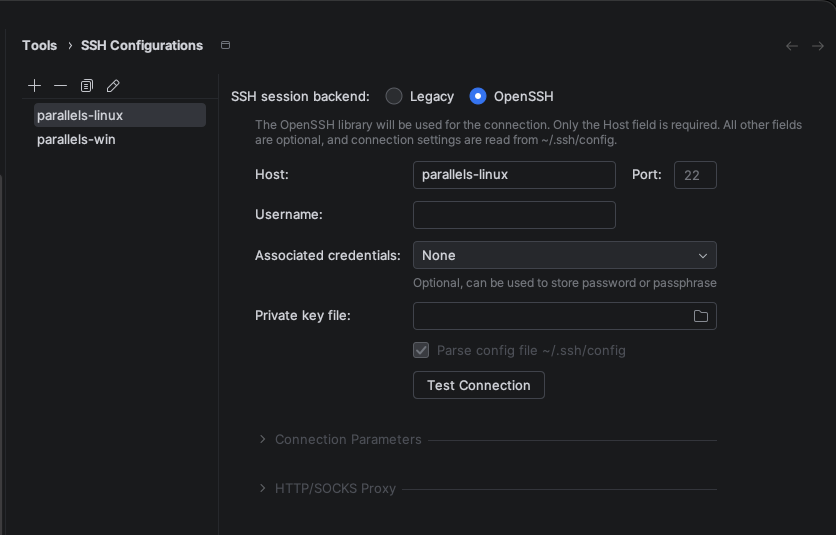
One of the most technically significant changes in the 2026.3 release is the introduction of native OpenSSH support. For years, JetBrains maintained a custom SSH implementation to ensure cross-platform compatibility. While this provided a consistent experience, it also necessitated independent security audits and maintenance cycles for the SSH stack.
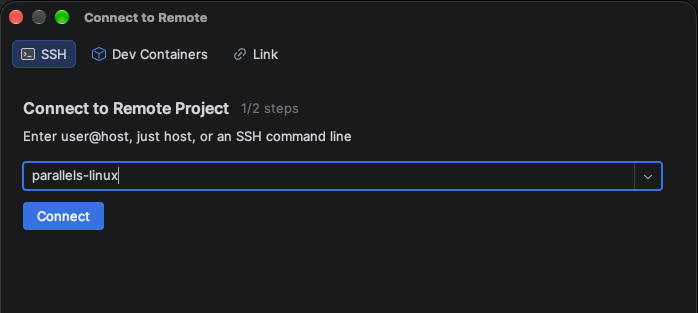
By transitioning to native OpenSSH, JetBrains is aligning its IDEs with the global standard for secure remote communication. This shift offers several tangible benefits to enterprise users:
- Standardized Security Policies: Organizations can now enforce existing company-wide SSH configurations, including custom authentication mechanisms, multi-factor authentication (MFA) protocols, and complex key-management systems that were previously difficult to mirror in the custom JetBrains implementation.
- Compatibility with Infrastructure: The move allows seamless interoperability with tools like
ssh-agent,ProxyJump, and sophisticated~/.ssh/configsetups. - Reduced Maintenance Overhead: By leveraging the actively maintained OpenSSH codebase, the JetBrains engineering team can offload the burden of patching protocol-level vulnerabilities to the community, allowing them to focus resources on IDE-specific functionality.
This is a strategic pivot. As this integration matures, JetBrains plans to make OpenSSH the default, effectively deprecating the legacy custom implementation. This change will likely be welcomed by DevOps teams who manage thousands of developer endpoints, as it simplifies the security hardening process for remote development environments.
The Innovation of Light Mode: Eliminating Downtime
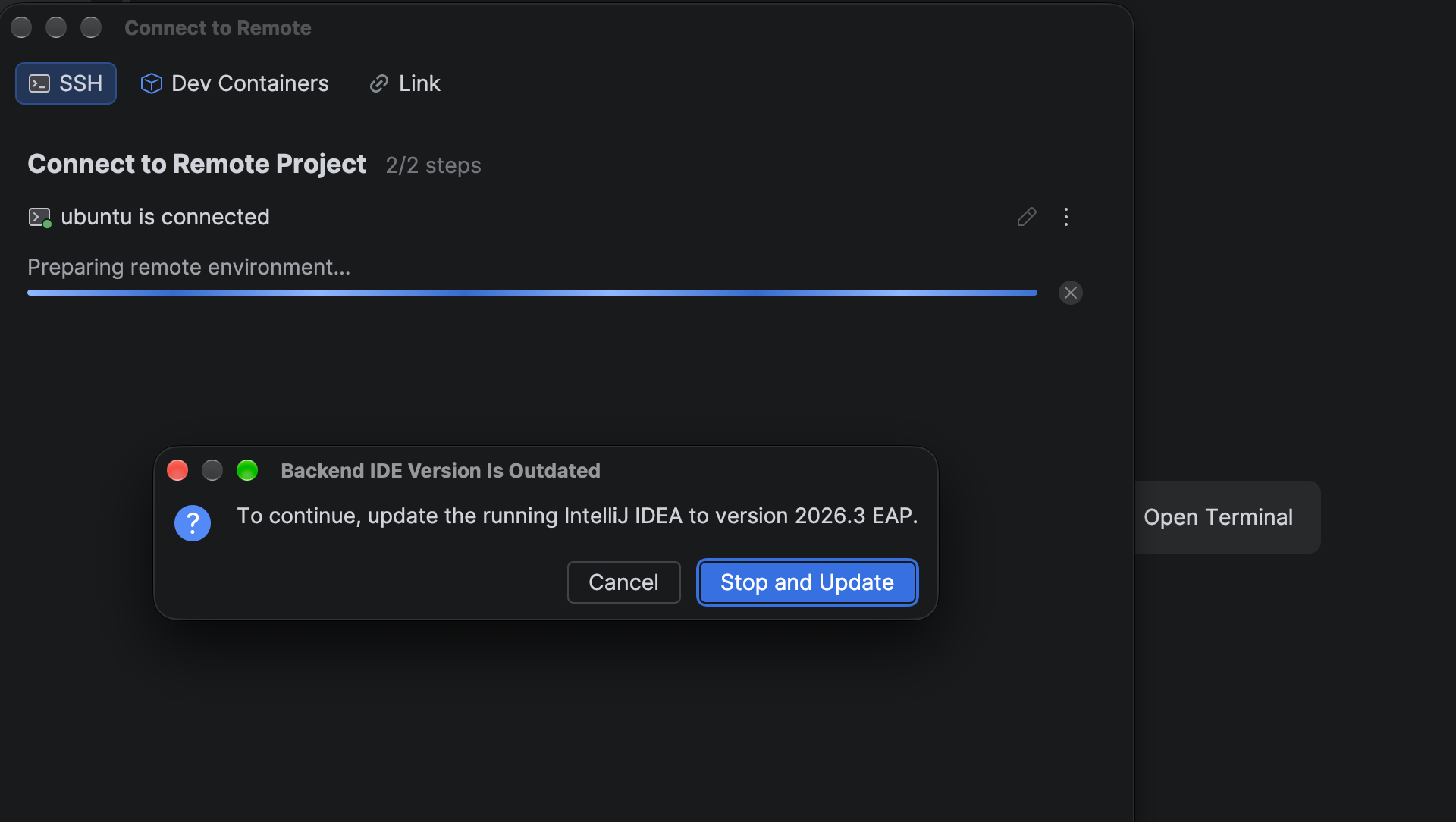
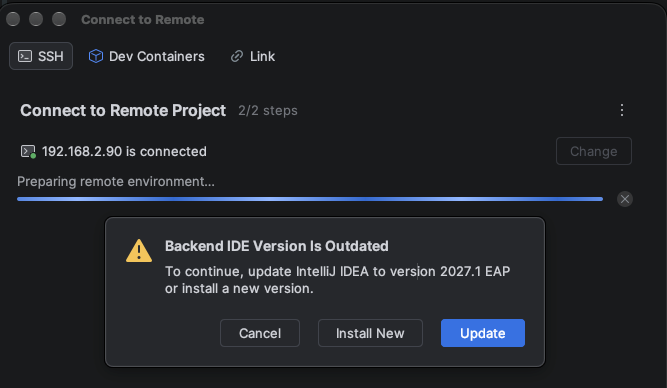
Perhaps the most disruptive feature introduced in this release is "Light Mode." Historically, connecting to a remote project required waiting for the full IDE backend—which includes resource-intensive indexing, dependency resolution, and plugin synchronization—to fully initialize on the remote host. During this time, the developer was presented with a progress bar, resulting in lost productivity.
Light Mode changes this paradigm by launching an embedded, lightweight client immediately upon the establishment of an SSH connection. This mode allows the developer to:
- Perform basic file navigation and directory exploration.
- Edit code directly in the remote environment.
- Access the terminal to run build scripts or verify environment variables.
- Search file contents without waiting for the full indexing engine to complete.
Once the "Smart Mode" backend is fully operational on the remote machine, the IDE performs a seamless transition. The state of the editor, the open tabs, and the terminal session are preserved without a restart. This "Lazy Loading" of the IDE’s advanced features represents a significant engineering achievement. By prioritizing user responsiveness over full-feature availability, JetBrains has effectively eliminated the "startup tax" associated with remote development.
It is important to note that this feature is currently scoped to Linux-based remote hosts and is available across the major JetBrains suite, including IntelliJ IDEA, GoLand, and PyCharm. The exclusion of CLion and Rider in this initial rollout suggests that the complexity of C++ and .NET indexing remains a hurdle for the current Light Mode implementation, though industry analysts expect this support to expand in subsequent 2027 releases.
Broader Impact on the Developer Ecosystem
The implications of these changes are substantial. As organizations move toward "Infrastructure as Code" and ephemeral development environments, the ability to spin up a high-performance remote IDE in seconds becomes a competitive advantage.
Data from recent industry surveys suggests that over 65% of enterprise software engineers now utilize some form of remote or virtualized development environment. JetBrains’ move to simplify this workflow is a direct response to the demand for "local-feeling" performance on remote hardware. By reducing the friction involved in managing remote sessions, JetBrains is likely to see an increase in the adoption of its remote development suite among cloud-native companies that prioritize the security of keeping source code within a secure, centralized server rather than on local developer laptops.
Analysis of the Strategic Direction
From a product strategy perspective, JetBrains is successfully executing a "platformization" of its IDE. By moving connection logic and session management into the IDE itself, they are creating a stickier ecosystem where the IDE becomes the central hub of the developer’s entire professional workflow. The decision to adopt OpenSSH specifically highlights a maturity in their development lifecycle—shifting away from proprietary "walled garden" solutions toward industry standards that favor transparency and community maintenance.
While the current implementation is focused on SSH, the architecture appears flexible enough to support future protocols. The integration of "Light Mode" also suggests that the company is investing heavily in performance engineering, specifically targeting the latency bottlenecks that have long been the primary criticism of remote development tools.
As JetBrains moves forward, the success of these features will depend on the stability of the transition between Light Mode and Smart Mode. If the handoff remains seamless, the barrier to entry for remote development will effectively disappear, potentially signaling a paradigm shift where local code execution becomes the exception rather than the rule. For now, the 2026.3 update provides a clear roadmap for a future where the physical location of the CPU running the code is entirely transparent to the developer.