The Twilight of X11: Eight Open-Source Projects Fighting to Keep the Legacy Display Protocol Alive

The Linux desktop ecosystem is undergoing a fundamental architectural shift as major distributions and desktop environments transition away from the X Window System (X11) in favor of the Wayland display protocol. For decades, X11 served as the backbone of graphical computing on Unix-like operating systems. However, its aging codebase, which originated in the mid-1980s, has increasingly struggled to meet the demands of modern high-refresh-rate monitors, multi-GPU configurations, and stringent security requirements. As KDE Plasma 6.7 prepares to drop native X11 support and GNOME completes its migration to Wayland-exclusive sessions, the industry has reached a critical turning point. While Xwayland provides a bridge for legacy applications, the underlying Xorg server is being systematically deprecated. Yet, the open-source community is not ready to let X11 fade into history, with several ambitious projects emerging to maintain, fork, or entirely rewrite the protocol’s infrastructure.

The Chronology of a Paradigm Shift
The transition from X11 to Wayland is not a sudden event but the culmination of a decade-long migration. The Wayland protocol was first introduced in 2008 by Kristian Høgsberg, intended as a simpler, more secure, and efficient alternative to the complex Xorg architecture. Throughout the 2010s, Wayland gained traction as a compositor-based model, where the display server and window manager are unified.
By 2020, major distributions like Fedora began defaulting to Wayland for GNOME sessions. The inflection point arrived in 2024 and 2025, as the maintenance burden of Xorg—a monolithic and increasingly difficult-to-patch codebase—became unsustainable for core developers. With the release of KDE Plasma 6, the decision to formalize the end of X11 support signaled to the ecosystem that the era of Xorg was drawing to a close. Despite this, the reliance on X11 remains high, particularly within specialized industries, legacy enterprise software, and niche window management environments that rely on specific X11 extensions.

Analysis of the Architectural Divide
The core conflict lies in the fundamental difference between the two systems. X11 operates on a client-server model where the X server acts as a middleman for every input and output event, leading to significant overhead and security vulnerabilities. Wayland eliminates this middleman, allowing the compositor to communicate directly with the kernel and the client applications. While this enhances performance and security, it breaks compatibility with applications that rely on X11-specific features like screen scraping, global key capturing, or specific window management hooks. The projects listed below represent a defensive maneuver by developers who view the loss of X11 not merely as a technical inconvenience, but as a reduction in user autonomy and system transparency.
The Preservationists: Desktop Environments and Compositors
1. SonicDE: The KDE Fork
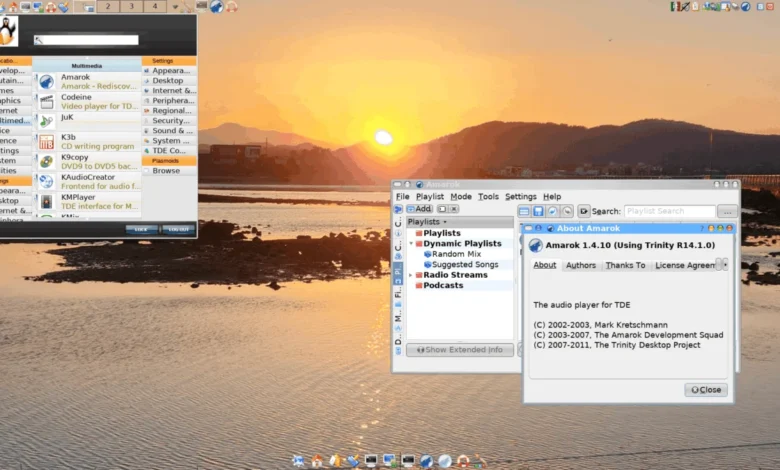
SonicDE represents a significant effort to preserve the Plasma experience on X11. Originating as a series of patches for KWin, the project has evolved into a standalone environment. By stripping away Wayland-specific code paths from the KDE codebase and integrating custom window management logic, SonicDE offers a bridge for users who prefer the traditional X11 workflow. Its development roadmap includes a Vulkan backend, demonstrating that even legacy-focused projects are looking toward modern rendering APIs to maintain hardware compatibility.
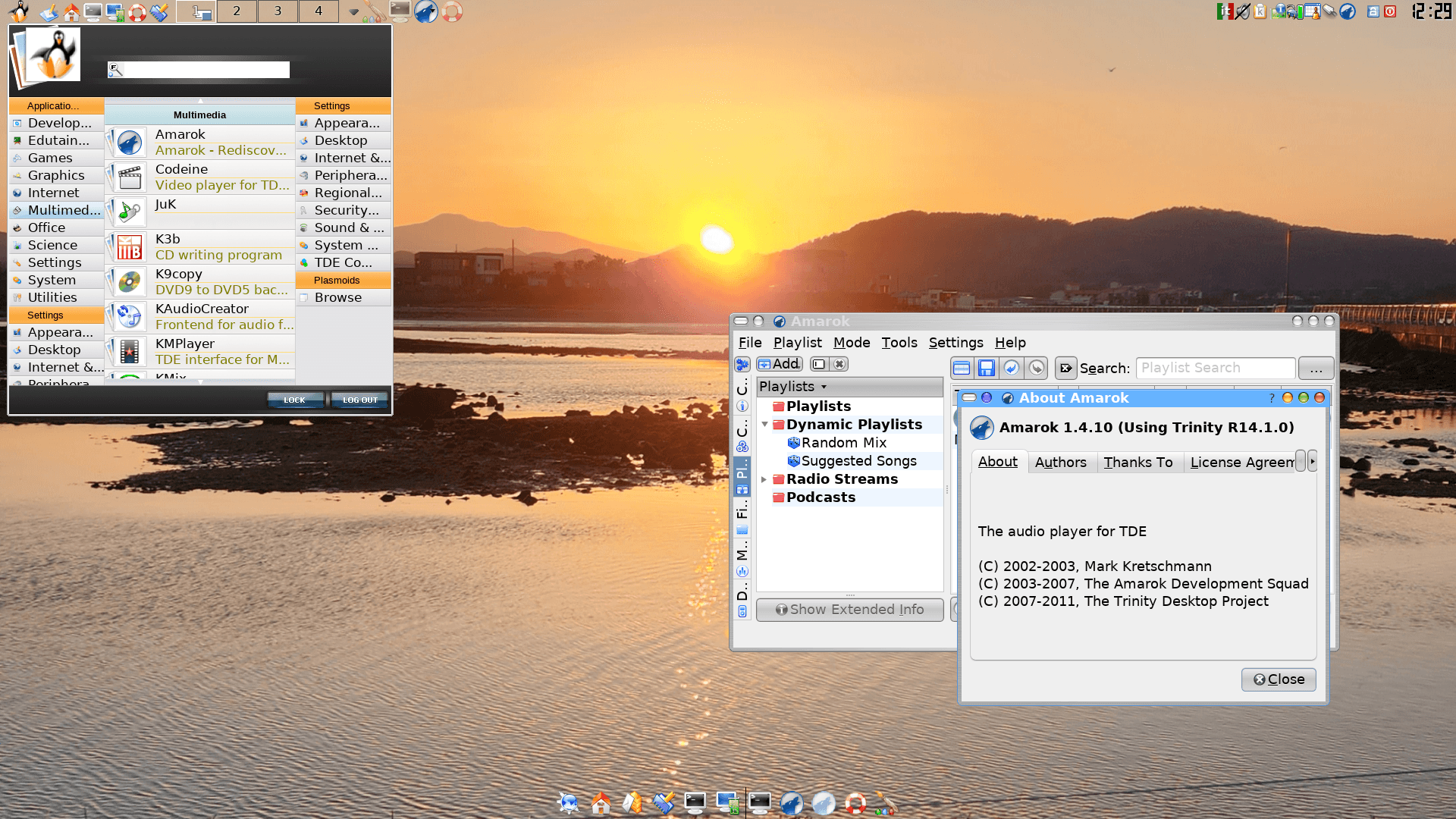
2. Trinity Desktop Environment (TDE)
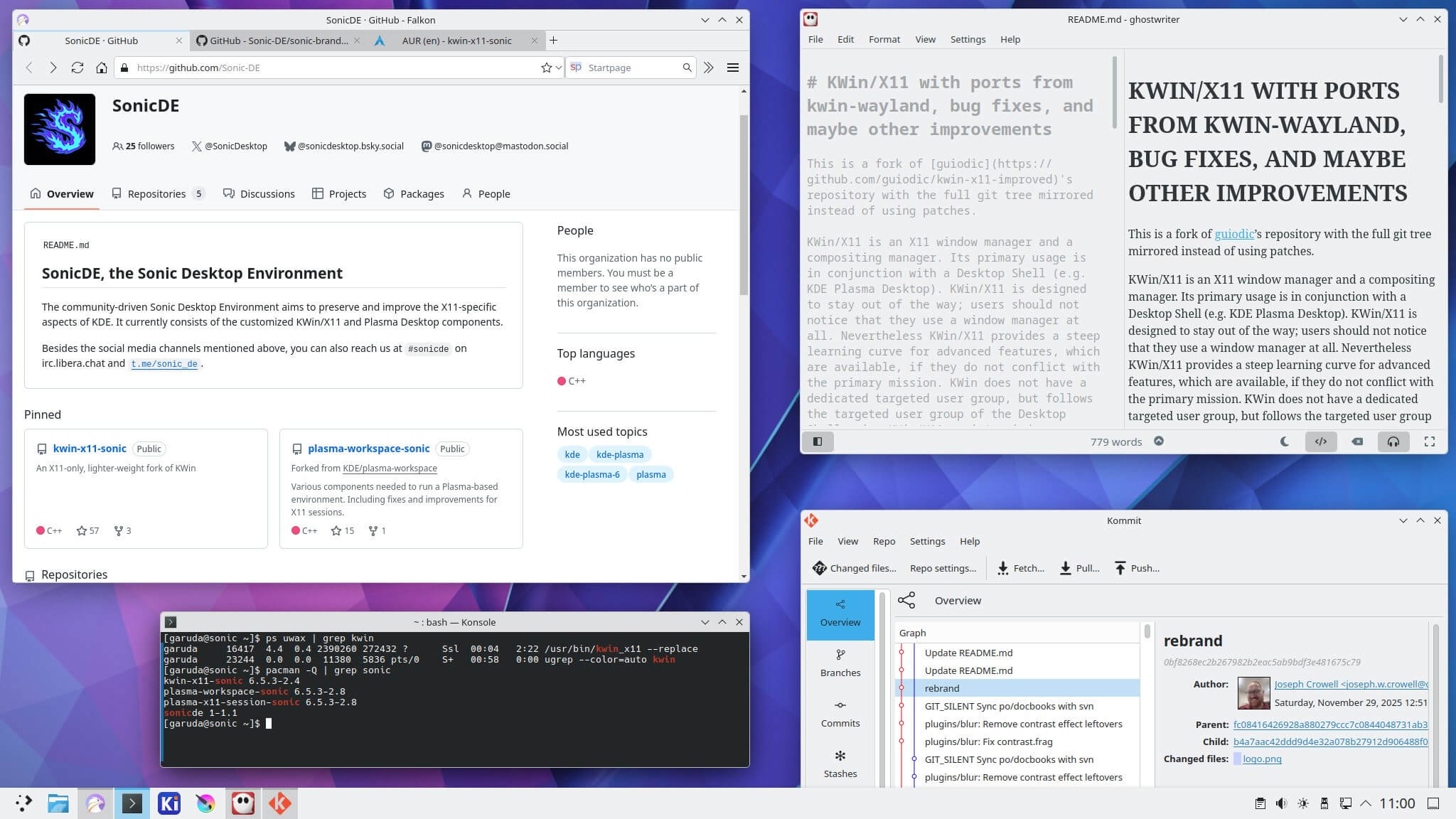
TDE is perhaps the most resilient project in this space, acting as a direct continuation of the KDE 3.5 codebase. Unlike modern desktop environments that have integrated Wayland support, TDE remains strictly tethered to X11. Its longevity—maintained through regular maintenance releases—proves that there is a dedicated user base for "classic" desktop paradigms that prioritize stability and low hardware overhead over the rapid release cycles of modern GNOME or KDE.
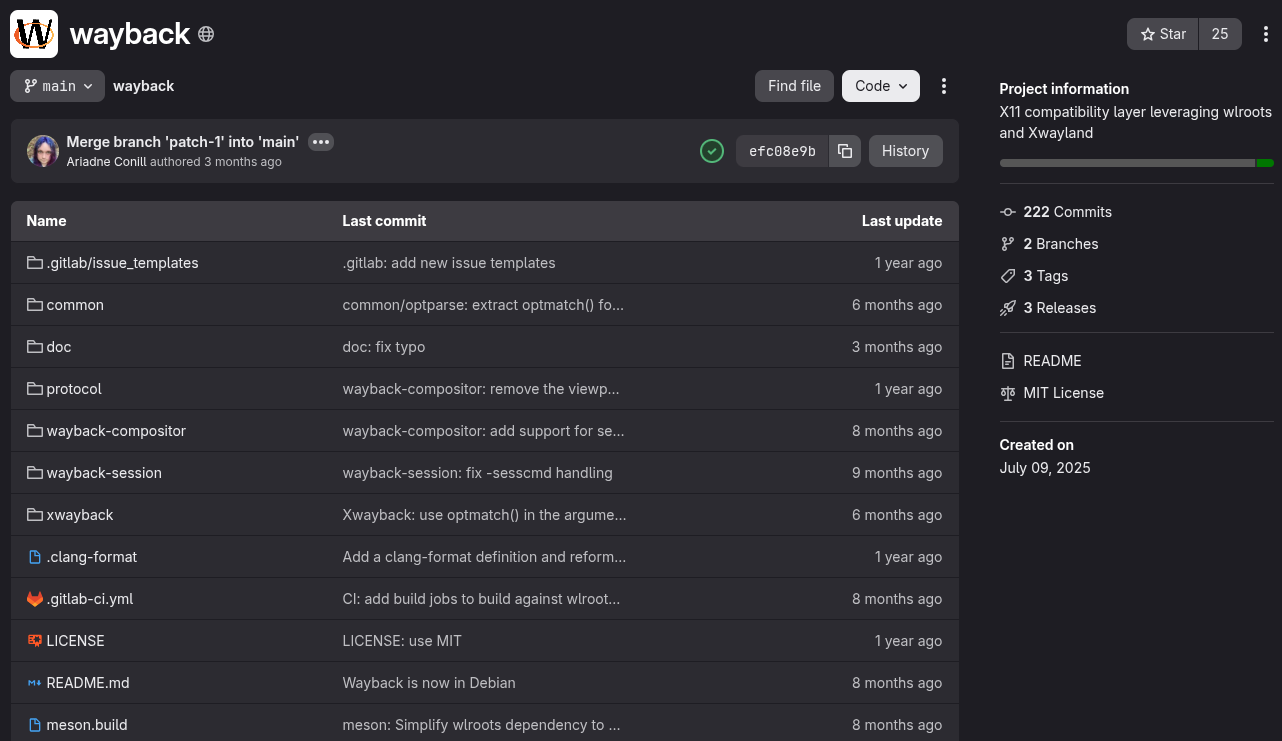
3. Wayback: The Wayland-to-X Bridge
Wayback takes a paradoxical approach: it uses Wayland to keep X11 alive. By acting as a minimal Wayland compositor that hosts an entire X11 desktop environment via Xwayland, Wayback allows users to run legacy setups on modern hardware. This approach is favored by Alpine Linux and other minimal-footprint distributions, as it replaces the heavy Xorg binary with a modern, lightweight Wayland wrapper, effectively decoupling the X11 environment from the deprecated Xorg server.
The Rebuilders: X Servers and Implementations
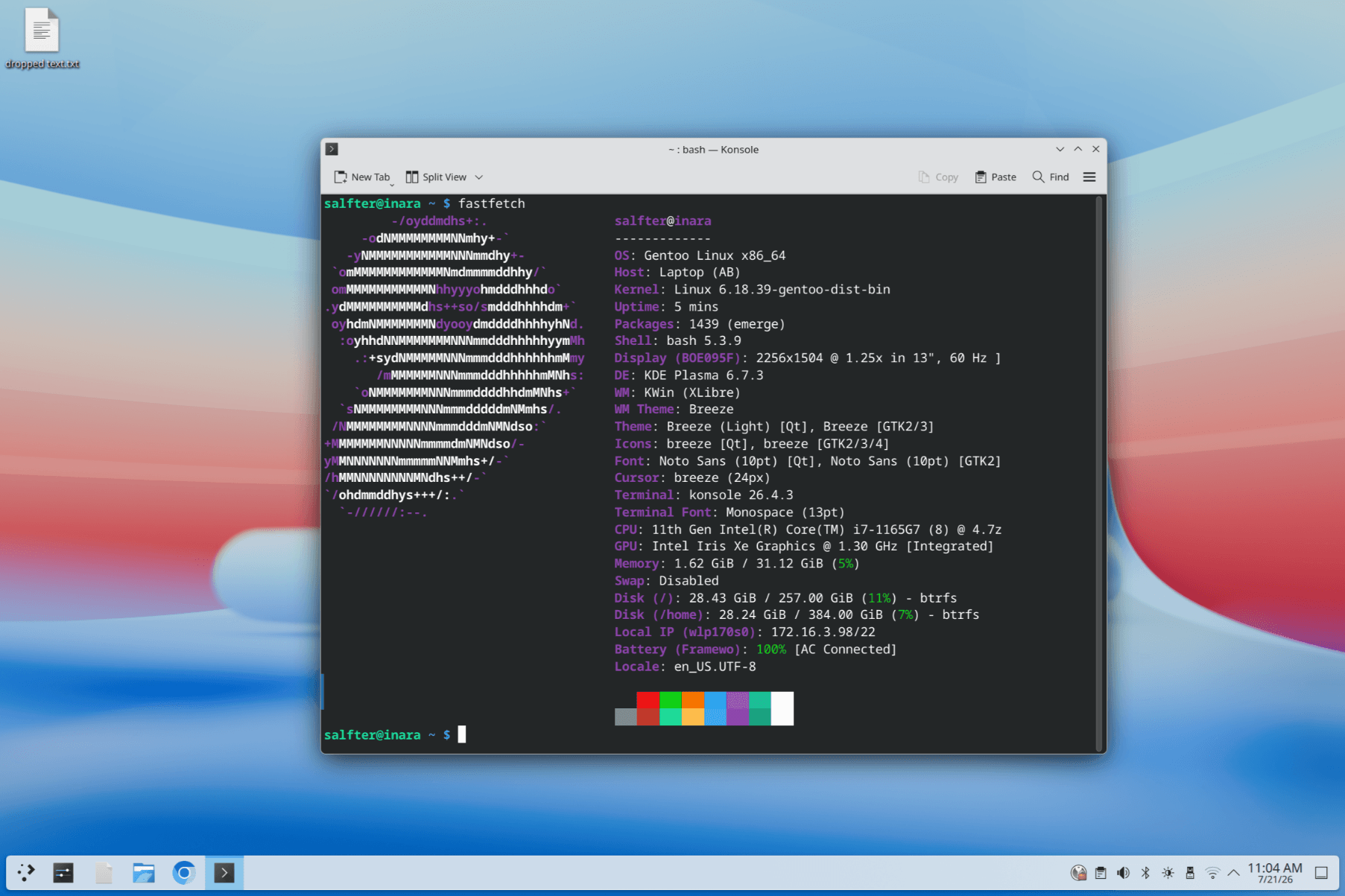
4. XLibre: The Xorg Successor
XLibre is a community-driven fork of the X.Org Server that aims to formalize the maintenance of the codebase. It does not attempt to reinvent the wheel but rather to provide a stable, long-term support version of X11 that includes modern features like "TearFree" modesetting and improved seat management. By avoiding the architectural changes of Wayland, XLibre ensures that hardware and software requiring X11 can function indefinitely on current kernel standards.
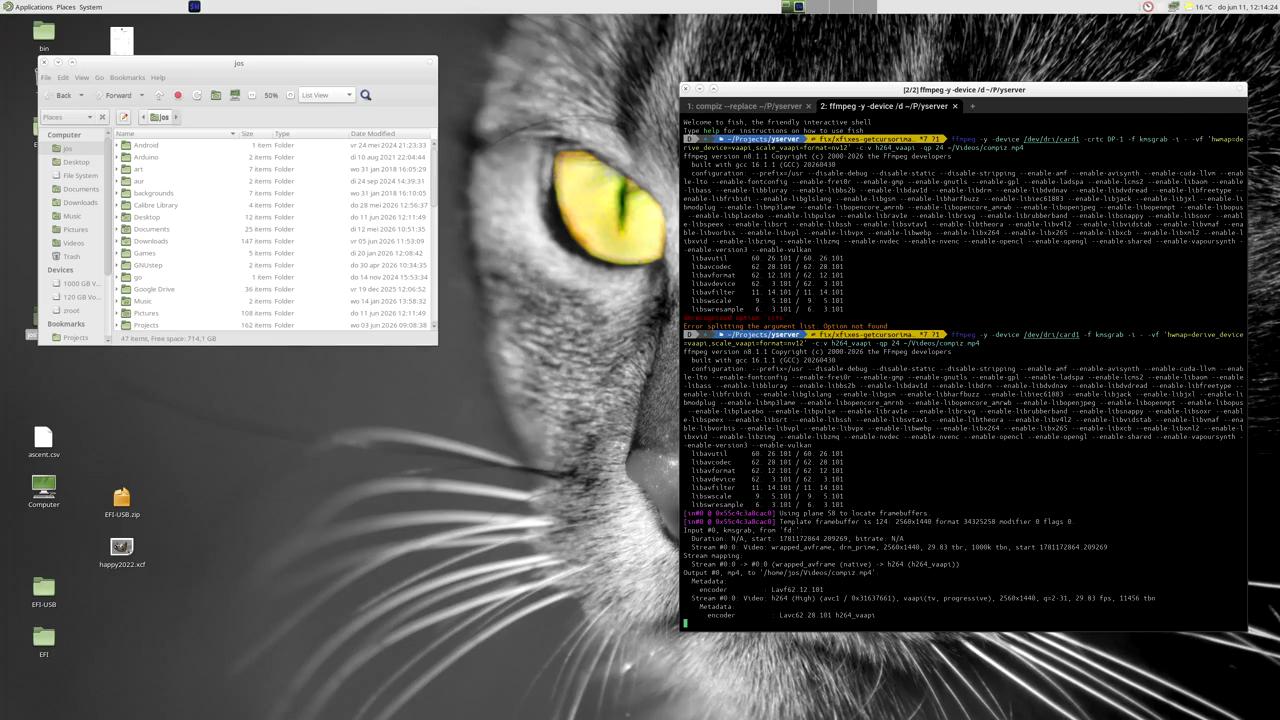
5. yserver: Rust-Based Modernization
In an attempt to solve the security and complexity issues of Xorg, yserver is a complete rewrite of an X server in Rust. Rust’s memory-safe guarantees make it an ideal candidate for replacing the C-based Xorg server. While yserver does not implement the entire X11 specification—skipping less-used features like indirect GLX—it is functional enough to run common desktop environments like Xfce and MATE, marking a significant milestone in modernizing legacy protocol implementations.
6. XQuartz: The macOS Integration
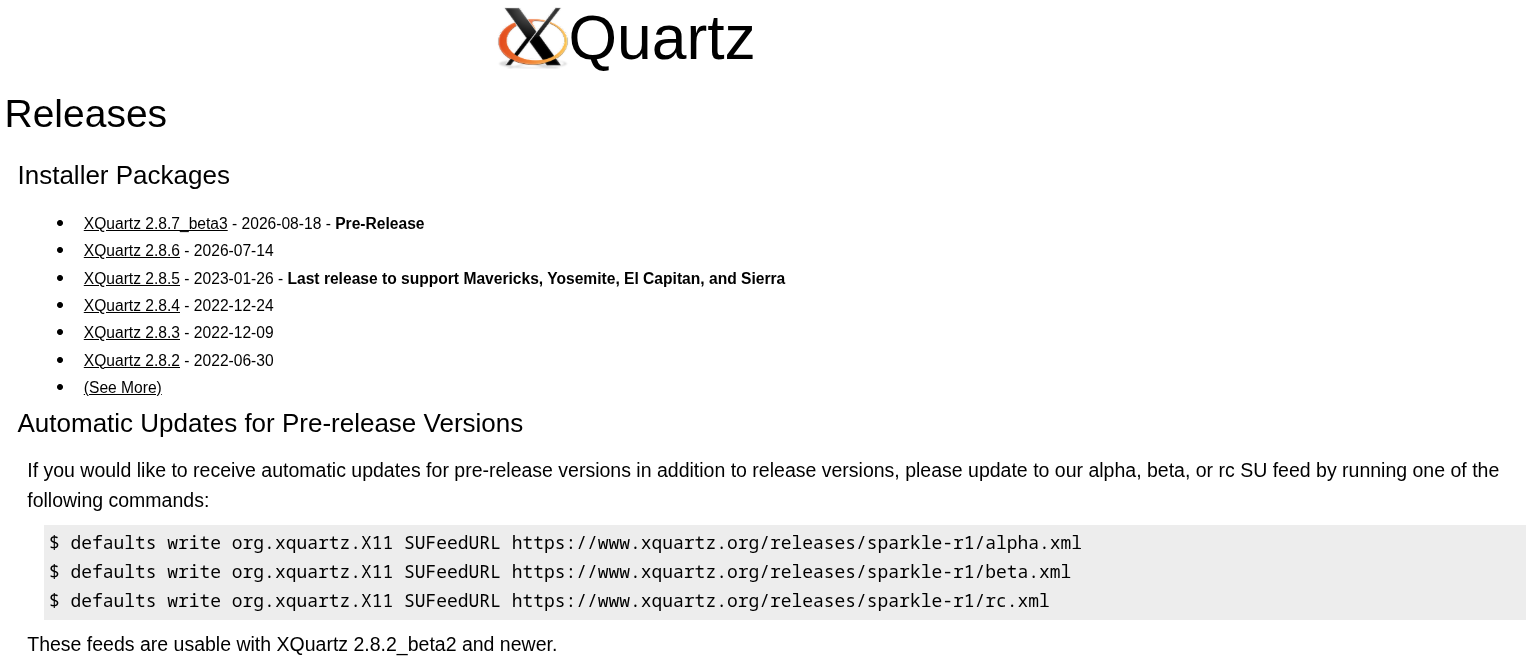
While not a Linux-native project, XQuartz remains vital for the broader Unix-like ecosystem. It bridges the gap between macOS and X11 applications, ensuring that graphical software built for X11 remains accessible to Mac users. Its recent updates, particularly those addressing Apple Silicon compatibility, underscore the project’s importance in maintaining cross-platform interoperability.
7. Phoenix: The Zig-Based Minimalist
Phoenix represents the "clean-room" approach. Written in Zig, it focuses on building a secure, performant, and simplified version of the X11 protocol. By isolating applications and restricting clipboard access, Phoenix addresses the security concerns that led to the development of Wayland, all while maintaining the compatibility required for X11-based applications. It is an experimental project that highlights how modern programming languages can revitalize archaic protocols.
8. Frame: Assembly-Level Efficiency
Frame is the most radical entry in this list. By being written in NASM assembly and bypassing common dependencies like libc and Xlib, Frame is an exercise in extreme optimization. By communicating directly with the kernel via DRM/KMS, it provides a high-performance, low-dependency X11 server. While currently a niche project, it demonstrates the technical feasibility of running an X11 environment without the massive overhead associated with traditional display server stacks.
Implications for the Linux Ecosystem
The emergence of these eight projects indicates that the death of X11 is not a singular event, but a transition into a new phase of maintenance and specialized use. The broader impact of this shift is threefold:
First, it creates a "bifurcation of reality" for Linux users. Those who require extreme stability and legacy support will likely gravitate toward XLibre or TDE, while those seeking modern performance will move toward Wayland-native environments.
Second, the security profile of the Linux desktop is changing. Wayland’s design inherently restricts how applications can interact with one another, which is a significant improvement over the "open-access" nature of X11. However, the projects listed here are actively exploring ways to bring these security improvements into the X11 world, challenging the narrative that X11 is inherently insecure.
Finally, the maintenance burden of the Linux graphics stack remains a point of contention. By continuing to develop X11 servers, these projects are effectively choosing to manage technical debt that major distributions are unwilling to carry. While this ensures the survival of legacy workflows, it also creates a fragmented ecosystem where hardware vendors may eventually stop providing drivers for X11-based systems, potentially forcing a migration regardless of user preference.
As the industry moves toward a post-X11 future, the role of these preservationist projects will be critical. They serve as a safety net for users and enterprises whose operations rely on the specific capabilities of the X Window System. Whether these projects eventually serve as a bridge to a complete migration or a permanent home for a subset of the community remains to be seen. What is clear, however, is that the legacy of X11 is far from finished.