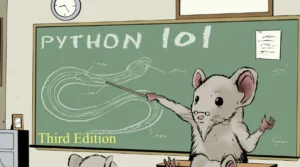
Michael Driscoll Announces Kickstarter Campaign for the Fully Updated Third Edition of Python 101

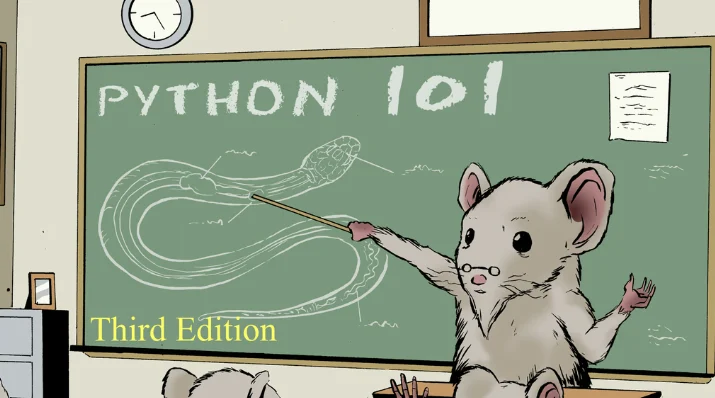
Python programming continues to maintain its status as one of the most widely adopted and fastest-growing programming languages in the world. As the ecosystem expands, the educational resources required to onboard new developers must keep pace with technological advancements. Addressing this growing demand, veteran author and software developer Michael Driscoll has officially launched a Kickstarter campaign to fund the production, writing, editing, and publication of the third edition of his acclaimed instructional book, Python 101.
For years, Python 101 has served as a foundational gateway for individuals taking their initial steps into software development. Designed specifically with novices in mind, the text aims to demystify coding for absolute beginners, academic students, career transitioners, and hobbyists alike. With the launch of the new Kickstarter initiative, Driscoll seeks to modernize the curriculum, ensuring that the updated publication reflects the modern standards, syntax evolutions, and best practices of the Python language.
The Evolution of Python and the Need for a Third Edition
Programming languages are living entities that undergo continuous refinement to improve performance, security, and developer ergonomics. Since the publication of the previous edition of Python 101, the Python Software Foundation and the broader open-source community have introduced numerous language enhancements, updated typing features, performance optimizations, and changes to standard libraries.
Consequently, instructional materials written even a few years ago risk teaching outdated paradigms. The upcoming third edition of Python 101 is designed to bridge this gap. Rather than serving as a superficial revision, the new release aims to comprehensively overhaul the curriculum. This includes updating code examples to align with modern Python conventions, incorporating contemporary troubleshooting methodologies, and streamlining explanations to enhance cognitive retention for beginner learners.
The primary objective behind the third edition is to maintain the approachable, practical, and engaging tone that previous readers have come to expect, while significantly upgrading the technical depth. By addressing modern development workflows, the book prepares readers not just to write functional code, but to understand professional software development standards from day one.
Target Audience and Accessibility in Tech Education
In an increasingly digital economy, digital literacy and programming skills have transitioned from niche technical competencies to essential workforce attributes. However, many introductory programming resources inadvertently alienate beginners by assuming prior computer science knowledge, utilizing overly academic jargon, or skipping fundamental conceptual steps.
Python 101 is explicitly structured to combat these barriers to entry. The curriculum assumes zero prior programming experience, making it accessible to a diverse demographic. The targeted readership spans multiple categories:
- Absolute Beginners: Individuals who have never written a line of code and are looking for a gentle, structured introduction to computational thinking.
- Students: High school, undergraduate, and graduate students seeking a reliable supplementary text to reinforce coursework in computer science, data analytics, or STEM fields.
- Professionals and Career Transitioners: Workers in finance, marketing, scientific research, and administration who wish to automate repetitive workflows, analyze datasets, or pivot entirely into software engineering.
- Hobbyists and Makers: Enthusiasts looking to build personal projects, interact with hardware devices like Raspberry Pi, or explore web scraping and automation scripts.
By keeping the barrier to entry low while building practical competency, the book empowers readers to transition from theoretical understanding to building functional applications.
The Rationale Behind Crowdfunding Technical Literature
The traditional publishing model for technical books often involves lengthy review cycles, strict editorial constraints, and commercial pressures that can sometimes conflict with an author’s vision for a community-driven project. In contrast, crowdfunding platforms such as Kickstarter have established a viable alternative mechanism for independent technical authors.
By utilizing Kickstarter, Driscoll enables his readership to participate directly in the production lifecycle of the book. This direct-to-consumer model ensures that the project receives the necessary financial backing to cover critical expenses, including professional copyediting, technical proofreading, layout design, cover art production, and distribution logistics.
Furthermore, community funding provides the author with the financial stability required to dedicate uninterrupted time to writing and testing code snippets. Technical writing demands meticulous attention to detail; every code example must be executed, verified, and explained clearly to prevent reader frustration. Crowdfunding mitigates the financial risk associated with independent publishing, allowing creators to prioritize quality over commercial shortcuts.
Pledge Tiers and Community Engagement
Crowdfunding campaigns for educational literature typically rely on tiered reward structures to incentivize backers at various financial commitment levels. The Kickstarter campaign for Python 101: Third Edition incorporates multiple backing options tailored to individual preferences and organizational needs.
While specific reward packages may vary depending on the pledge level, typical offerings in similar technical crowdfunding campaigns include:
- Digital copies of the book in multiple formats (PDF, EPUB, MOBI) for immediate reading across various devices.
- Physical paperback editions for readers who prefer traditional print media for studying and annotation.
- Exclusive access to updated code repositories, supplementary video walkthroughs, or exercise solutions.
- Special acknowledgments in the book’s dedication or contributor pages for early supporters and corporate sponsors.
Throughout the campaign and the subsequent writing phase, project updates will be regularly published on the Kickstarter dashboard. This transparent communication channel allows backers to track the drafting milestones, preview sample chapters, and provide feedback on specific sections, reinforcing the collaborative nature of modern technical authorship.
The Broader Impact of Quality Programming Education
The democratization of coding education has profound macroeconomic implications. As industries across healthcare, logistics, finance, and entertainment undergo digital transformation, the demand for personnel equipped with automation and data analysis capabilities continues to outpace supply. Python, owing to its readable syntax and vast library ecosystem, remains the undisputed language of choice for introducing individuals to programming concepts.
However, the quality of early educational experiences often dictates whether a novice perseveres through the initial learning curve or abandons the endeavor due to frustration. Books that successfully balance conceptual rigor with practical application play a critical role in expanding the global talent pool. By lowering the friction associated with learning to code, resources like Python 101 contribute to workforce upskilling and technical empowerment on a broad scale.
Conclusion and Next Steps for Prospective Learners
The launch of the Kickstarter campaign for Python 101 Third Edition marks an important milestone for the community of learners who have relied on Michael Driscoll’s instructional materials over the years. By updating the curriculum to reflect contemporary Python standards and funding the project through direct community support, the author ensures that the next generation of developers will have access to a reliable, modern, and comprehensive learning resource.
Technical writing thrives on the active feedback loop between authors and readers. Through this crowdfunding initiative, supporters have the opportunity not only to secure copies of the upcoming book at various pledge levels, but also to contribute directly to the realization of an upgraded educational tool.
Individuals interested in reviewing the campaign details, examining the reward tiers, or supporting the publication process can visit the official Kickstarter page for Python 101 Third Edition to participate before the campaign concludes.