Rune IDE transitions to open source under GPLv3 and introduces a novel contributor compensation model

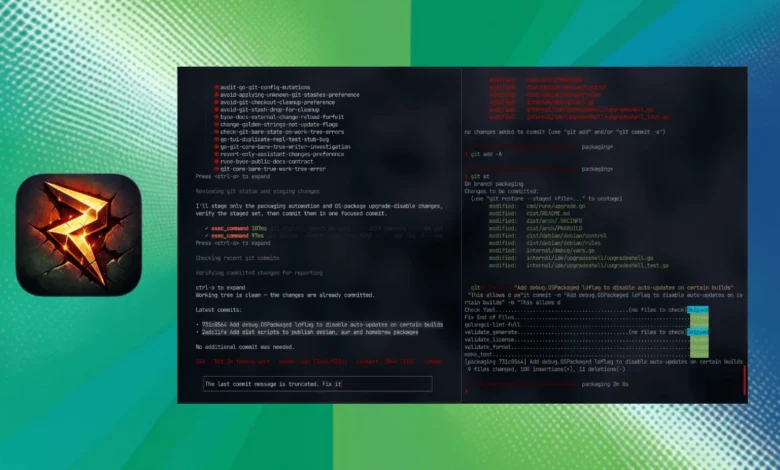
The landscape of software development tools witnessed a significant shift this week as Unstable Build LLC, the creators of the Rune IDE, announced the transition of their flagship integrated development environment to an open-source model under the GNU General Public License version 3 (GPLv3). This move, which includes making the full source code available via GitHub, marks a departure from the company’s previous proprietary software strategy. The decision is framed by the developers as an effort to ensure long-term sustainability and transparency, contrasting with the industry trend of "open-core" projects that eventually restrict licensing once they achieve widespread adoption.
A Chronology of the Transition
The evolution of Rune from a closed-source product to a community-governed project did not happen overnight. The codebase itself holds a history dating back to 2017, representing years of iterative development focused on high-performance coding environments for Linux and macOS.
In the lead-up to the open-source announcement, the engineering team at Unstable Build LLC conducted a comprehensive audit of their internal repositories. Unlike many organizations that choose to "squash" commit histories—a practice that merges years of development into a single initial commit to obscure internal processes or sensitive data—the Rune team opted to maintain the project’s full lineage. This decision allows the community to review the evolution of the software, spanning back to its inception, and provides a transparent look at the architectural decisions that have shaped the tool over the last seven years.
The final transition was solidified through a specific commit that formally applied the GPLv3 license to the codebase, effectively relinquishing exclusive proprietary control and inviting external developers to participate in the project’s future.
Contextualizing Rune IDE and Technical Performance
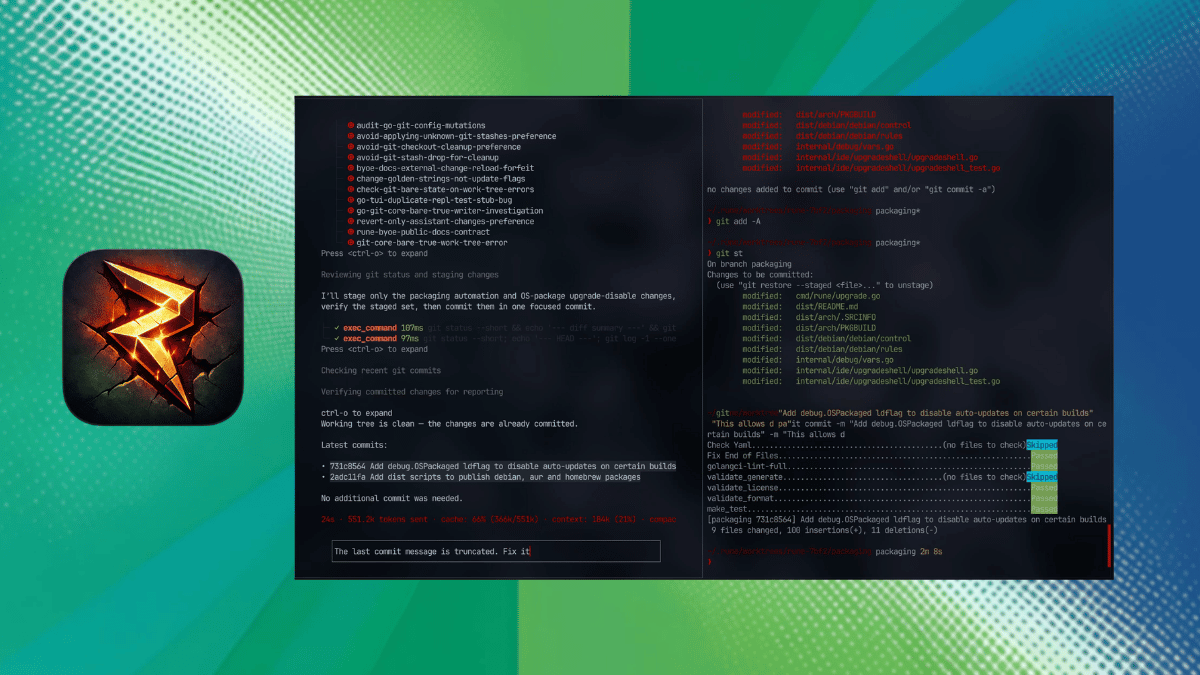
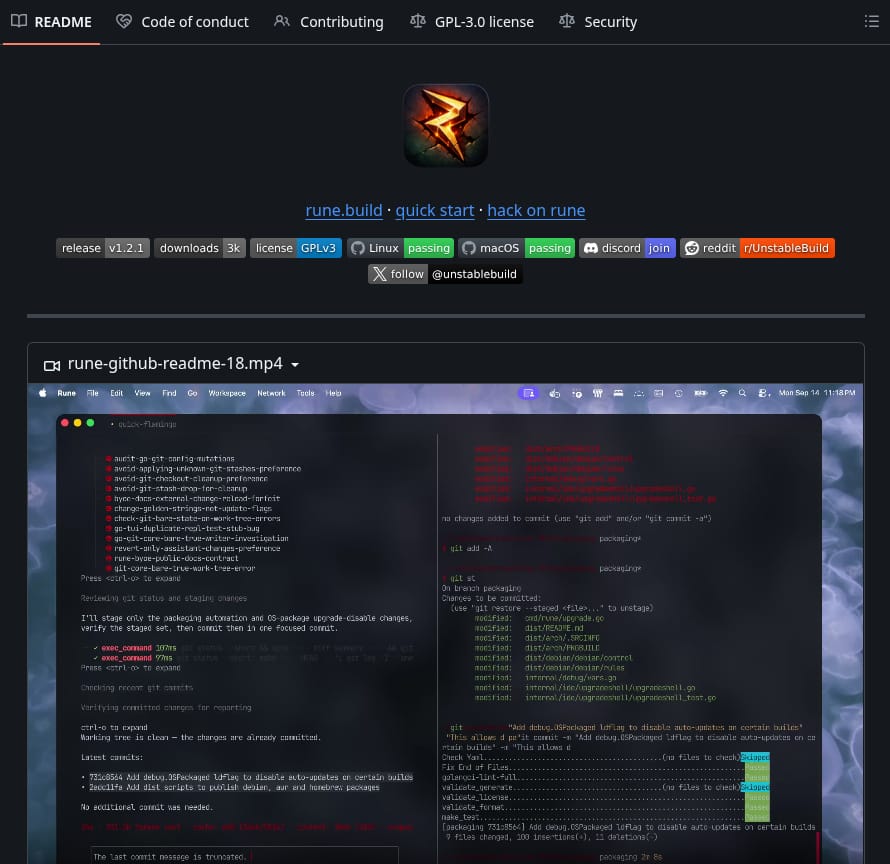
Rune is a modern IDE designed to bridge the gap between traditional code editors and terminal-based workflows. It provides an integrated environment where developers can write, debug, and execute code while running CLI tools in the same workspace. A key feature of the platform is its integration with automated coding agents, which are designed to assist developers by handling repetitive or boilerplate tasks.

Built primarily using the Go programming language, Rune has been engineered with a focus on terminal performance. To validate the efficiency of their IDE, the development team has utilized vtebench—a industry-standard terminal emulator benchmarking tool. According to the team’s internal metrics, Rune’s terminal emulator currently operates at a performance tier comparable to high-efficiency tools such as Alacritty, Ghostty, and Kitty.
While the team emphasizes that these results are not language-specific benchmarks, they serve to demonstrate that the IDE’s architectural foundation is robust enough to handle high-throughput terminal tasks without introducing latency. Currently, the IDE offers native support for Go and Python, with the development team actively working to bring Rust and Zig to stable status, both of which are already available in beta on the project’s main branch.
The Philosophy of Ownership and Licensing
The shift to the GPLv3 license is a deliberate ideological statement. Ernest Romero Climent, the creator of Rune, has been vocal about his concerns regarding the current state of open-source software, particularly the trend of "bait-and-switch" licensing. This occurs when a company fosters a vibrant community around an open-source project, only to relicense it under restrictive terms once the software becomes a standard in the industry.
By choosing the GPLv3, Unstable Build LLC has ensured that all future contributions remain free. Under this license, contributors retain the copyright to their specific submissions, and the company is explicitly barred from claiming special rights to relicense external work. Furthermore, the company has abandoned its previous requirement for contributors to sign a Contributor License Agreement (CLA). CLAs are often criticized by developers for shifting intellectual property rights from the contributor to the entity managing the project, and their removal is a clear signal of the project’s commitment to developer sovereignty.
An Innovative Approach to Contributor Compensation
Perhaps the most unique aspect of the Rune project’s new identity is its opt-in "credits" program. Recognizing that open-source sustainability is a persistent challenge, the Rune team has designed a system to reward contributors financially.
The mechanism functions through an automated pool of funds derived from the company’s revenue streams, which include paid enterprise plans, premium support tiers, and access to the proprietary P2P Rune Network. When a developer submits accepted code, they are awarded credits based on the nature and complexity of the contribution. These credits correspond to a proportional share of the available revenue pool.

To ensure the integrity of this system, the company has committed to maintaining a public ledger. This ledger tracks all revenue entering the pool, administrative deductions, and the specific distribution of payouts to contributors. While participation in this program is entirely optional—developers may still submit patches or features without joining—it offers a tangible economic model for sustaining long-term project maintenance.
Implications for the Developer Ecosystem
The implications of this move are twofold. First, it challenges the industry standard for IDE development, which has historically been dominated by either massive, closed-source conglomerates or community projects that struggle with monetization. By providing a professional-grade tool with a built-in revenue sharing model, Rune is testing a new "pro-community" business model that avoids the pitfalls of venture-backed open-core projects.
Second, the move serves as a case study for developers who are wary of corporate stewardship of open-source projects. By providing the full, un-squashed history of the project, the Rune team is establishing a baseline of trust that is increasingly rare in the tech industry.

As the project moves forward, the success of the credit-based compensation model will be closely monitored. If the system succeeds in incentivizing consistent, high-quality contributions without sacrificing the project’s governance or performance, it could serve as a blueprint for other developers and companies looking to move away from proprietary software while still maintaining a sustainable business entity.
The open call for developers to steward their own language support indicates that the project is not just seeking code contributions, but also active maintainers who can shape the future of the IDE. Whether this decentralization of development responsibilities will translate into a broader, more diverse ecosystem for the platform remains to be seen, but the initial reception from the open-source community suggests that the transition has been welcomed as a constructive development in the field of developer tooling.
In summary, the transition of Rune IDE represents a significant pivot in strategy that balances the need for professional, high-performance tooling with the ethical requirements of open-source software. With its focus on performance, transparent history, and a radical approach to contributor compensation, Rune has positioned itself as an interesting entity to watch within the Linux and macOS development communities. The success of this endeavor will likely depend on the team’s ability to scale their revenue-sharing model while maintaining the technical edge that has allowed the IDE to keep pace with industry-leading terminal emulators.