Vicharak Unveils the Axon-Lite: A Modular Approach to Edge Computing and Reconfigurable Hardware

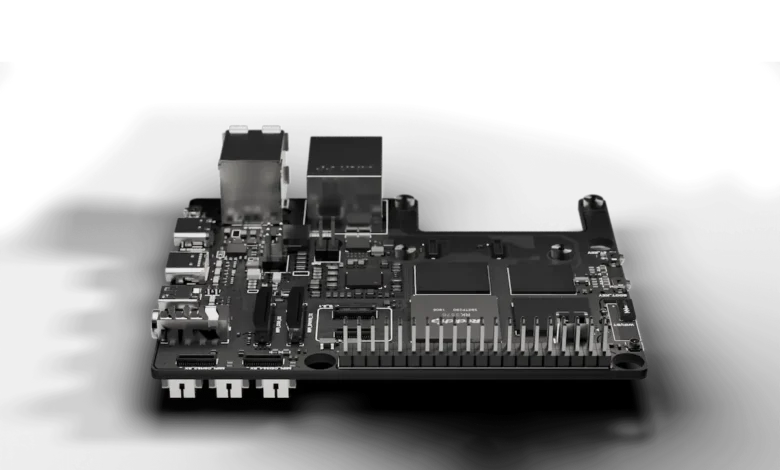
The landscape of single-board computers (SBCs) has long been dominated by monolithic designs, where the peripheral capabilities of a device are permanently baked into the printed circuit board. For developers and engineers, this has historically necessitated a "forklift upgrade" approach: when a project evolves from simple sensor data collection to high-fidelity AI vision, the user is often required to abandon their current hardware in favor of a more capable, and often more expensive, board. Vicharak, a hardware innovator, is challenging this paradigm with the launch of the Axon-Lite, a compact ARM-based SBC that utilizes a modular interface system to enable field-swappable functionality.
The Problem with Fixed Hardware Architectures
For over a decade, the SBC market—led by industry giants like Raspberry Pi—has relied on fixed I/O headers and static interface controllers. While the introduction of the 40-pin GPIO header provided a standard for basic add-ons, complex hardware acceleration, high-bandwidth sensor arrays, and specialized voice processing often required a sprawling "tower" of HATs (Hardware Attached on Top) or external expansion boards. This stack-based approach introduces signal integrity risks, mechanical instability, and increased power consumption.
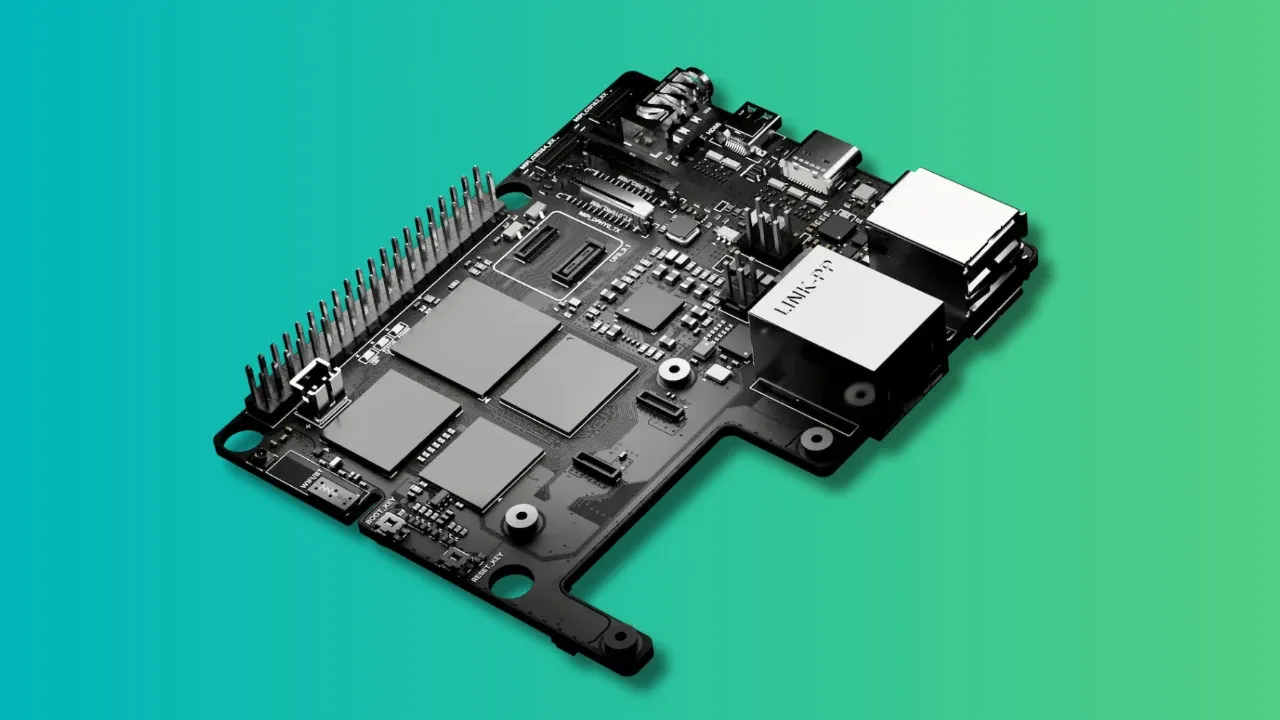
Vicharak’s entry into the market represents a shift toward "reconfigurable computing." By decoupling the primary compute module from the interface layer, the Axon-Lite allows users to swap modules based on the specific requirements of their current workload. This design philosophy is aimed at reducing electronic waste and lowering the barrier to entry for professional prototyping, where hardware iteration cycles are frequent and costly.
Chronology and Corporate Context
Vicharak is not a newcomer to the silicon design space. The company’s trajectory began with the development of the Vaaman, an FPGA-based board designed for high-performance, low-latency applications, followed by their broader Axon line of high-performance computing boards. The Axon-Lite represents the company’s most aggressive move toward the consumer and enthusiast market, distilling their enterprise-grade modular design into a form factor suitable for edge AI and IoT deployments.
The development timeline for the Axon-Lite has been driven by the increasing demand for local, on-device AI processing. As cloud-based AI services become prohibitively expensive or latency-sensitive for real-world robotics, the industry has pivoted toward edge-computing solutions. The Axon-Lite is scheduled to begin shipping in January 2027, with the pre-order phase currently open to accommodate early adopters and research institutions looking to integrate the platform into their 2027 development roadmaps.

Technical Specifications and Performance Metrics
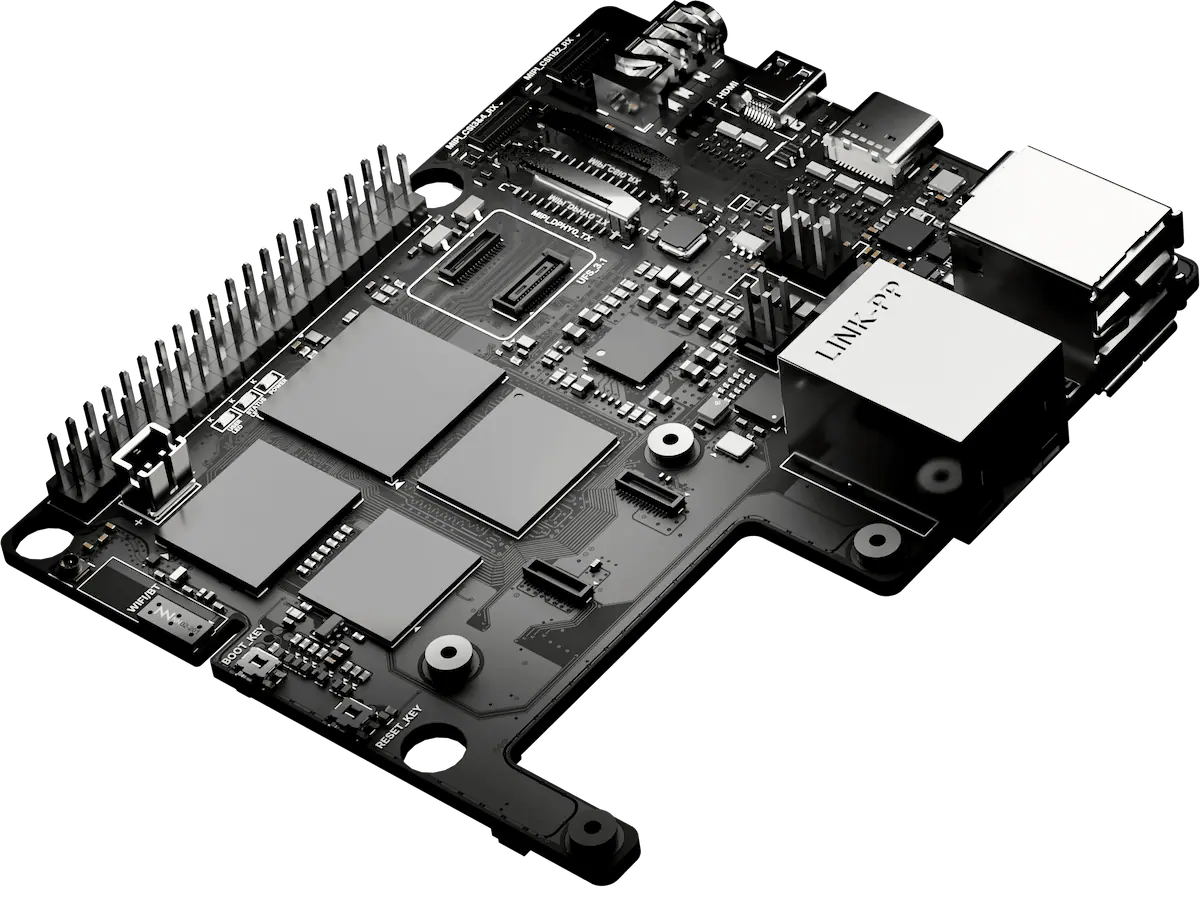
At the heart of the Axon-Lite sits the Rockchip RK3576, an octa-core System-on-Chip (SoC) that occupies a strategic middle ground in the current ARM ecosystem. Situated between the entry-level RK3566 and the flagship RK3588, the RK3576 is optimized for efficiency without sacrificing the throughput required for modern AI inference.
The board’s technical highlights include:
- Neural Processing Unit (NPU): A dedicated 6 TOPS (Tera Operations Per Second) NPU. This performance level is significant, as it mirrors the capabilities of more expensive boards using the RK3588, providing sufficient headroom for running complex computer vision models like YOLO or real-time facial recognition locally.
- Memory and Storage: The board utilizes LPDDR5 RAM, a notable upgrade over the LPDDR4 standard found in many budget SBCs. Storage options are equally robust, supporting eMMC 5.1 and UFS 3.1, the latter of which provides significantly higher read/write speeds, essential for large AI datasets and high-speed data logging.
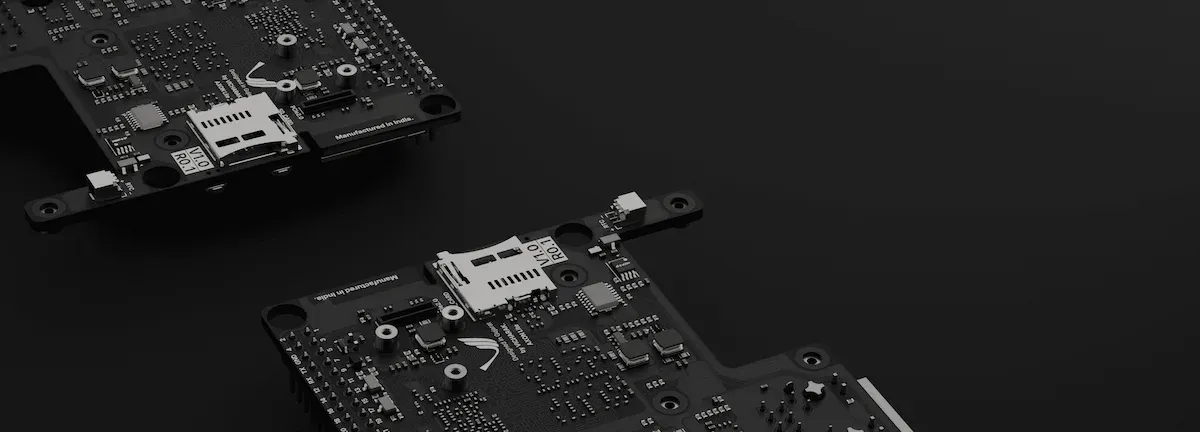
- Modular Interface: The proprietary modular connector allows for specialized "Interface Modules," including dedicated modules for Voice Processing, Smart Sensing, AI Data Hubs, and high-resolution AI Vision.
- I/O Versatility: Despite its compact size, the board features a 4-lane CSI for high-bandwidth camera inputs, an additional 2-lane CSI path, 4-lane DSI for high-resolution displays, and a 16MP Image Signal Processor (ISP). Connectivity is handled via Wi-Fi 6, Bluetooth 5.2, and Gigabit Ethernet.
The Modular Ecosystem: A Double-Edged Sword
The primary innovation of the Axon-Lite is its modular connector interface. By swapping out modules, a user can transform a voice-activated smart home controller into a high-speed robotics vision system within minutes. However, this architecture introduces a dependency on the manufacturer’s ecosystem. Because the modular interface is proprietary, users are currently limited to the expansion modules provided by Vicharak.
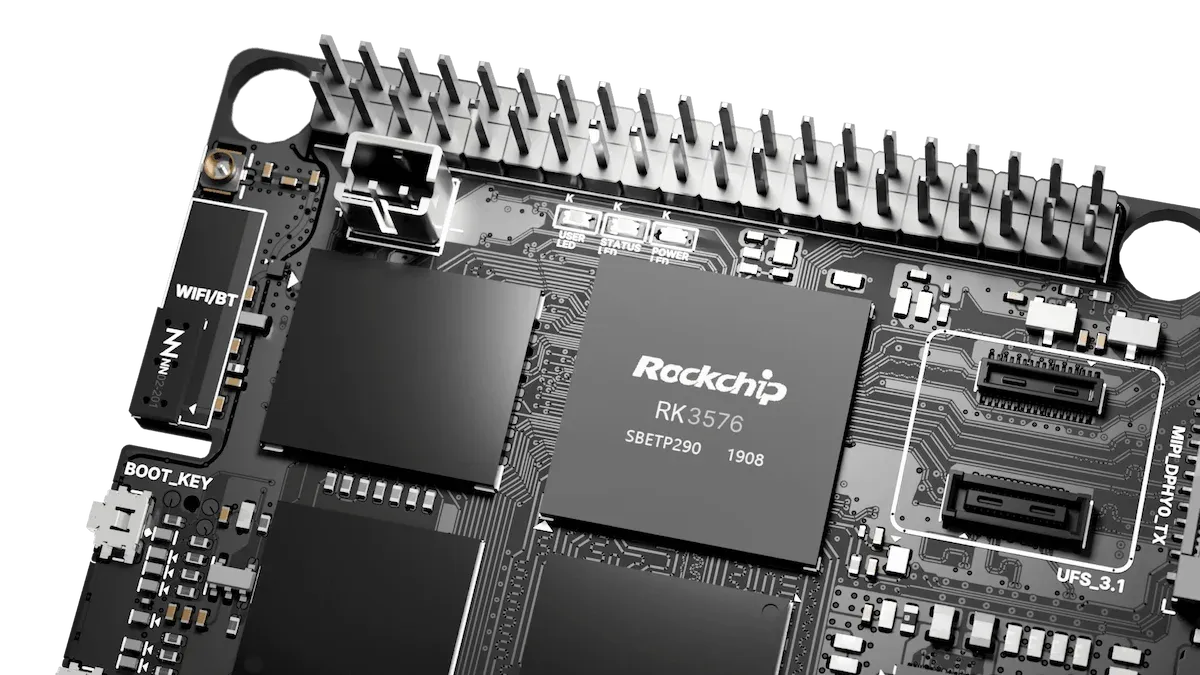
For developers, this implies a trade-off: they gain mechanical and signal efficiency compared to a standard HAT stack, but they lose the "universal" compatibility of the standard GPIO ecosystem—though it is important to note that the board does include a legacy Raspberry Pi-compatible 40-pin GPIO header for those who wish to maintain backward compatibility with existing peripherals.
Software Environment and Development Support
Vicharak has positioned the Axon-Lite as a "Linux-first" platform, ensuring that the development experience remains familiar to anyone who has worked with Debian-based distributions. The company has focused on providing a streamlined "apt-driven" workflow, which minimizes the learning curve for students and engineers transitioning from traditional Raspberry Pi or NVIDIA Jetson environments.
The software stack supports a comprehensive suite of development tools, including:
- General Development: VS Code, Git, Python, Docker, and Node.js.
- AI and Robotics: ROS 2 (Robot Operating System), OpenCV, GStreamer, FFmpeg, Jupyter, TensorFlow Lite, and ONNX Runtime.
This software support suggests that Vicharak is targeting a broad userbase, from university students conducting research to commercial product teams prototyping hardware before moving to custom PCB production.
Market Implications and Economic Impact
The Axon-Lite enters a crowded market. With the base model priced at approximately $165 (INR 15,930) and the higher-tier variant at $200 (INR 18,299), it competes directly with premium SBCs. However, its value proposition is not just in the raw silicon, but in the potential for long-term savings. In a typical professional engineering environment, the cost of replacing an entire board because a specific camera interface or audio codec is missing can run into the thousands when scaled across a team. The ability to simply swap a module instead of replacing the entire computing unit could offer a significant reduction in long-term capital expenditure.
Furthermore, the integration of on-board battery charging circuitry indicates that Vicharak is targeting the "untethered" market, such as drones, wearable robotics, and remote environmental monitoring stations. These applications historically required complex, custom-engineered power management solutions. By integrating these features onto the board, the Axon-Lite lowers the engineering burden for product developers.
Conclusion and Future Outlook
As the edge computing market matures, the demand for hardware that is both powerful and flexible will only increase. Vicharak’s strategy with the Axon-Lite is a clear attempt to capitalize on this demand by offering a middle-ground solution that bridges the gap between hobbyist boards and high-end industrial modules.
The success of the Axon-Lite will likely hinge on the growth of the module ecosystem. If Vicharak can maintain a steady release schedule of new, specialized modules and perhaps eventually open the interface specifications for third-party developers, the board could become a standard for prototyping in the AI-at-the-edge sector. As it stands, the Axon-Lite is a compelling alternative for those who find their current SBCs too rigid for the fast-paced, ever-changing requirements of modern hardware engineering. Potential buyers are advised to monitor official shipping updates and account for international shipping and customs duties, which will impact the final cost of acquisition for global markets.
Related posts: