The Ultimate Guide to Navigating the Developer Tools Track at AWS re:Invent 2026

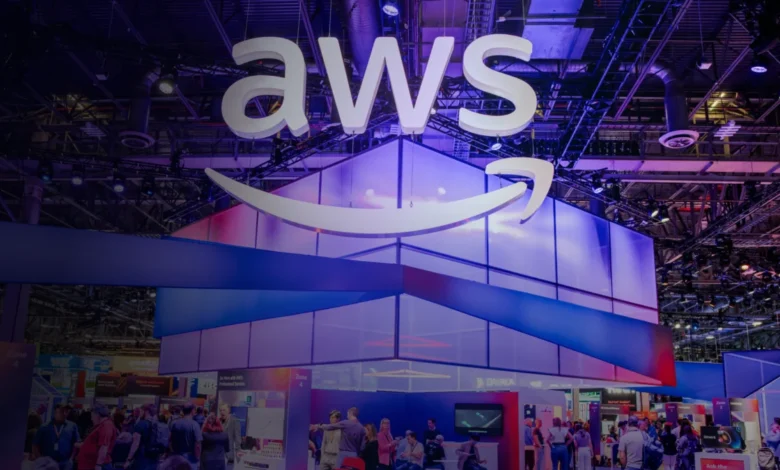
As the global cloud computing community prepares to descend upon Las Vegas for AWS re:Invent 2026, the Developer Tools (DVT) track has emerged as the definitive focal point for software engineers, DevOps practitioners, and systems architects. This year’s conference marks a pivotal shift in the industry, moving beyond traditional automation toward the era of agentic development. With over 46 specialized sessions dedicated to the evolution of coding environments, the DVT track is designed to equip attendees with the practical skills needed to integrate autonomous agents into modern CI/CD pipelines and infrastructure management.
The Evolution of the re:Invent Developer Experience
AWS re:Invent has historically served as the launchpad for the most significant cloud innovations of the decade, from the introduction of Lambda in 2014 to the democratization of generative AI in recent years. The 2026 iteration represents a maturation of these technologies. Where previous years focused on large language model (LLM) integration, the 2026 curriculum emphasizes "agentic workflows"—the transition from AI as a chatbot assistant to AI as an autonomous actor capable of executing complex, multi-step tasks independently.

For attendees, this means the conference floor will be less about observing passive demonstrations and more about interactive, hands-on implementation. Approximately 75% of the 46 sessions within the DVT track are designed to be interactive, ranging from technical chalk talks and workshops to code-heavy builders sessions. This shift reflects a broader market demand for "shippable" knowledge, where developers are expected to return from the conference not just with theoretical insights, but with functional code and configuration scripts ready for deployment in their respective production environments.
Chronology and Core Learning Tracks
The conference schedule is structured to provide a comprehensive learning path, beginning with foundational sessions and moving toward advanced, 400-level architectural implementations.
Early in the week, participants are encouraged to engage with introductory sessions such as "DVT207: Learn new AI development skills with Kiro." These sessions are designed to onboard developers who are transitioning from standard IDE workflows to AI-augmented environments. As the week progresses, the intensity shifts toward the 400-level workshops, most notably "DVT406: Make the agent code while you sleep." This specific workshop addresses the industry’s growing interest in asynchronous development, where autonomous agents utilize the Kiro CLI to handle code refactoring, bug remediation, and testing protocols during off-hours, effectively extending the productivity of a development team by 24 hours a day.

Integrating Kiro into the Modern Development Lifecycle
At the heart of the 2026 Developer Tools track is the Kiro ecosystem. Industry analysts have noted that the integration of such tools signifies a structural change in how software is maintained. By offloading repetitive maintenance tasks to autonomous agents, developers are theoretically freed to focus on high-level system architecture and product innovation.
To bridge the gap between theory and practice, AWS has implemented a multifaceted engagement strategy:
- The Kiro Galaxy Run: Located at the Caesars Forum, this immersive experience utilizes virtual reality to place developers in a high-stakes simulation. Participants must use Kiro-based agents to resolve critical system failures on a simulated spacecraft. This gamified approach serves as a stress-test for real-world scenarios, allowing developers to see how agents prioritize tasks under pressure.
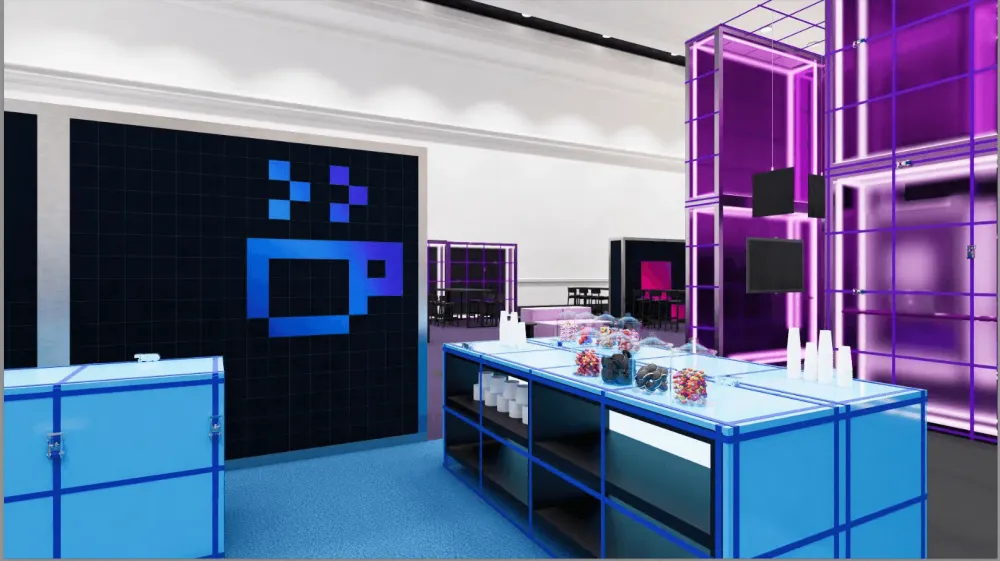
- The AWS Village and Builder Zone: These hubs at the Venetian Expo serve as the primary venues for peer-to-peer knowledge exchange. The Kiro kiosk provides a direct line to AWS engineers, facilitating deep-dive conversations regarding security, latency, and the ethical considerations of autonomous code generation.
- Ctrl+Alt+Ship Self-Paced Labs: For those who prefer a structured, solitary learning environment, the Content Hub at the Venetian offers self-paced labs. These labs allow attendees to move through the Kiro IDE curriculum at their own pace, providing an accessible entry point for those intimidated by the high-level technical workshops.
Data-Driven Insights and Market Context
The push toward agentic development is supported by significant industry data. Recent surveys suggest that developer velocity is the primary KPI for engineering organizations in 2026, with firms reporting that integrated agentic workflows can reduce time-to-deployment by as much as 40%. However, this shift is not without challenges. Infrastructure as Code (IaC) remains a complex domain, and the introduction of autonomous agents necessitates more rigorous guardrails and automated governance.
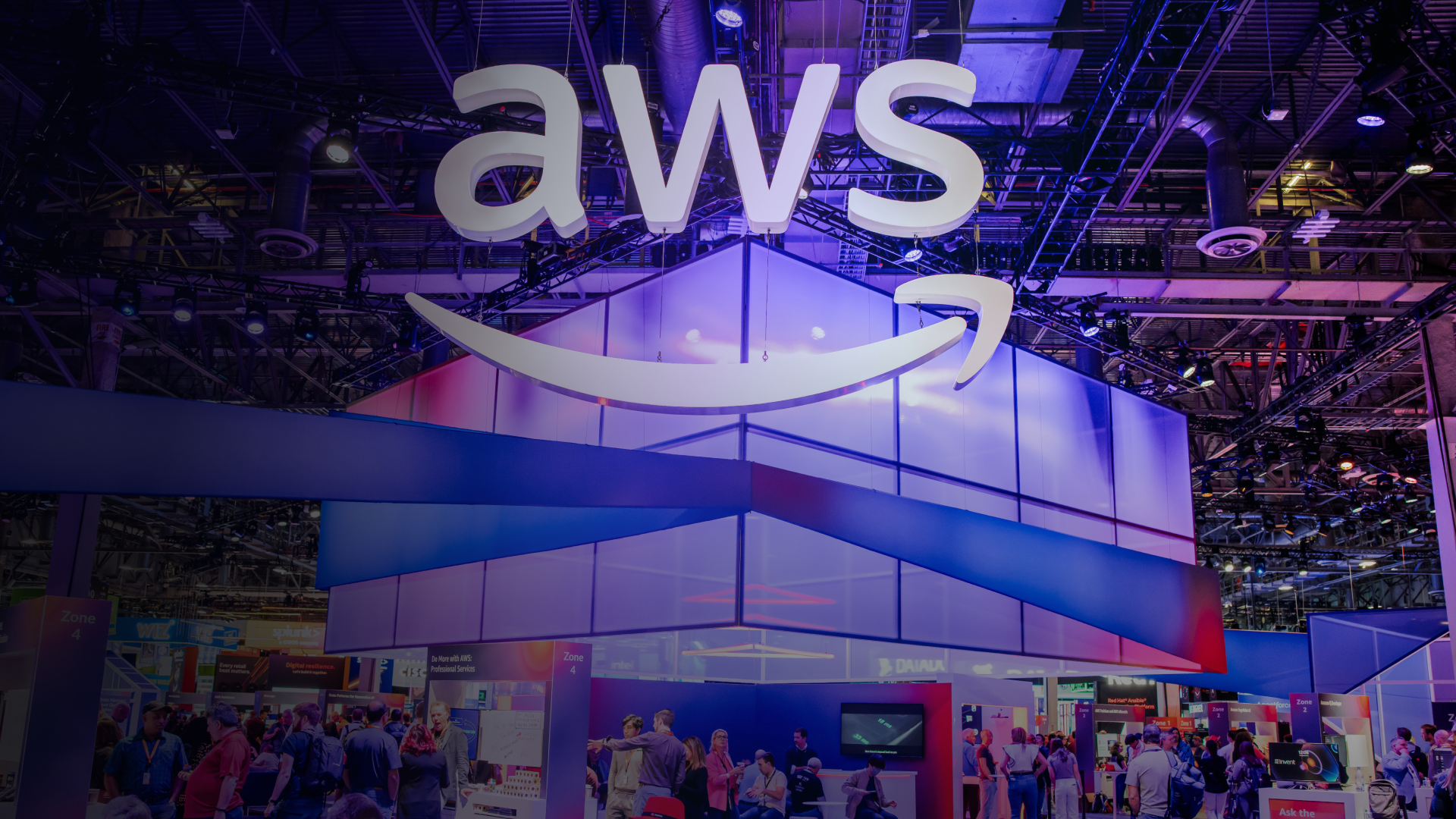
The 2026 DVT track explicitly addresses these concerns. By focusing on the intersection of CI/CD and autonomous agents, AWS is signaling that the future of DevOps is not merely "faster" deployment, but "smarter" deployment. The inclusion of sessions on managing autonomous agent permissions and observability highlights the industry’s focus on maintaining control even as the level of automation increases.
Official Perspectives and Industry Implications
While specific corporate announcements are typically reserved for the keynote addresses, the emphasis on the Kiro platform throughout the DVT track suggests a strong strategic alignment. Industry observers suggest that AWS is positioning Kiro as a central pillar of its developer services, aiming to create a cohesive ecosystem that bridges the gap between traditional DevOps practices and the requirements of modern, AI-centric software development.
The implications for the broader developer market are substantial. As autonomous agents become a standard component of the toolkit, the definition of a "senior developer" is shifting. Technical proficiency is being redefined to include the ability to orchestrate agents, manage AI-driven workflows, and audit the output of autonomous systems. Organizations that fail to adopt these practices may find themselves struggling to compete with firms that have successfully leveraged AI to augment their human talent.
Practical Steps for Attendees
For those currently registered for re:Invent 2026, the recommendation is to finalize a schedule that balances technical depth with hands-on experimentation. The sheer volume of content—46 distinct sessions—necessitates a strategic approach.
- Prioritize Interactivity: Given that the majority of sessions are interactive, participants should prioritize workshops over passive lecture-style sessions.
- Utilize the Builder Quest: The Builder Quest program is more than a gamified activity; it serves as a roadmap for exploring the most critical infrastructure updates and tool integrations featured at the event. Collecting stamps and engaging with kiosks can also provide access to valuable credits and resources that can be applied to personal or corporate AWS accounts.
- Network at the AWS Village: The ability to consult with AWS architects directly is one of the most significant benefits of physical attendance. Attendees are encouraged to prepare specific, complex technical questions regarding their existing infrastructure to maximize the value of these interactions.
As re:Invent 2026 approaches, the focus remains clear: the future of software engineering lies in the seamless collaboration between human ingenuity and autonomous agentic systems. Whether one is a seasoned DevOps engineer or a full-stack developer looking to integrate AI into their workflow, the Developer Tools track offers the essential foundation for the next chapter of cloud development. For those who have not yet secured their place, registration remains open, providing a final window of opportunity to join the conversation in Las Vegas and gain firsthand access to the technologies shaping the coming year.