The Evolution of Kubernetes AI Conformance: Standardizing Machine Learning Infrastructure for the Next Decade

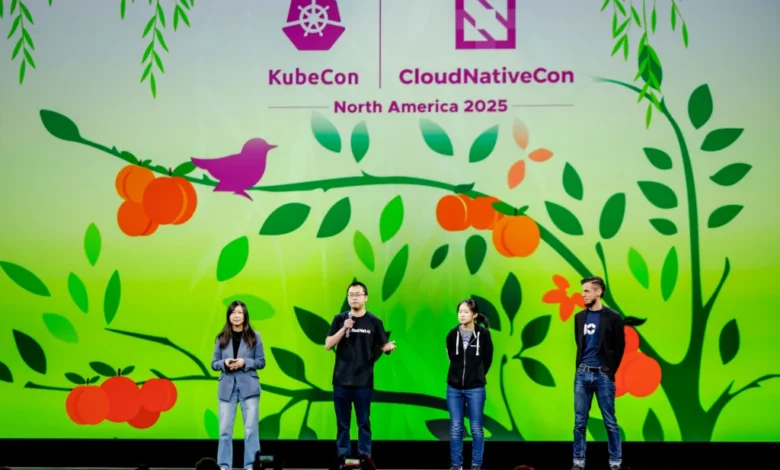
The architecture of cloud-native computing is undergoing a profound transformation as artificial intelligence and machine learning workloads transition from experimental, specialized deployments to core enterprise infrastructure. In October 2026, leaders from the Kubernetes and Cloud Native Computing Foundation (CNCF) ecosystems detailed the rapid evolution of the Kubernetes AI Conformance initiative. Originally launched as a dedicated working group to combat ecosystem fragmentation, the initiative has now matured into a permanent subproject under SIG Architecture, signaling a foundational shift in how the world’s leading container orchestration platform manages high-performance AI computations.
Main Facts and the Transition to SIG Architecture
The core objective of the Kubernetes AI Conformance program is to establish a unified, vendor-neutral baseline for running AI workloads across diverse cloud, on-premises, and edge environments. As organizations increasingly deploy complex architectures—including distributed model training, large-scale inference pipelines, GPU-intensive operations, and emerging agentic systems—the risk of infrastructure fragmentation has grown. Different hardware vendors and platform providers historically implemented distinct strategies for accelerator management, networking, and scheduling, creating portability challenges and vendor lock-in concerns.
To address these challenges, the initiative was formalized through a structured lifecycle within the Kubernetes community. What began as an independent CNCF program and a temporary Kubernetes Working Group successfully unified the ecosystem around shared standards. Following the completion of its initial charter, the Working Group was officially archived, and AI Conformance transitioned into a permanent subproject under SIG Architecture. This transition reflects the community’s consensus that AI is not a transient workload category, but rather a permanent, foundational pillar of modern application architecture that requires continuous governance, API alignment, and long-term ecosystem stewardship.
Chronology and Milestones of the AI Conformance Program
The trajectory of the AI Conformance initiative has accelerated at an unprecedented pace since its inception, mapping closely to the explosive enterprise demand for generative AI and large-scale model orchestration.
The foundational groundwork began when veteran maintainers, recognizing the looming threat of proprietary ecosystem splits, drafted the initial Kubernetes AI Conformance Proposal. This proposal sought executive buy-in from CNCF leadership to establish a unified certification framework.
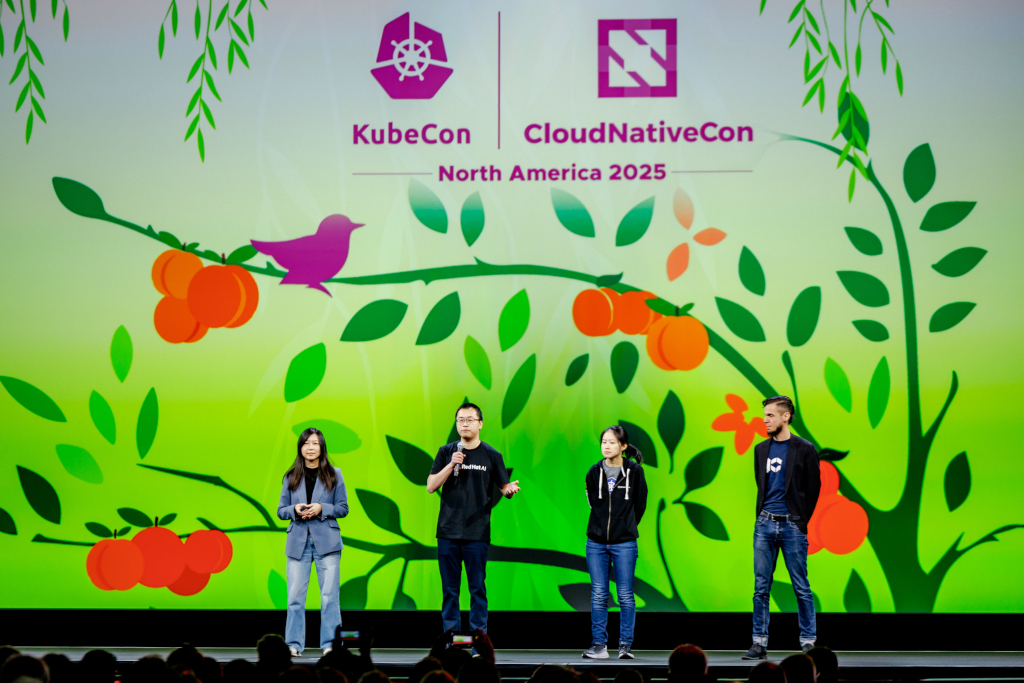
By late 2025, the momentum culminated in a major milestone. At KubeCon + CloudNativeCon North America in November 2025, the CNCF officially launched the Certified Kubernetes AI Conformance program. At the time of its debut, the initiative rallied a modest group of early adopters and foundational contributors.
Just months later, at KubeCon Europe in the first half of 2026, the program demonstrated remarkable traction. Certified platforms surged from an initial 18 to 31 within a remarkably brief window. This rapid adoption rate underscored a broad industry consensus: enterprises demanded interoperability and guarantees that AI workloads could migrate seamlessly across certified Kubernetes distributions without friction or proprietary dependencies.
By October 2026, the organizational framework matured further as the temporary Working Group officially handed over its responsibilities to the SIG Architecture subproject, ensuring that conformance requirements will evolve in lockstep with core Kubernetes primitives such as Dynamic Resource Allocation (DRA) and Gateway API inference extensions.
Supporting Data and Ecosystem Adoption
The success of the AI Conformance program is underscored by broad, cross-industry participation from major cloud providers, hardware manufacturers, and enterprise software vendors. The roster of initial adopters and contributors reads as a comprehensive who’s who of the modern tech landscape, featuring Akamai, Alibaba Cloud, Amazon Web Services (AWS), Broadcom, CoreWeave, DaoCloud, Google Cloud, Kubermatic, Microsoft Azure, NVIDIA, Oracle, Red Hat, SAP, and SUSE.
This coalition of diverse stakeholders demonstrates that hardware acceleration and low-latency inference are no longer niche concerns handled by specialized platforms. Instead, they require deep integration into standard Kubernetes scheduling logic. The certification framework leverages a tiered graduation model to manage the tension between fast-moving AI infrastructure innovations and the famously stable, deliberate release cadence of core Kubernetes APIs. Under this model, emerging capabilities are initially introduced as recommended "SHOULD" requirements, giving the ecosystem sufficient room to experiment and establish best practices. Once these patterns mature and demonstrate widespread adoption, they transition into mandatory "MUST" requirements for certified platforms.
Official Perspectives and Leadership Insights
Industry leaders driving the initiative have emphasized the necessity of balancing rapid technological iteration with architectural stability. Janet Kuo, Senior Staff Software Engineer at Google, co-chair and technical lead of SIG Apps, and leader of the AI Conformance program, noted the initial motivation behind the project. Confronted with disparate vendor infrastructure stacks during the early wave of enterprise AI adoption, Kuo spearheaded the initial proposal to prevent a fractured ecosystem and ensure Kubernetes remained the premier platform for next-generation workloads.
Echoing this sentiment, Yuan Tang, co-founder of TensorScale AI and former Red Hat senior principal software engineer, highlighted the collaborative efforts that bridged specialized tooling like Kubeflow, Kserve, and Argo with core Kubernetes orchestration. Tang emphasized that the creation of the AI Conformance Working Group—and its subsequent integration into SIG Architecture—was vital for establishing standardized primitives for GPU scheduling, high-performance networking, and workload-aware orchestration. By focusing testing parameters on foundational mechanisms like Dynamic Resource Allocation (DRA) rather than tying certifications to volatile, fast-evolving application frameworks, the community has successfully insulated core Kubernetes stability from the volatility of upstream machine learning tools.
Broader Impact and Strategic Implications
The formalization of AI Conformance within SIG Architecture carries significant strategic implications for the enterprise software market. As organizations commit multi-million-dollar budgets to artificial intelligence infrastructure, architectural longevity and risk mitigation have become paramount.
By establishing rigorous, vendor-neutral conformance standards, the Kubernetes project provides enterprises with operational confidence. Organizations can invest in AI application development knowing that their underlying infrastructure conforms to a universally recognized specification. This mitigates vendor lock-in, reduces migration friction between on-premises datacenters and multi-cloud environments, and guarantees consistent performance metrics across diverse hardware accelerators.
Furthermore, the integration of AI conformance into SIG Architecture ensures that future iterations of core Kubernetes components will natively account for accelerator management and low-latency routing. Rather than treating artificial intelligence as an external add-on layer or an isolated workload, the cloud-native ecosystem is systematically adapting its core control plane to accommodate the intense resource demands of modern machine learning models.
For developers, platform engineers, and enterprise architects looking to engage with the future of cloud-native AI, the project maintains an open collaborative model. Contributions, requirements proposals via the KAR (Kubernetes AI Requirement) template, and automated test suite expansions are actively coordinated through the kubernetes-sigs/ai-conformance repository, ensuring that the standard remains transparent, community-driven, and adaptable to the relentless pace of technological advancement.