AWS DevOps Agent and PagerDuty Integration Revolutionizes Incident Response, Automating Root Cause Analysis for Cloud Operations

Amazon Web Services (AWS) has announced a groundbreaking integration between its AWS DevOps Agent and PagerDuty, setting a new standard for automated incident response and root cause analysis in complex cloud environments. This strategic collaboration aims to dramatically reduce Mean Time To Resolution (MTTR) by initiating deep-dive investigations the moment an incident is triggered, providing Site Reliability Engineering (SRE) teams with immediate, actionable insights before human responders even fully orient themselves. The native PagerDuty Capability Provider within AWS DevOps Agent establishes a direct, secure connection, allowing incident data to flow seamlessly, enabling AI-powered analysis across diverse observability stacks, and delivering mitigation plans directly back to PagerDuty incident records.
The Evolving Landscape of Production Incidents: A Growing Challenge

In today’s highly distributed, microservices-driven architectures, something breaking in production is not a matter of "if," but "when." The real challenge, however, lies not in detecting the anomaly – modern monitoring tools are highly effective at that – but in swiftly understanding why it broke. This "why" is the critical bottleneck, often consuming significant time and resources from highly skilled SRE and DevOps teams. Industry reports consistently highlight the substantial financial impact of downtime, with some estimates putting the cost of a single hour of critical system outage in the millions for large enterprises. For instance, a 2023 Uptime Institute survey found that over 60% of organizations experienced an IT outage or significant disruption in the past three years, with a third of these costing over $1 million.
The manual process of correlating data during an incident is notoriously time-consuming. An SRE professional, paged in the middle of the night, typically begins a frantic scavenger hunt across multiple dashboards: checking application logs, cross-referencing deployment histories with AWS CloudTrail events, sifting through metrics from various observability providers, and scrutinizing infrastructure configurations. This manual correlation, often taking 20-30 minutes before a clear picture begins to emerge, is where precious time is lost and resolution time balloons. The mental fatigue and stress associated with this "detective work" also contribute to burnout among SRE teams, impacting morale and retention.
Introducing AWS DevOps Agent: The AI-Powered First Responder
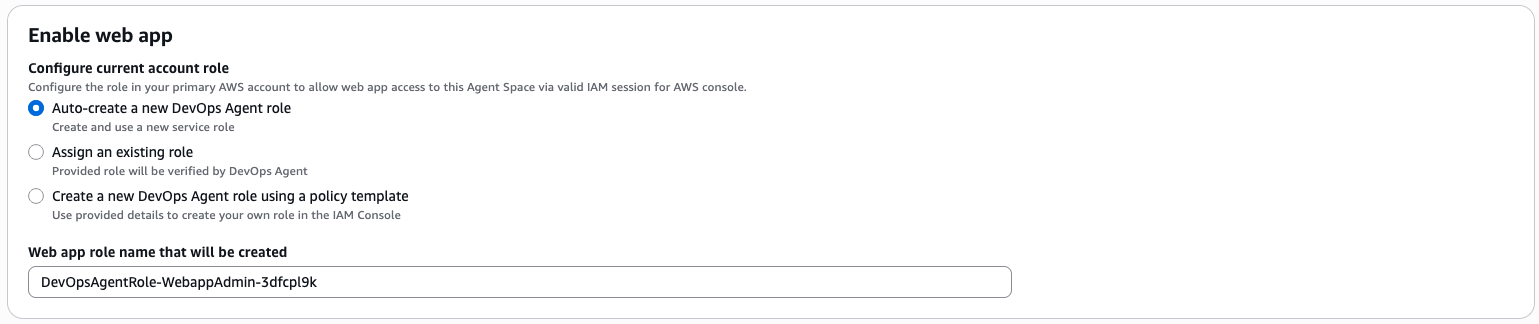
At the heart of this transformative integration is the AWS DevOps Agent, an innovative frontier agent designed to act as a first responder in production incidents. Leveraging artificial intelligence and machine learning, the DevOps Agent conducts federated investigations across an organization’s entire observability stack. It traces incidents from the initial code change to its ultimate impact on cloud infrastructure, generating detailed mitigation plans. Beyond reactive incident response, the agent also proactively identifies and recommends improvements to observability configurations, infrastructure setups, and deployment pipelines, aiming to prevent recurring issues before they escalate. Teams can monitor these investigations in real-time through the AWS DevOps Agent web app, accessing findings and guiding the analysis as needed.
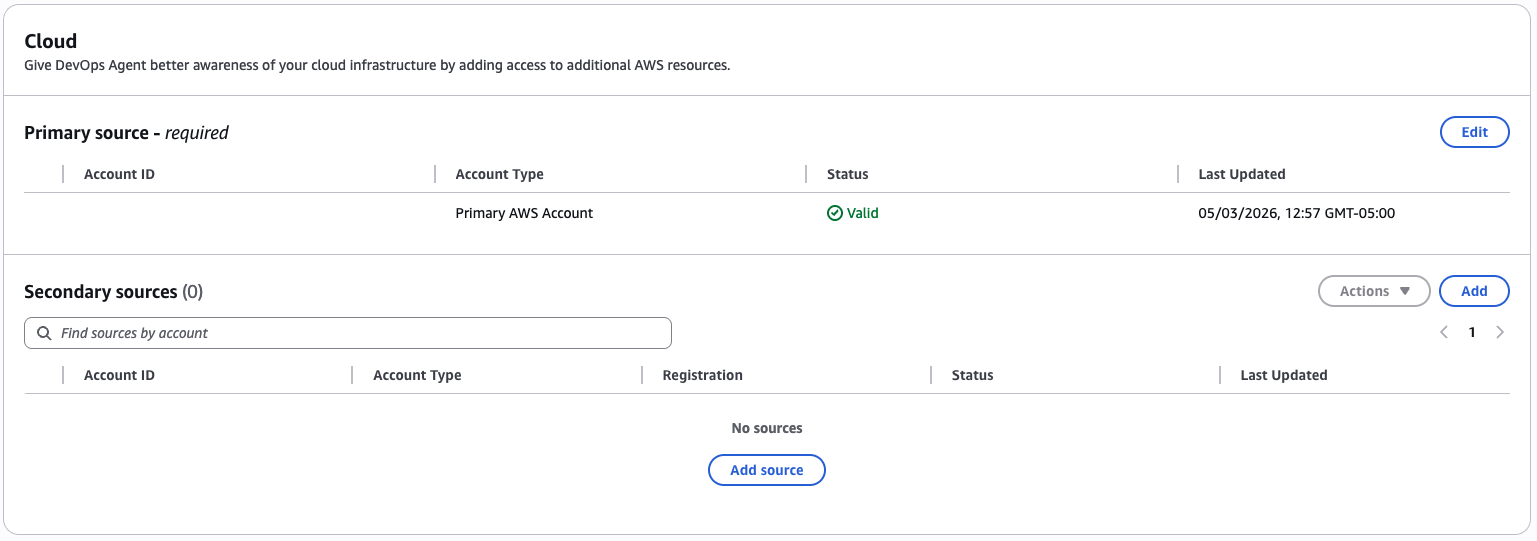
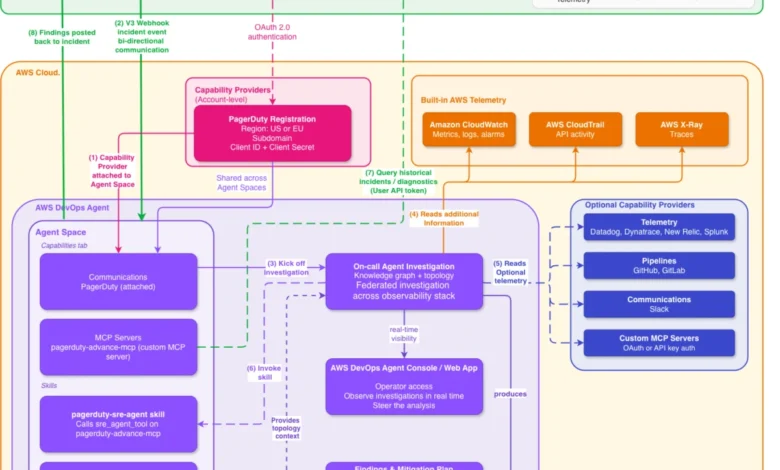
The core organizational principle within AWS DevOps Agent is the "Agent Space," which defines the operational boundary and accessible resources for a given agent. An AWS account forms the primary source, which can then be augmented with secondary capabilities from a wide array of telemetry providers like Datadog, Dynatrace, New Relic, or Splunk. It also integrates with pipeline tools such as GitHub and GitLab, communication platforms like PagerDuty and Slack, and custom Model Context Protocol (MCP) servers for any bespoke data sources. This modular approach allows the agent to build a comprehensive, interconnected knowledge graph of an organization’s resources, mapping complex relationships between load balancers and services, services and databases, and deployments to configuration changes. With each investigation, the agent learns and expands this understanding, continuously enriching its topology mapping and improving its analytical capabilities. One team reportedly saw their agent map hundreds of infrastructure relationships, a number that consistently grows with every incident handled.
PagerDuty: The Incident Management Backbone
PagerDuty, a household name in the realm of incident management, needs little introduction to anyone responsible for critical, customer-impacting incidents. It serves as the central nervous system for detecting, triaging, resolving, and learning from operational disruptions. Its robust alerting, on-call scheduling, and escalation policies ensure that the right people are notified at the right time, minimizing the impact of outages.
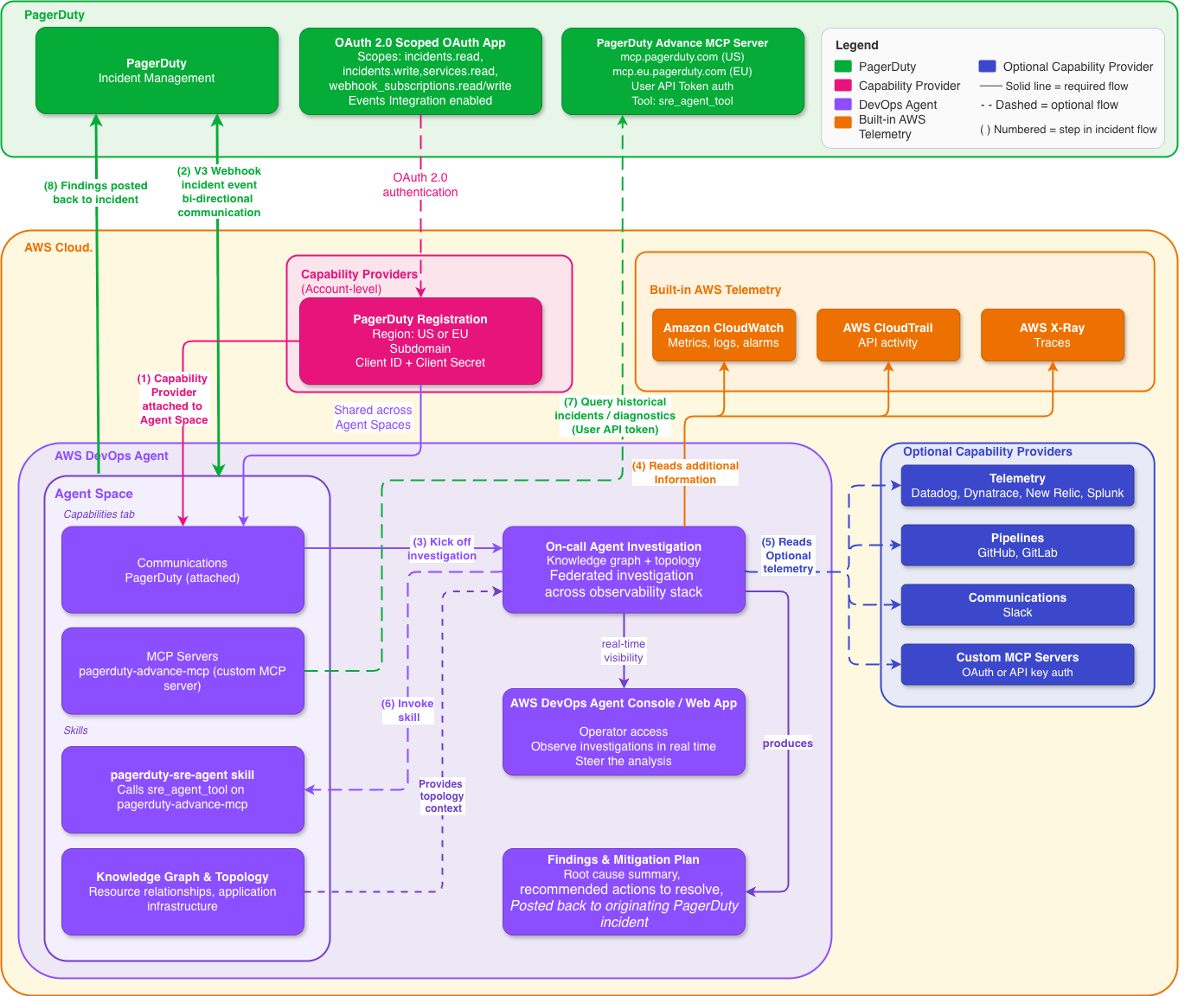
The new native PagerDuty Capability Provider in AWS DevOps Agent seamlessly connects these two powerful systems. When a PagerDuty incident triggers, it acts as the immediate catalyst for an AWS DevOps Agent investigation. The agent then automatically begins its deep-dive analysis. Crucially, the findings – including root cause analysis and recommended mitigation steps – are automatically fed back into the originating PagerDuty incident record. This ensures that responders have instant access to critical insights within their primary incident management tool, alongside a link to the AWS DevOps Agent console and web app for more granular details and ongoing visibility for the entire team.
The Dual-Layer Integration: Real-time Analysis and Historical Context
This integration boasts a two-pronged approach that significantly enhances incident resolution. The first piece, the native Capability Provider, focuses on real-time event flow. When a PagerDuty incident triggers, AWS DevOps Agent picks up the event over the native connection and immediately begins its investigation. It introspects AWS observability data from CloudWatch, CloudTrail, and X-Ray, pulls information from connected third-party telemetry providers, and leverages its continuously evolving topology mapping to build a comprehensive picture of the incident’s context and impact.
The second, equally vital, piece involves the PagerDuty MCP Server. By adding this as a custom capability and configuring a specific AWS DevOps Agent skill, the agent gains the ability to query PagerDuty’s vast institutional memory during investigations. This encompasses a wealth of historical data, including past incidents, diagnostics, successful resolution patterns, and operational context across both AWS and non-AWS environments. This MCP Server-based connection operates separately from the event flow, requiring its own configuration steps. The result is a profoundly enriched investigation, informed not only by current signals but also by the collective knowledge and experience accumulated from prior incidents. This allows the agent to identify recurring issues, leverage established playbooks, and suggest solutions based on historical success, moving beyond mere data correlation to intelligent pattern recognition.

Tangible Benefits for SRE Teams and Business Resilience
The implications of this integration are profound and deliver practical, tangible changes for engineering teams:
- Faster Time to Root Cause: The most significant immediate benefit is the automation of the initial investigation phase. When a PagerDuty incident triggers, the AWS DevOps Agent automatically kicks off an investigation. This means that by the time an SRE acknowledges the alert, the AI-driven analysis is already underway, saving critical minutes that would otherwise be spent on manual data gathering. This drastically cuts down MTTR, directly translating to reduced downtime and financial losses.
- Real Contextual Analysis: The agent’s ability to correlate PagerDuty incident data with a vast array of telemetry – Amazon CloudWatch metrics, AWS CloudTrail logs, application topology, deployment history, and data from third-party observability providers like Datadog, Splunk, New Relic, or Dynatrace – provides unparalleled contextual analysis. It connects dots that would require significant human effort and time to even begin piecing together, offering a holistic view of the incident’s impact and origin.
- Investigations Start Immediately: The automatic initiation of investigations means that the deep-dive analysis begins the moment an incident is detected. This shifts the paradigm from reactive manual investigation to proactive automated triage. The agent then reports its root cause analysis and proposed mitigation steps directly back to the originating PagerDuty incident, providing on-call teams with a crucial head start.
- Less Detective Work, More Resolution: By automating the manual data correlation across disparate tools, SREs are freed from tedious "detective work." This allows them to focus their expertise on actually resolving the issue, implementing fixes, and validating solutions, rather than spending valuable time building an investigation timeline by hand. This enhances efficiency and reduces the cognitive load on incident responders.
- Zero Infrastructure Overhead: The native PagerDuty Capability Provider means there’s no additional infrastructure to host or manage. This simplifies deployment and maintenance, allowing teams to leverage the integration without incurring extra operational burden.
The Technical Architecture: A Seamless Flow

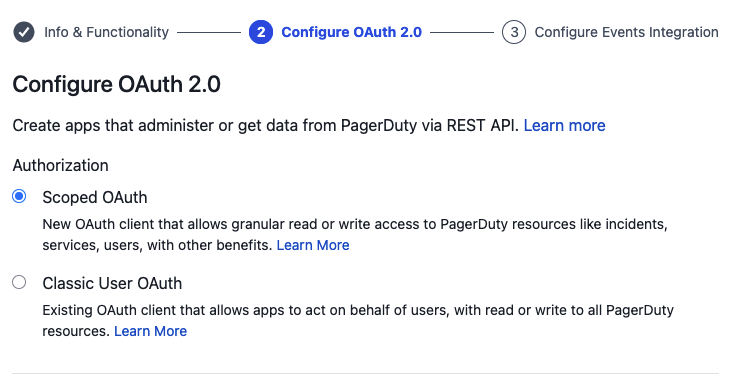
The underlying architecture of this integration is designed for simplicity and efficiency. AWS DevOps Agent and PagerDuty authenticate using OAuth 2.0 Scoped OAuth, ensuring secure and controlled access. PagerDuty is registered once at the AWS account level as a Capability Provider, making it available to any Agent Space within that account without needing repeated setup.

Once a PagerDuty incident triggers, AWS DevOps Agent receives the event via this native connection and immediately begins its investigation process:
- Event Ingestion: The agent ingests the PagerDuty incident event, containing key details about the alert and affected service.
- Contextual Data Collection: Leveraging its configured capabilities, the agent begins collecting relevant data from AWS CloudWatch, CloudTrail, X-Ray, and any connected third-party observability tools. It also consults its internal knowledge graph of application topology and infrastructure relationships.
- Historical Analysis (via MCP Server): If the PagerDuty MCP Server is configured, the agent queries PagerDuty’s historical data for similar incidents, resolution patterns, and operational context.
- Root Cause Analysis: Using AI/ML models, the agent processes the collected data, correlating events, identifying anomalies, and pinpointing potential root causes.
- Mitigation Plan Generation: Based on its analysis, the agent generates detailed mitigation plans, including specific actions to resolve the issue, steps to validate the fix, and options for rollback if necessary.
- Findings Reporting: The agent posts its findings, a summary of the root cause, and the recommended next steps directly to the originating PagerDuty incident record, along with a link to the AWS DevOps Agent web app for further detail.
This continuous learning loop means that every investigation expands the agent’s understanding of how resources connect, discovering implicit relationships and building a richer, more accurate map of the application infrastructure over time.

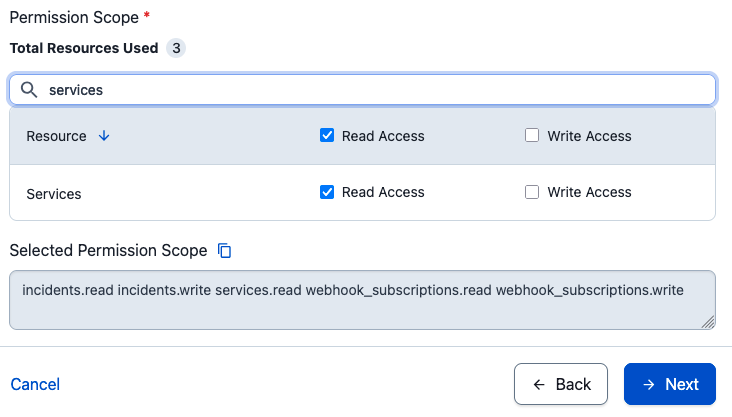
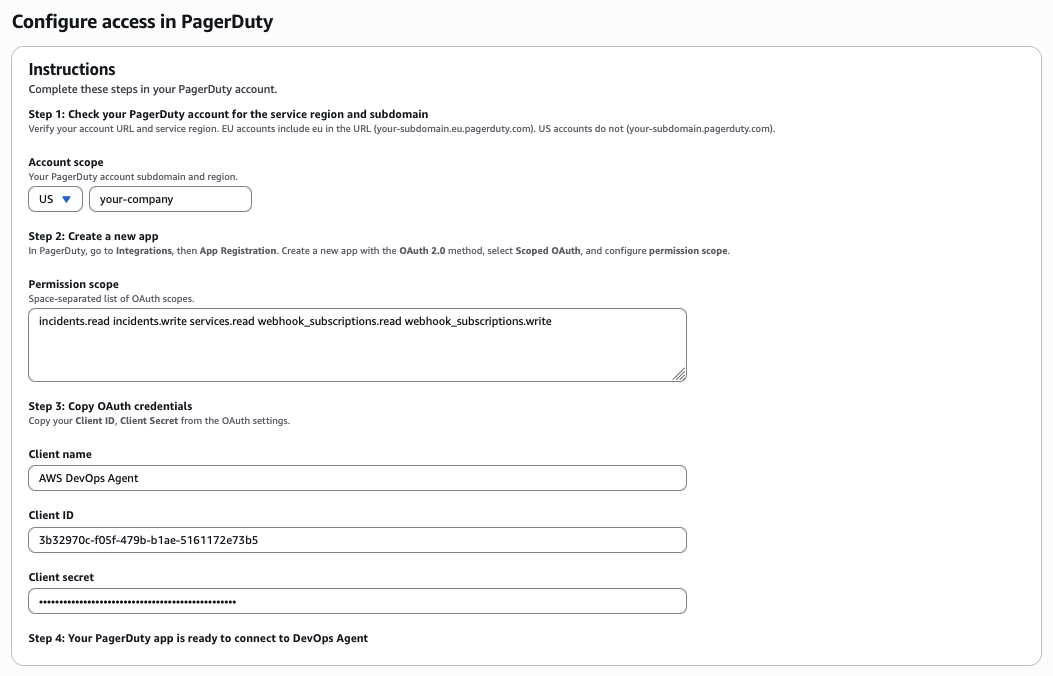
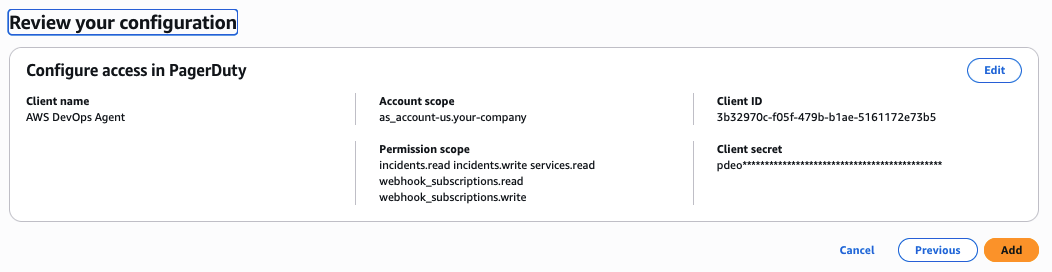
Security is paramount in such integrations. The native connection utilizes OAuth 2.0 Scoped OAuth with a minimum set of PagerDuty scopes (incidents.read, incidents.write, services.read, webhook_subscriptions.read, webhook_subscriptions.write). AWS DevOps Agent exclusively supports this newer scoped OAuth flow, and for inbound events from PagerDuty, only V3 webhooks are supported, ensuring adherence to modern security standards and efficient data exchange over HTTPS.
Implementation Guide: Getting Started

Setting up this powerful integration involves a structured, four-phase process:

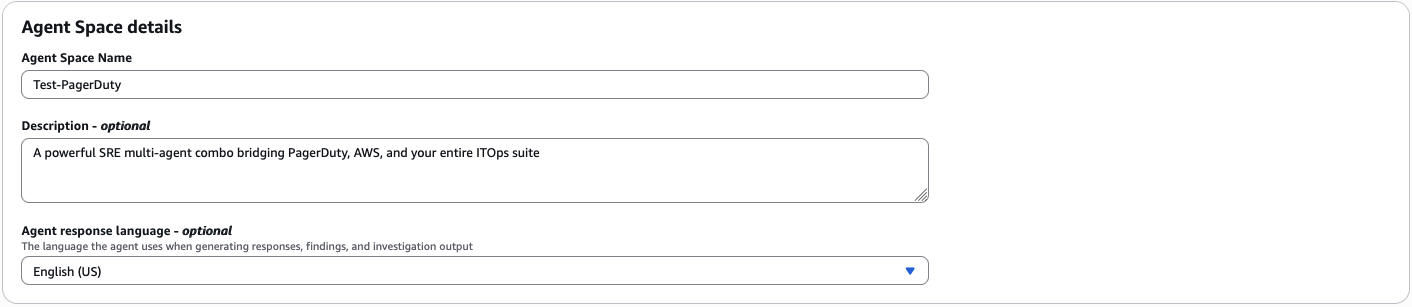
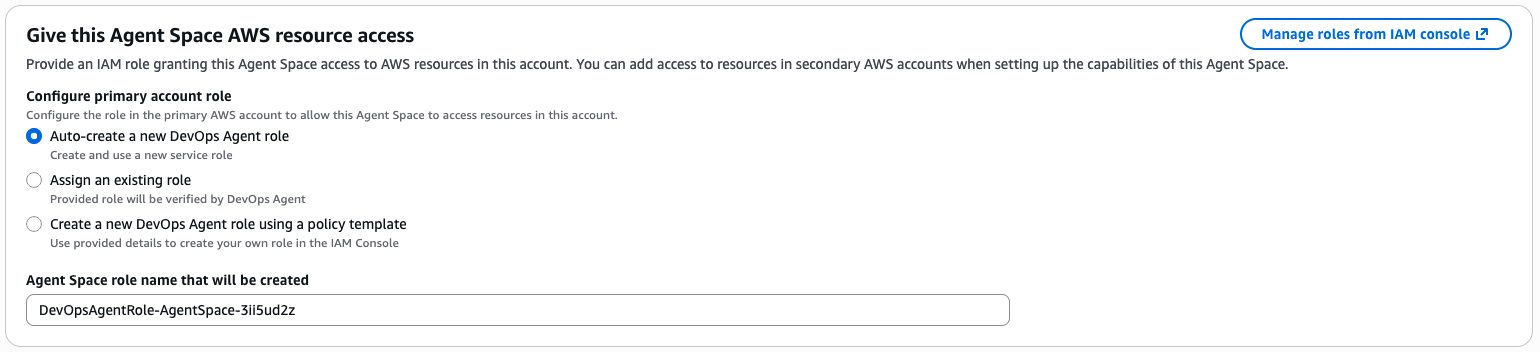
- Agent Space Creation: Begin by establishing an Agent Space within the AWS DevOps Agent console. This defines the operational boundary for the agent and the resources it can access and investigate.
- Supporting Capabilities: While the agent automatically connects to Amazon CloudWatch, CloudTrail, and X-Ray, most modern environments span beyond AWS. Organizations can wire in external tools like Datadog, Splunk, New Relic, or Dynatrace, along with pipeline tools like GitHub and GitLab, to provide the agent with a more comprehensive view of their operational landscape. This modularity allows for incremental adoption, starting with critical tools and expanding over time.
- Application Topology Setup: To enhance the agent’s understanding, defining the application landscape is crucial. This involves importing existing application topology, connecting to tools that manage service maps, and allowing the agent to discover dependencies as it investigates.
- PagerDuty Registration & Skill Configuration:
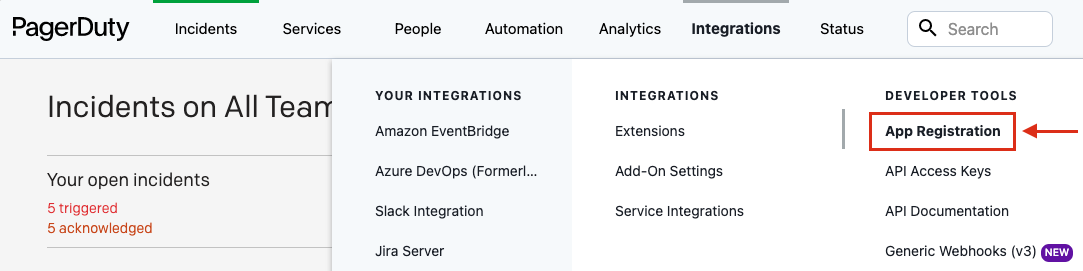
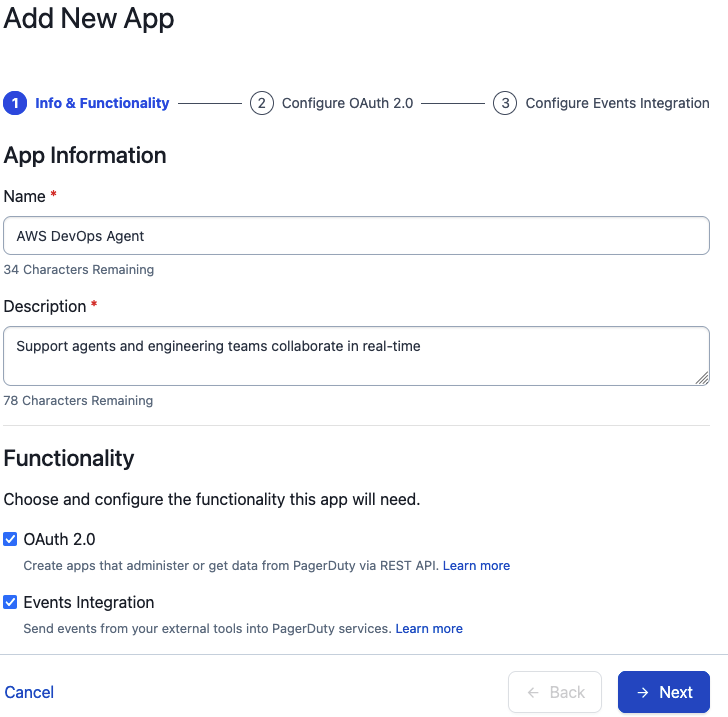
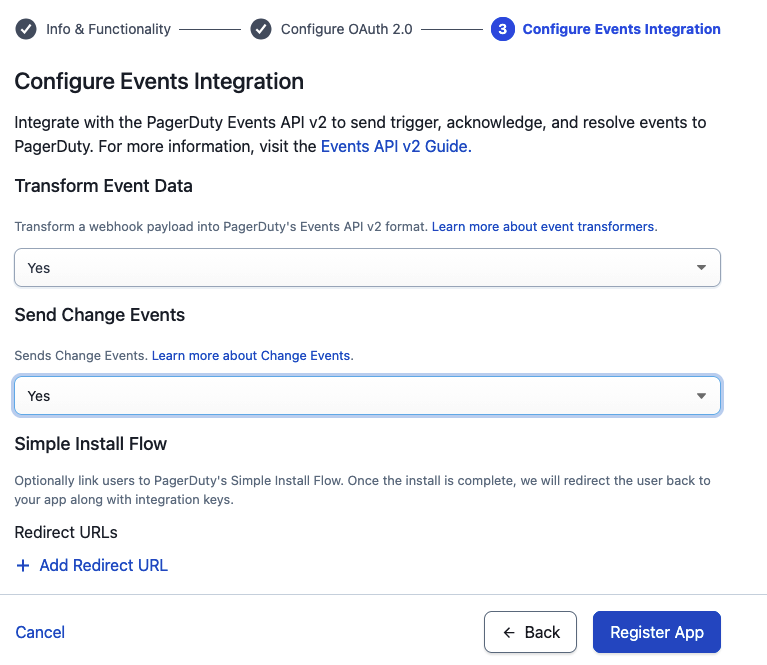
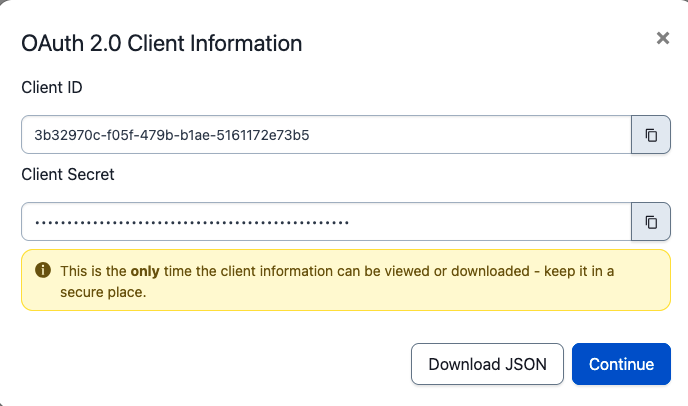
- OAuth App Creation in PagerDuty: First, an OAuth 2.0 Scoped OAuth app must be created within PagerDuty, granting the minimum required scopes for incidents, services, and webhook subscriptions, and enabling Events Integration for two-way communication. The Client ID and Client Secret generated are essential.
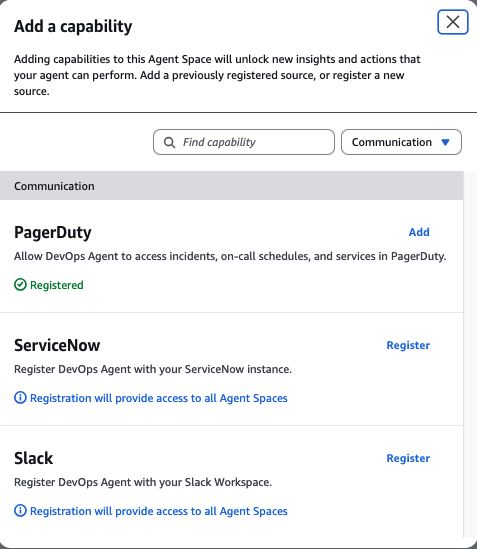
- Registering in AWS DevOps Agent: These PagerDuty credentials are then used to register PagerDuty as a Capability Provider at the AWS account level within the AWS DevOps Agent console.
- Attaching to Agent Space: The registered PagerDuty provider is then attached to the specific Agent Space that requires its capabilities.
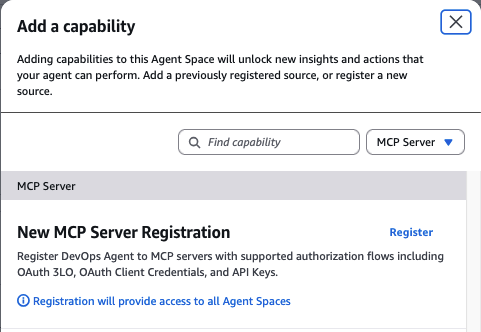
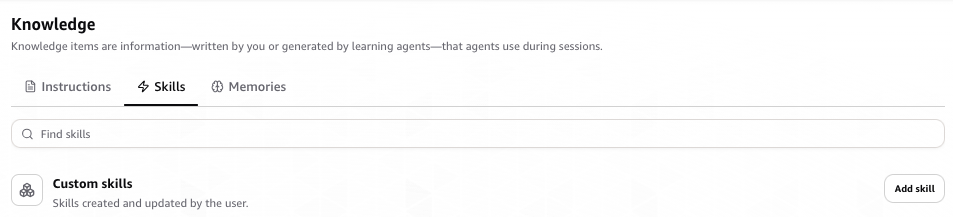
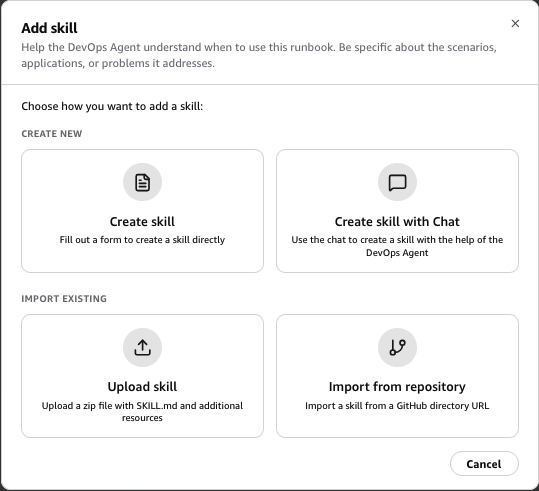
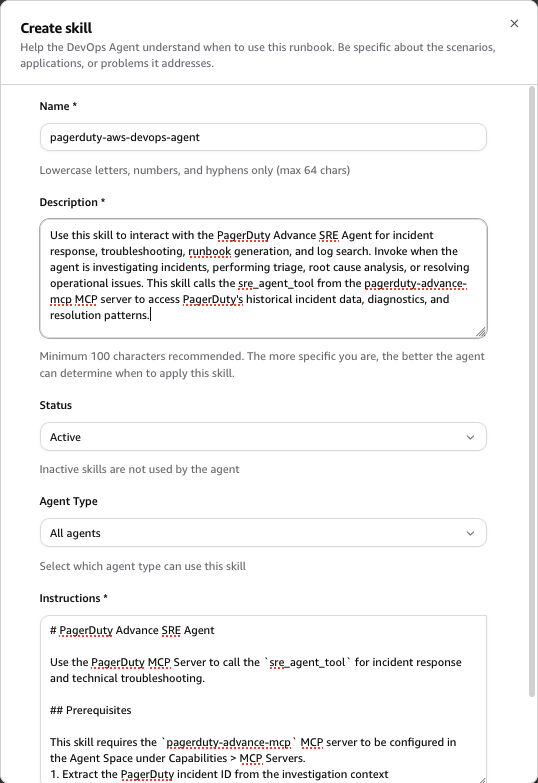
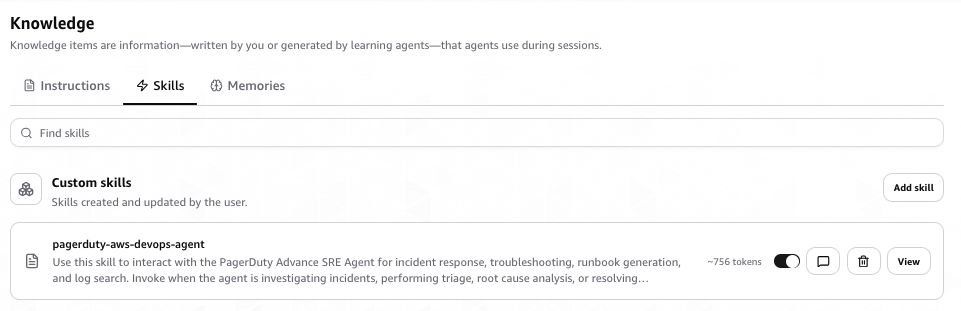
- PagerDuty MCP Server & Agent Skill: To enable the agent to pull historical context from PagerDuty, the PagerDuty MCP server is added as a custom MCP capability within the Agent Space. Concurrently, an AWS DevOps Agent skill is configured via the Operator web app. This skill, containing specific instructions, tells the agent when and how to leverage the
sre_agent_toolfrom thepagerduty-advance-mcpserver to access PagerDuty’s institutional memory for incident response, troubleshooting, and pattern recognition.
Finally, comprehensive testing and validation are critical. This includes triggering a test incident in PagerDuty, observing the investigation unfold in the AWS DevOps Agent console, verifying that findings are posted back to PagerDuty, and reviewing the root cause analysis and mitigation plans. It is recommended to start with a limited scope, such as a single application or service, to fine-tune the integration before expanding across the entire environment.
Troubleshooting Common Pitfalls
While the integration is designed for ease of use, some common issues can arise during setup: invalid OAuth credentials, using unsupported legacy PagerDuty OAuth apps or older webhook versions (only V3 webhooks are supported), failure to activate PagerDuty within a specific Agent Space after account-level registration, or region/subdomain mismatches during PagerDuty configuration. These issues are typically resolved by carefully reviewing the setup steps and ensuring all prerequisites are met, particularly regarding OAuth types and webhook versions.
Conclusion: A New Era for Site Reliability
The integration of the native PagerDuty Capability Provider in AWS DevOps Agent marks a pivotal moment in the evolution of incident response and site reliability engineering. By automating the "undifferentiated heavy lifting" of initial investigation, such as opening dashboards, tailing logs, and correlating deployments, this solution fundamentally transforms the incident lifecycle. SRE teams gain an unprecedented head start on root cause analysis, receiving actionable insights and mitigation steps by the time they acknowledge an alert. This not only dramatically reduces MTTR and the financial impact of outages but also empowers engineers to focus on higher-value problem-solving rather than manual data correlation.

This collaboration between AWS and PagerDuty is a testament to the increasing role of AI and automation in building resilient, self-healing cloud operations. It represents a significant step towards a future where operational issues are not just detected and resolved faster, but proactively understood and prevented, ultimately leading to more stable systems, happier customers, and more productive engineering teams. Organizations looking to bolster their operational resilience and empower their SREs are encouraged to explore the AWS DevOps Agent documentation and engage with their AWS or PagerDuty account teams to leverage this powerful new capability.

About the Authors
- Shan Kandaswamy is a Senior Partner Solutions Architect specializing in generative AI at AWS, dedicated to solving complex user challenges. He advocates for innovative AI solutions, distributed architecture, and serverless technologies, helping users harness the power of generative AI in their cloud journey.
- Laith Al-Saadoon is a Principal AI Engineer at AWS. He created and launched AWS MCP Servers (30M+ PyPI downloads) and contributes to Strands Agents SDK – AWS’s open-source framework for building AI agents – along with other agentic AI open-source projects like Mem0 and Agno. He drives AWS’s autonomous software development and agentic AI strategy and builds production agentic systems that make agents work for the world’s largest companies.
- Scott Schreckengaust brings a biomedical engineering degree and decades of deep domain expertise in healthcare and life sciences to emerging technologies and AI. He’s spent his career building—from automating lab workflows and integrating enterprise systems to architecting full-stack software deployments in regulated environments. Now working as an AI engineer, Scott continues what he’s always done best: partner with customers to uncover their scientific and operational challenges, then engineer solutions that scale. His journey from the bench to the cloud reflects a consistent belief: the best technology is invisible—it just works.