Managing the intricate lifecycle of digital media, from acquisition to final delivery, presents a formidable challenge for developers and businesses alike, particularly as content originates from an ever-expanding array of sources and formats. The sheer volume and diversity of files—submitted in varying states, sizes, and types—often necessitate highly specific processing, a task that can become an engineering bottleneck if undertaken manually or through fragmented solutions. While bespoke coding offers ultimate control, it demands significant resources, time, and ongoing maintenance. An alternative, and increasingly popular, strategy involves leveraging specialized services like Filestack, a robust utility engineered to streamline the entire media workflow: uploading, transforming, and delivering digital assets in the most optimal and efficient manner conceivable.
The Evolving Landscape of Digital Media Challenges
The digital ecosystem is characterized by an unprecedented explosion of content. User-generated media, high-resolution imagery, diverse video formats, and interactive documents are now integral to almost every online experience. This proliferation introduces a complex set of challenges for organizations. Developers grapple with the necessity of supporting myriad file types and sizes, ensuring cross-device compatibility, optimizing performance for global audiences, and maintaining stringent security standards. The typical workflow often involves multiple tools: one for uploads, another for image manipulation, a separate service for video transcoding, and yet another for content delivery. This fragmented approach leads to increased development time, higher operational costs, and potential inconsistencies in user experience. Industry reports underscore this complexity; the global digital asset management (DAM) market, valued at approximately $4.3 billion in 2022, is projected to reach over $14 billion by 2030, reflecting the acute need for integrated solutions that can handle the full spectrum of media management demands. Filestack emerges as a unified platform designed to address these multifaceted requirements, offering a comprehensive suite of tools from a single, cohesive interface.
Initiating the Journey: Seamless Integration and Onboarding
The first pivotal step in harnessing Filestack’s capabilities involves a straightforward onboarding process. Prospective users can sign up for a complimentary 21-day trial, offering full access to the platform’s features and libraries without immediate financial commitment, with the flexibility to cancel at any point. Upon registration, developers gain immediate entry to Filestack’s extensive code libraries and, crucially, its comprehensive documentation. This documentation is meticulously crafted, featuring clear code samples, detailed usage instructions, and practical examples, positioning it as an invaluable resource for developers seeking rapid integration and implementation. The emphasis on developer experience from the outset highlights Filestack’s commitment to facilitating efficient adoption and minimizing learning curves, a factor critical for agile development environments.
Revolutionizing Media Ingestion: The Upload Process
At the core of any media-centric application lies the ability to efficiently and reliably ingest files. Filestack addresses this with a powerful yet user-friendly upload mechanism, designed to cater to both end-users and backend processes.
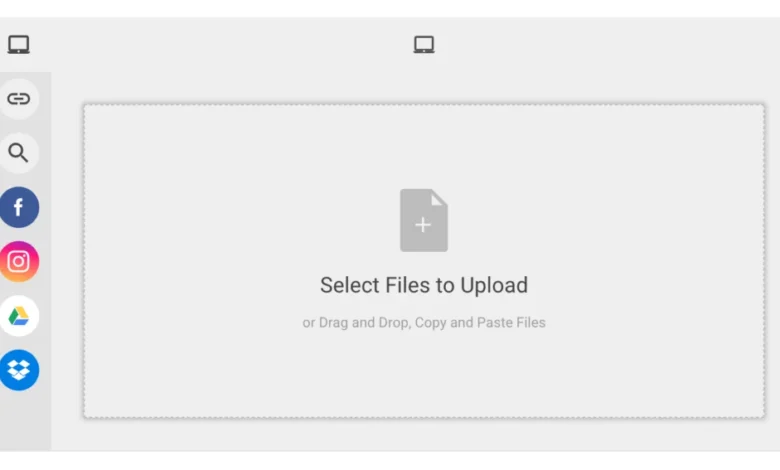
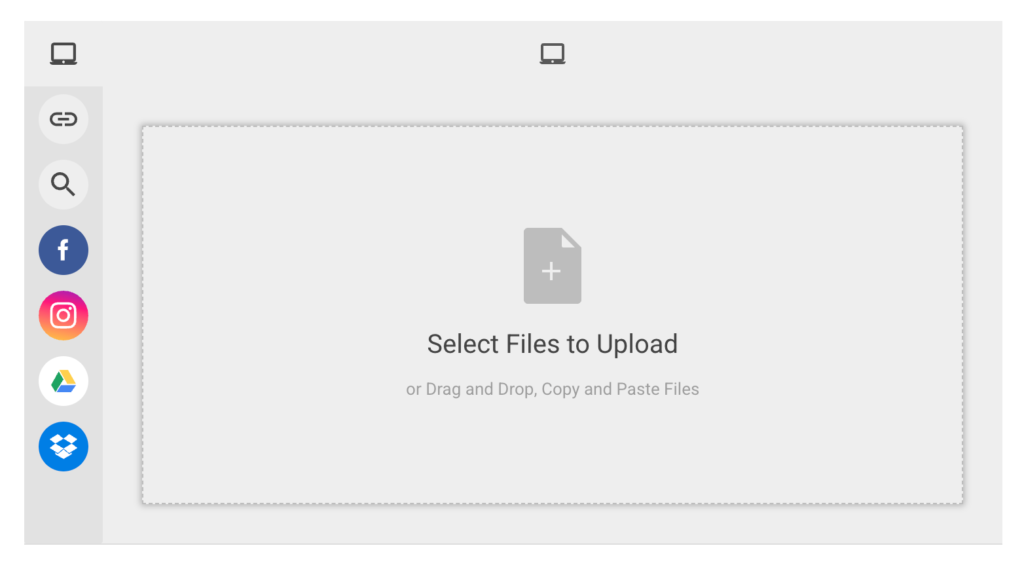
For frontend applications, enabling users to upload files effortlessly is paramount for engagement. Filestack provides a highly functional and aesthetically pleasing UI component known as the "Picker." Developers can integrate this component with minimal code:
// Using JavaScript
const client = filestack.init("apikey");
const picker = client.picker();
picker.open();
The result is a sophisticated file uploading interface that boasts broad compatibility, integrating seamlessly with over 20 popular cloud services and social media platforms, including Google Drive, Dropbox, GitHub, Facebook, Instagram, and Amazon S3. This multi-source integration is a significant advantage, eliminating the need for users to download files from one service only to re-upload them. Furthermore, the Picker supports intuitive drag-and-drop functionality, enhancing user convenience and streamlining the upload experience, thereby reducing friction and improving conversion rates for applications reliant on user-submitted content. This user-centric design reflects a broader industry trend towards simplifying complex interactions, a factor that can significantly impact user adoption and satisfaction.
Beyond the graphical user interface, Filestack also offers robust backend upload capabilities, providing developers with flexibility for server-side processing or batch operations. The platform offers a range of SDKs for various programming languages, exemplified by its Python library:
from filestack import Client

client = Client(APIKEY)

store_params =
    'location': 's3',
    'path': 'folder/subfolder/',
    'upload_tags':
          "foo":"bar"


filelink = client.upload(filepath='path/to/filename.jpg', store_params=store_params)
This backend approach allows for programmatic control over file storage locations, directory structures, and the addition of custom metadata tags, crucial for organizing and managing large volumes of assets. Unlike many services that offer only basic API access, Filestack provides comprehensive code libraries, significantly simplifying the developer experience and accelerating integration. Features such as direct-to-cloud uploads, resumable uploads for large files, and robust error handling ensure that the ingestion process is both efficient and resilient, regardless of file size or network conditions. This foundational strength in media acquisition sets the stage for the next critical phase: transformation.
Dynamic Media Processing: The Power of Transformations
Once files are uploaded, the ability to quickly and easily transform them into optimal formats and sizes is indispensable. Users may upload any type of file in any size or format, but developers often require specific dimensions, resolutions, or effects to ensure consistent presentation and optimal performance across various platforms and devices. Filestack’s transformation engine is designed to handle this complexity, applying a wide array of modifications to videos, images, and documents, either in real-time via URL parameters or through synchronous workflows for more complex processing.
The real-time image transformation capabilities are particularly powerful, allowing developers to manipulate images simply by adjusting URL parameters. This eliminates the need for server-side image processing, reducing server load and bandwidth consumption. For example:
// Resize an image to have a width of 300px
https://cdn.filestackcontent.com/resize=width:300/pdn7PhZdT02GoYZCVYeF

// Add a color filter, rotate the image, and add a "polaroid" border to the image
https://cdn.filestackcontent.com/resize=width:300/sepia=tone:80/polaroid/pdn7PhZdT02GoYZCVYeF
Beyond simple resizing and filtering, Filestack offers a comprehensive suite of transformation options, including:
- Image Manipulation: Cropping, rotating, flipping, sharpening, blurring, watermarking, adding various filters (grayscale, sepia, negative), adjusting brightness, contrast, and saturation.
- Format Conversion: Converting images between various formats (e.g., JPEG to WebP for optimization, PNG to JPEG).
- Quality Optimization: Adjusting compression levels to balance image quality with file size for faster loading.
- Responsive Images: Generating multiple image sizes on the fly to serve the most appropriate version based on the user’s device and screen resolution.
- Document Transformations: Converting documents (e.g., PDF, DOCX) into images or other formats, extracting text, or generating thumbnails.
- Video Processing: Basic video transformations like resizing, cropping, and generating thumbnails, as well as more complex operations such as transcoding to different formats, adjusting bitrate, and extracting specific frames.
These commands can be combined sequentially, allowing for highly complex and customized transformations with a single URL string. This flexibility ensures that media assets are always delivered in the most appropriate and performant format for the end-user, regardless of the original upload. The implications for user experience are profound: faster page loads, visually consistent content, and reduced bandwidth consumption. For developers, it means significantly less time spent on building and maintaining complex media processing pipelines.
Furthermore, Filestack recognizes that not all media manipulation needs to be coded. For content managers, marketers, or even end-users who require direct control over media presentation, Filestack offers a user interface for media transformations. This UI allows non-technical users to apply common edits, ensuring brand consistency and accelerating content publishing without relying on developer intervention. This dual approach—code-driven for developers and UI-driven for content creators—underscores Filestack’s commitment to comprehensive utility.
Global Reach and Optimal Performance: The Delivery Network
With files successfully uploaded and transformed to specification, the final, crucial step is their efficient and reliable delivery to end-users. The speed and dependability of content delivery directly impact user retention, search engine optimization (SEO), and ultimately, business conversion rates. Slow-loading media can lead to high bounce rates and a degraded user experience, making a robust delivery mechanism non-negotiable in today’s fast-paced digital environment.
Filestack integrates a powerful Content Delivery Network (CDN) as a core component of its platform. A CDN is a geographically distributed network of proxy servers and data centers that provides high-availability and high-performance access to content. When a Filestack URL is accessed for the first time, especially in cases involving storage aliases or transformations, Filestack’s CDN caches a copy of that content at an edge location closest to the requesting user. This cached copy remains active for 30 days and is then re-cached only upon subsequent requests.
The benefits of this integrated CDN are manifold:
- Reduced Latency: By serving content from geographically proximate edge servers, Filestack significantly reduces the physical distance data must travel, resulting in faster load times for users across the globe.
- Improved Reliability: The distributed nature of a CDN means that content remains accessible even if one server or data center experiences issues, enhancing overall availability.
- Scalability: CDNs are designed to handle massive spikes in traffic, ensuring that media delivery remains consistent and performant even under heavy load, a critical feature for viral content or large-scale campaigns.
- Bandwidth Optimization: Caching reduces the load on origin servers and minimizes bandwidth costs for businesses.
- Enhanced User Experience: Faster loading images and videos directly contribute to a smoother, more engaging user experience, which is crucial for maintaining audience attention and driving engagement. Studies consistently show that even a one-second delay in page load time can lead to a significant drop in page views, customer satisfaction, and conversions.
Filestack’s CDN capabilities are not merely an add-on; they are an intrinsic part of its unified platform, ensuring that the media assets optimized during the transformation phase are delivered with maximum efficiency. This seamless integration of upload, transform, and delivery distinguishes Filestack from piecemeal solutions, offering a cohesive and high-performance media pipeline.
Developer Experience and Strategic Implications
Beyond the technical features, Filestack places a strong emphasis on the developer experience. The provision of comprehensive SDKs for multiple languages, coupled with exemplary documentation, drastically reduces the learning curve and integration time for development teams. This focus on developer productivity is a key differentiator in a market where time-to-market and efficient resource allocation are paramount.
The strategic implications of adopting a platform like Filestack extend beyond mere technical convenience. By offloading the complexities of media management, businesses can:
- Accelerate Development: Developers can focus on core application logic rather than building and maintaining media infrastructure.
- Reduce Operational Costs: Eliminate the need for dedicated servers, bandwidth, and storage for media processing, as well as the personnel required to manage them.
- Enhance User Engagement: Deliver fast, high-quality, and responsive media experiences, leading to higher satisfaction and retention rates.
- Ensure Scalability: Effortlessly handle growing media volumes and user traffic without significant infrastructure investments or re-architecting.
- Improve Security: Leverage Filestack’s robust security measures for media storage and delivery, including HTTPS and access controls.
Industry analysts often highlight the importance of specialized cloud services in enabling digital transformation. A report by IDC indicated that organizations leveraging cloud-native development practices can see up to a 50% increase in developer productivity. Filestack’s platform aligns perfectly with these trends, empowering organizations to create richer, more dynamic digital experiences with unparalleled efficiency.
Conclusion: A Unified Solution for the Modern Web
Filestack’s platform represents a comprehensive, flexible, and immensely powerful solution for navigating the complexities of digital media management. From the initial ingestion of diverse file types through its versatile upload mechanisms, to the dynamic optimization and manipulation of content via its robust transformation engine, and finally, to the high-speed, reliable delivery facilitated by its integrated CDN, Filestack provides an end-to-end pipeline. It effectively takes digital assets from their raw source to their polished presentation for the consumer, abstracting away the underlying infrastructure challenges. For any organization—from nimble startups to large enterprises—that relies heavily on digital media, embracing a unified platform like Filestack is not merely a convenience; it is a strategic imperative for achieving operational efficiency, enhancing user experience, and maintaining a competitive edge in the ever-evolving digital landscape. The availability of a free trial further lowers the barrier to entry, inviting developers and businesses to experience firsthand the profound impact of streamlined media lifecycle management.