Rising Ocean Temperatures and Anthropogenic Pressures Threaten the Survival of Mesothermic Shark Species Worldwide

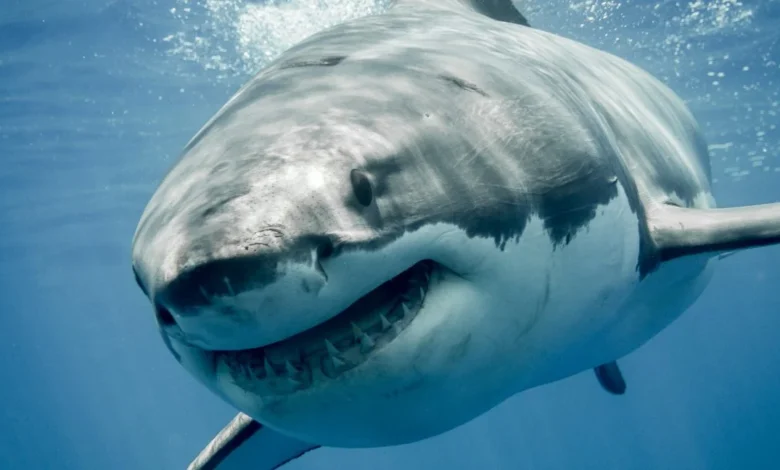
The delicate equilibrium of the world’s marine ecosystems is facing a profound disruption as rising ocean temperatures push mesothermic apex predators, including the great white shark and the basking shark, toward their physiological breaking points. Mesotherms, animals capable of maintaining internal body temperatures higher than the surrounding water, play a disproportionate role in regulating marine food webs. However, new research suggests that the very evolutionary advantage that allowed these species to dominate the oceans for millions of years is now becoming a liability in the face of rapid climate change. According to Edward Snelling, a physiologist at the University of Pretoria and co-author of a recent study on shark energetics, these species are being pushed closer to their physiological limits, a shift that could dictate where they can live and how they survive in an increasingly volatile environment.
The metabolic costs of being a "warm-blooded" shark are substantial. Unlike most fish, which are ectothermic and match the temperature of their environment, mesothermic sharks must consume vast amounts of energy to fuel their internal heaters. This "tight energy budget," as Snelling describes it, leaves little room for error. As global sea surface temperatures continue to climb, these animals are forced to either relocate to cooler waters or expend even more energy to maintain homeostasis, a trade-off that many may not survive.
The Science of Hidden Heat Budgets
To understand the internal mechanics of these marine giants, researchers utilized cutting-edge technology, deploying tiny sensors on various species, including basking sharks weighing more than three tons. These sensors allowed scientists to calculate heat production and loss in real-time, providing a window into what researchers call "hidden heat budgets." The data revealed a startling vulnerability: a one-ton mesothermic shark may struggle to remain in waters above 62.6 degrees Fahrenheit (17 degrees Celsius) without taking active countermeasures to cool down.
The physiological challenge stems from the fact that while these sharks can retain heat, they also lose it rapidly through their gills, where blood comes into close contact with the water for oxygen exchange. In warmer water, the metabolic rate of the shark increases, requiring more oxygen and more food. If the surrounding water is too warm, the shark’s internal temperature can rise to dangerous levels, or the energy required to hunt may exceed the caloric intake available in that region. This discovery is considered critical for conservationists attempting to map future protection areas, as it identifies the thermal boundaries that define a species’ "habitable zone."
South Africa as a Sentinel for Global Marine Health
In South Africa, the implications of these findings are particularly acute. The region has long been a global hotspot for great white sharks, but in recent years, sightings in traditional hubs like False Bay, Mossel Bay, and Gansbaai have plummeted. In these waters, the great white shark has emerged as a "sentinel species"—a biological indicator whose behavior and population health reflect the overall state of the marine environment.
Stephanie Nicolaides, a marine conservation researcher at the University of the Western Cape, notes that the narrative surrounding these predators has shifted significantly. Once sensationalized as "villains" in popular culture, great whites are now recognized as icons of marine conservation and vital components of the eco-tourism industry. Many local economies in South Africa rely on shark cage diving and marine expeditions, making the disappearance of these sharks both an ecological and an economic crisis. Nicolaides emphasizes that the great white is a keystone species essential to maintaining ocean health; their absence triggers a trophic cascade, where the populations of their prey, such as Cape fur seals, go unchecked, leading to further imbalances down the food chain.
A Multifaceted Crisis: Climate, Netting, and Overfishing
While thermal relocation due to warming waters is a significant factor in the changing distribution of sharks, it is far from the only threat. The decline of great white sightings in South Africa is multifaceted, involving a complex interplay of environmental shifts and direct human interference. For decades, these sharks have contended with habitat destruction, shark netting intended to protect swimmers, and a history of targeted overfishing.
However, many experts argue that the most immediate threat is not the climate, but the fishing industry. Nicholas Payne, a researcher involved in the study, asserts that the most acute and urgent crisis facing these animals is overfishing and, specifically, bycatch. Bycatch refers to the unintentional capture of marine life by commercial fishing operations using massive nets or long lines. These long lines, sometimes stretching for miles and baited with thousands of hooks, are indiscriminate. Even if a shark is released after being caught, the physiological stress of the struggle often leads to "post-release mortality," particularly for species already stressed by warm water temperatures.
The Historical Warning of the Megalodon
The current plight of mesothermic sharks echoes a grim chapter in Earth’s paleontology. History suggests that physiological vulnerability to temperature changes has led to extinction before. The Otodus megalodon, the infamous prehistoric shark that reached lengths of nearly 60 feet, was also a warm-bodied species. Fossil records and climate models suggest that the Megalodon suffered disproportionately during past periods of ocean temperature fluctuation.
As a massive mesotherm, the Megalodon required an enormous amount of food to fuel its body. When ocean temperatures shifted and the distribution of its primary prey—small to medium-sized whales—changed, the Megalodon likely struggled to secure enough energy to survive. The high metabolic cost of its warm-bloodedness, once its greatest strength, became its downfall. Scientists warn that today’s mesothermic sharks are facing a similar "energetic trap." As the oceans change at what Payne describes as "unprecedented speeds," the biological parallels between the extinct Megalodon and the modern Great White are becoming increasingly apparent.
Chronology of the Modern Decline
The timeline of the current crisis highlights how quickly these changes are occurring:
- 2000s–2010s: South Africa establishes itself as the premier global destination for great white shark research and tourism, with consistent sightings in False Bay and Gansbaai.
- 2015–2017: A noticeable shift begins. Researchers document a significant decrease in shark activity in traditional coastal hotspots. Initial theories suggest the arrival of orcas (specialized shark predators) as the primary cause.
- 2018–2021: Data begins to show that while orca predation is a factor, the sharks are not just hiding; they are relocating. Thermal mapping shows "warm blobs" in the ocean that correlate with the sharks’ absence.
- 2022–2024: Advanced sensor studies, such as the one co-authored by Snelling and Payne, confirm that the internal heat budgets of these sharks are being stretched to their limits.
- Present: Conservationists call for an urgent overhaul of international fishing regulations to mitigate bycatch, identifying it as the "acute" threat that must be addressed alongside long-term climate action.
Ecosystem Implications and the Path Forward
The loss or relocation of apex predators like the great white shark has far-reaching consequences for the ocean’s "blue carbon" capacity and overall biodiversity. When top-tier predators vanish, the mid-level predators and herbivores they once controlled can over-consume seagrass beds and kelp forests. These underwater forests are vital for carbon sequestration; their destruction accelerates the very climate change that is driving the sharks away.
Addressing this crisis requires a two-tiered approach. In the short term, policy changes must focus on the "fishing problem." This includes the implementation of "smart" fishing gear designed to reduce bycatch, the seasonal closure of certain fishing grounds, and the expansion of Marine Protected Areas (MPAs) that align with the newly discovered thermal limits of mesothermic species.
In the long term, the survival of these species depends on global efforts to stabilize ocean temperatures. "The alarm bells are ringing loudly at this point," says Payne. The data suggests that we are no longer looking at a hypothetical future threat, but a present-day reality where the ocean’s most formidable predators are running out of cool water and time. The "hidden heat budgets" of the great white and the basking shark have been revealed, and they show a balance sheet that is rapidly moving into the red. Without decisive intervention, the sentinel species of the sea may follow the Megalodon into the annals of extinction, leaving behind a fundamentally broken marine ecosystem.
Related posts: