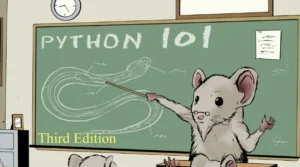
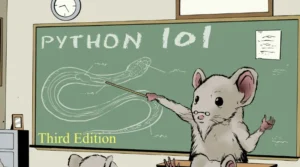
Python 101 Third Edition Kickstarter Campaign Launches to Update Classic Programming Guide for Modern Standards

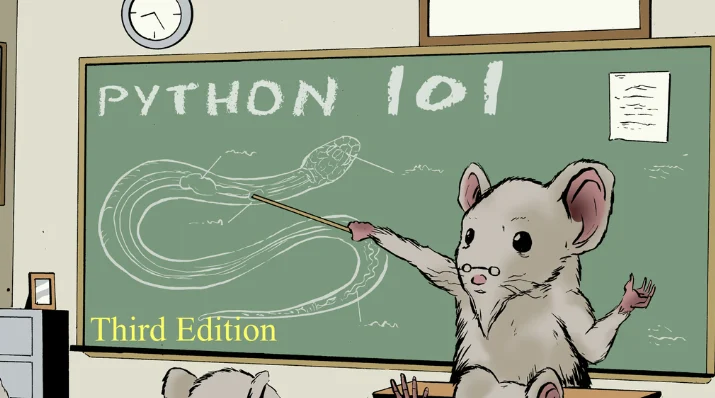
Long-time software developer, author, and programming educator Michael Driscoll has officially launched a crowdfunding campaign for the third edition of his popular introductory programming guide, Python 101. Hosted on the Kickstarter platform, the campaign aims to secure financial backing to cover the comprehensive rewriting, editing, professional production, and independent publication of a modernized version of the book. For over a decade, the Python 101 curriculum has served as a foundational stepping stone for aspiring developers, students, career switchers, and hobbyists seeking a pragmatic entry point into the world of software engineering. By updating the text to reflect contemporary programming paradigms, the new edition seeks to bridge the gap between legacy teaching methods and the fast-evolving ecosystem of modern Python development.
The initiative comes at a critical juncture for both the Python programming language and the broader technology education sector. Python has consistently ranked as one of the most popular and rapidly growing programming languages in the world, dominating fields such as data science, artificial intelligence, web development, automation, and software testing. However, as the language continues to evolve through regular core updates and the introduction of advanced language features, introductory literature risks becoming outdated. Driscoll’s decision to pursue a third edition is driven by the necessity to align foundational instruction with current industry best practices, modern syntax optimizations, and updated standard library utilities, ensuring that absolute beginners learn habits and patterns that are relevant to today’s software development landscape.
Background Context and the Evolution of Python 101
To understand the significance of the third edition, it is essential to examine the trajectory of the Python 101 franchise within the broader landscape of technical literature. When the original version of Python 101 was conceived, Python was already a well-established scripting language, but its adoption in enterprise environments, educational institutions, and emerging tech sectors was markedly different. Over the subsequent years, the release of Python 3 shifted the paradigm of how the language was taught and utilized globally, eventually phasing out legacy Python 2 systems entirely.
Michael Driscoll, a recognized figure in the Python community known for his extensive contributions through blogging at Python Library, writing books such as Python Green Tea and ReportLab, and developing desktop GUI applications with wxPython, designed Python 101 to cut through the academic density often found in computer science textbooks. The primary objective of the initial editions was to provide a gentle, highly accessible learning curve that prioritized practical execution over theoretical abstraction. Readers were guided through fundamental concepts—such as variables, control flow, data structures, and functions—using clean, readable examples that could be immediately applied to real-world tasks.
Over successive printings and digital editions, thousands of students and self-taught programmers utilized the text to transition into professional software development roles or to automate tedious workflows in their existing non-technical careers. Nevertheless, the rapid pace of technological innovation guarantees that technical manuals possess a finite shelf life. Features introduced in recent iterations of the Python language—such as structural pattern matching, enhanced type hinting capabilities, and performance optimizations—warrant a fundamental restructuring of how introductory material is presented. The upcoming third edition is not merely a superficial copyedit or a minor correction of typographical errors; it represents a ground-up conceptual revision aimed at incorporating these modern idioms directly into the foundational lessons.
The Kickstarter Crowdfunding Model and Campaign Structure
The decision to utilize Kickstarter to fund the development and publication of Python 101 Third Edition highlights a growing trend among independent technical authors who wish to maintain creative control, editorial independence, and a direct relationship with their readership. Traditional publishing houses often impose strict formatting guidelines, elongated production timelines, and restrictive pricing models that can hinder the accessibility of technical books. Crowdfunding campaigns empower authors to secure the necessary financial runway before committing to final publication, ensuring that dedicated time can be allocated to writing high-quality code examples, designing clear illustrations, and conducting rigorous technical reviews.
According to the campaign specifications, funds raised through the Kickstarter initiative will be allocated toward several vital stages of the book’s production lifecycle:
- Comprehensive writing and architectural restructuring of the manuscript to accommodate modern Python standards.
- Professional technical editing, copyediting, and proofreading to ensure grammatical precision and code accuracy.
- Interior typesetting, graphic design, and the creation of visual diagrams to illustrate complex programming concepts.
- Cover design and formatting for multiple distribution formats, including digital e-book releases and physical softcover or hardcover editions.
- Fulfillment and logistical management for delivering physical and digital rewards to backers worldwide.
In exchange for their financial support, backers of the Kickstarter campaign are offered a tiered system of rewards. Depending on the chosen pledge level, participants can secure early digital access to draft chapters as they are written, finalized e-book copies in various formats (such as PDF, EPUB, and MOBI), physical print editions, exclusive code repositories, and supplementary learning materials. This iterative release model creates a collaborative feedback loop between the author and the readership, allowing backers to provide constructive input, report typographical errors in early drafts, and help shape the final pedagogical approach of the text.
Target Audience and Pedagogical Philosophy
Python 101 Third Edition is strategically engineered to cater to a diverse demographic of learners who share a common requirement: an approachable, jargon-free introduction to programming fundamentals. The target audience encompasses several distinct cohorts within the modern technology workforce and educational sphere:
- Absolute Beginners: Individuals with zero prior exposure to coding or computer science who wish to build a strong foundational understanding of logic, syntax, and computational thinking.
- Students and Academics: High school and university students looking for a reliable supplementary text to reinforce coursework in computer science, engineering, or quantitative research disciplines.
- Career Switchers: Professionals from non-technical backgrounds—such as finance, marketing, administration, and healthcare—seeking to acquire marketable programming skills to transition into technology-driven roles or improve workflow efficiencies.
- Hobbyists and Makers: Enthusiasts interested in building personal software projects, automating home lab environments, or interfacing with hardware devices like Raspberry Pi.
A central tenet of Driscoll’s pedagogical philosophy is the complete absence of prerequisite technical knowledge. The book begins with the absolute basics, such as installing the Python interpreter, configuring an integrated development environment (IDE), and writing the classic "Hello, World!" program. From there, the curriculum systematically builds complexity, ensuring that readers are never overwhelmed by advanced concepts before they have mastered the underlying prerequisites.
Furthermore, the third edition places a renewed emphasis on practical application. Rather than dwelling exclusively on abstract mathematical algorithms, the text incorporates real-world use cases, such as file manipulation, data parsing, working with application programming interfaces (APIs), and basic error handling. This task-oriented approach is designed to maintain high engagement levels and provide immediate utility to readers who need to apply their newly acquired skills in professional or academic environments.
Industry Implications and the Broader Impact of Accessible Tech Education
The launch of the Python 101 Third Edition campaign arrives at a time when the demand for software engineering talent continues to outpace the output of traditional academic institutions. As digital transformation accelerates across every industry vertical, basic programming literacy is increasingly viewed as a core competency rather than a niche specialization. Initiatives that lower the barrier to entry for self-taught developers play a vital role in democratizing access to high-paying technology careers and fostering diversity within the engineering workforce.
Industry analysts note that introductory programming books serve as the primary gateway for millions of future software architects, data scientists, and systems engineers. When a foundational text like Python 101 is successfully updated to reflect modern standards, the ripple effects are felt throughout the broader developer community. New programmers entering the ecosystem equipped with clean coding habits, an understanding of type safety, and familiarity with contemporary language constructs contribute to higher overall code quality in open-source projects and enterprise environments alike.
Moreover, the crowdfunding success of independent technical literature demonstrates the viability of alternative publishing models in the digital age. By bypassing legacy publishing gatekeepers, authors can deliver highly specialized, community-vetted content directly to the individuals who need it most. This direct-to-consumer approach fosters a sense of shared ownership and community loyalty that is difficult to replicate through traditional retail channels.
Conclusion and Next Steps for Prospective Backers
As the Kickstarter campaign for Python 101 Third Edition gains momentum across social media platforms, developer forums, and technical newsletters, early indicators suggest strong enthusiasm from both longtime fans of Michael Driscoll’s previous works and new learners entering the programming space. The project represents a meticulous effort to preserve the accessible, reader-first ethos of the original guide while updating its technical foundation for the demands of modern software development.
Interested individuals, educators, and organizations looking to support the creation of the book can access the active crowdfunding page directly via Kickstarter. By pledging support at various financial tiers, backers not only secure early access to the publication and associated rewards but also contribute to the ongoing education of the next generation of software developers. With project updates scheduled to be released transparently throughout the writing and production lifecycle, participants will have a unique opportunity to witness the evolution of a technical manual from initial concept to finished bookshelf staple.