The event, which targets UX designers, UI specialists, and front-end engineers, arrives at a critical juncture in the evolution of software design. With AI tools rapidly maturing from simple text generators into sophisticated, agentic coding assistants, the challenge for design teams has shifted from learning basic prompts to architectural integration. This conference aims to provide a definitive roadmap for teams looking to harmonize their existing design systems with the unpredictable nature of AI-generated output.
Contextualizing the Rise of AI in Design Systems
The integration of artificial intelligence into the design-to-code pipeline is no longer a peripheral experiment but a central mandate for enterprise product teams. According to recent industry reports on digital transformation, over 60% of design organizations have begun experimenting with AI-assisted component generation. However, the efficacy of these implementations remains inconsistent, often leading to technical debt, fragmented design patterns, and, most notably, a disconnect between visual intent in tools like Figma and the final production code.
The AI 2027 Conference serves as a response to this implementation gap. By focusing on "AI-ready" design systems, the event addresses the necessity of structured data. For AI agents to function effectively, they require clean, semantic, and well-documented design tokens. Without this foundation, the output generated by current LLMs and coding agents frequently lacks the consistency required for production-grade software. The event will examine how teams can prepare their internal infrastructure to handle the next generation of automated design workflows.
Conference Chronology and Program Overview
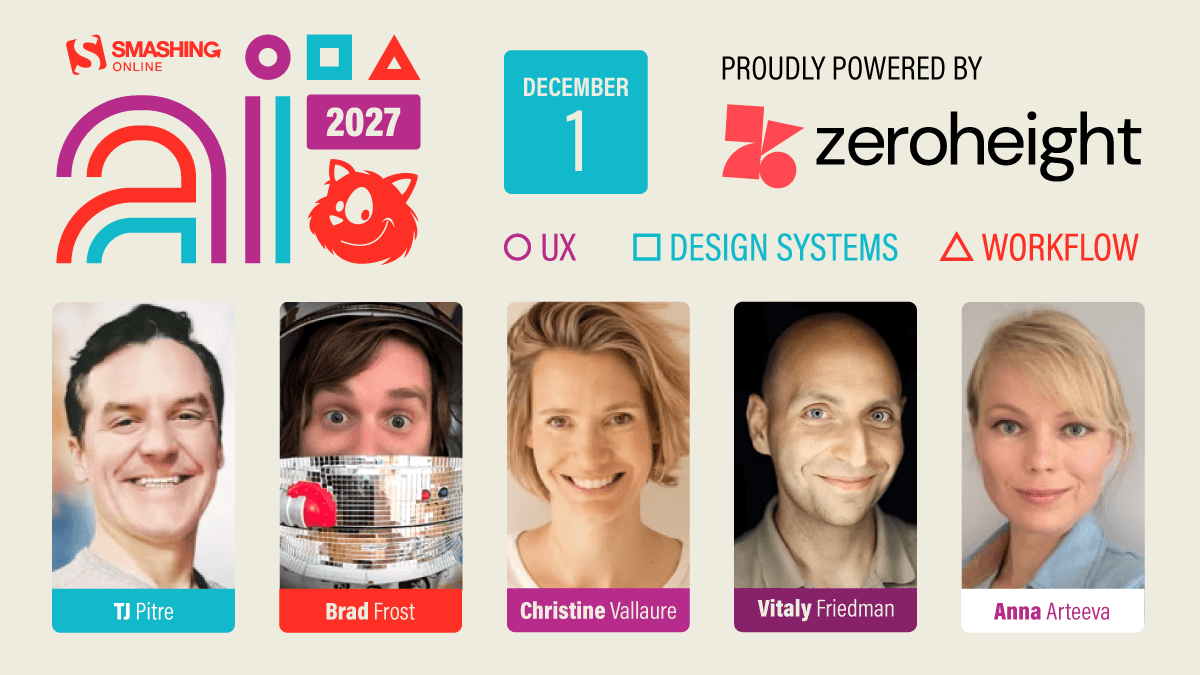
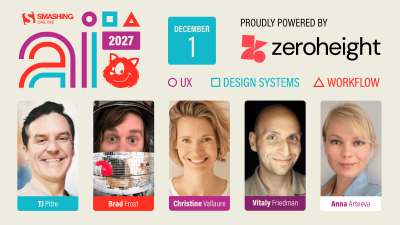
The event is scheduled for December 1, 2026, commencing with a morning session that sets the stage for the evolving relationship between designers and intelligent machines. The schedule is meticulously organized to balance high-level strategy with granular technical instruction.
The morning sessions open at 8:10 AM with a deep dive into the philosophy of designing AI experiences. This foundational block will establish the core principles for 2027, moving away from "black box" design toward human-in-the-loop interfaces. Following this, the focus shifts to prototyping, where speakers will demonstrate how to test AI-driven functionality before committing to full-scale engineering cycles.
By mid-morning, the curriculum shifts toward the intersection of documentation and automation. A critical highlight is the session on the persistent issue of neglected design documentation. In an era where AI agents are expected to "read" documentation to understand system constraints, the quality and accessibility of these docs become a primary technical requirement. The conference will introduce techniques for making documentation machine-readable, a practice that will likely become a standard in the coming years.
The latter half of the event focuses on practical workflows, including the use of Figma Model Context Protocols (MCPs) and the exploration of alternative design-to-code pipelines. The day concludes with moderated breakout rooms, providing attendees with a platform to present their specific organizational challenges to peers and industry experts.
Industry Experts and the Move Toward Practicality
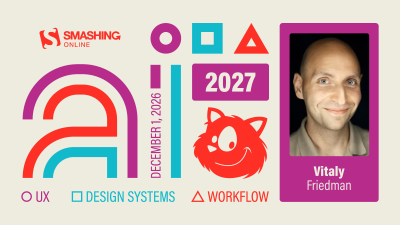
The lineup for the AI 2027 Conference includes figures who have been at the forefront of the design systems movement for over a decade. Vitaly Friedman, the host of the event, emphasizes that the primary goal is to strip away the superficial excitement surrounding AI and focus on operational utility.
"We are seeing a trend where teams are exhausted by the cycle of hype," says a representative close to the event planning. "The goal is to provide a forum where experts show exactly how they have solved the ‘last mile’ problem in AI integration—that moment where a design tool meets a code repository."
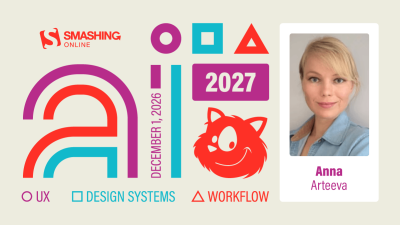
Anna Arteeva, a noted expert in agentic coding, will contribute her expertise on helping designers transcend the limitations of one-shot prototyping. Her work focuses on technical fluency, arguing that designers who lack a base understanding of how code agents interpret instructions will eventually find themselves disconnected from the final product.
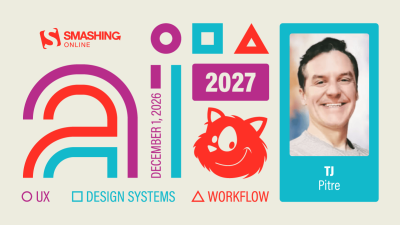
Similarly, the inclusion of TJ Pitre, Product Architect for AI and Design Systems at Figma, provides an insider perspective on how the industry’s most popular design tool is evolving to accommodate AI-first workflows. His expertise in bridging the gap between design and engineering through structured context is expected to be a cornerstone of the technical sessions.
The Role of Documentation and Collaborative Ecosystems
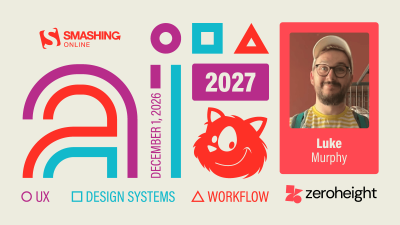
A key partnership for this event is with zeroheight, a platform specializing in design system documentation. The involvement of Luke Murphy, Principal Design Advocate at zeroheight, signals a growing awareness that documentation is a technical asset, not just a reference manual.
The session, "Nobody Will Read Your Documentation," challenges the traditional approach to design system maintenance. The thesis is that in an AI-augmented future, documentation serves two distinct audiences: humans who need to understand usage, and agents that need to understand constraints. If the documentation is not optimized for both, it fails to fulfill its purpose as the single source of truth for the organization.
Implications for the Future of Work
The broader impact of the AI 2027 Conference lies in its attempt to standardize the chaotic adoption of AI. As organizations move from the "exploration" phase of AI adoption to the "standardization" phase, conferences like this provide the necessary intellectual framework for sustainable growth.
Key implications for attendees include:
- The Emergence of AI-Ready Systems: Design systems will need to be re-architected to include machine-readable metadata.
- Shift in Skill Sets: Designers will need to adopt a "systems thinking" approach that incorporates coding agents, requiring a shift in technical literacy.
- Workflow Integration: The divide between design and engineering will continue to blur, necessitating tools and workflows that allow for real-time synchronization between visual design and production-grade code.
- Agentic Autonomy: As AI agents gain the ability to perform complex tasks, the role of the designer will shift toward that of an "orchestrator," responsible for defining the constraints and guardrails within which the AI operates.
Conclusion: Beyond the Hype Cycle
The AI 2027 Conference represents a maturing of the discourse around artificial intelligence in the creative and technical fields. By prioritizing practical, "showing-not-telling" sessions, SmashingConf is positioning this event as a tactical resource rather than a speculative summit.
For professionals currently navigating the friction between traditional design methodologies and the rapid advancement of AI, the event offers a rare opportunity to learn from those who have already navigated the early failures of this technology. As the industry looks toward 2027, the focus will undoubtedly remain on efficiency, accuracy, and the successful integration of intelligent agents into the daily life of the design and engineering team.
Registration for the event is currently open, with organizers recommending that teams review their time zones well in advance, as the live nature of the event—and the subsequent interactive breakout sessions—requires real-time participation to fully capture the value of the peer-to-peer knowledge sharing. As the digital product landscape continues to evolve, the insights shared during this half-day event will likely serve as a foundational guide for teams looking to maintain a competitive edge in an increasingly automated environment.